Energy Efficiency in Commercial Kitchens
Energy efficiency in commercial kitchens starts with ventilation, refrigeration and warewashing. These eight measures rank by saving and payback to cut cost.
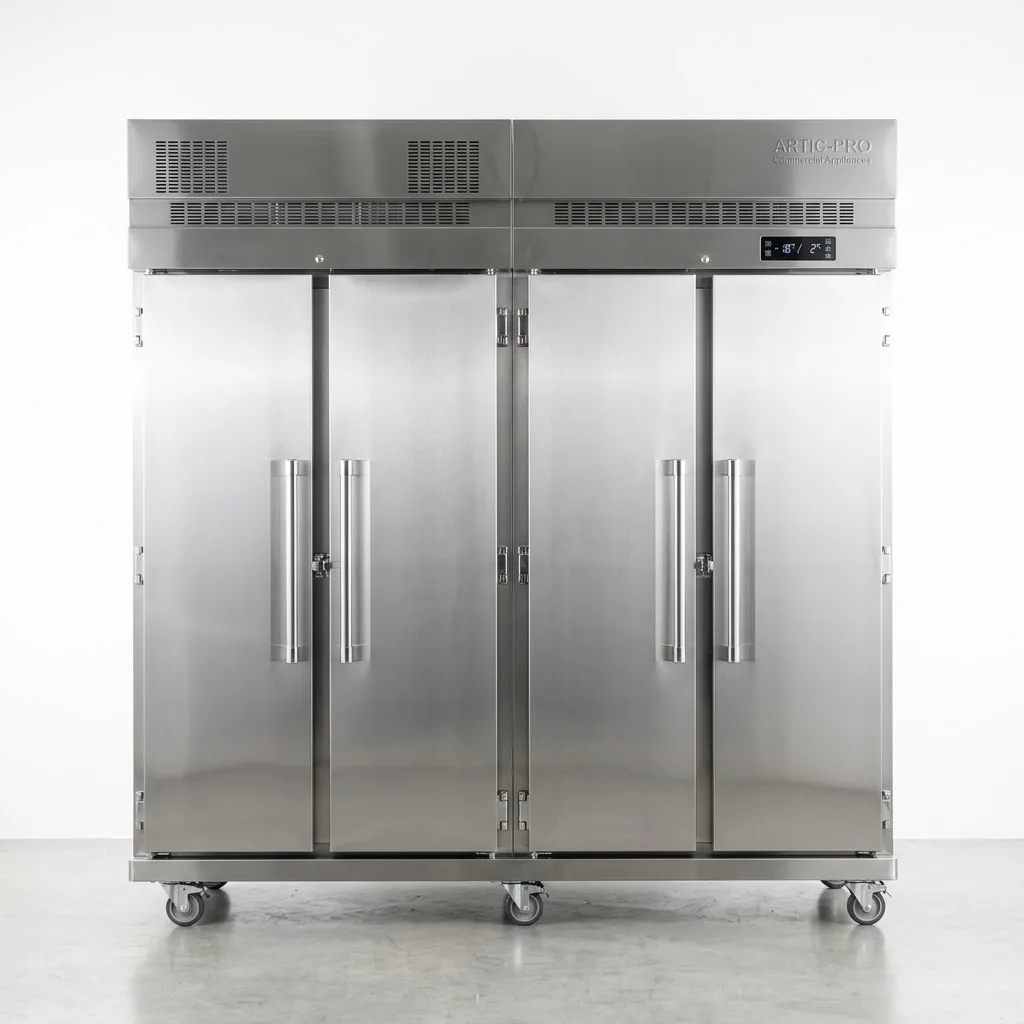
Commercial kitchens use roughly 2.5 to 5 times more energy per square metre than other commercial buildings, and a large share leaves as wasted heat, steam and standby loss rather than cooked food. Ventilation, refrigeration and warewashing dominate the bill, so targeted upgrades recover cost faster than blanket equipment swaps.
This guide ranks eight efficiency measures by typical saving and payback, using ranges drawn from field retrofits. Treat every figure as a planning bracket, not a guaranteed result, because the real number depends on climate, menu and existing plant.
Key takeaway: Ventilation is usually the single largest saving, because a variable-speed, demand-controlled hood cuts both fan electricity and the conditioned air it extracts. Pair it with refrigeration and warewashing fixes and most kitchens recover the spend within one to three years.
Where a Commercial Kitchen Actually Wastes Energy
Energy leaves a kitchen through four paths. Cooking appliances shed heat through open tops and standby burners even between tickets. Hoods pull conditioned room air straight outdoors, and with it the cooling or heating you paid to condition it. Refrigeration leaks cold through open doors, worn gaskets and uncoiled condensers. Warewashers spend energy heating water that then drains away hot. Metering rarely isolates these loads, so operators cannot see which one to fix first.
Typical audits split the bill roughly as cooking 30–40%, refrigeration 20–30%, ventilation (fans plus make-up heating or cooling) 20–40%, and warewashing 5–15%. The exact split shifts with climate and menu, but ventilation and refrigeration together normally exceed half the load, which is why the cheapest behavioural fixes and the largest fan upgrade sit at the top of the ranked table.
The Measures Ranked by Payback
The table lists eight measures in the order most retrofits recover cost. Savings are typical annual ranges; payback assumes the avoided energy is valued at local utility rates.
| Measure | Typical saving | Payback | Where it applies |
|---|---|---|---|
| Demand-controlled ventilation | 30–50% of hood fan energy | 1–3 years | Any hood with variable load |
| Side curtains and capture hoods | 10–20% ventilation energy | 1–2 years | New or rebuilt hood |
| Refrigeration night covers | 20–40% case energy | <1 year | Open display and prep cases |
| Walk-in door management | 5–15% refrigeration load | <1 year | Walk-in coolers and freezers |
| Low-temp, heat-recovery dishwashing | 10–25% per rack | 1–3 years | Hood and conveyor machines |
| Idle-loss reduction on cooking | 5–15% cooking energy | Immediate | Ranges, grids, fryers |
| Insulation and pipe lagging | 5–10% heat loss | 1–2 years | Hot lines and hot-water runs |
| Sub-metering and scheduling | 5–15% total load | <1 year | Whole-kitchen programme |
Ventilation: The Largest Single Saving
A hood runs whether or not a pan is on the burner, so its fan is the most consistent energy user in the room. Three measures cut that load without changing how cooks work.
Variable-speed fans
Sensors trim fan speed to heat and smoke load, cutting fan electricity 30–50% versus constant high speed. Payback is typically one to three years.
Side curtains and baffles
Flexible curtains and improved capture reduce the air a hood must move, saving 10–20% of ventilation energy on a rebuilt or new hood.
Demand-based controls
Link fan speed to cooking activity rather than a timer, so idle periods stop drawing conditioned air outdoors and wasting make-up heating or cooling.
Refrigeration and Warewashing: Smaller Wins That Add Up
Refrigeration savings are cheap because they are mostly behavioural and mechanical. Night covers on open cases cut case energy 20–40% overnight, strip curtains and self-closing doors limit walk-in losses by 5–15%, and clean condenser coils hold capacity without extra runtime. None needs new plant.
Warewashing gains come from water and heat. A low-temperature or heat-recovery machine saves 10–25% per rack, and routing drain heat to preheat inlet water compounds the effect. Batch racks instead of running the machine half-full also trims both power and detergent per clean rack.
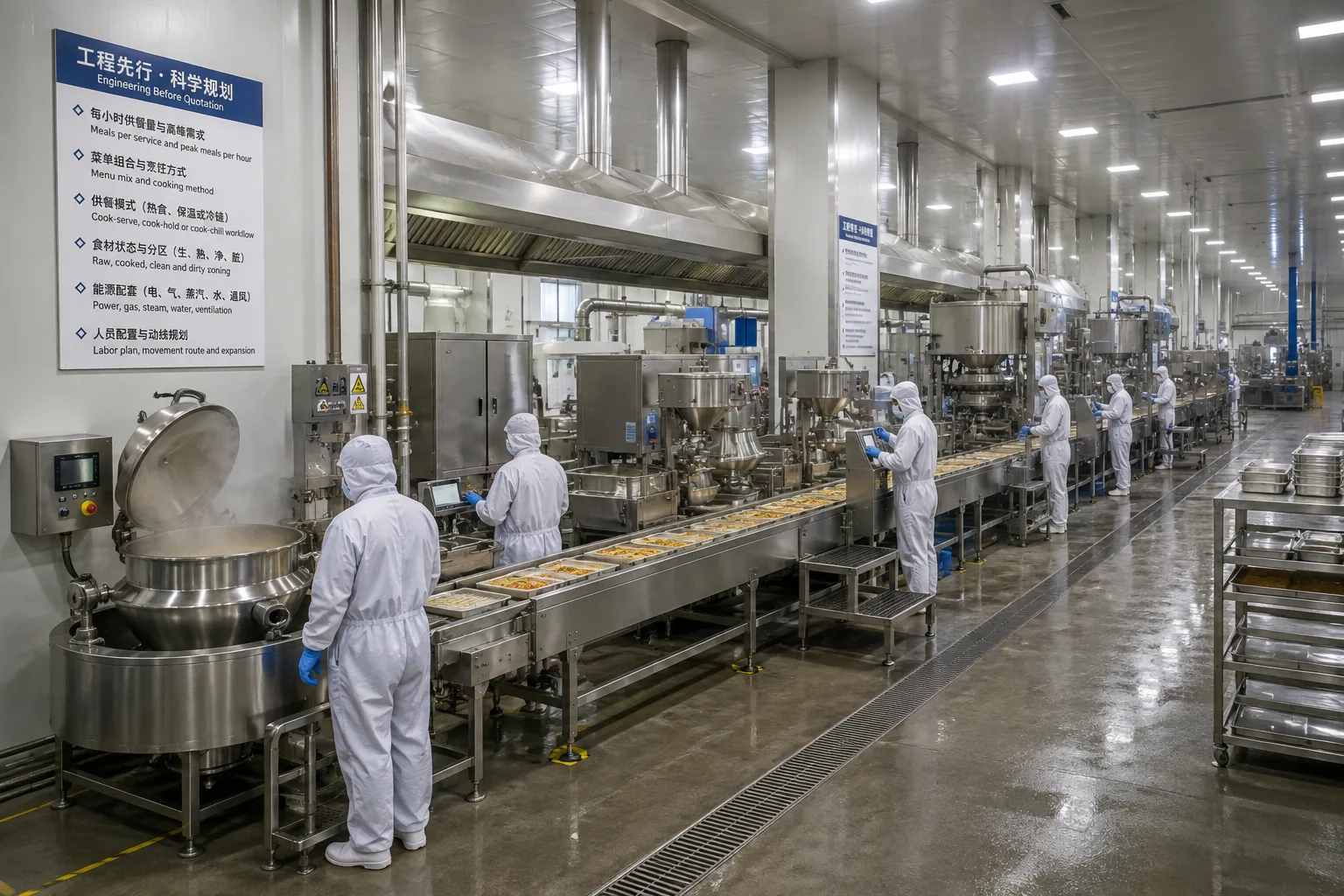
How to Verify Savings After the Upgrade
- Install sub-meters on hood, refrigeration and warewash before work begins
- Baseline each load for two to four weeks under normal service
- Retrofit one measure at a time so its effect is isolated
- Re-meter for the same window and compare against the baseline
- Train staff on door, curtain and shutdown routines that protect the saving
- Review monthly and re-tune controls as the menu or volume changes
Start with the capacity sizing guide to size plant against real load, then review refrigeration equipment sizing and dishwashing equipment utilities options. The installation and maintenance guide covers controls and commissioning, and compliance standards for kitchen ventilation list the efficiency references buyers may require. Most programmes start with sub-metering, because it turns a vague utility complaint into a numbered list of fixes ranked by return.
Frequently Asked Questions
What is the biggest energy saving in a commercial kitchen?
Demand-controlled ventilation usually saves the most, cutting hood fan energy 30–50% by trimming speed to actual cooking load.
How much can refrigeration night covers save?
Night covers on open display and prep cases cut case energy 20–40% and typically pay back within a year.
Do low-temperature dishwashers save energy?
Yes. Low-temp and heat-recovery machines save 10–25% per rack in water and power, more when drain heat preheats inlet water.
How do I prove an upgrade actually worked?
Install sub-meters on hood, refrigeration and warewash, baseline for two to four weeks, then re-meter after each retrofit and compare.
Plan the Equipment Around Your Kitchen.
Share your menu, peak service demand, available space and site utilities. Tell us which equipment you are considering so we can review the requirements with you.