Commercial Dishwashing Equipment Manufacturer
Dishwashing systems are selected by peak return load, rack type, clearance height and the separation of dirty and clean zones — not by catalogue throughput. We engineer the washer model, pre‑rinse setup, drying module and conveyor speed around your actual tray, plate and utensil return pattern. For central kitchens processing 3 000+ covers per service or hospital tray lines requiring strict hygiene zoning, the difference between a correctly specified and an undersized dishwasher is measured in labour cost, broken crockery and failed inspections.
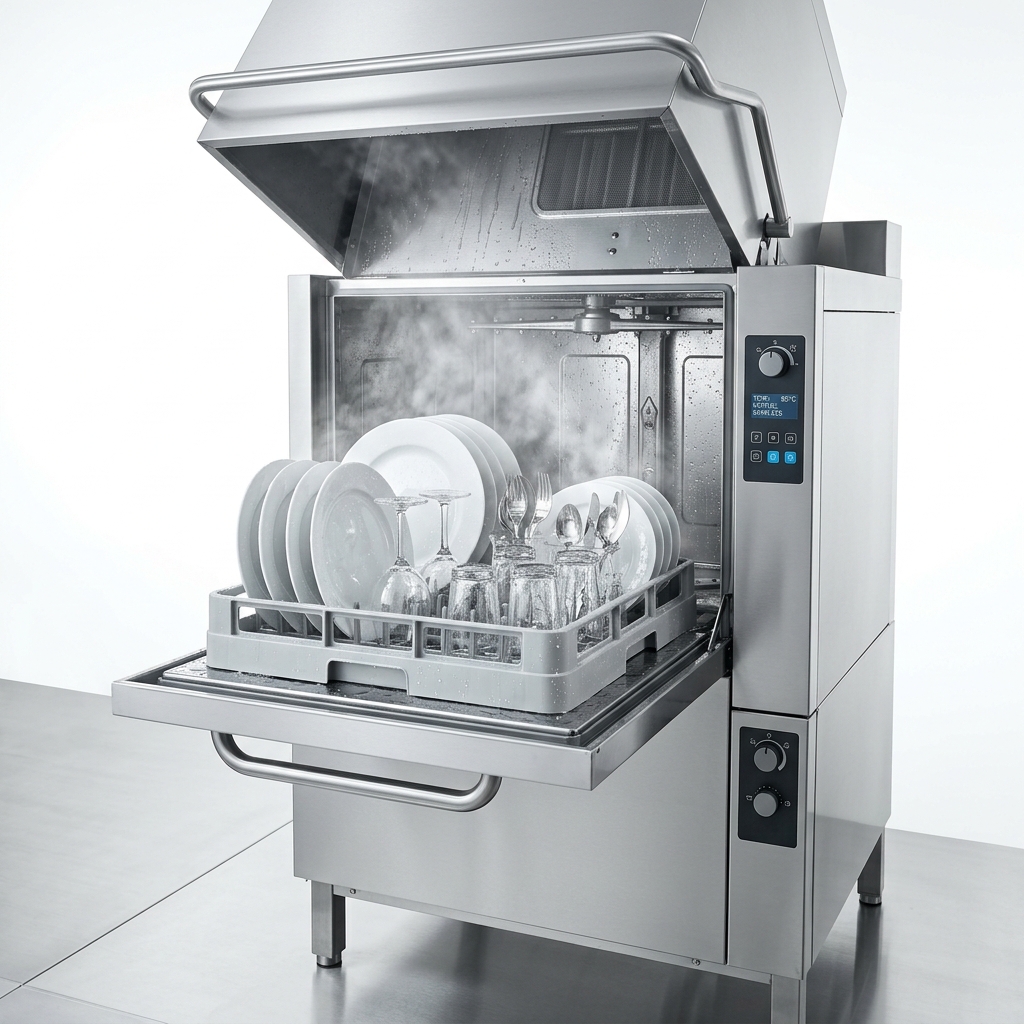
Specify the Load Before Selecting the Model
Commercial dishwashing specification follows five decision points unique to warewashing:
- Peak return load — trays, plates and utensils per hour at busiest service window
- Rack or conveyor format — 500×500 mm standard or custom to match your crockery profile
- Water quality, pressure and drainage — softener sizing, booster heater and waste configuration
- Chemical dosing and rinse temperature — final rinse must hit 82 °C for sanitisation
- Dirty/clean separation — pass‑through or corner layout per your hygiene zone plan
Commercial Dishwashing Equipment
Final model and specification are confirmed after application review.
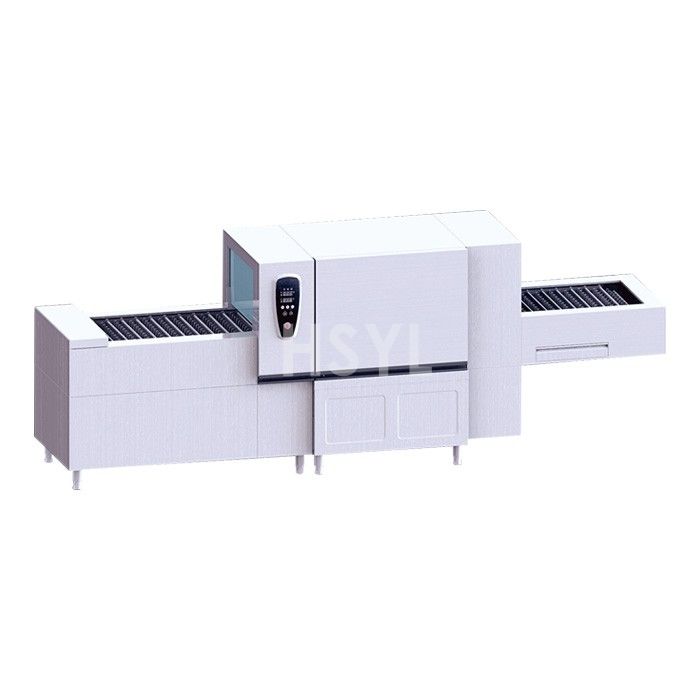
Commercial Conveyor Dishwashers for High-Volume Warewashing
View product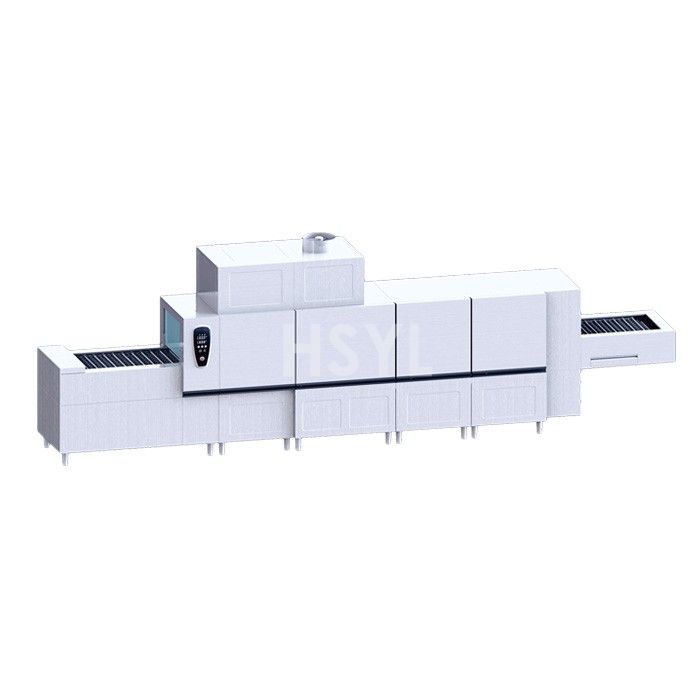
HDW8000L Steam-Heated Commercial Dishwasher
View product
HDW3000 Steam-Heated Commercial Dishwasher
View product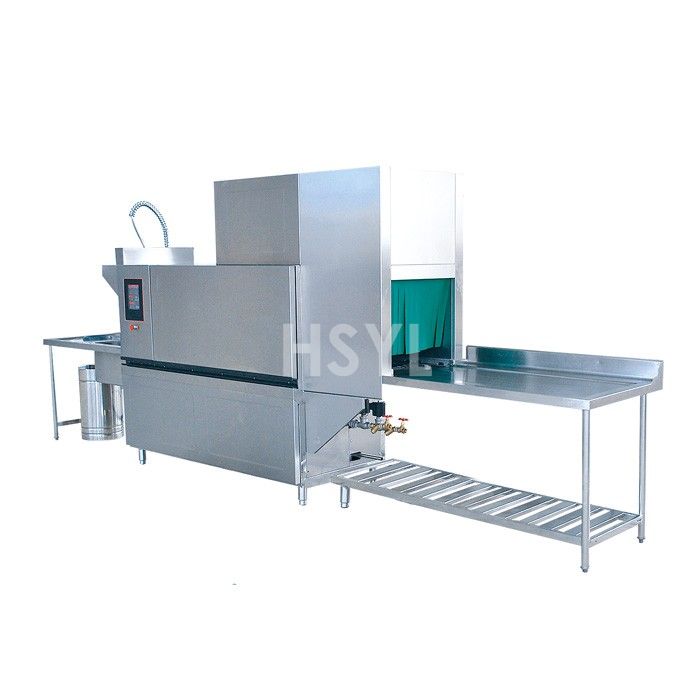
HDW260-SL-R Steam-Heated Commercial Dishwasher
View product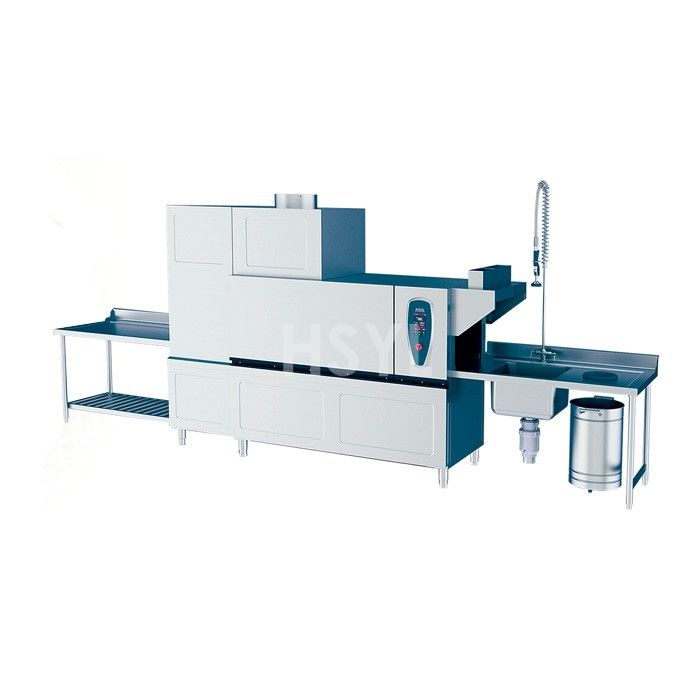
HDW260-EL-R Electric-Heated Commercial Dishwasher
View product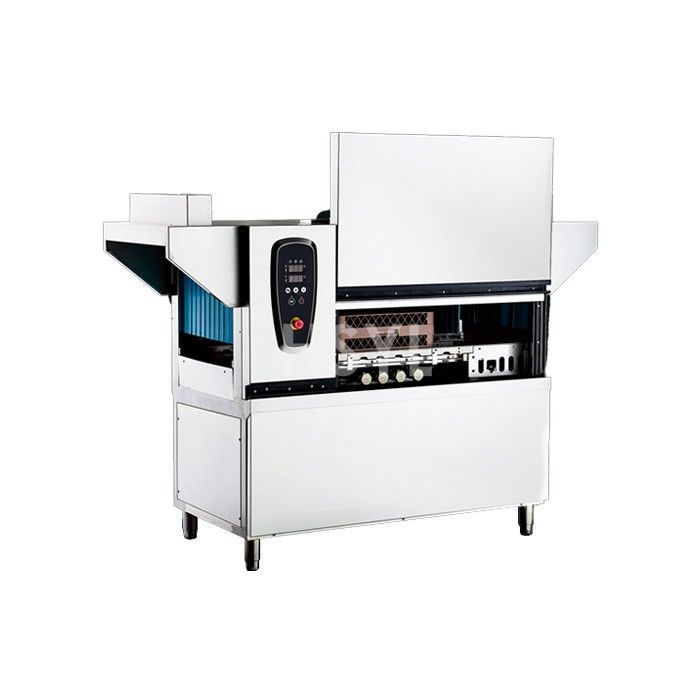
Electric-Heated Commercial Dishwasher HDW220
View product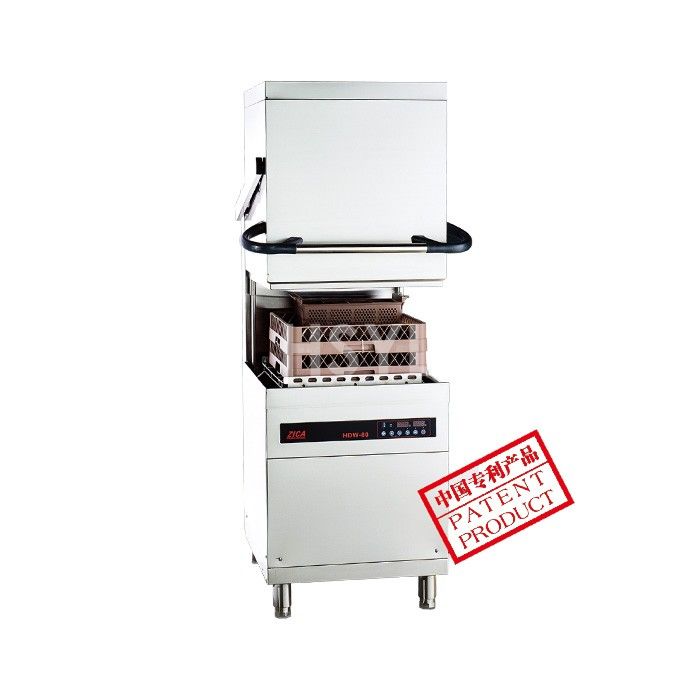
HDW-80 Commercial Hood-Type Dishwasher
View product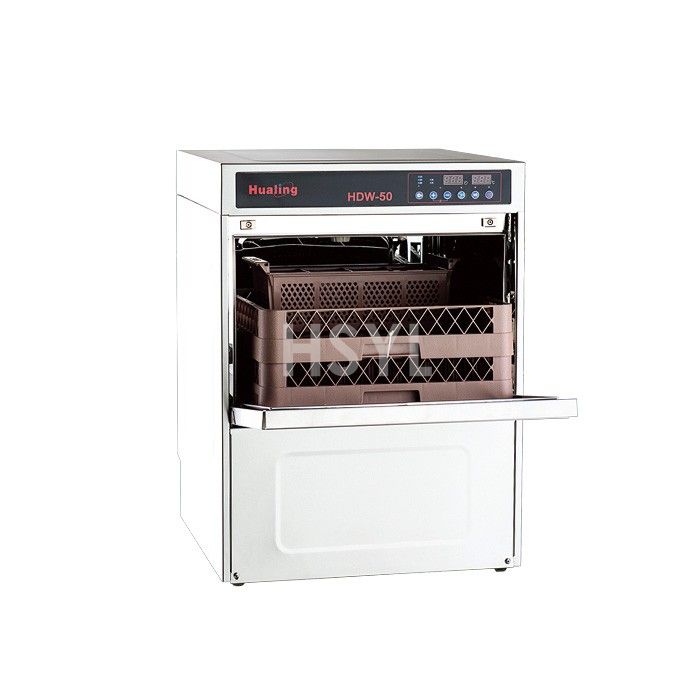
CK-HDW-50 Commercial Dishwasher
View product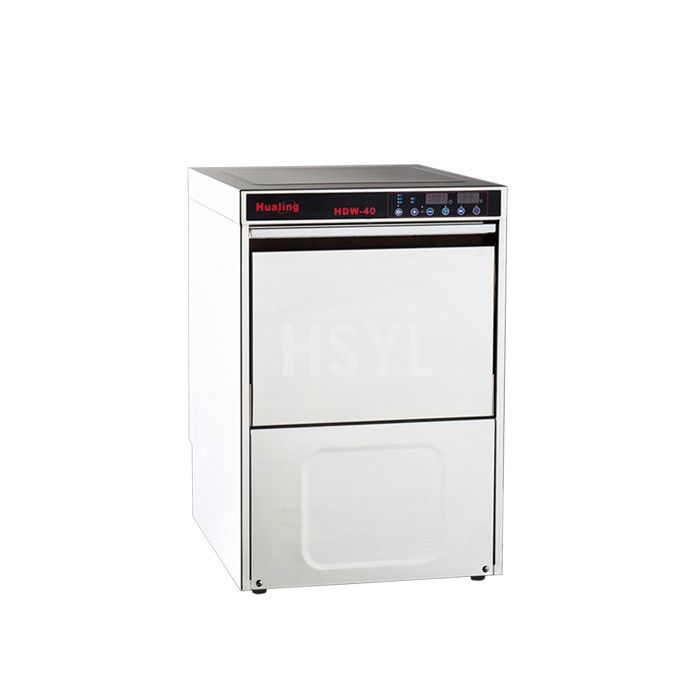
Commercial Front-Loading Glasswasher-HDW-40
View productDishwashing Equipment Questions
What size commercial dishwasher do I need for a 500-cover restaurant?
For a 500-cover restaurant with a two-hour service window, plan for approximately 250-300 racks per hour. A high-hood single-rack machine can handle this comfortably. The key is not the number of covers but the rack return pattern — if all racks arrive in a 30-minute post-service window, you need a larger surge capacity or a conveyor model.
Hood-type vs conveyor dishwasher — which one is right for my kitchen?
Hood-type machines suit operations processing 60–180 racks per hour with a single operator. They occupy minimal floor space and are cost-effective for restaurants, cafés and small canteens. Conveyor systems are necessary above 200 racks per hour — typical in hospital tray return, airline catering and central kitchen warewashing. The decision comes down to your hourly rack count and whether you can stage dirty ware or need continuous feed.
What water quality standards are required for a commercial dishwasher?
Water hardness should be below 3 °dH for the final rinse circuit; higher hardness causes scale on heating elements and spotty glassware. A water softener is specified as part of the machine installation. Incoming pressure must be 2–4 bar dynamic, and the final rinse temperature must reach a minimum of 82 °C at the nozzle for thermal sanitisation per most international health codes.
Planning & Selection Resources
Plan Your Kitchen with an Engineering Team
Send your menu, meal volume, floor plan and utility conditions. We will identify the equipment logic, layout questions and technical data required before quotation.