Commercial Cooking Equipment Manufacturer
Our cooking equipment is specified by duty cycle, matched to your menu volume and utility availability. Whether the requirement is high-speed combi cooking for a hospital tray line, batch steaming for a 5 000‑meal central kitchen, or tilting braising pans for multi‑menu restaurant production, every unit is configured around your actual production task—burner count, chamber size, power rating and control logic all selected to fit how you cook.
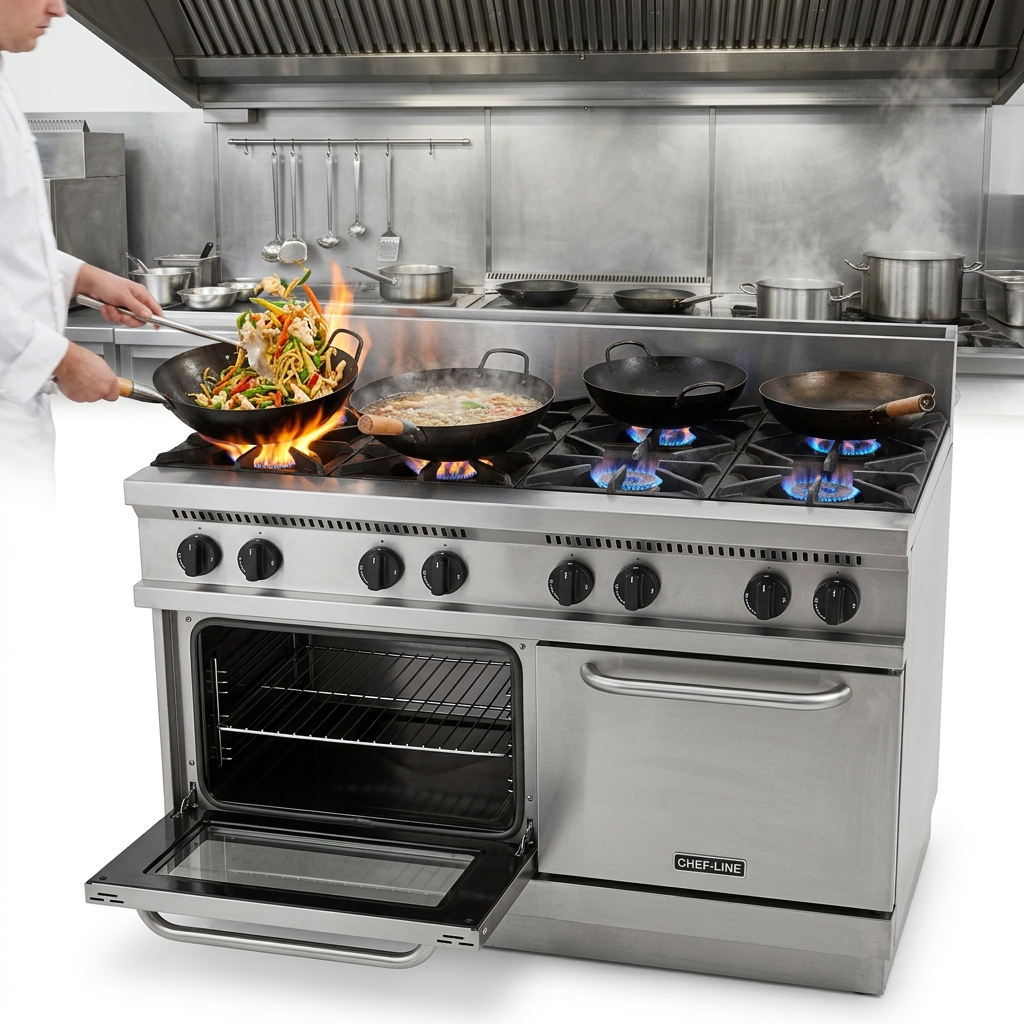
Specify the Duty Before Selecting the Model
Commercial cooking specification follows five decision points unique to thermal equipment:
- Burner power, chamber size and GN pan format — matched to batch volume and menu type
- Energy source and local supply conditions — gas pressure, electrical phase, steam availability
- Exhaust and ventilation load — hood capture area, ducting route, make‑up air balancing
- Service access and cleaning clearance — front‑load only or pass‑through for clean/dirty separation
- Control logic and programmability — multi‑stage recipes, HACCP core‑temperature logging
Commercial Cooking Equipment
Final model and specification are confirmed after application review.
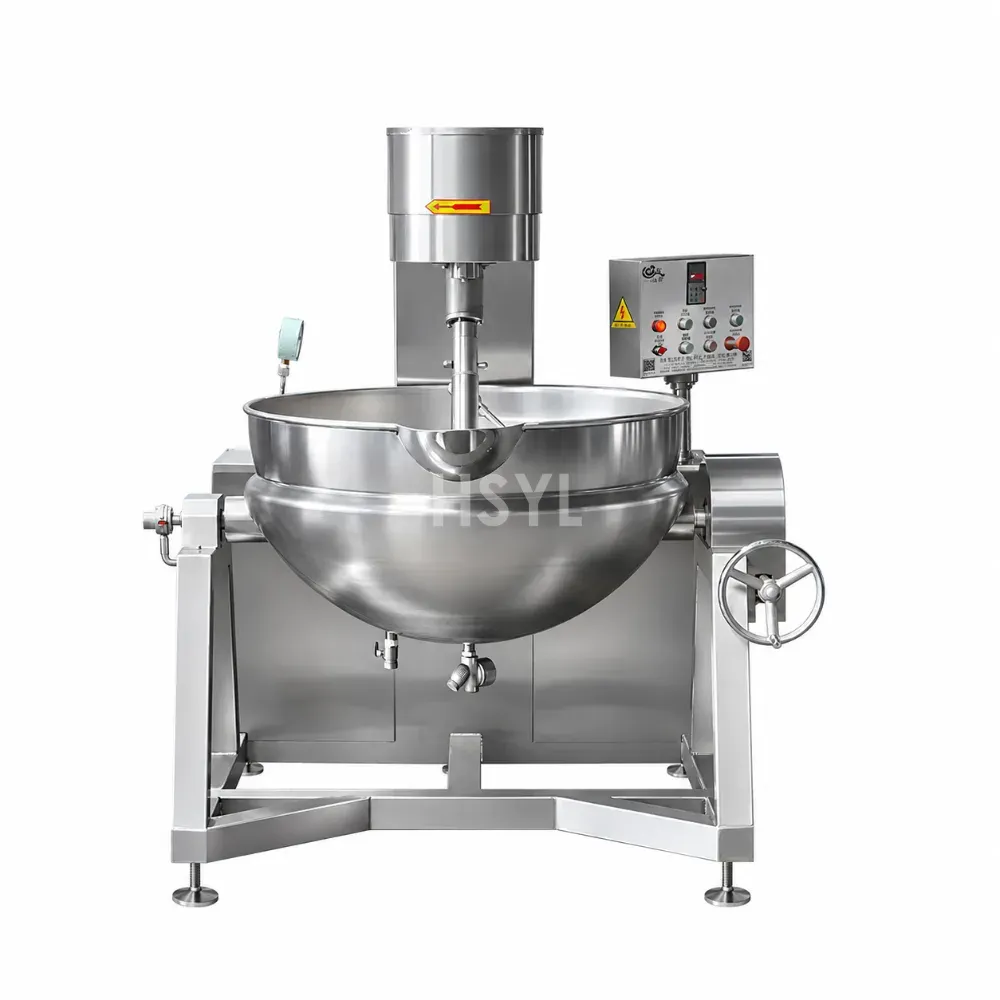
Tilting Braising Pans for Batch Cooking
View product
Commercial Steam-Jacketed Tilting Kettle Series
View product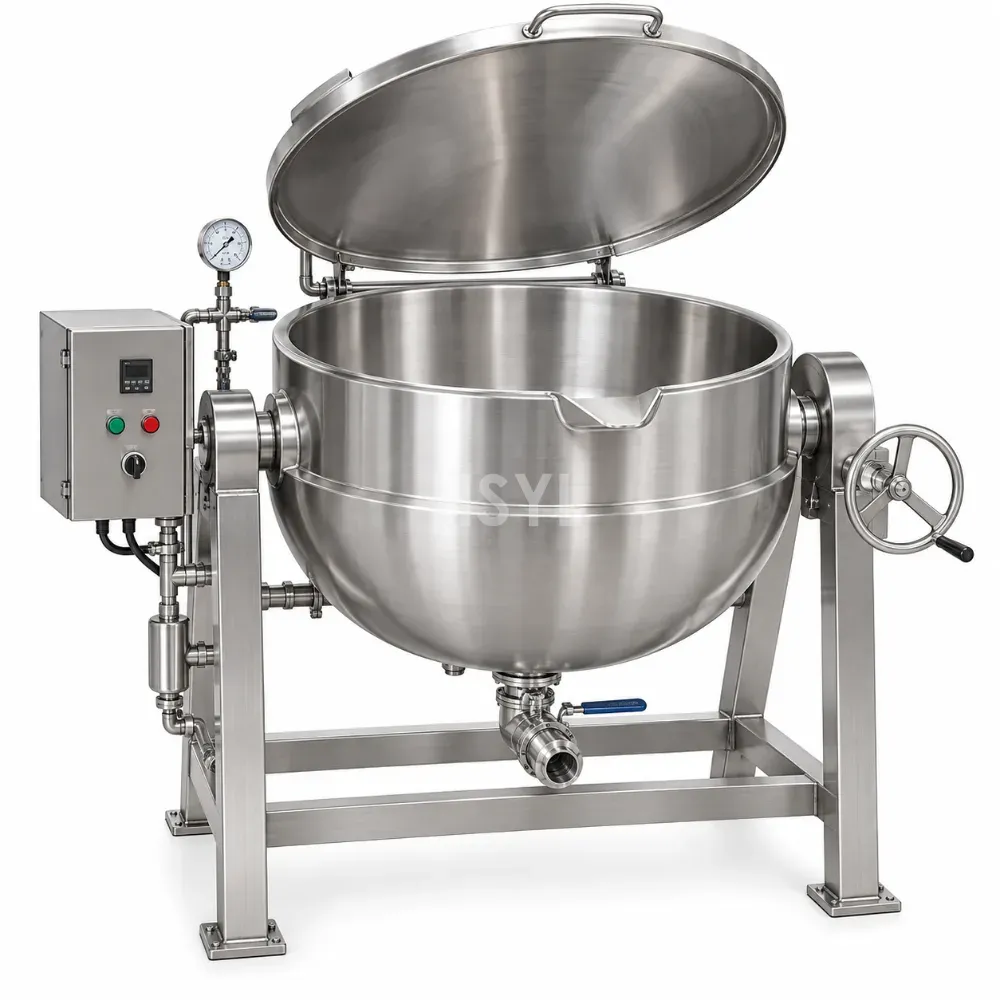
Steam Jacketed Kettles for High-Volume Batch Cooking
View product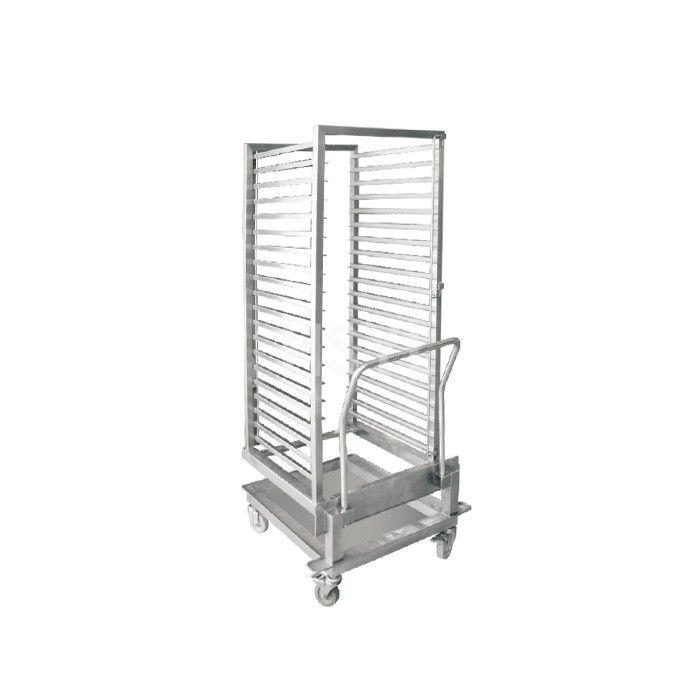
Commercial Steamers & Steamer Cabinets
View product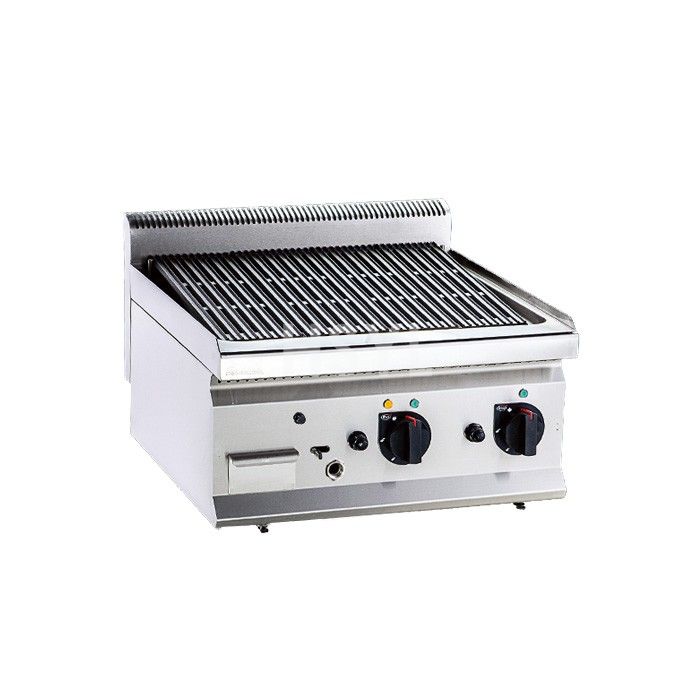
Commercial Charbroilers & Gas Grills
View product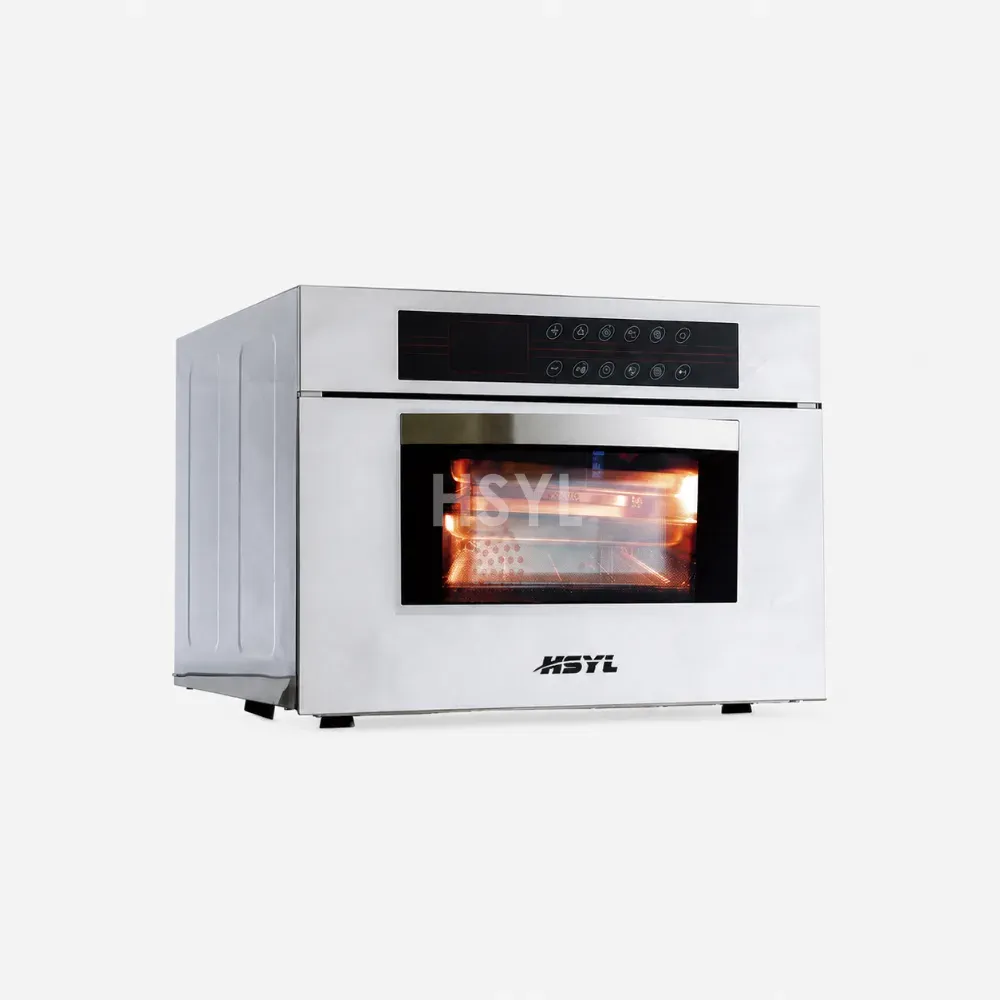
Commercial Ovens for Professional Kitchens
View product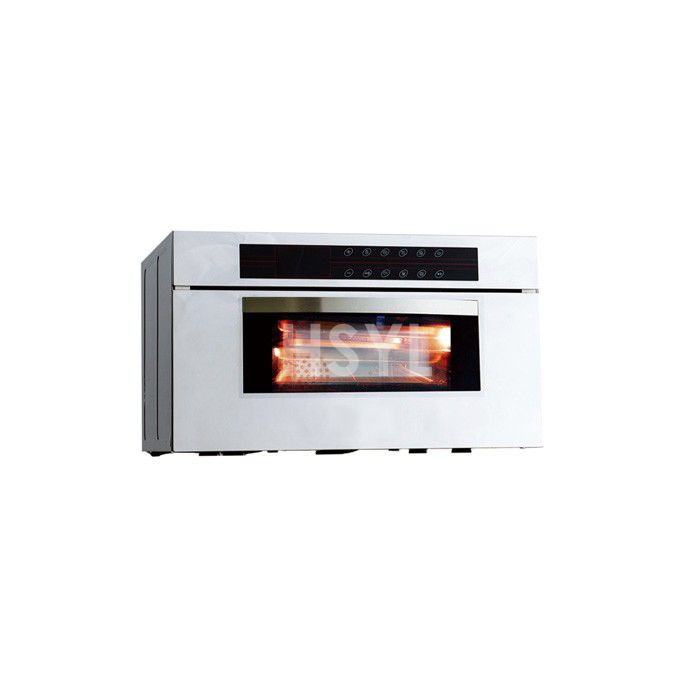
Commercial Combi Ovens
View product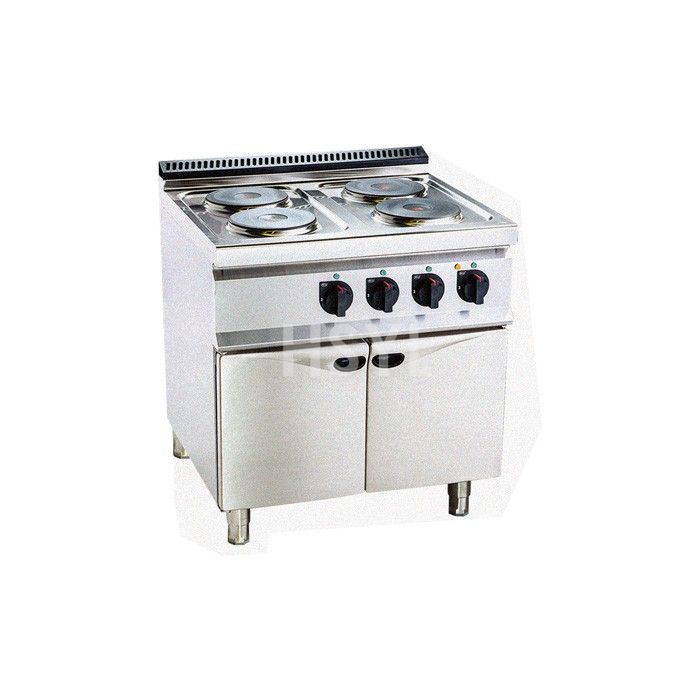
Commercial Ranges for Professional Kitchens
View product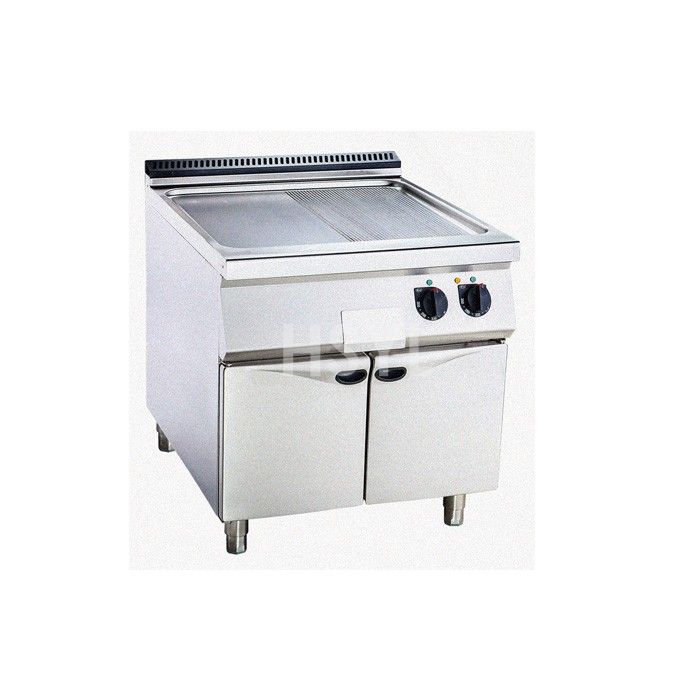
Commercial Griddle Models
View product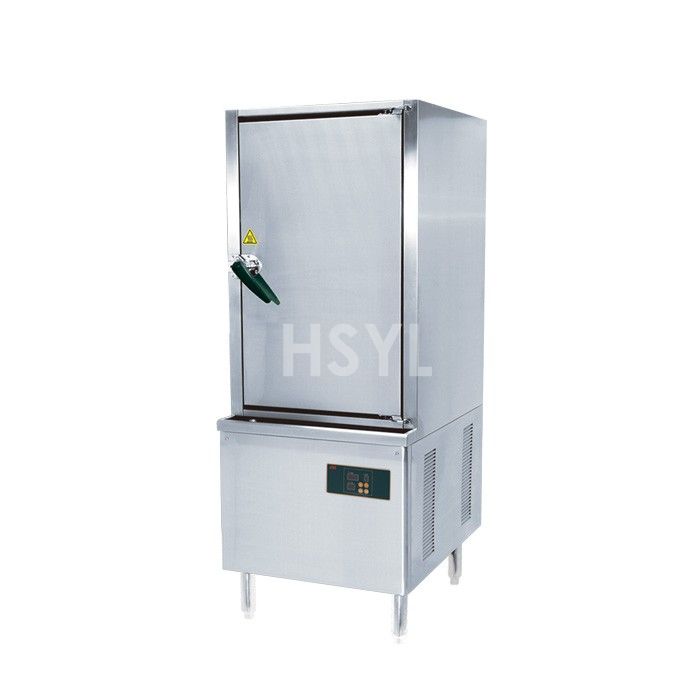
HSO Electric and Gas Steamer Cabinet Range
View product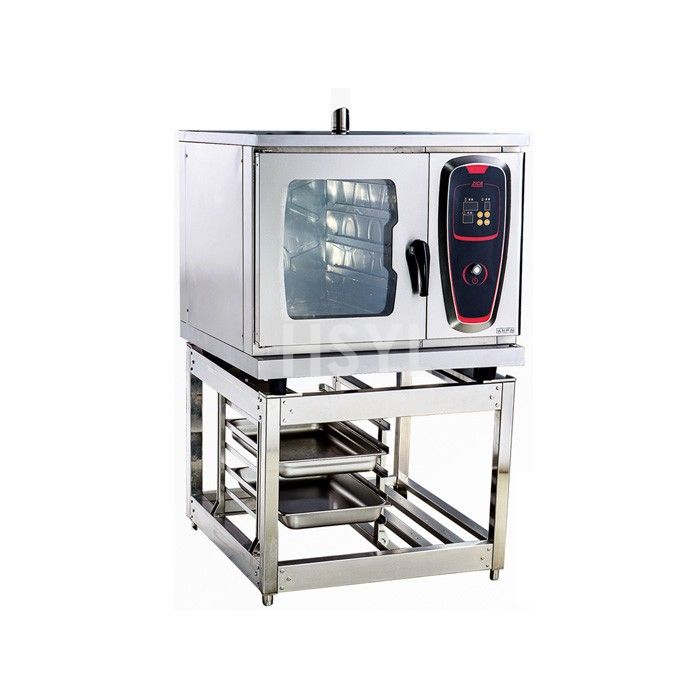
HSC Intelligent Steamer Cabinet Range
View product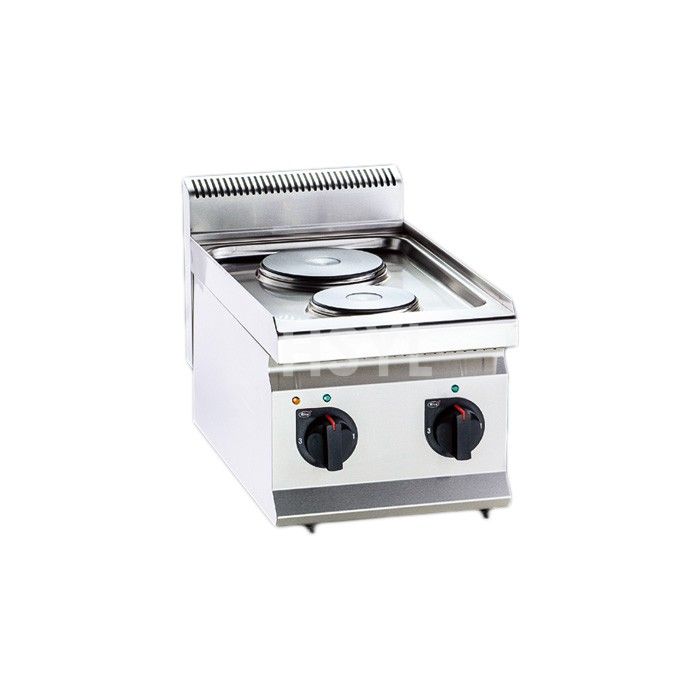
HS6035E 600-Series Countertop Cooking Equipment
View productCooking Equipment Questions
What type of cooking equipment suits a central kitchen processing 3,000 meals per shift?
The answer depends on your menu, not the meal count alone. A rice‑heavy Asian menu typically needs high‑capacity steam cabinets and tilting braising pans; a Western multi‑choice menu often requires combi ovens and modular range suites. We configure the equipment matrix around your actual production schedule, batch timing and utility availability — not around a generic throughput number.
Gas or electric — which is the better choice for commercial cooking equipment?
The decision is driven by three factors: local energy cost and supply stability, the cooking process itself (braising and wok cooking prefer gas; combi‑steam prefers electric precision), and the building's ventilation capacity. We recommend a dual‑energy kitchen where possible — gas for high‑heat batch work, electric for controlled overnight cooking and combi programmes.
How long does it take to manufacture a custom‑configured cooking line?
A standard‑configuration unit (existing drawings, no custom dimension changes) typically ships within 4–6 weeks. Custom‑configured lines with modified chamber sizes, burner counts or multi‑stage control integration usually require 8–14 weeks depending on the electrical design and approval cycle. We always confirm lead time against the specific BOM, not against a catalogue promise.
Planning & Selection Resources
Plan Your Kitchen with an Engineering Team
Send your menu, meal volume, floor plan and utility conditions. We will identify the equipment logic, layout questions and technical data required before quotation.