Food Preparation Equipment Manufacturer
Preparation equipment is selected by raw material type, cut specification, batch size and cleaning protocol — not by catalogue capacity. A vegetable preparation machine serving a central kitchen processing two tonnes of mixed vegetables daily needs a different cutter set, hopper configuration and discharge height than one for a 200‑cover restaurant. Similarly, meat slicers, planetary mixers and ancillary preparation tools are specified around the actual ingredient, production volume, shift pattern and wash‑down routine.
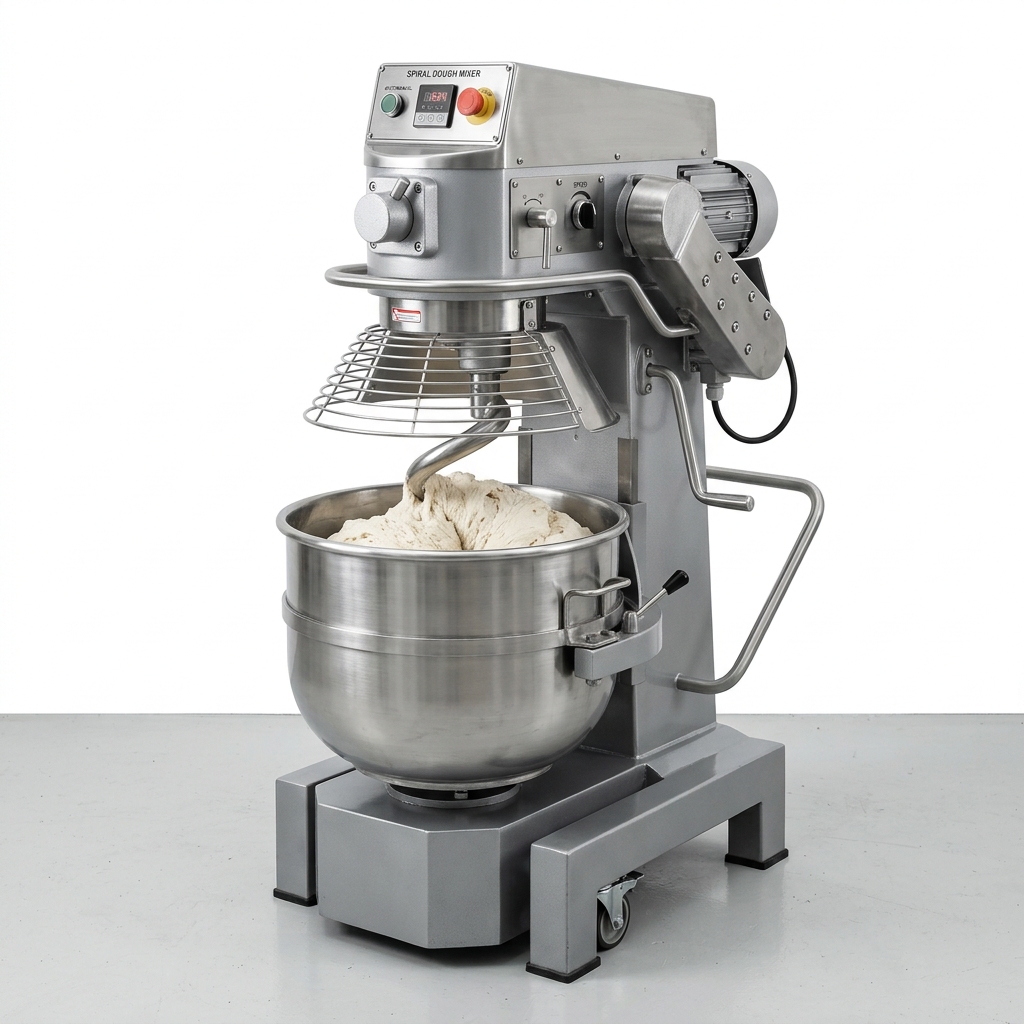
Specify the Ingredient Before Selecting the Model
Food preparation specification follows five decision points unique to processing equipment:
- Raw material type and condition — leafy, root, frozen, boneless, bone‑in, dough
- Cut specification — dice, slice, julienne, shred or mince; dimension tolerance in mm
- Batch size and shift pattern — kg per batch, batches per shift, continuous or intermittent
- Wash‑down protocol — IP rating requirement, hose‑down vs wipe‑down, chemical resistance
- Discharge height and container interface — GN pan, trolley or conveyor take‑away
Food Preparation Equipment
Final model and specification are confirmed after application review.
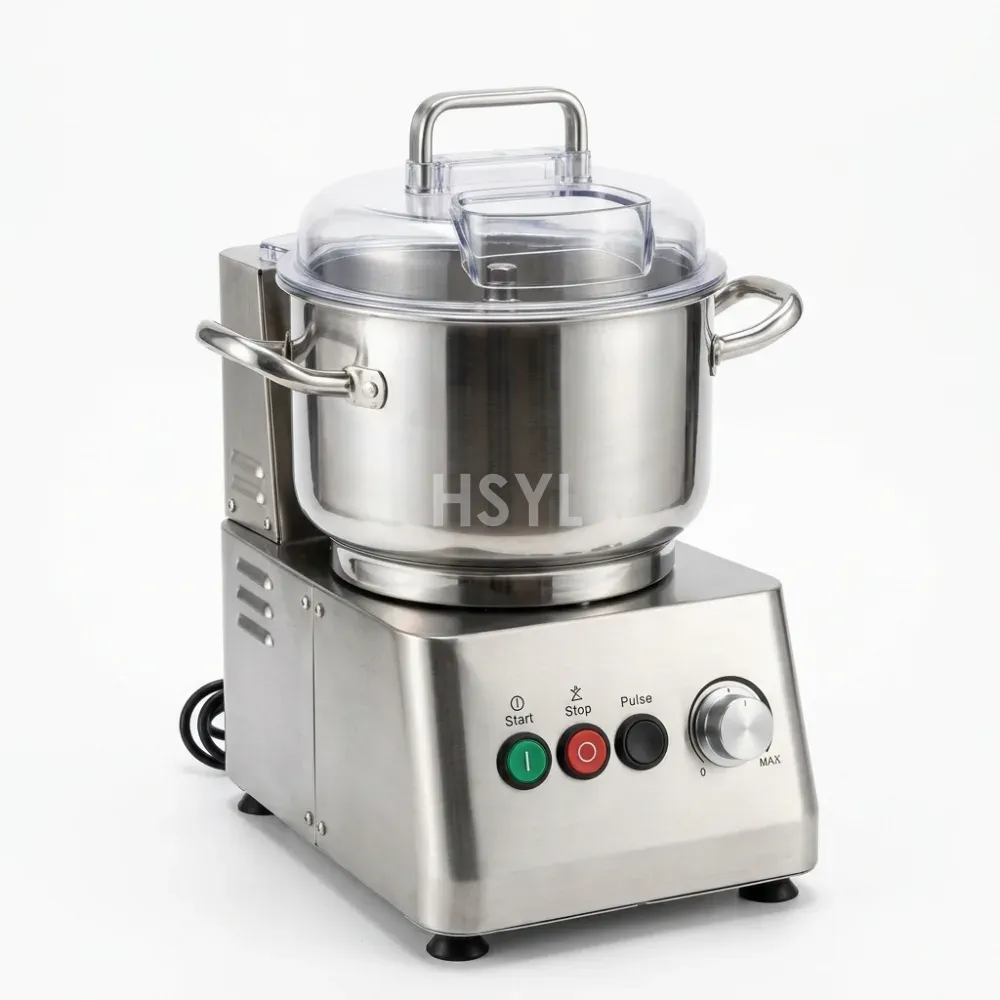
Commercial Food Processors
View product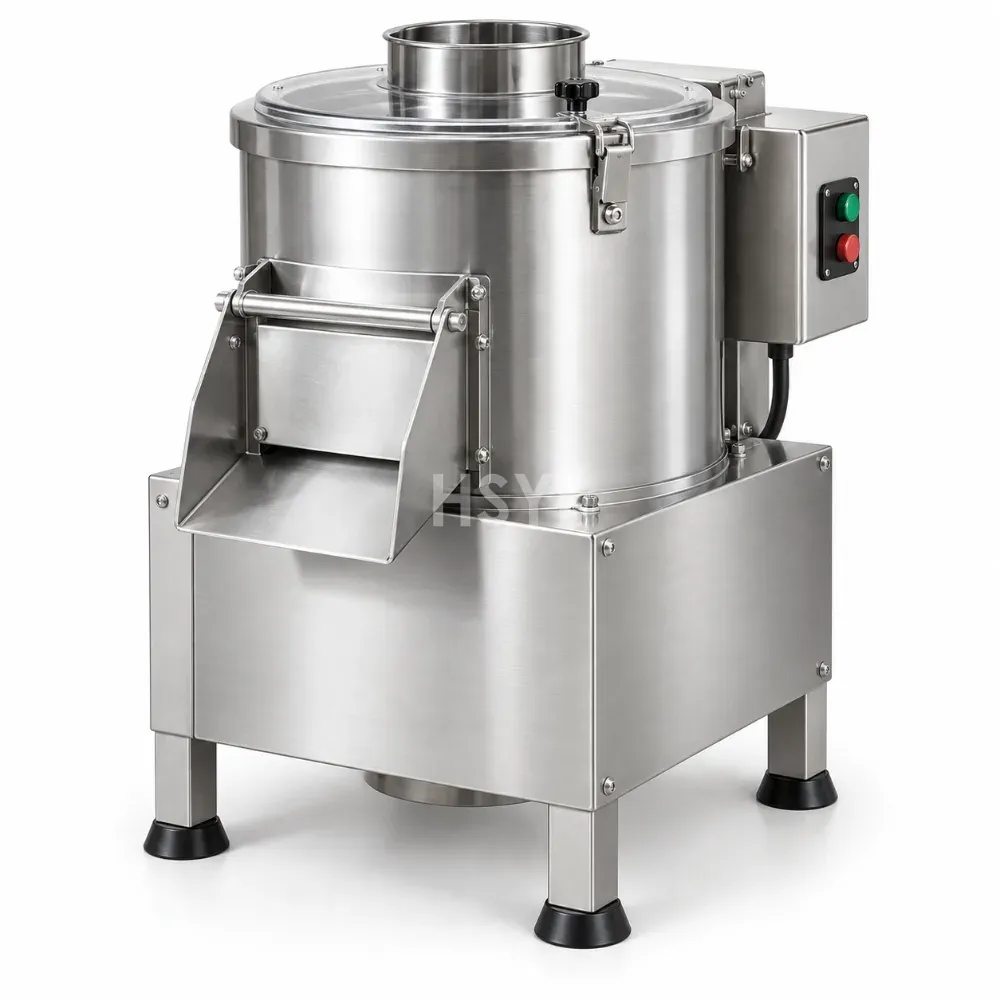
Commercial Potato Peelers
View product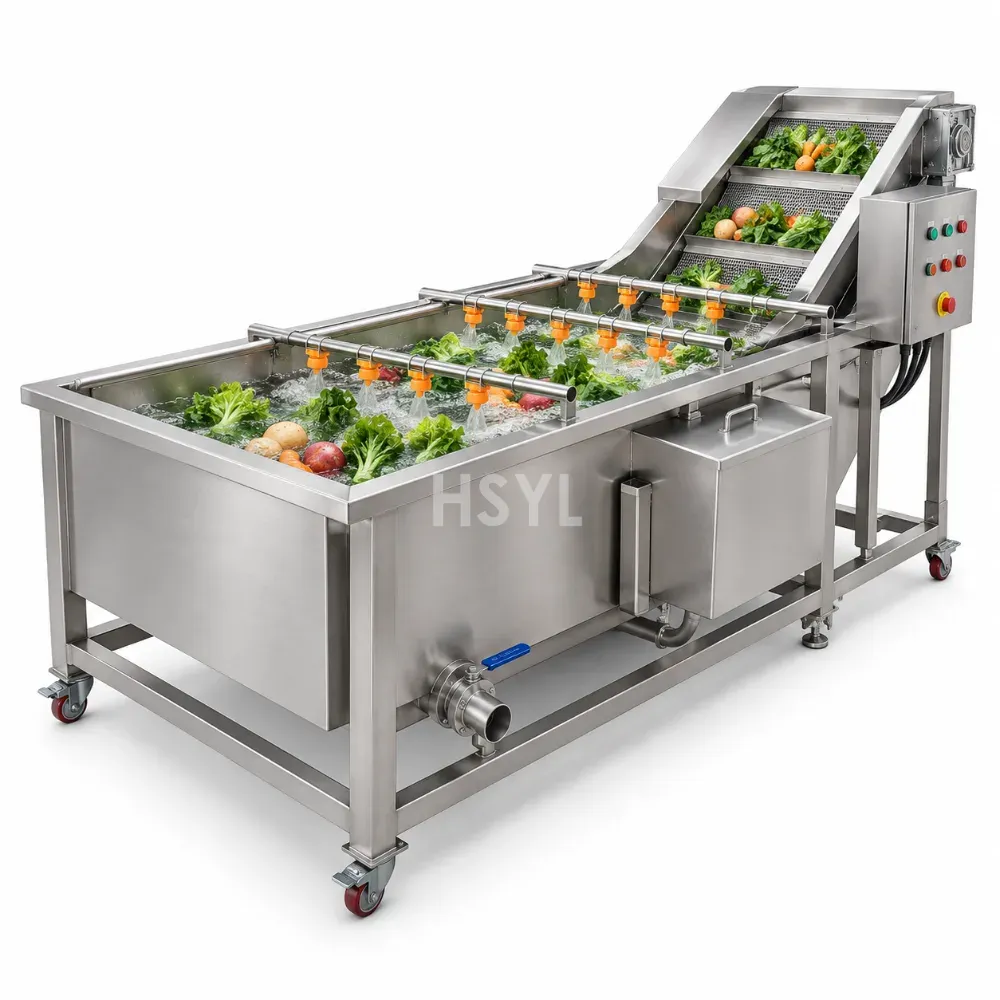
Commercial Vegetable Washers
View product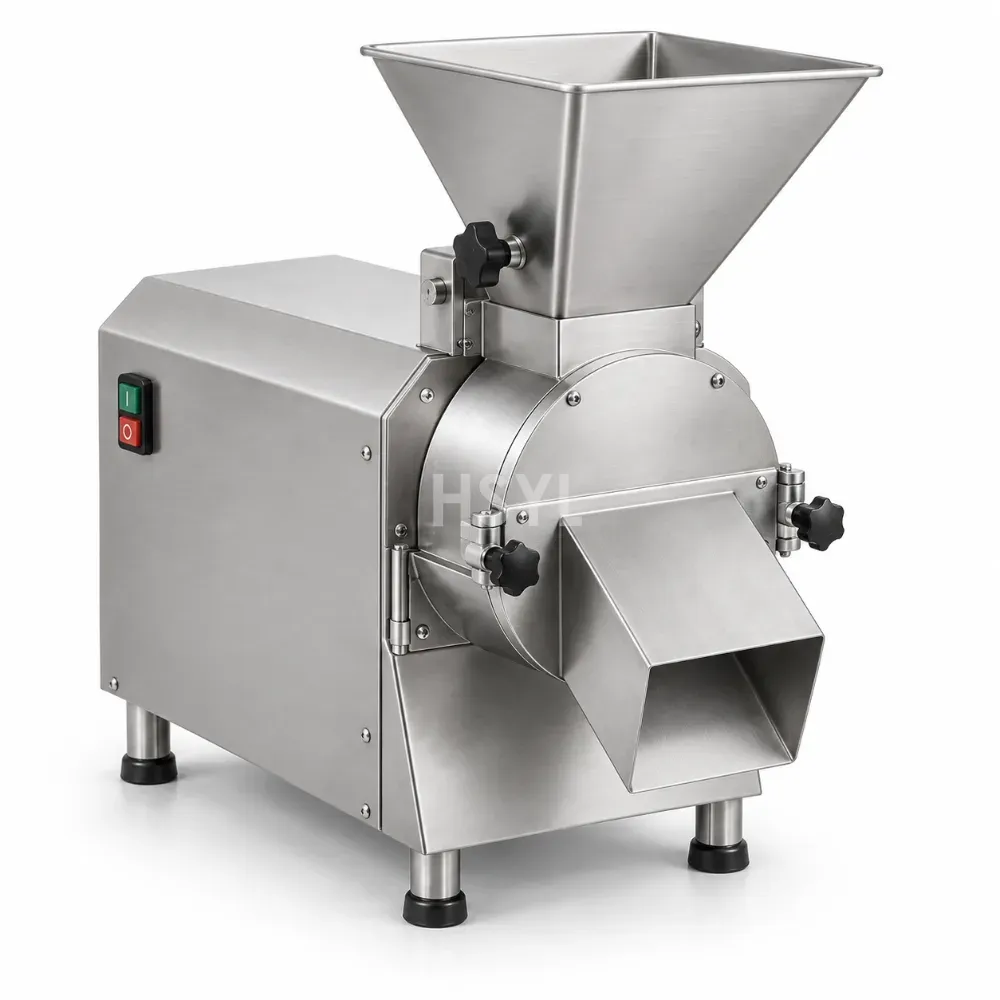
Commercial Vegetable Cutters
View product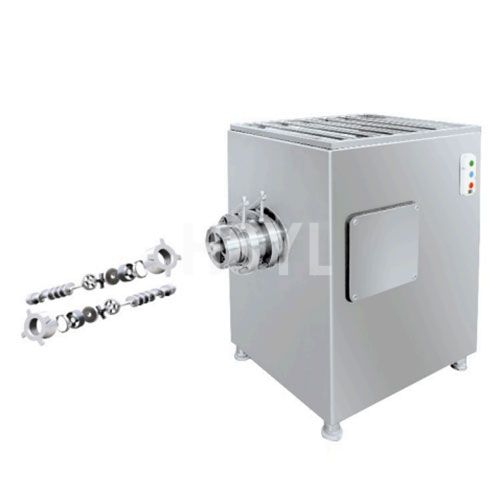
Commercial Meat Grinders
View product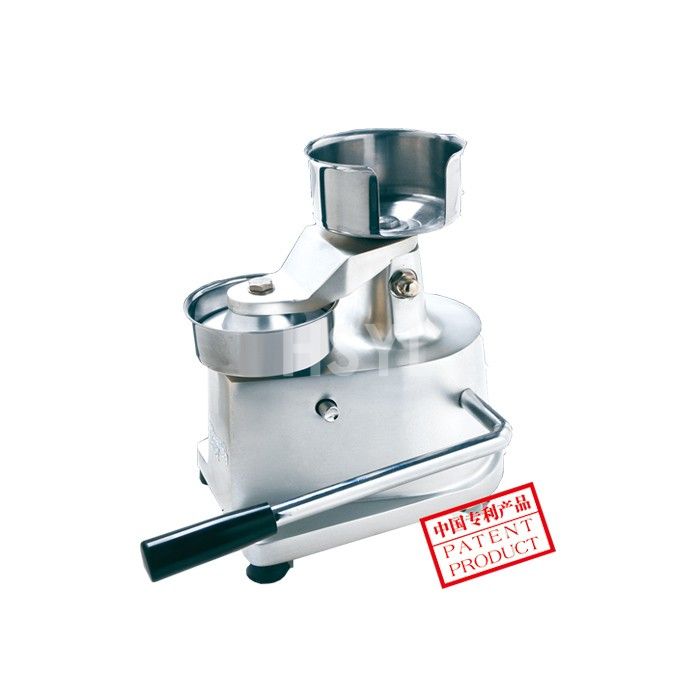
Commercial Hamburger Presses
View product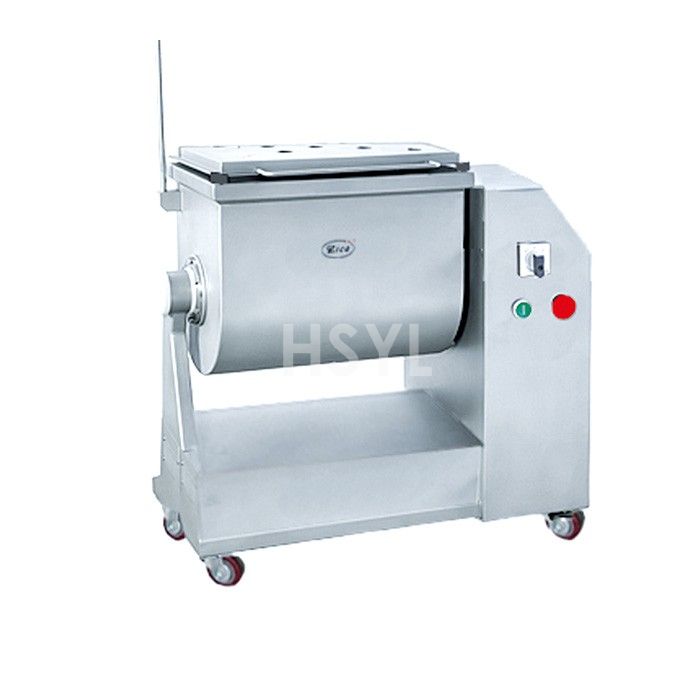
Commercial Meat Mixers
View product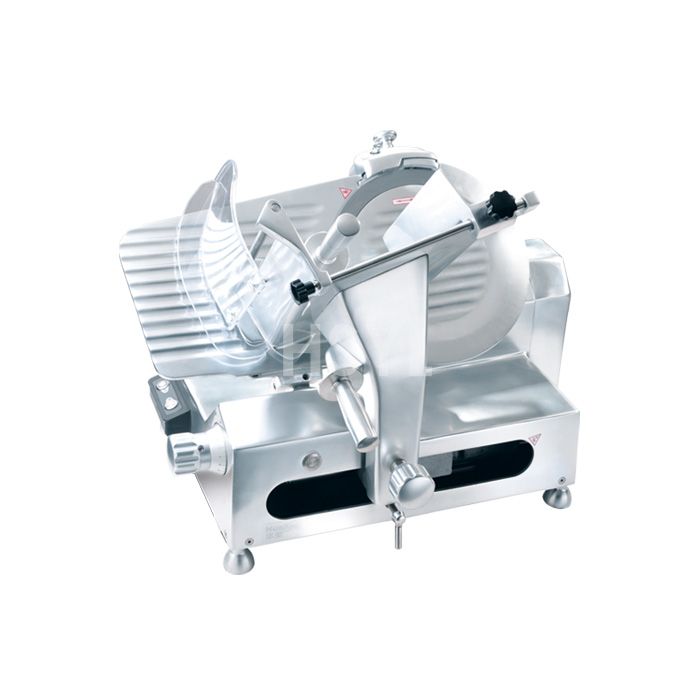
Commercial Meat Slicers
View product
HLM-100 Commercial Meat Mixer
View product
Commercial Hamburger Press-HF-100/130
View product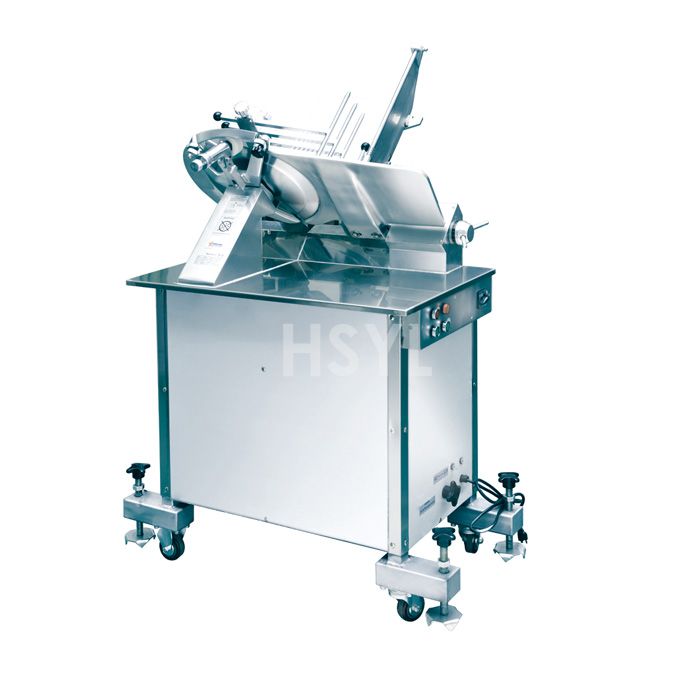
Commercial Meat Slicer-FP-HB-350400
View product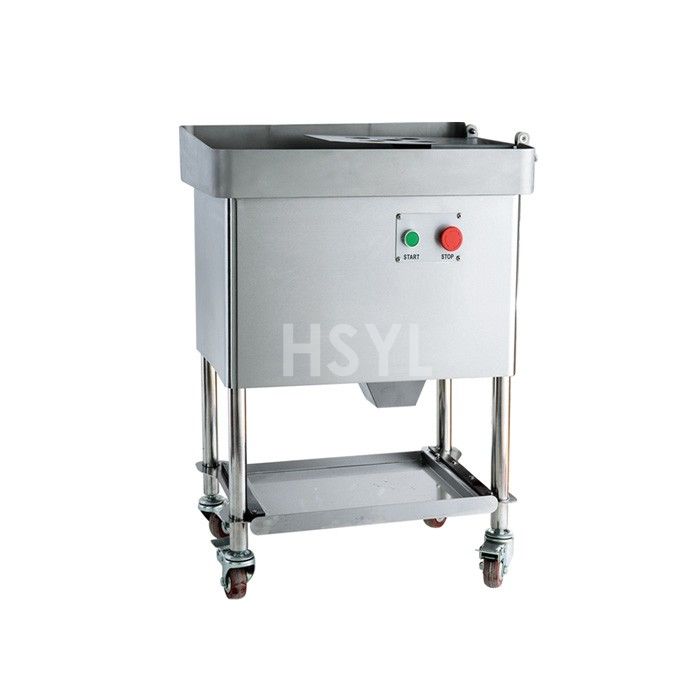
Commercial Meat Slicer-HCS500
View productFood Preparation Equipment Questions
How do I choose the right vegetable preparation machine capacity?
Start with your daily vegetable volume in kg, not the number of covers. A machine rated at 300 kg/hour can process 300 kg of potatoes for dicing — but only approximately 120 kg/hour of leafy vegetables for shredding. Always verify the rated throughput against your specific raw material. For a central kitchen processing 2 tonnes of mixed vegetables daily, we typically specify a continuous-feed model with multiple cutter sets rather than a batch machine.
Can one food preparation machine handle all cutting tasks?
A single machine with interchangeable cutter discs or grids can handle most tasks — slicing, dicing, shredding, julienne, grating — but the throughput varies significantly by disc type. For high-volume operations processing multiple cut types in the same shift, we often recommend two machines dedicated to different cut profiles (one for coarse dicing, one for fine slicing) to eliminate changeover downtime and cross-contamination risk.
What IP rating is needed for wash-down food preparation equipment?
For dry preparation areas (baking, dry goods), IP54 is adequate. For wet preparation areas washed with hoses, IP65 is the minimum. For high-pressure hot water wash-down (meat and fish preparation areas), IP66 or IP69K should be specified. Using a lower-rated machine in a wash-down zone is the most common cause of premature motor failure and warranty voiding in commercial kitchens.
Planning & Selection Resources
Plan Your Kitchen with an Engineering Team
Send your menu, meal volume, floor plan and utility conditions. We will identify the equipment logic, layout questions and technical data required before quotation.