Commercial Refrigeration Equipment Manufacturer
Cold chain equipment is sized by stored volume, pull‑down duty and workflow position — not by nominal litre capacity. Whether you need upright storage refrigerators for a central kitchen receiving bay, undercounter units integrated into a preparation island, or blast chillers for cook‑chill production with HACCP time‑temperature logging, the model is selected around your ingredient turnover, door opening frequency, ambient conditions and hygiene protocol. Refrigeration is never a stand‑alone specification: it must integrate with receiving, preparation, cooking and dispatch flows.
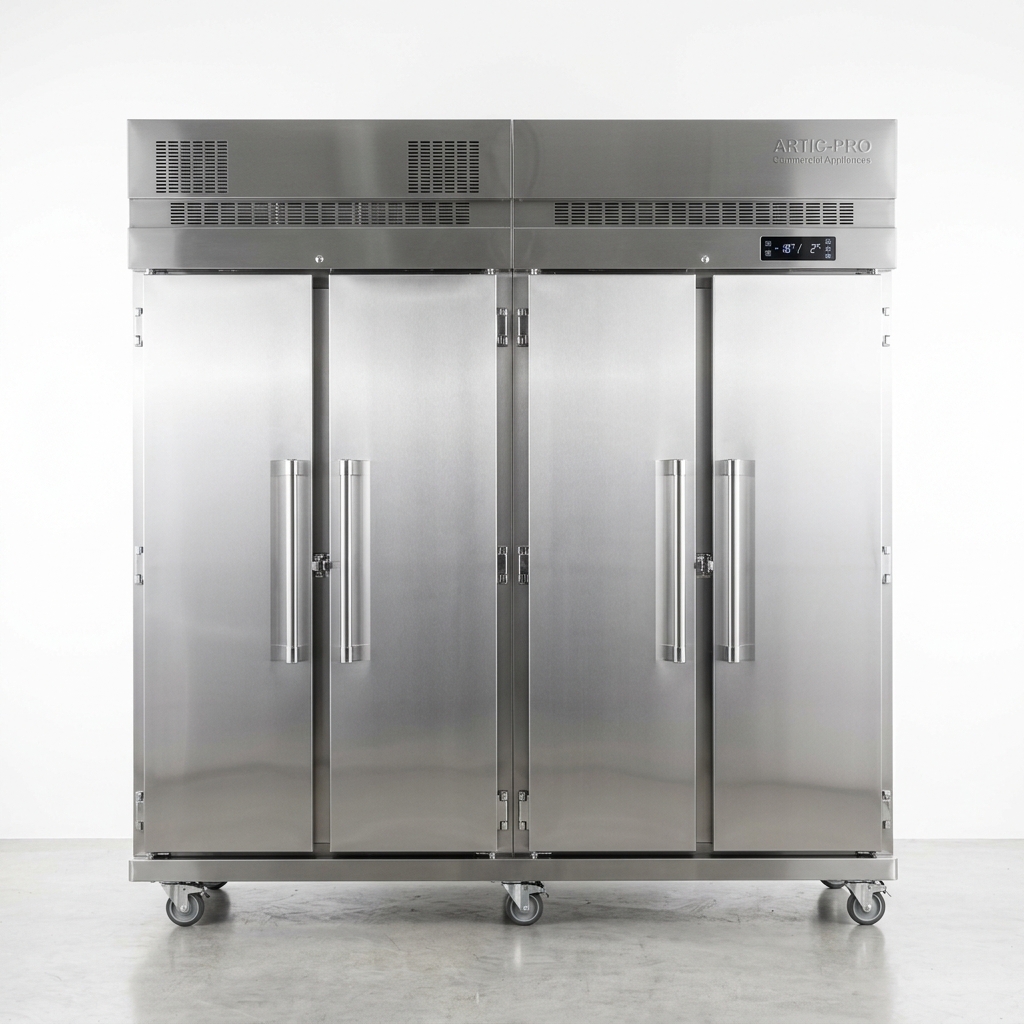
Specify the Cold Chain Before Selecting the Model
Commercial refrigeration specification follows five decision points unique to cold storage:
- Stored volume and turnover — raw ingredient volume, shelf life and pull‑down frequency
- Compressor type and ambient rating — tropicalised compressor for kitchens above 38 °C ambient
- Door configuration — solid or glass, hinged or sliding, and opening direction per workflow
- HACCP logging and alarm — temperature recording interval, probe position, remote alert capability
- Integration position — receiving bay, prep zone, cook line or dispatch area
Commercial Refrigeration Equipment
Final model and specification are confirmed after application review.
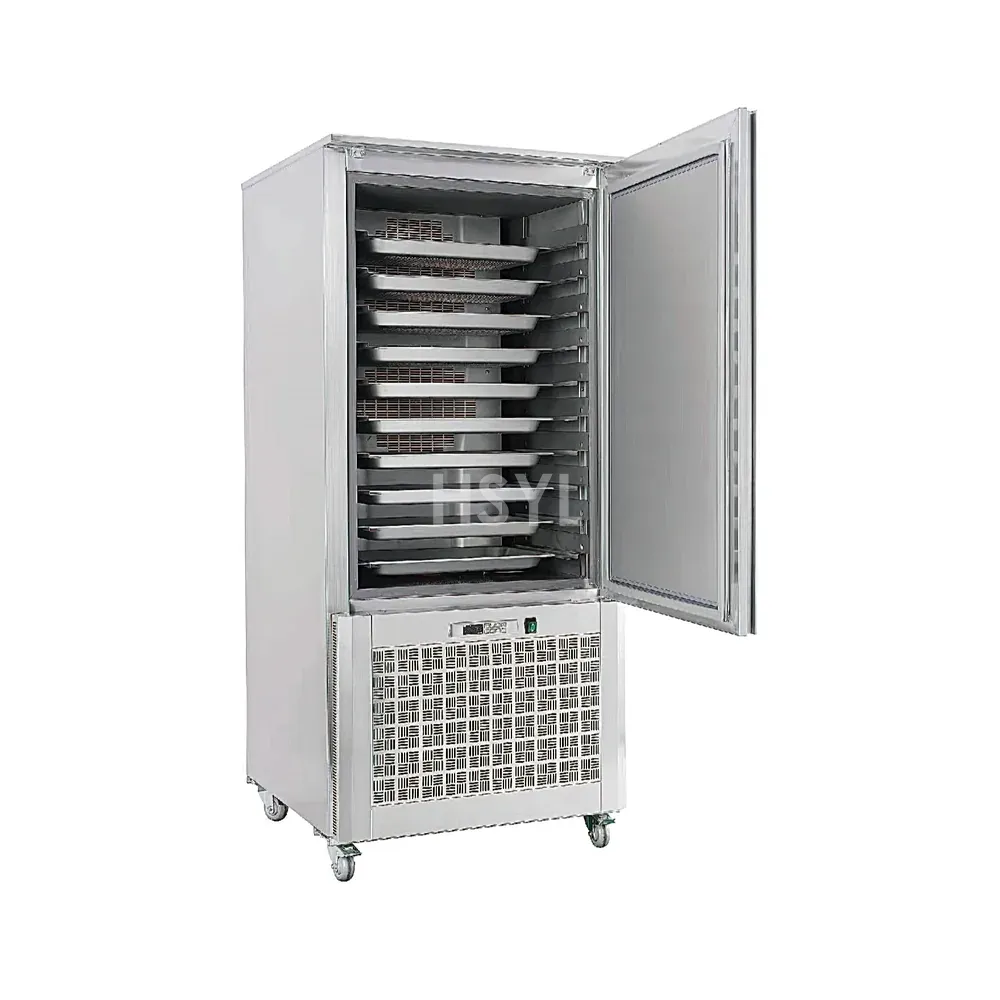
BEC Blast Chiller
View product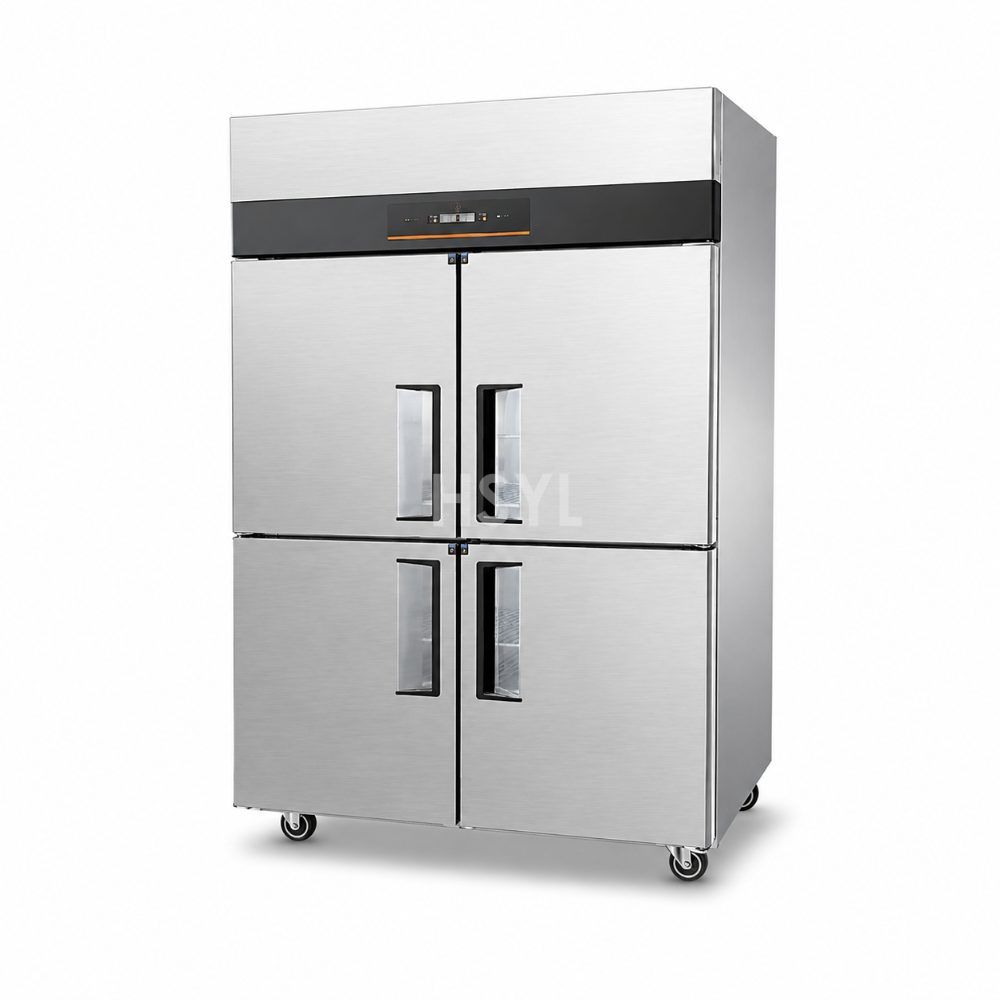
E Series Upright Refrigerator Range
View product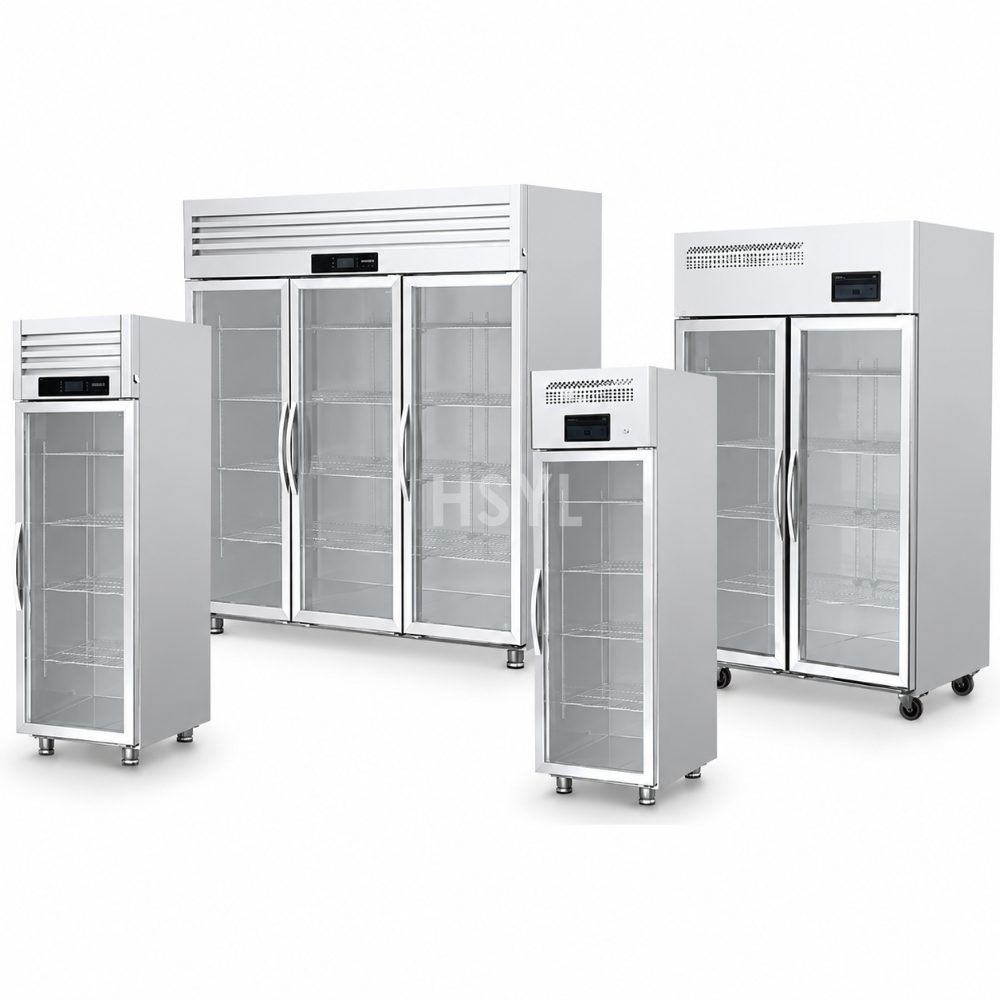
Q and S Series Direct-Cooling Display Cabinet Range
View product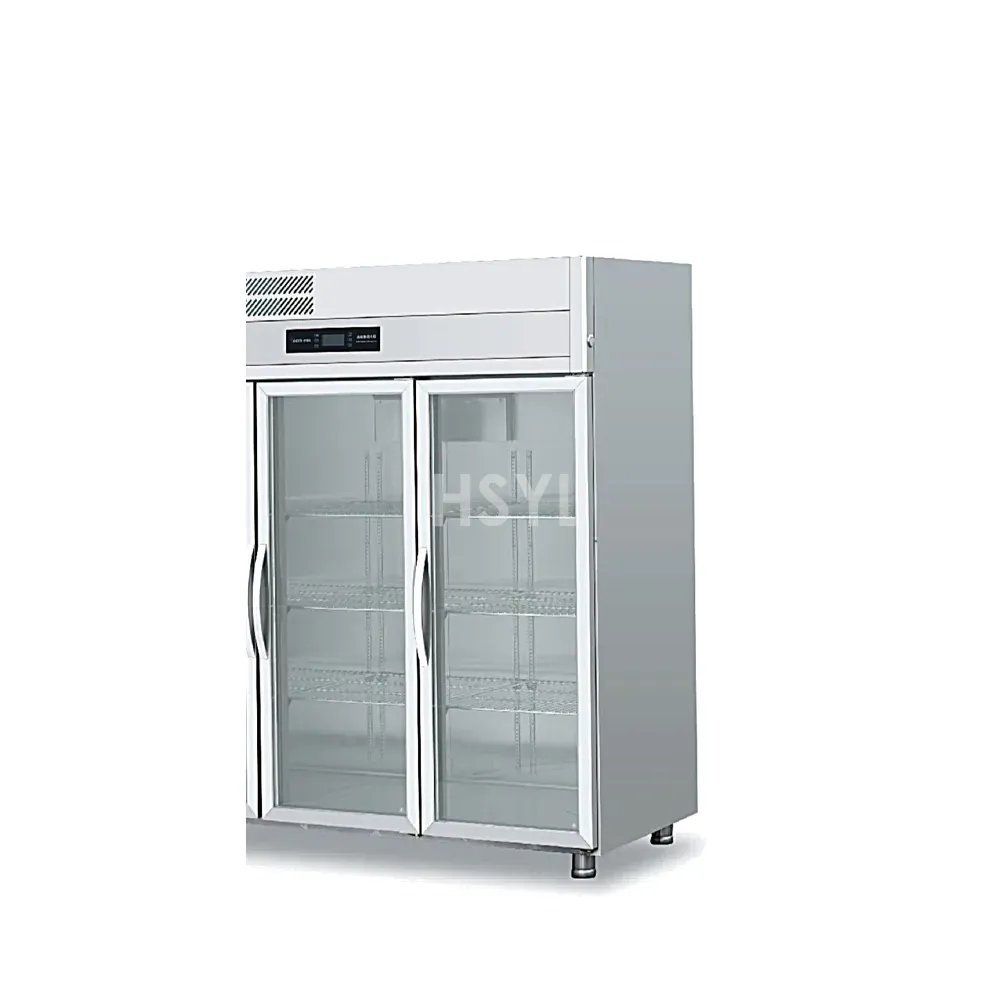
E Series Display Refrigerator Range
View product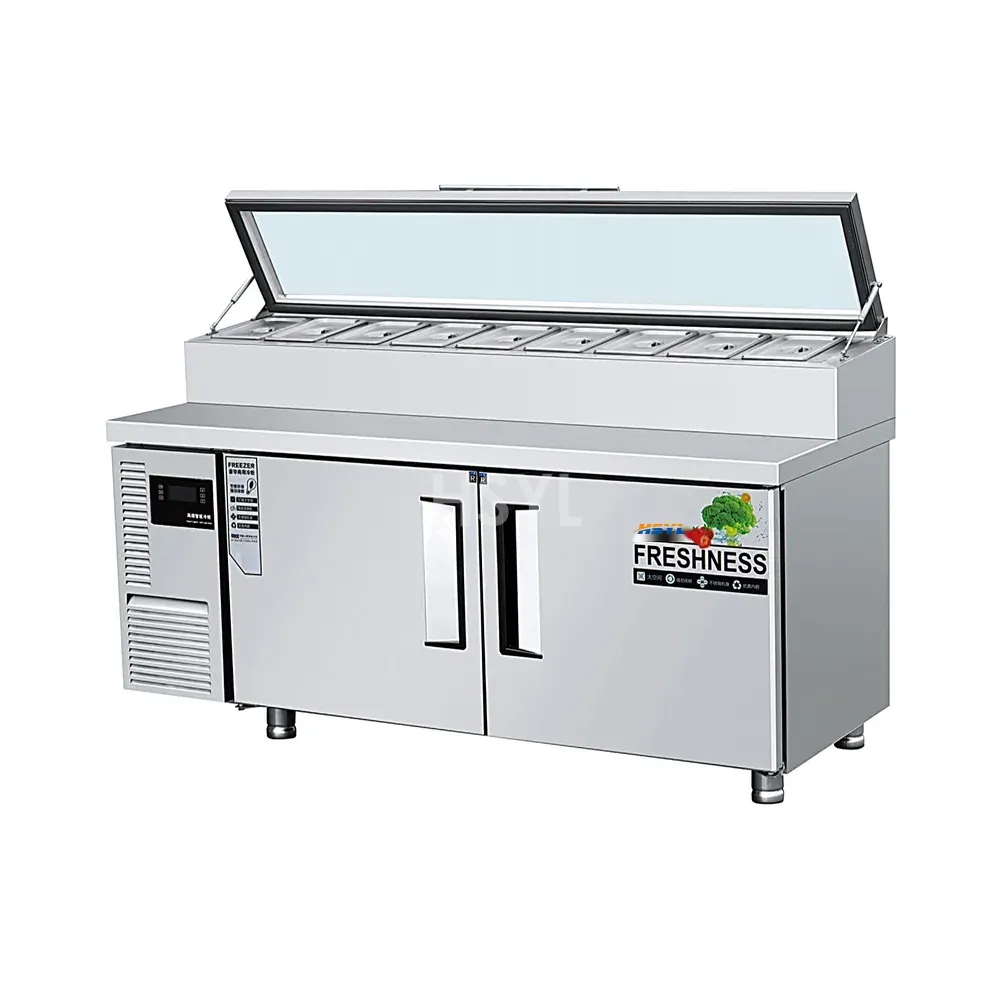
XSDUF-SALAD S Series Static Cooling Salad Table Fridge
View product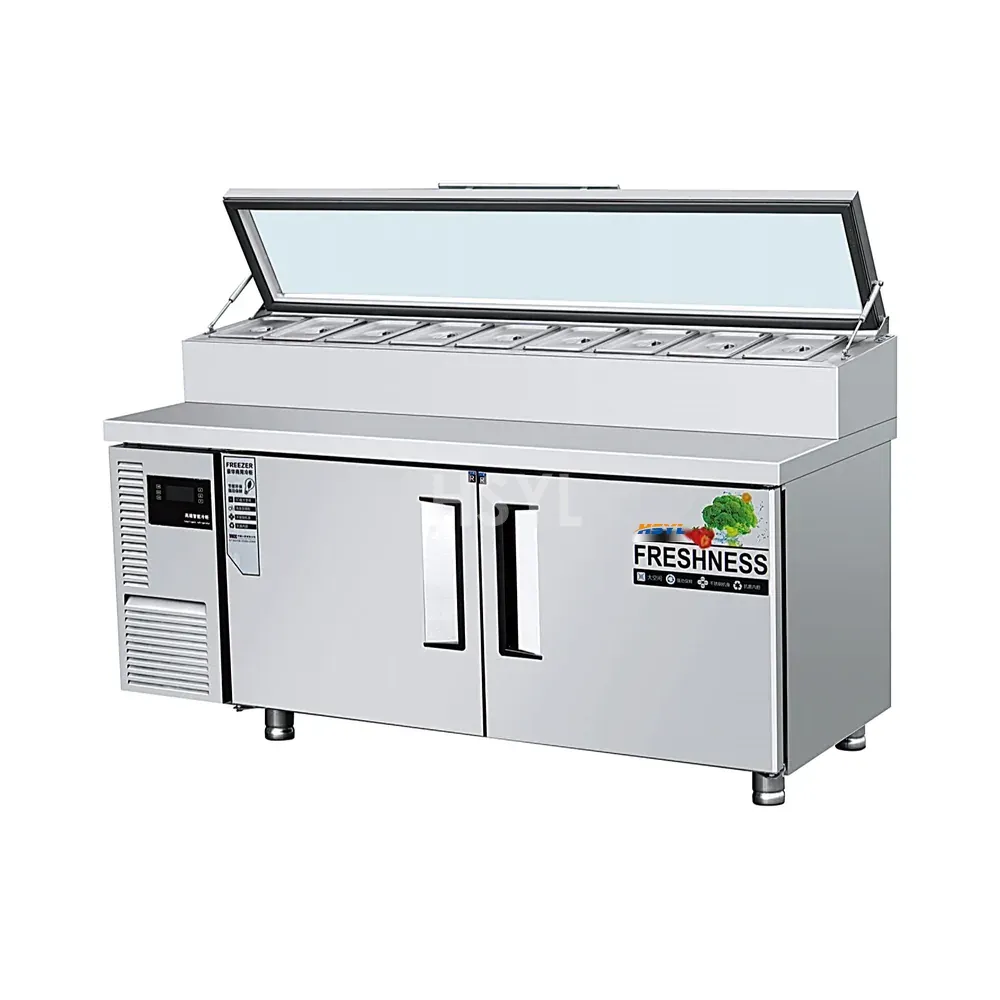
ECUR-EDTR Fan Cooling E Series Salad Table Fridge
View product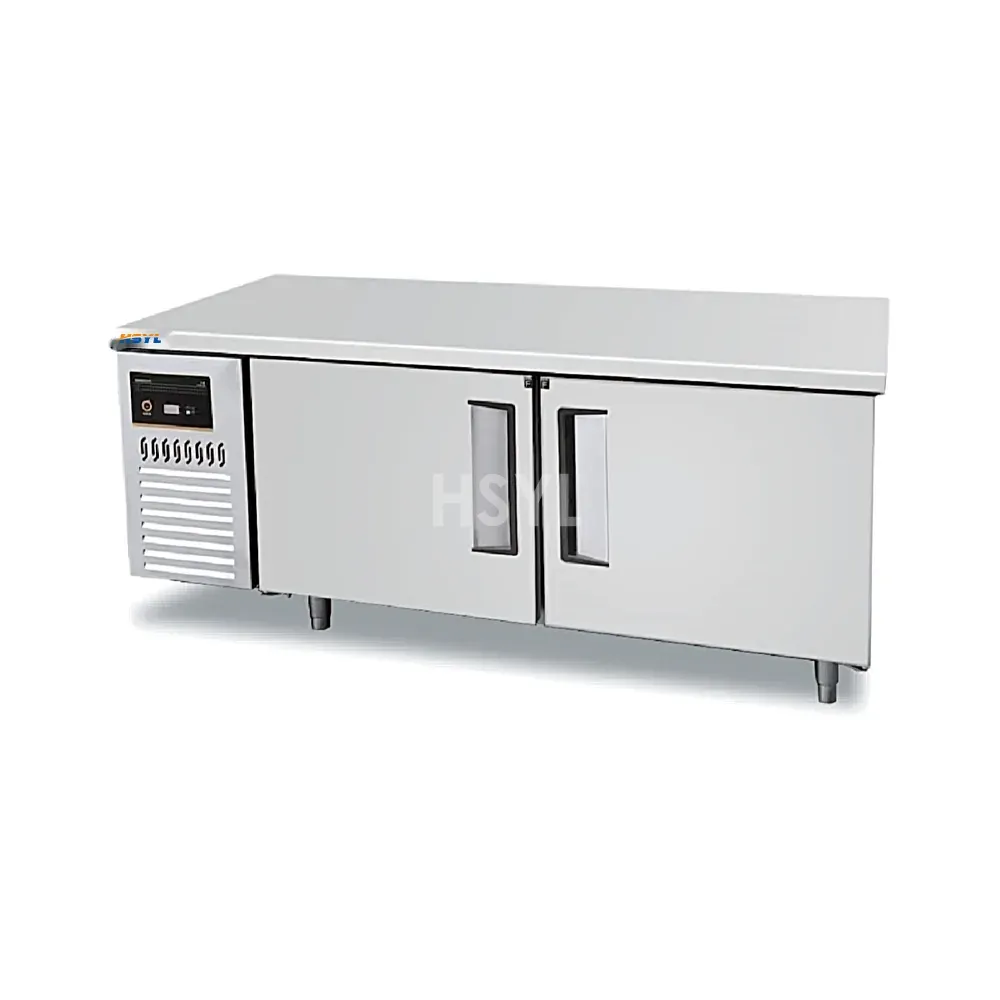
QDUF and XSDUF Direct-Cooling Workbench Freezers
View product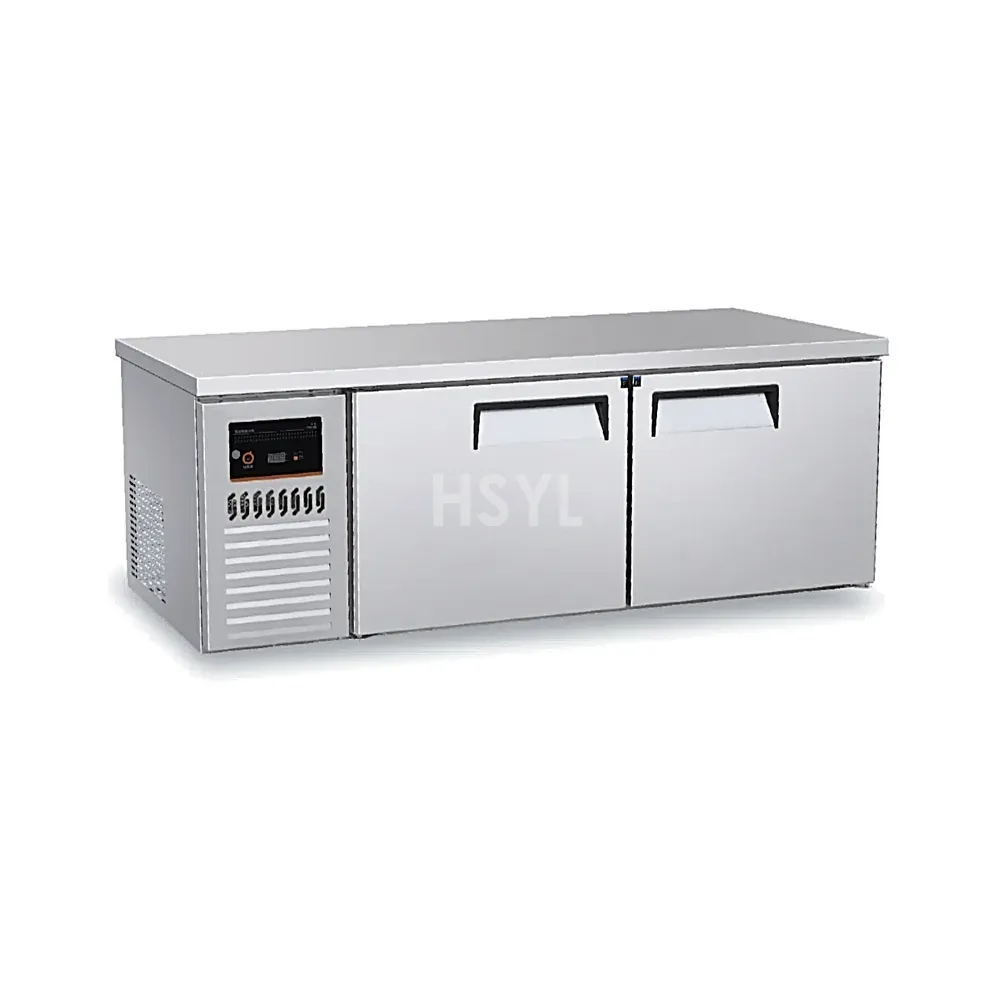
Direct-Cooling Workbench Refrigerators-QDUR and XSDUR
View product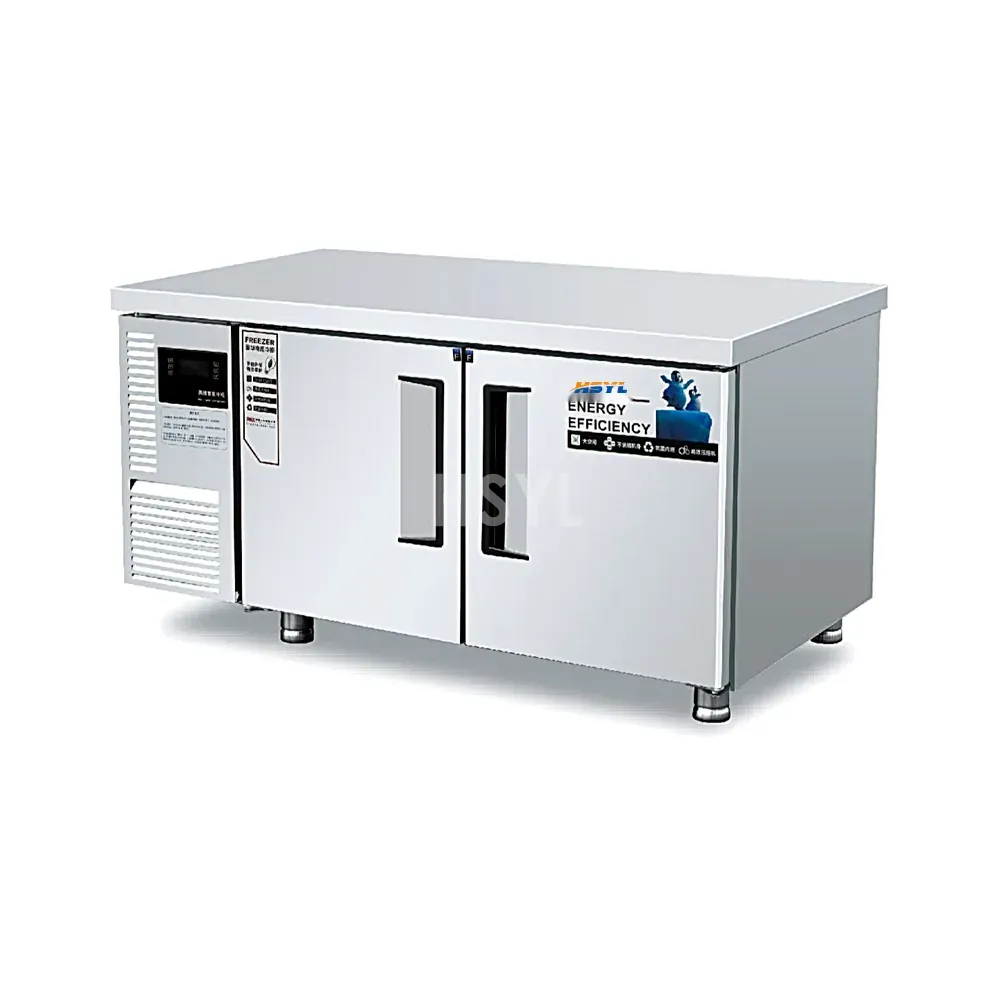
E Series Workbench Refrigerator and Freezer Range
View product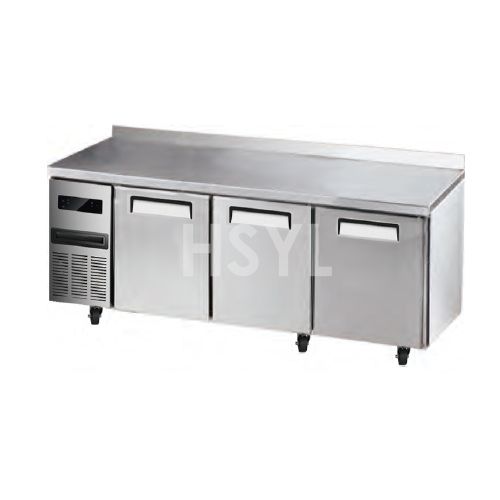
Commercial Undercounter Cabinets-A2R-A2F
View product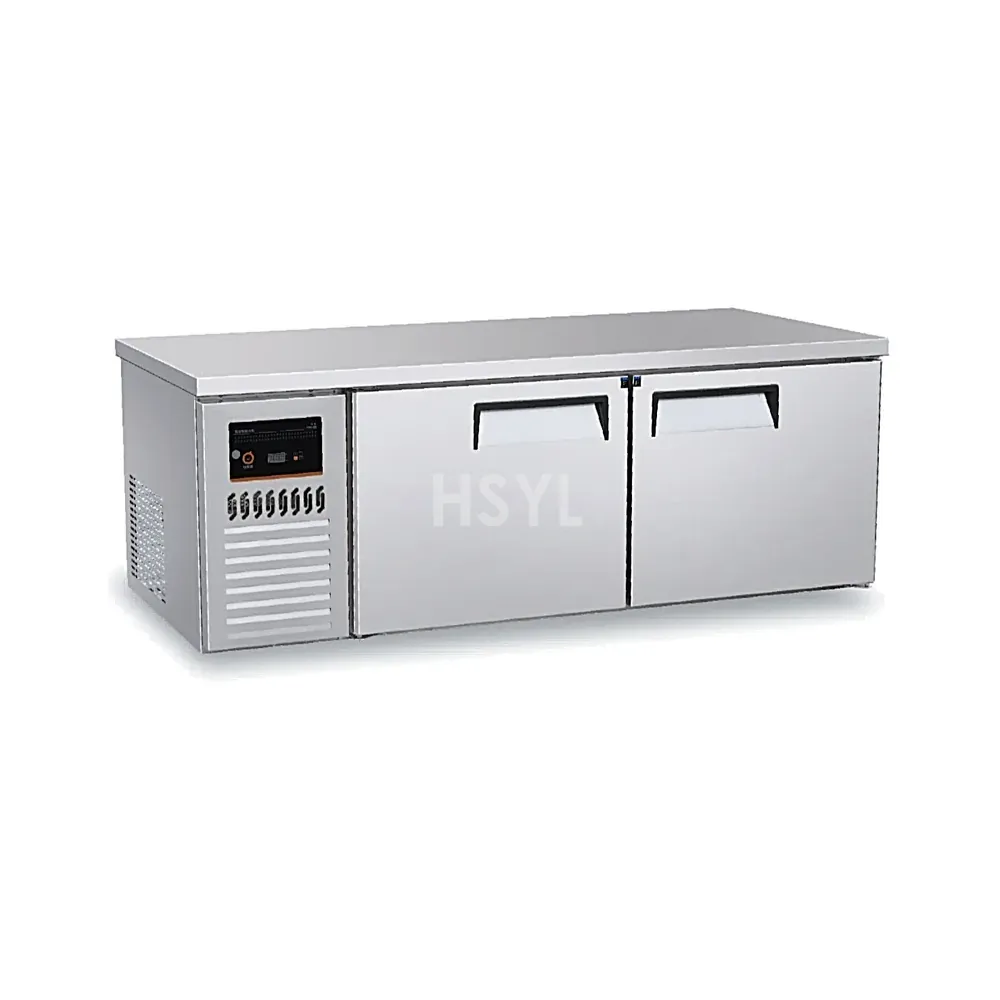
Q-WBC Q Series Workbench Refrigerator (Direct Cooling)
View productRefrigeration Equipment Questions
How do I size a commercial walk-in cold room?
Work backward from your daily ingredient volume, not from available space. Calculate the total kg of raw material arriving per day, plus 30% for peak days, then apply a shelving utilisation factor (typically 60% — the rest is aisle space). A 100-cover restaurant kitchen processing 80 kg of fresh ingredients daily typically needs a 6–8 m² cold room. Always allow for door swing clearance, strip curtains and internal lighting position.
What temperature range should a commercial refrigerator maintain?
Refrigerated storage must maintain 0–4 °C for fresh ingredients per HACCP guidelines. Freezer storage should hold at −18 °C or below. Rapid pull-down (blast chilling) must bring cooked food from +70 °C to below +3 °C within 90 minutes. These are the three temperature regimes that drive compressor sizing, not the nominal litre capacity of the cabinet.
Do I need a blast chiller or is a regular freezer sufficient?
If your kitchen practices cook-chill production — cooking in bulk then cooling for later service — a blast chiller is mandatory for food safety, not optional. Regular freezers cool too slowly; food spends too long in the 5–60 °C danger zone. For kitchens cooking à la minute with no advance production, a regular freezer is sufficient. The decision is purely about production method and HACCP plan, not budget.
Planning & Selection Resources
Plan Your Kitchen with an Engineering Team
Send your menu, meal volume, floor plan and utility conditions. We will identify the equipment logic, layout questions and technical data required before quotation.