Kitchen Sterilization Equipment Manufacturer
Kitchen sterilization and drying equipment supports the most critical hygiene boundary in any food production facility: the transition from wash to clean storage. We specify disinfection cabinets, knife sterilizers and pass‑through units based on the article type, volume, drying requirement and — crucially — the physical separation between dirty and clean zones. For central kitchens and hospital catering operations subject to HACCP or ISO 22000 audit, the sterilizer is not an accessory: it is the documented control point between hygiene zones.
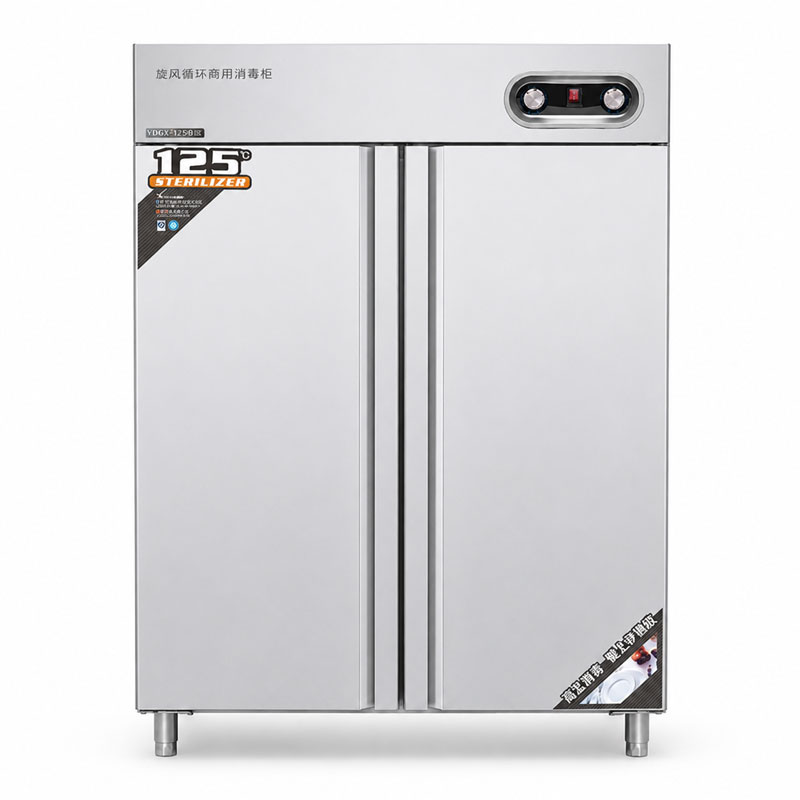
Specify the Hygiene Boundary Before Selecting the Model
Kitchen sterilization specification follows five decision points unique to hygiene equipment:
- Article type and volume — cutlery, knives, chopping boards, utensils, containers
- Drying requirement — hot‑air circulation drying cycle time and residual moisture target
- Temperature and exposure time — ≥120 °C dry heat or UV‑C dose per local health code
- Dirty/clean zone separation — pass‑through design with interlocked doors for HACCP compliance
- Documentation and audit trail — cycle log, temperature chart, or digital record for ISO 22000
Kitchen Sterilization Equipment
Final model and specification are confirmed after application review.
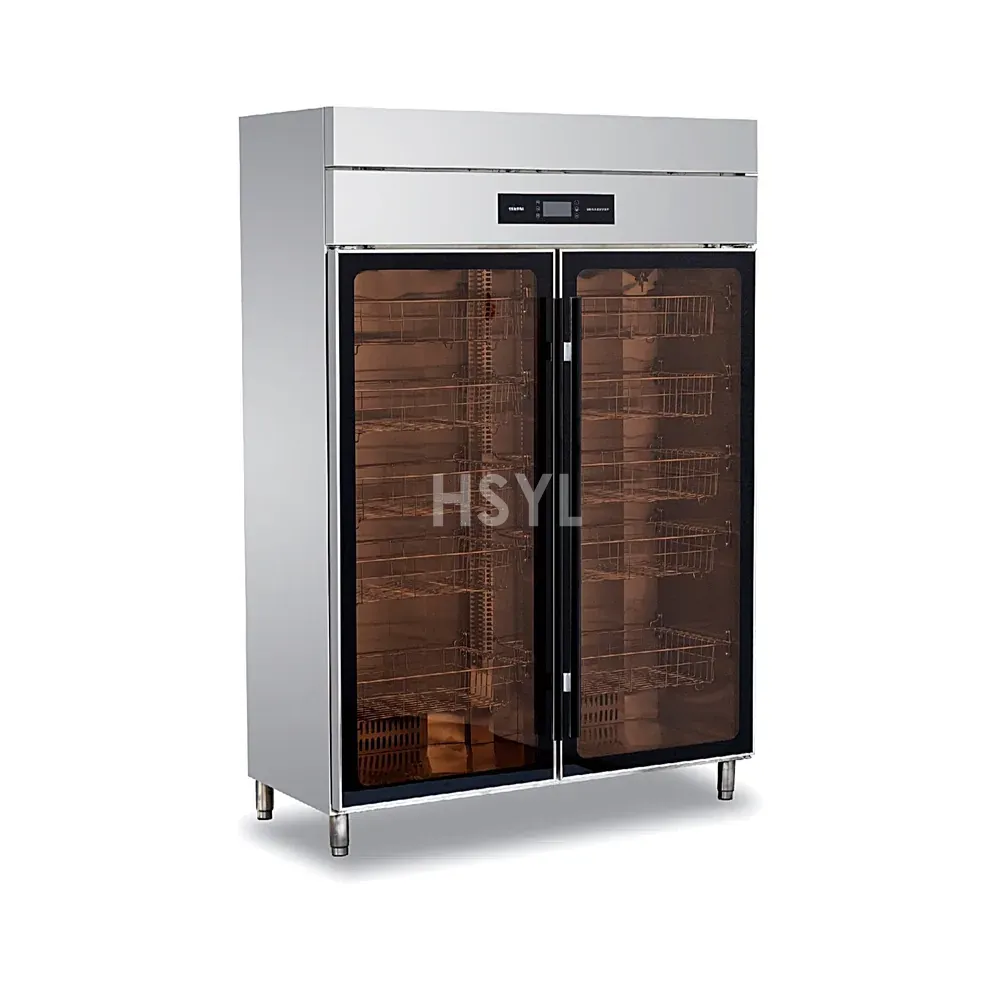
Three Temperature Disinfection Cabinet-XRTP-720
View product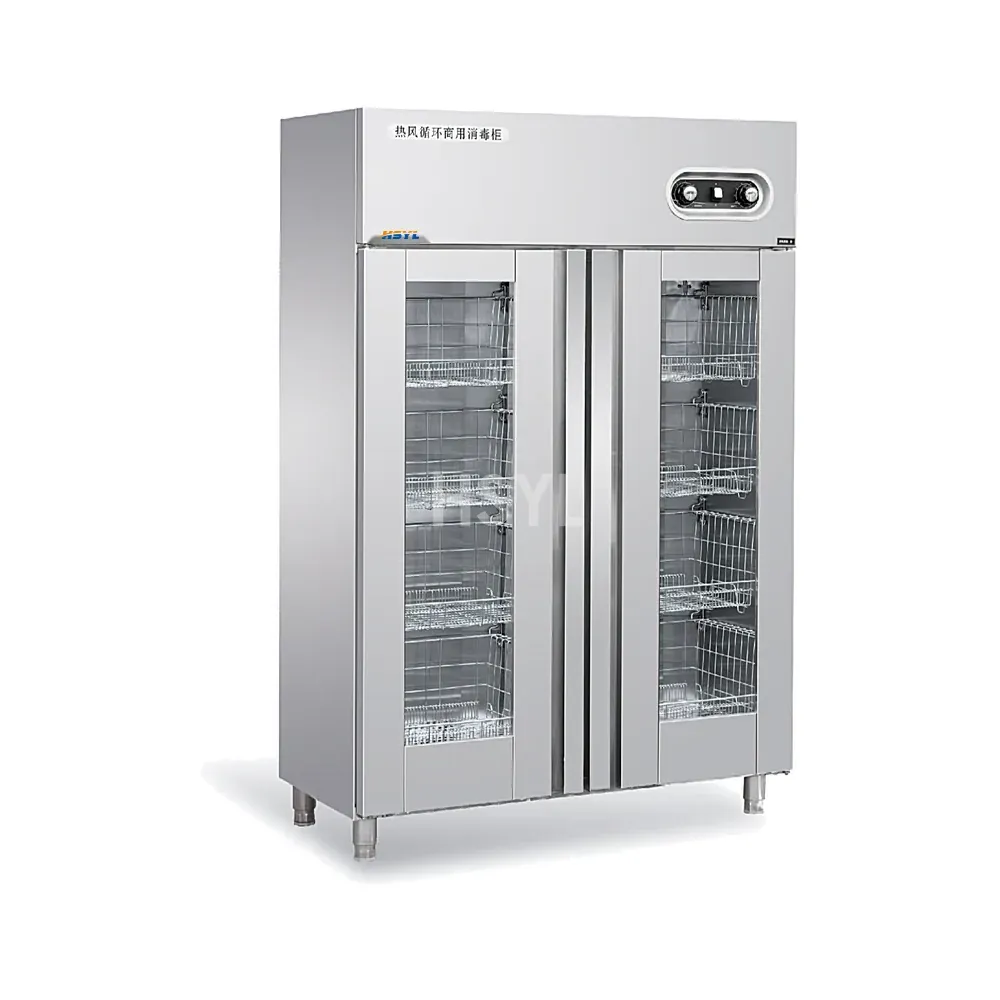
Flat-Door B (Glass Door) Sterilizer Cabinet
View product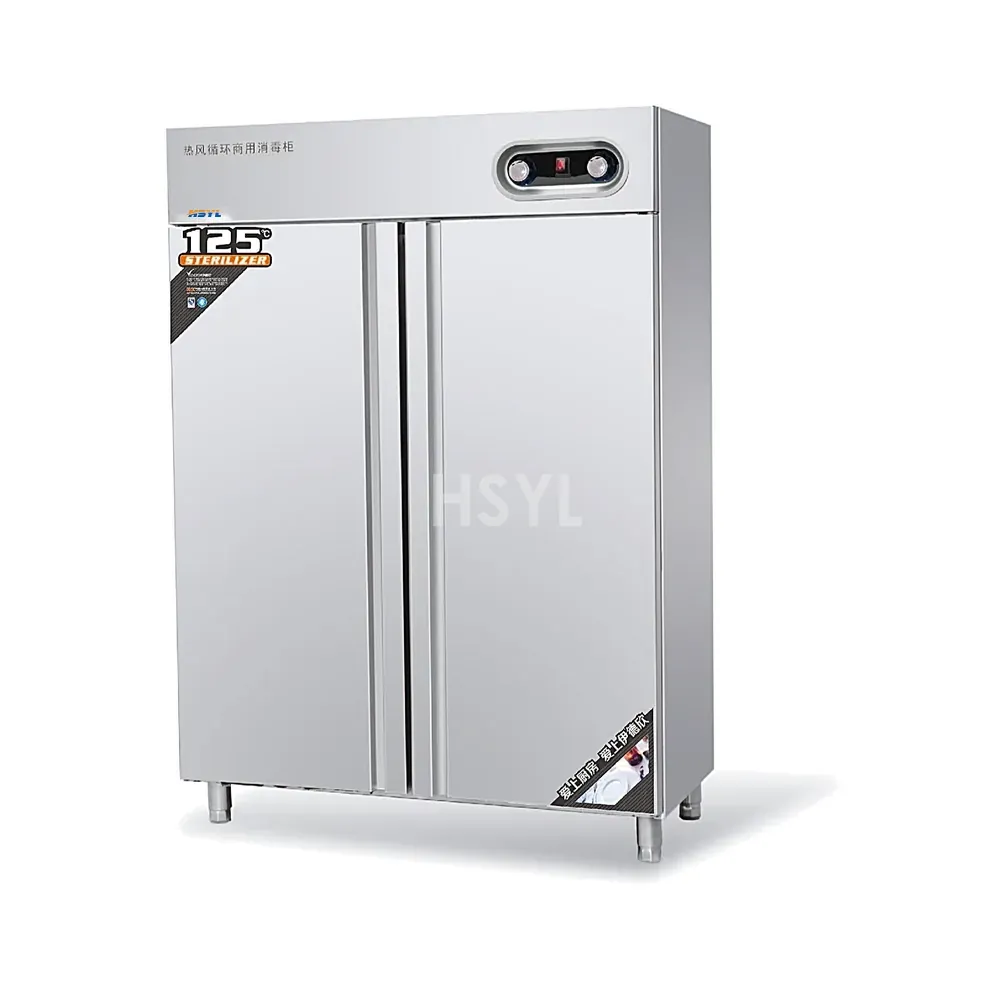
Flat-Door A Sterilizer Cabinet-SE-XRTPA
View productSterilization Equipment Questions
What is the difference between disinfection and sterilization in a commercial kitchen?
Disinfection reduces pathogenic microorganisms to a safe level per health code; sterilization eliminates all microorganisms including spores. A commercial disinfection cabinet using dry heat at 120 °C for 15 minutes achieves disinfection (log-3 reduction). True sterilization requires higher temperatures and longer exposure — typically 160 °C for 2 hours — and is used in pharmaceutical or laboratory contexts, not commercial kitchens. We match the equipment to the required microbiological standard, not to a label.
Do I need a pass-through or single-door sterilizer cabinet?
The decision is entirely about your hygiene zone layout. If your kitchen has a documented dirty/clean separation (as required by HACCP and ISO 22000), a pass-through cabinet with interlocked doors is mandatory — articles enter from the dirty side and are collected from the clean side, preventing cross-contamination. A single-door cabinet is sufficient only when washing and storage occur in the same hygiene zone with no formal separation requirement.
How often should sterilization equipment be calibrated and validated?
Temperature sensors and timers should be calibrated quarterly as part of your HACCP verification schedule. A full thermal validation — placing data loggers at multiple positions inside the cabinet during a full cycle — should be performed annually or whenever the door seal, heating element, or control board is replaced. Most health authorities require documented calibration records for the past 12 months to be available during inspection.
Planning & Selection Resources
Plan Your Kitchen with an Engineering Team
Send your menu, meal volume, floor plan and utility conditions. We will identify the equipment logic, layout questions and technical data required before quotation.