Canteen Serving Line Equipment Manufacturer
Canteen serving lines are engineered from covers per minute — the most reliable specification metric in institutional food service. We configure hot bain‑marie modules, refrigerated counters, neutral bridging units and tray slide integration based on your peak service rate, menu structure, traffic flow and available utility connections. Whether for a school canteen serving 800 students in 45 minutes or a corporate dining hall running multiple menu stations, the line geometry, module sequence and capacity are custom‑configured.
Specify the Flow Before Selecting the Model
Serving line specification follows five decision points unique to front-of-house equipment:
- Covers per minute — the primary specification metric derived from peak service headcount and window
- Module sequence — hot bain‑marie, refrigerated, neutral, tray slide and cashier positions in flow order
- GN pan format and depth — 1/1 vs 1/2 vs 1/3 pans determining well count per module
- Utility connections — electrical, hot/cold water, drainage at each station position
- Traffic and accessibility — queue width, wheelchair clearance, replenishment access from rear
Canteen Serving Line Equipment
Final model and specification are confirmed after application review.
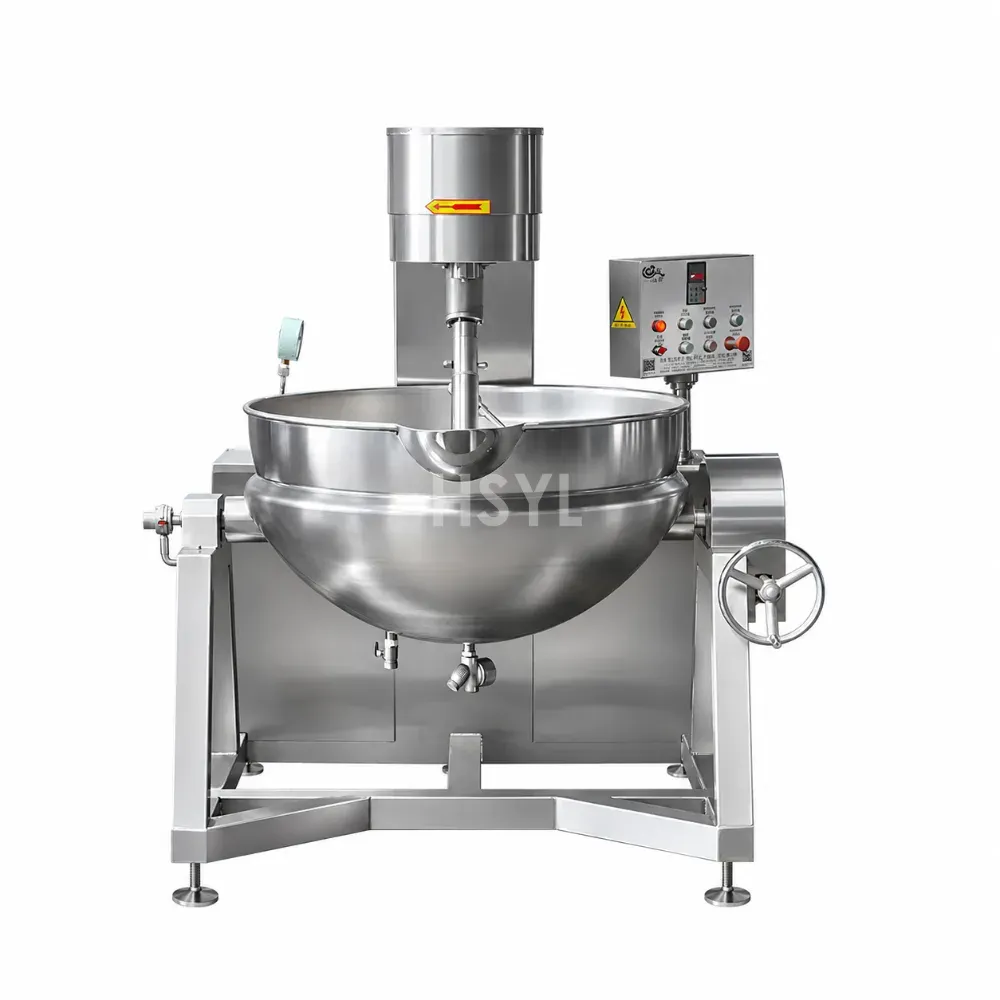
Commercial Deep Fryers
View product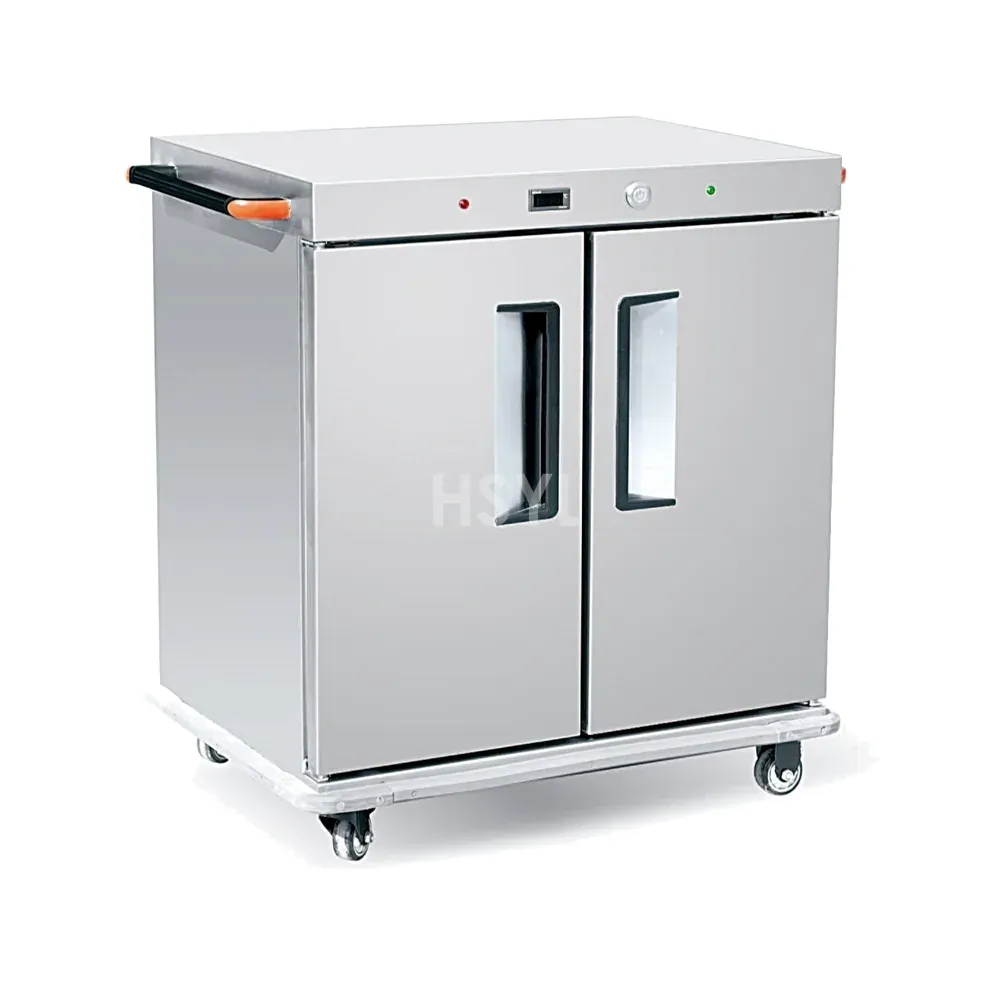
E300-BCW01-11 Horizontal Banquet Cart-A
View product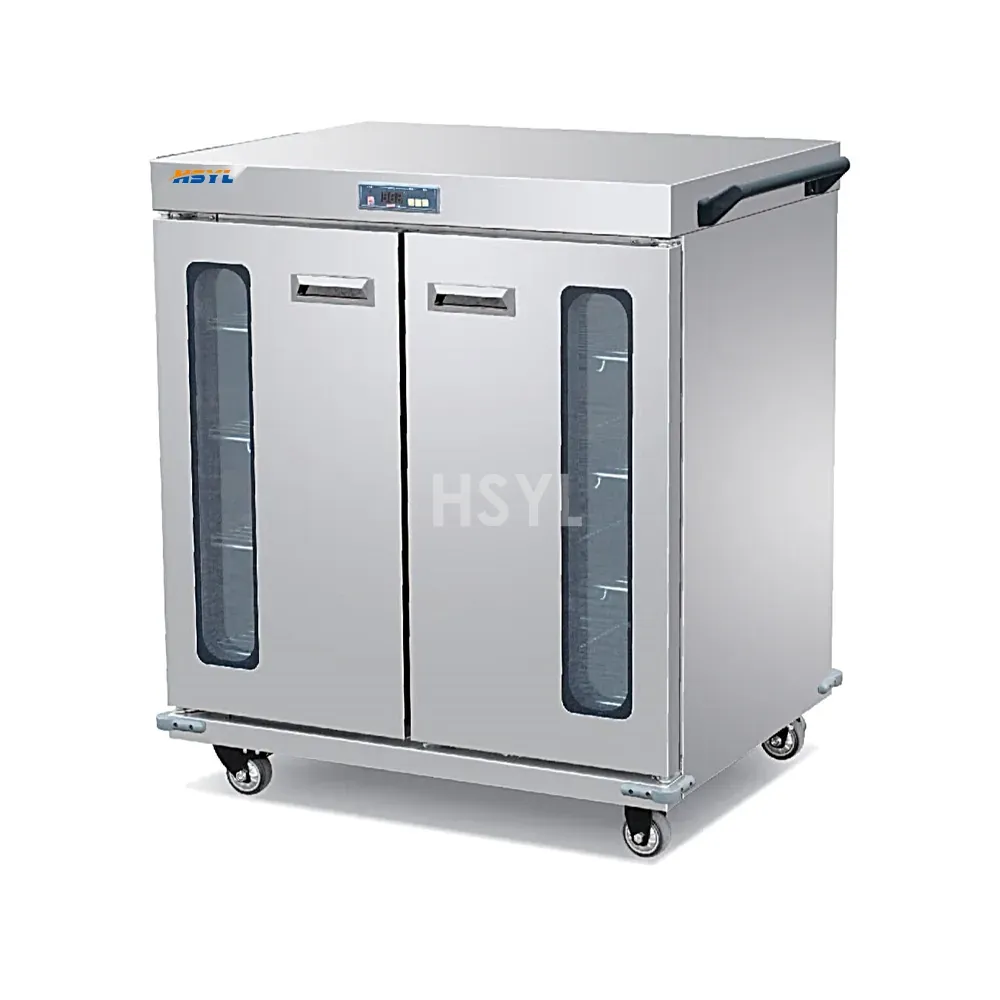
E234-BCW02-11 Horizontal Banquet Cart
View product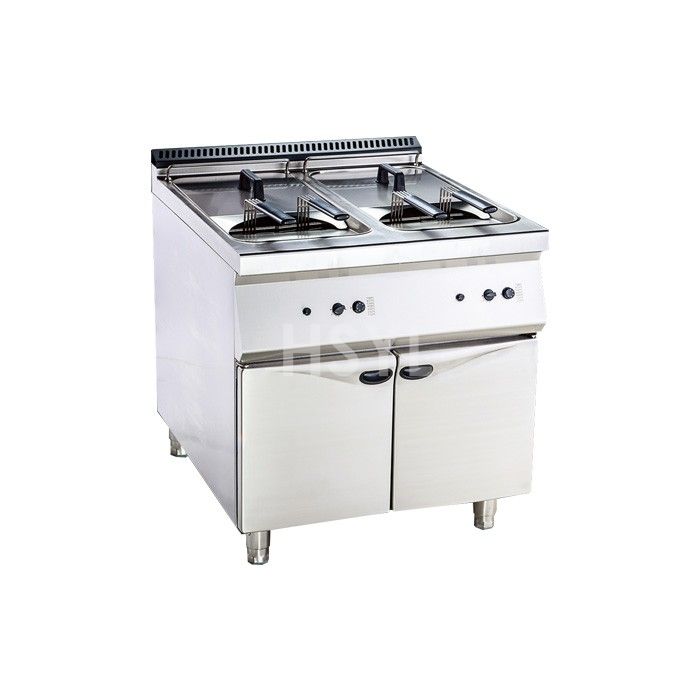
Commercial Deep Fryer CK-YZL-02
View product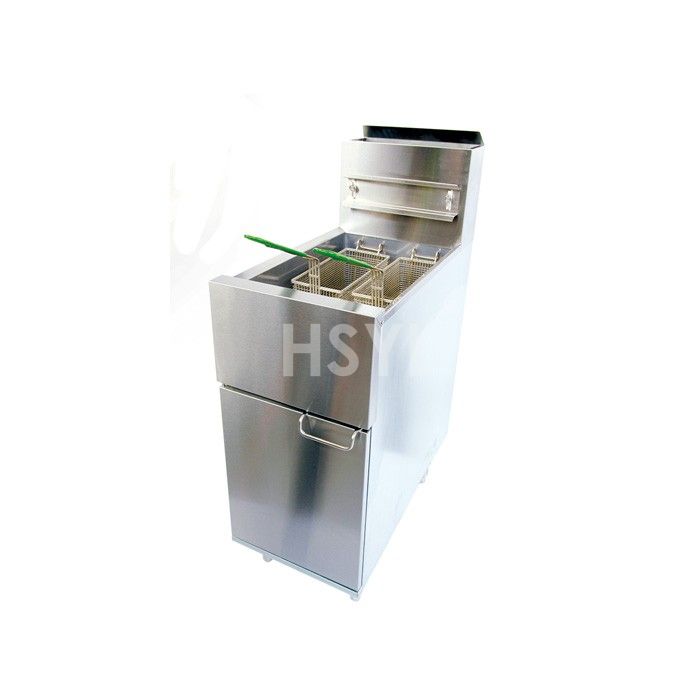
HF7040-3G Three-Tube Gas Deep Fryer
View productServing Line Equipment Questions
How do I calculate the number of serving line modules needed?
Work backward from your target covers per minute. A single server at a hot bain-marie station can plate approximately 4–6 covers per minute. For 800 covers served in 45 minutes, you need a throughput of ~18 covers per minute across all stations — roughly 3–4 hot modules plus neutral, refrigerated and tray slide sections. The module count always starts from throughput, not from available floor space.
What is the difference between electric and gas-heated bain-marie counters?
Electric bain-marie counters offer precise temperature control (±2 °C) and are simpler to install — they only require an electrical connection. Gas-heated models deliver faster heat-up and are often preferred in locations with unreliable electricity supply or where gas is significantly cheaper. The choice depends on local utility reliability and the expected volume of wet heat (stews, soups) vs dry heat display.
Can the serving line be reconfigured after installation?
Most serving line modules are designed as modular units with standardised joining brackets and utility quick-connects. Reconfiguration is possible — extending, shortening, or reordering modules — but requires confirming that utility positions (electrical outlets, water inlets, drains) are available at the new module locations. We provide a master utility plan with every line layout to support future reconfiguration.
Planning & Selection Resources
Plan Your Kitchen with an Engineering Team
Send your menu, meal volume, floor plan and utility conditions. We will identify the equipment logic, layout questions and technical data required before quotation.