Commercial Kitchen Equipment Cost & Budgeting Guide
Complete financial breakdown of restaurant kitchen equipment cost and commercial equipment prices. Avoid cheap equipment pitfalls with factory-direct procurement calculations.
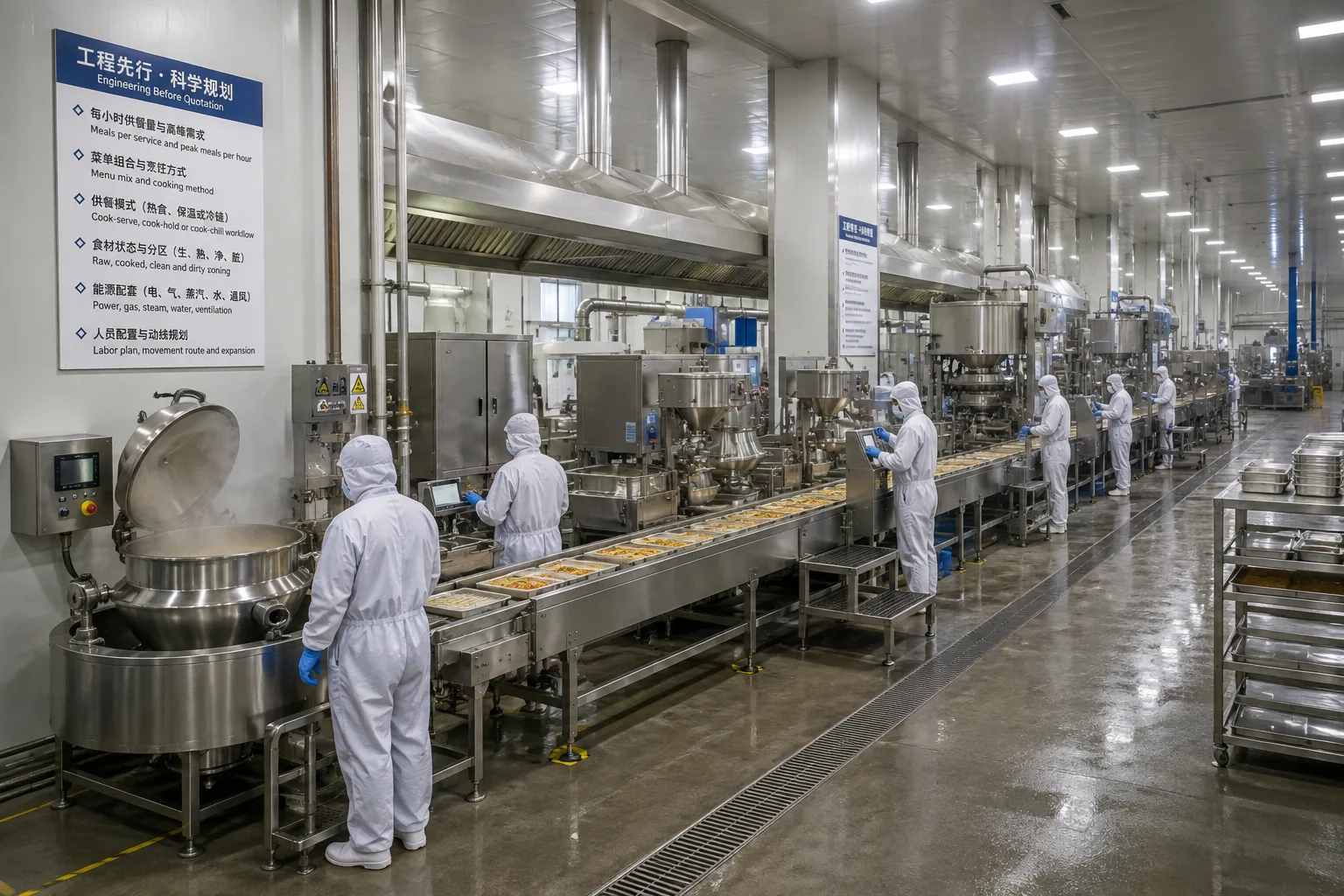
Budgeting for a new culinary facility requires balancing initial Capital Expenditure (Capex) against long-term Operational Expenditure (Opex). In institutional, hotel, and commercial foodservice operations, equipment acquisition represents between 45% and 60% of total back-of-house fit-out expenditures. This engineering financial guide provides realistic per-square-foot cost benchmarks, station-by-station Capex allocation breakdowns, utility Total Cost of Ownership (TCO) formulas, Net Present Value (NPV) lifecycle analysis, and mechanical, electrical, and plumbing (MEP) infrastructure budgets.
1. Macro-Level Capex Benchmarks: Cost per Square Foot by Facility Type
Kitchen equipment costs cannot be assessed on a generic basis; thermal density, sanitary criteria, and throughput volume dictate equipment specifications. Industry benchmarks calculate equipment investment based on back-of-house (BOH) functional footprint:
| Facility Typology | Average BOH Area (m² / sq ft) | Equipment Capex Range (USD / sq ft) | Total Equipment Budget (USD) | Key Cost Drivers |
|---|---|---|---|---|
| Quick-Service Restaurant (QSR) | 50 - 100 m² (500 - 1,100 sq ft) | $160 - $260 / sq ft | $80,000 - $280,000 | High-speed pressure fryers, automated bun toasters, modular holding bins |
| Full-Service Casual Dining | 120 - 250 m² (1,300 - 2,700 sq ft) | $220 - $350 / sq ft | $280,000 - $650,000 | Multi-burner open ranges, charbroilers, combi ovens, walk-in cold rooms |
| 5-Star Hotel Banquet Kitchen | 400 - 1,200 m² (4,300 - 13,000 sq ft) | $320 - $480 / sq ft | $1,350,000 - $4,800,000 | Custom one-piece suite ranges, blast chillers, flight-type dishwashers, banquet plating lines |
| Central Commissary Kitchen | 800 - 3,500 m² (8,600 - 38,000 sq ft) | $280 - $450 / sq ft | $2,400,000 - $12,000,000+ | Industrial tilting kettles, continuous vacuum chillers, automated vegetable washers, packaging lines |
| Hospital Dietary Department | 300 - 800 m² (3,200 - 8,600 sq ft) | $290 - $420 / sq ft | $900,000 - $3,200,000 | Thermal retherm meal carts, high-temp multi-stage sanitizing dishwashers, tray conveyers |
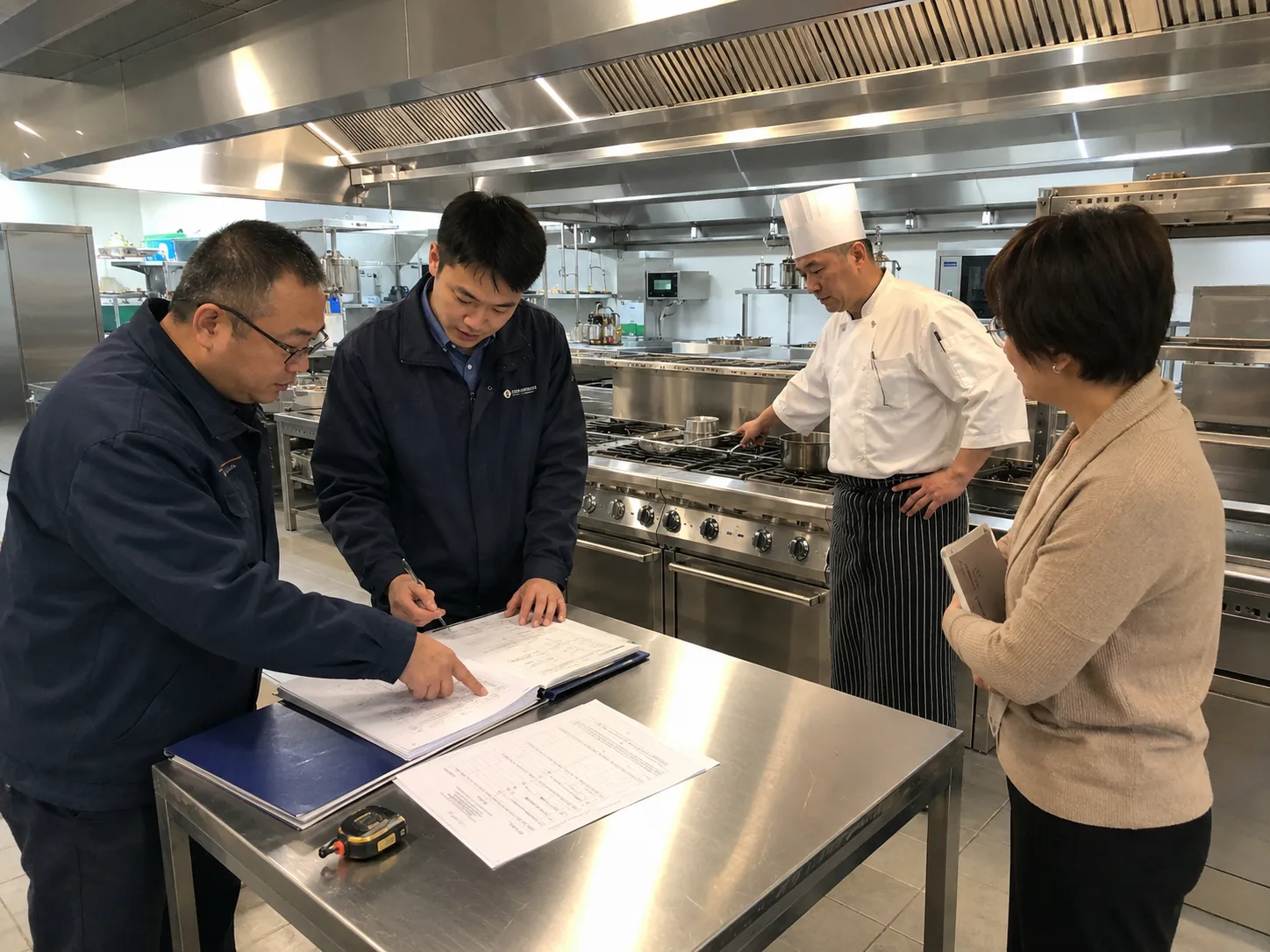
Figure 1: Turnkey commercial kitchen layout showing thermal cookline, cold storage, and MEP utility coordination.
2. Capex Allocation by Functional Kitchen Department
When drafting a procurement bill of materials (BOM), the capital expenditure should be distributed across five functional processing departments to avoid over-investing in the front cookline while underfunding warewashing and MEP infrastructure:
- Hot Thermal Cookline (30% - 35% of Total Budget): Combi ovens, heavy-duty gas/induction ranges, deep fryers, griddles, tilting braising pans, and salamanders.
- Coldline & Food Preservation (20% - 25% of Total Budget): Walk-in cold rooms, walk-in freezers, multi-door reach-in cabinets, refrigerated prep tables, blast chillers, and remote condensing units.
- Warewashing & Sanitation (15% - 20% of Total Budget): Hood-type or flight conveyor dishwashers, booster heaters, stainless steel dish tables with pre-rinse sinks, grease separators, and chemical dispensing stations.
- Food Preparation & Mechanical Fabrication (12% - 15% of Total Budget): 304-grade stainless steel workbenches, sink units, planetary mixers, commercial food processors, vacuum packaging machinery, and shelving systems.
- Ventilation, Fire Suppression & Ancillary MEP (10% - 15% of Total Budget): Dedicated exhaust canopies with baffle filters, makeup air handlers, wet chemical fire suppression systems (Ansul R-102), and water treatment filtration systems.
3. Total Cost of Ownership (TCO) Equation & Utility Efficiency Analysis
The initial purchase price represents only 20% to 25% of an industrial kitchen asset's total lifecycle cost. Utility consumption (electricity, natural gas, municipal water) and preventative maintenance account for the remaining 75% to 80% over a standard 10-year service lifecycle:
Engineering Insight: An energy-efficient ENERGY STAR certified combi oven or commercial dishwasher with heat recovery reduces annual utility expenses by $1,800 - $4,200, recouping a 25% purchase price premium in under 22 months at a 6% discount rate (r).
Energy Source Comparison: Electric Induction vs. Atmospheric Gas Burners:
- Atmospheric Gas Burners: Thermal efficiency is approximately 35% to 40%. The remaining 60% to 65% of generated heat escapes as waste ambient thermal load, requiring massive HVAC makeup air cooling (typically 1 extra ton of air conditioning per 25,000 BTU of unhooded gas load).
- Commercial Electric Induction: Thermal efficiency exceeds 85% to 90%. Electromagnetic energy couples directly with the ferrous vessel base, eliminating ambient heat dissipation, decreasing kitchen ventilation exhaust volume requirements by 20%, and significantly lowering total operating costs.
4. HVAC Ventilation Sizing & Sensible Heat Load Calculations
Under-budgeting mechanical ventilation exhaust canopies and dedicated make-up air units (MAU) is the leading cause of environmental failure in commercial kitchens. HVAC engineers size make-up air based on the sensible and latent heat loads generated by the equipment battery:
Design Rule: For heavy cooking batteries (charbroilers, wok ranges, high-output fryers), NFPA 96 dictates an exhaust airflow benchmark of 300 to 500 CFM per linear foot of hood length. Make-up air must deliver 85% to 90% of this evacuated air volume, conditioned to prevent condensation and air turbulence.
5. Hidden MEP Infrastructure Costs in Commercial Kitchen Budgeting
Budget overruns typically stem from underestimating the mechanical, electrical, and plumbing engineering modifications required to support commercial culinary equipment:
| MEP Infrastructure Subsystem | Typical Engineering Requirement | Estimated Cost Impact (USD) | Key Risk if Under-Budgeted |
|---|---|---|---|
| Electrical Service Upgrade | 3-Phase 380V-480V, 200A - 600A main distribution panel | $12,000 - $45,000 | Inability to commission electric combi ovens and conveyor dishwashers; electrical tripping under peak meal loads |
| Dedicated Gas Header & Regulator | 2" to 3" low-pressure supply pipe, 300,000 - 1,500,000 BTU/hr capacity | $8,000 - $25,000 | Gas starvation during simultaneous peak operation, burner back-puffing, failed flame safety shutoffs |
| Dedicated Make-Up Air Unit (MAU) | Tempered air supply matching 85%-90% of exhaust volume (CFM) | $15,000 - $55,000 | Severe building negative pressure, doors sticking, exhaust smoke spillage into dining areas |
| Automatic Grease Interceptor (GI) | 50 - 100 GPM hydromechanical or in-ground concrete interceptor | $6,000 - $30,000 | Municipal wastewater fines, sewer line fatberg clogging, unsanitary drain backups |
| Reverse Osmosis / Water Softener | Duplex alternating ion-exchange system with carbon pre-treatment | $3,500 - $12,000 | Premature boiler element burnout, voided manufacturer warranties, cloudy glassware |
6. Strategic Sourcing: Factory Direct Procurement vs. Dealer Markup
Operators procuring full turnkey kitchen projects can achieve 25% to 38% cost savings by purchasing directly from certified original equipment manufacturers (OEMs) with overseas container consolidation rather than multiple local middlemen:
- Container Consolidation Savings: Standardizing stainless steel fabrication, refrigeration, and cooking lines into 40-foot high-cube (40HQ) containers optimizes international freight logistics.
- Factory Customization Without Middleman Markup: Direct engineering collaboration allows customized dimensions, voltage configurations (e.g., 208V, 380V, 415V), and gas valve orifices at factory cost.
- Spare Parts Warehousing: Mandating an accompanying 5% critical spare parts package (switches, thermostats, heating elements, solenoids) in the initial shipment prevents costly emergency air freight during early operations.
5. Equipment Financing Models: Operating Leases, Capital Leases & Tax Depreciation
Deploying $200,000 to $1,500,000 in upfront cash creates severe liquidity constraints during the critical first six months of food service operations. Facility directors should evaluate financing structures based on weighted average cost of capital (WACC):
| Financing Structure | Balance Sheet Treatment | Monthly Cash Outflow | End-of-Term Asset Ownership | Optimal Equipment Category |
|---|---|---|---|---|
| Direct Outright Cash Purchase | Recorded as Fixed Asset; depreciated over 7 years (MACRS) | Zero monthly payments; 100% upfront capital depletion | 100% full company ownership from Day 1 | Long-lifecycle custom stainless steel fabrication and ventilation hoods (> 15-year life) |
| Fair Market Value (FMV) Operating Lease | Off-balance sheet operating expense (OPEX) in many jurisdictions | Lowest monthly payment (typically 25%-30% lower than capital lease) | Return equipment, renew lease, or purchase at fair market value | Rapidly evolving technology: digital touch-screen combi ovens, automated packaging machines |
| $1-Buyout Capital Lease | On-balance sheet liability; treated as financed purchase | Moderate monthly payment with fixed interest amortization | Full ownership transfers for $1 upon final payment | Heavy-duty workhorse equipment: gas cooking ranges, walk-in coolers, flight dishwashers |
| IRS Section 179 First-Year Expense | 100% accelerated first-year write-off of qualifying equipment | Immediate income tax liability reduction in acquisition tax year | Direct company ownership | Profitable operating hospitality chains expanding into new franchise units |
6. Mechanical, Electrical & Plumbing (MEP) Rough-In Utility Schedules
To avoid costly on-site demolition and pipe re-routing, engineering rough-in schedules must specify connection points, line diameters, and utility tolerances prior to pouring concrete floor slabs:
| Equipment Station | Electrical Requirements | Gas Infrastructure Demand | Water Supply Specification | Drainage & Venting Specification |
|---|---|---|---|---|
| 20-Pan Combi Oven | 400V / 3-Phase / 50-60Hz, 38 kW (55A per phase) | Or: 140,000 BTU/hr Natural Gas (3/4" connection at 4" W.C.) | Dual cold inlets: 3/4" softened (< 3 GPG) + 3/4" raw water at 40-50 PSI | 2" direct drain with 1" air gap; minimum 300 mm from oven drain outlet |
| Flight-Type Conveyor Dishwasher | 400V-480V / 3-Phase, 45 kW with built-in booster | Steam coil option: 15-30 PSI saturated steam at 250 lbs/hr | 3/4" hot supply (50°C - 60°C) at 20-30 PSI dynamic flow pressure | 2.5" to 3" brass/cast drain tied into high-capacity dedicated grease trap |
| Modular 6-Burner Range & Convection Oven | 230V / 1-Phase, 6A (for convection blower motor) | 210,000 BTU/hr Natural Gas (1" manifold line with quick-disconnect hose) | None (Optional 1/2" cold line for overhead articulated pot filler) | None; positioned directly on non-combustible quarry tile flooring |
| Remote Walk-In Freezer (4m × 3m) | 400V / 3-Phase, 16A dedicated breaker for condensing unit | None | None | 1" copper drain with thermostatically controlled electric trace heating cable |
Featured Commercial Equipment Models
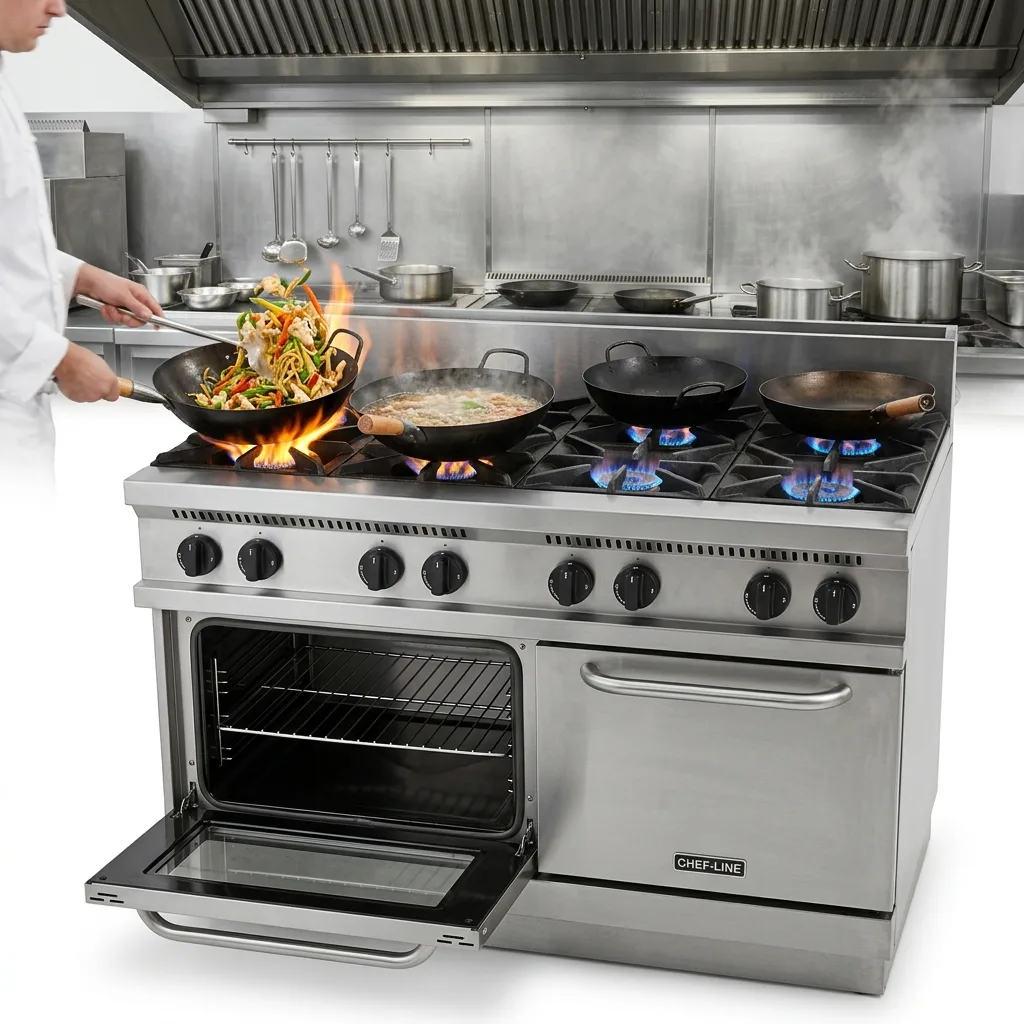
Heavy-Duty Gas Ranges
Heavy-duty cast iron burners with integrated convection oven bases, delivering rugged thermal reliability.
View Commercial Ranges →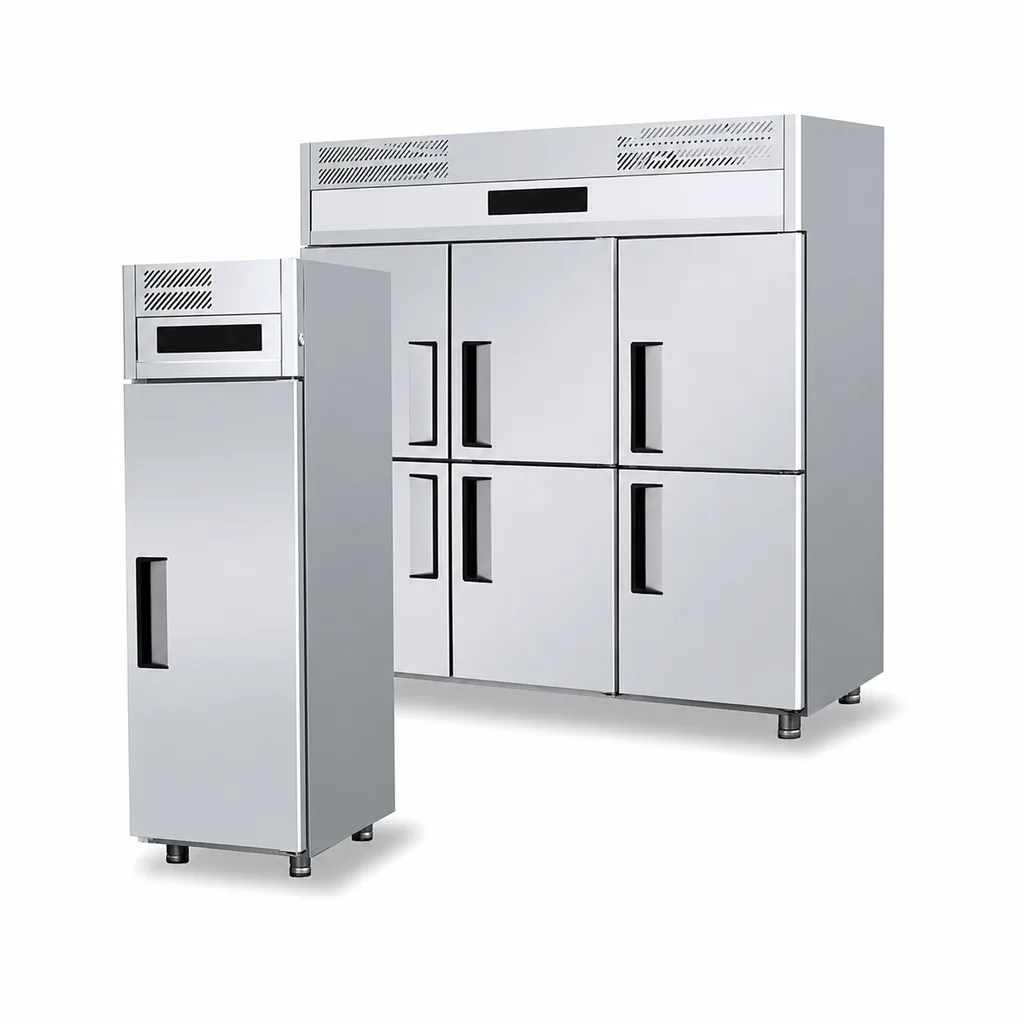
Dual-Temp Reach-In Cabinets
Microprocessor-controlled stainless refrigeration units engineered for 43°C ambient operating environments.
View Coldline Storage →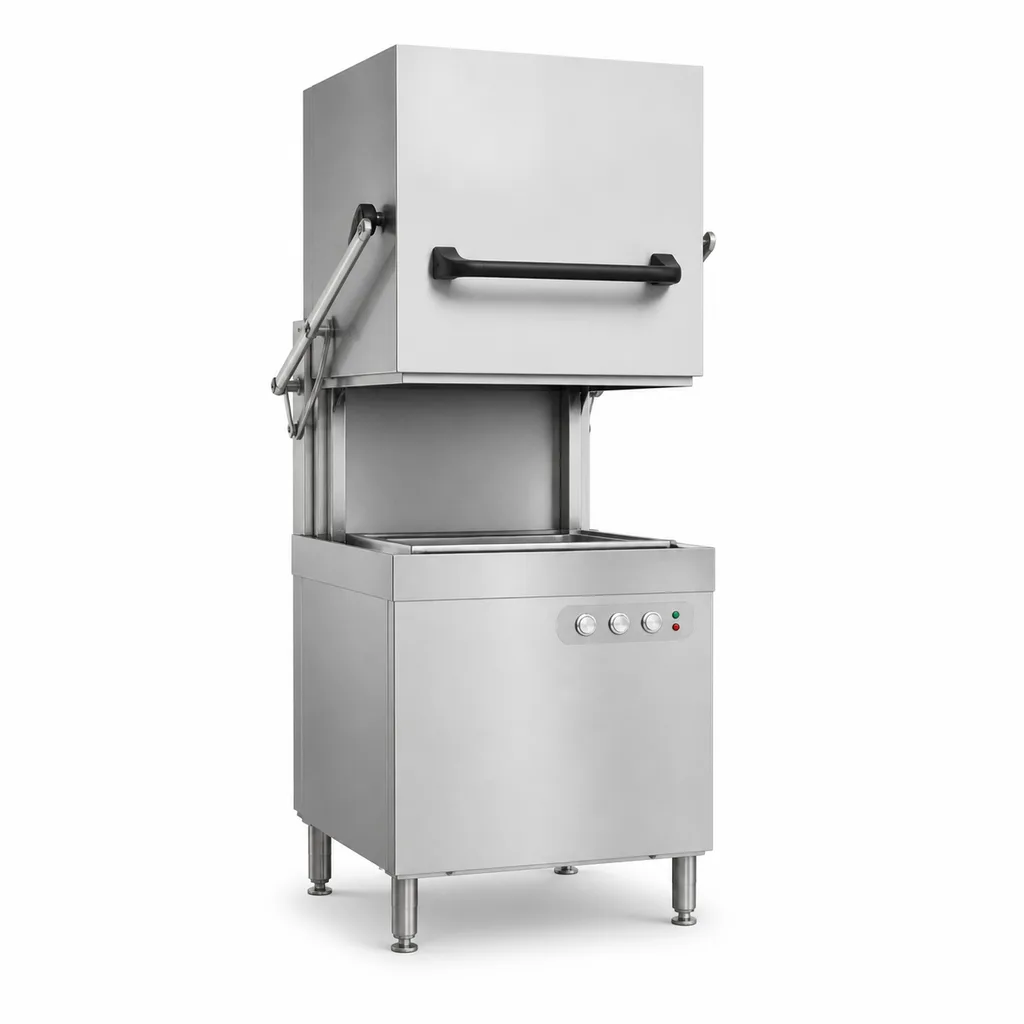
Undercounter Sanitizing Washers
Compact high-temperature sanitizing dishwashers engineered with built-in booster heaters for compact bars.
View Compact Washers →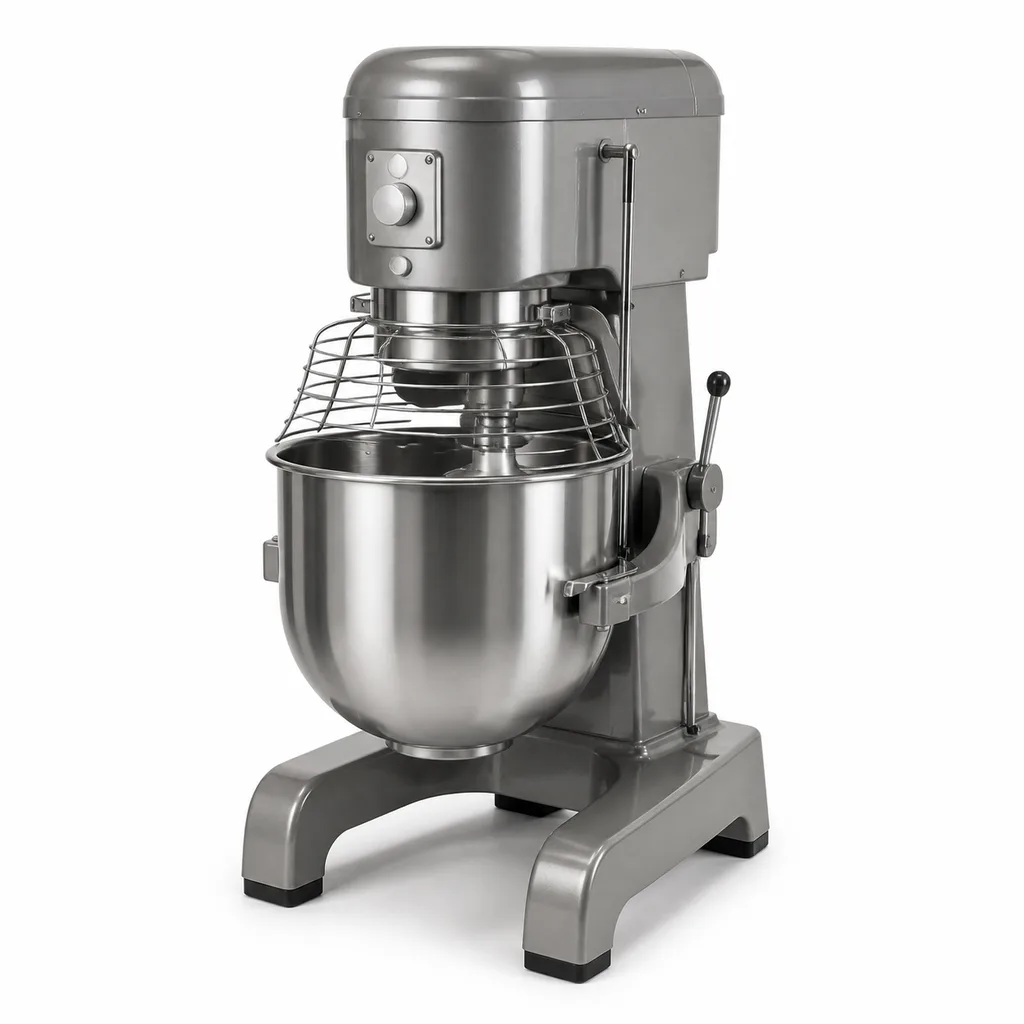
Industrial Planetary Mixers
Variable-speed gear-driven food prep mixers with stainless safety cages and thermal overload cutoffs.
View Preparation Machinery →Turnkey Engineering Solutions & Applications
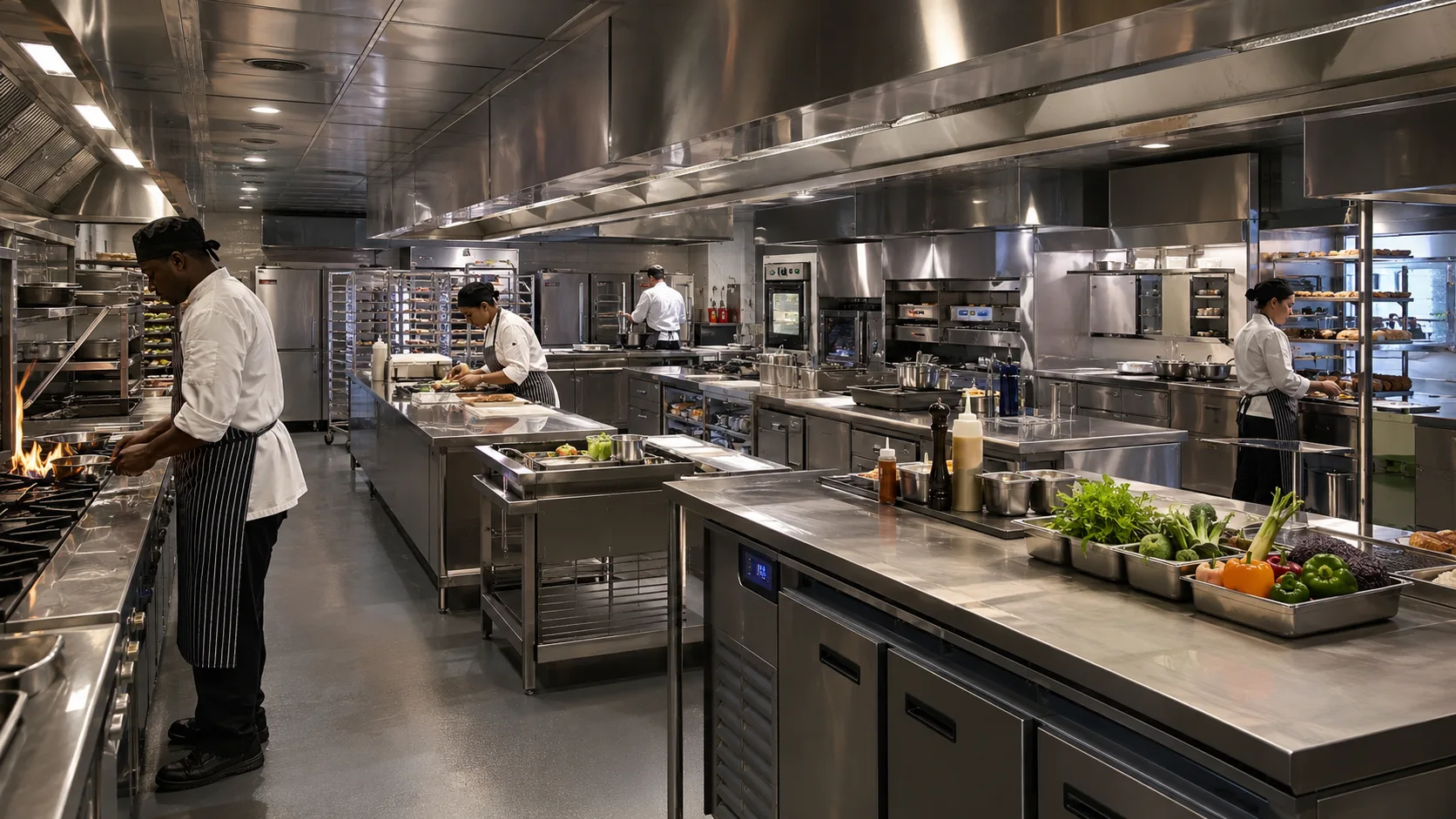
Luxury Hotel Banquet Kitchens
Comprehensive multi-station culinary engineering designed for high-capacity banquet output and room service.
Explore Hotel Solutions →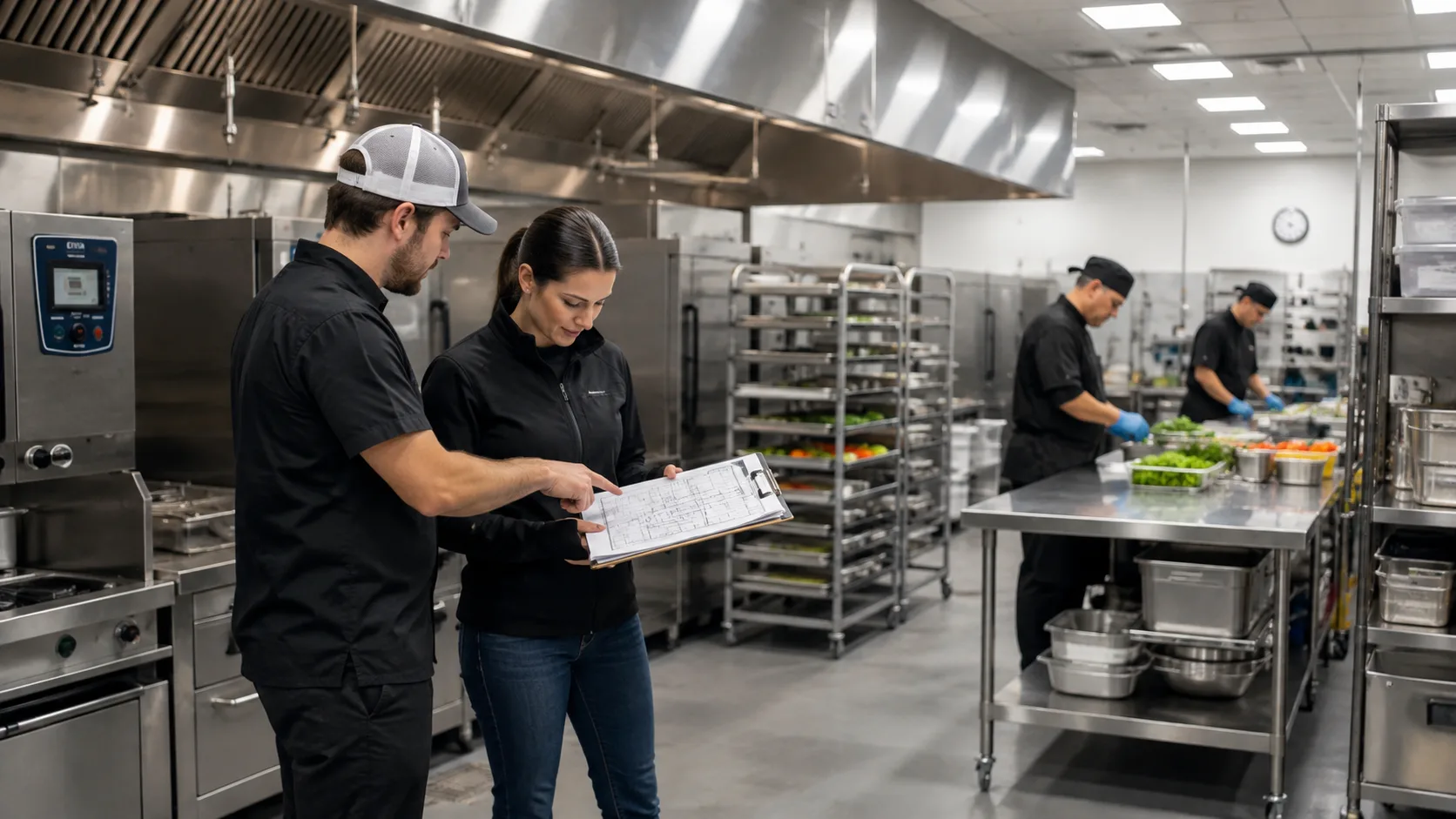
Central Commissary Kitchens
High-efficiency cook-chill production plants engineered for volume logistics and centralized distribution.
Explore Central Kitchen →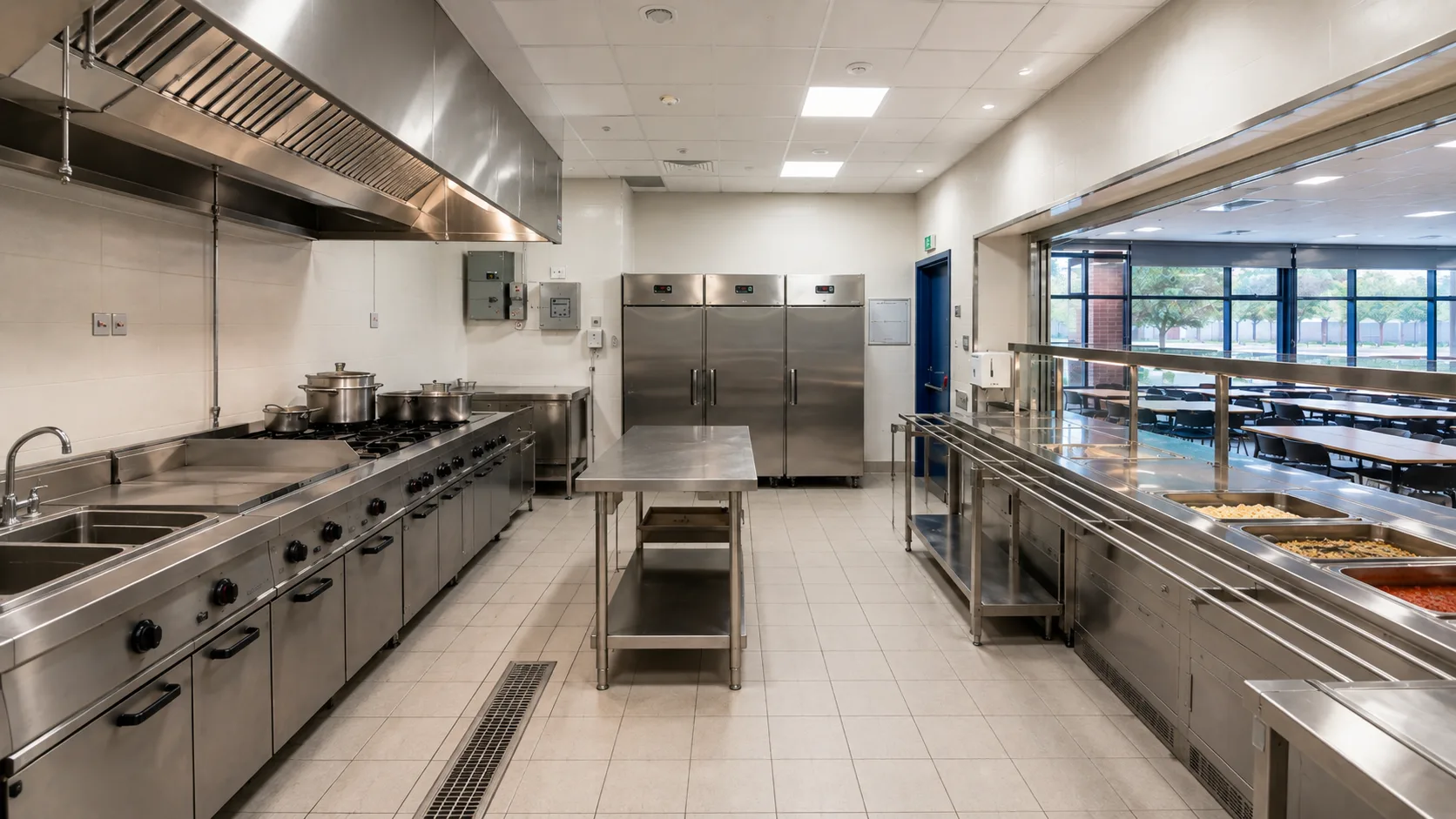
School & Institutional Canteens
Durable high-throughput kitchen lines optimized for fast batch meal production and strict hygiene protocols.
Explore School Solutions →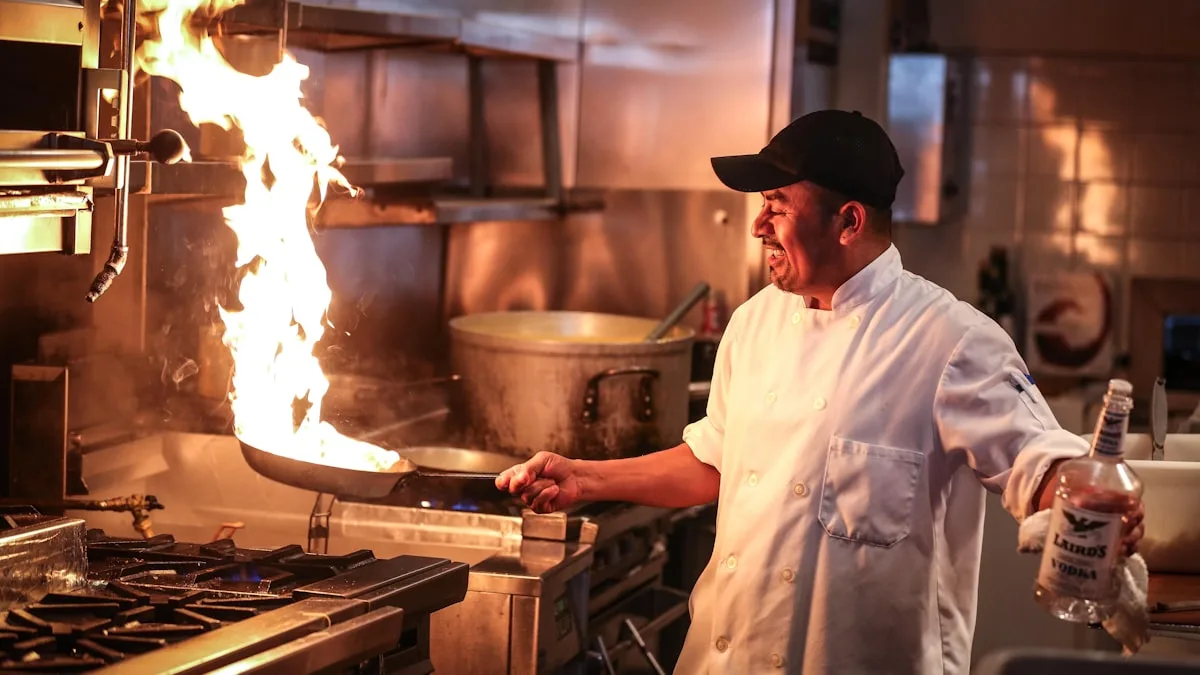
High-Volume Commercial Restaurants
Optimized cookline layouts engineered for fast ticket turnaround and streamlined chef ergonomics.
Explore Restaurant Solutions →Frequently Asked Questions
How much does it cost to equip a new commercial restaurant kitchen?
A standard 60-to-100 seat restaurant kitchen typically requires between $60,000 and $150,000 in commercial equipment, depending on menu complexity, gas vs electric infrastructure, and refrigeration capacity.
Why is commercial kitchen equipment so much more expensive than residential equipment?
Commercial equipment is built with heavy-gauge AISI 304 stainless steel, industrial motors, high-recovery heating elements, and robust mechanical controls designed to withstand 14+ hours of continuous daily abuse.
How can restaurateurs reduce upfront equipment acquisition costs safely?
Operators can optimize budgets by sourcing direct from certified OEM manufacturers, purchasing modular equipment suites, and focusing capital on core revenue drivers (such as primary cooklines and walk-in refrigeration).
What are the hidden costs of commercial kitchen installation?
Beyond machine purchase prices, project budgets must account for mechanical ventilation hoods, dedicated 3-phase electrical wiring, gas supply piping, water softeners, and freight rigging.
Plan the Equipment Around Your Kitchen.
Share your menu, peak service demand, available space and site utilities. Tell us which equipment you are considering so we can review the requirements with you.