Discount Restaurant Equipment
Factory-direct, trade-in deals and expo samples are the main sources of discount restaurant equipment. We also share a compliance checklist so you do not trade durability for a lower price.
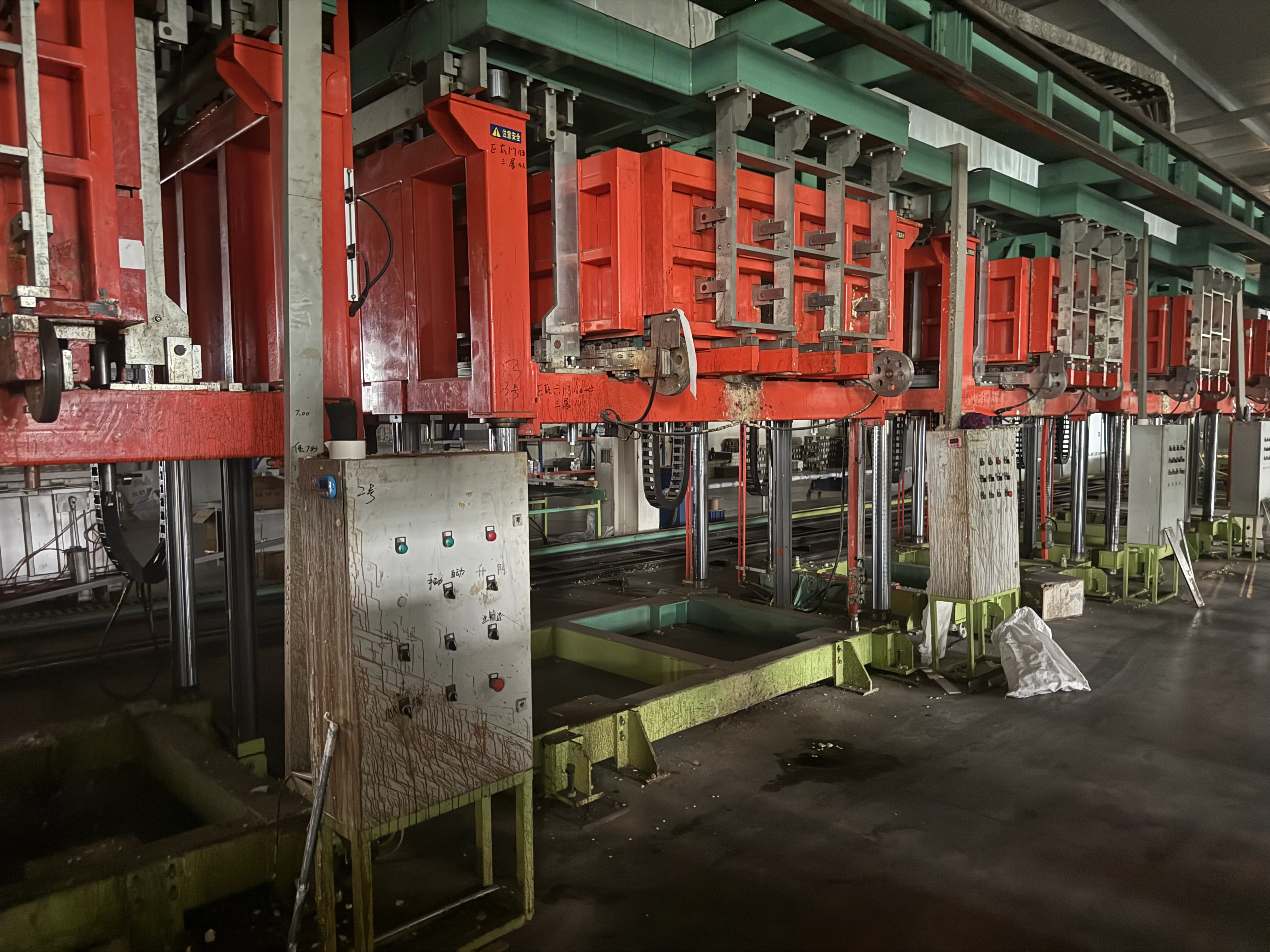
Where discount restaurant equipment actually comes from
Not every "discount" is a clearance bin. In commercial kitchen supply chains, price reductions usually fall into four buckets: factory-direct volume deals, model-year closeouts, trade-in and upgrade returns, and exhibition floor samples. Each bucket carries a different risk profile, and mixing them up is how buyers end up with a warranty gap or a non-compliant hood. Understanding the source matters more than chasing the lowest sticker price.
Factory-direct deals work when a kitchen opens with a full equipment package. Brands like Rational, Electrolux, and Miele often publish suggested package pricing for 20+ item orders. The discount is real—typically 12% to 18% off list—but it only applies to contiguous orders, not cherry-picked items. Buyers who negotiate a package deal should also negotiate spare-parts consignment: a five-year operation will need gaskets, heating elements, and door seals, and buying them at list price later erases the upfront saving.
Closeout and model-year transitions
Every two to three years, OEMs refresh product lines. The outgoing models are not defective; they simply lack the newest HMI or connectivity module. Dealers discount these units by 15% to 25%, and the parts supply remains guaranteed for seven to ten years. The downside is limited color or finish options. For operators who care about workflow more than aesthetics, closeout pricing is the most reliable discount channel.
Trade-in and upgrade returns
Hotel groups, hospital chains, and central kitchens rotate equipment on fixed cycles. The displaced units have maintenance records, and many come with certified decommissioning paperwork. Prices run 30% to 45% below new, but buyers must inspect heating uniformity and door seals in person. A concession stand oven that spent six years running 18-hour days will have thermal fatigue invisible in photographs.
Why discount restaurant supply programs can backfire
A discount that skips compliance review is a liability. In the U.S., NSF and UL certifications follow the specific model number; a variant sold through a parallel import channel may carry a different plug voltage or refrigerant type. European CE markings work the same way under the Machinery Directive. Before accepting a low bid, operators should verify three things: the exact model number on the rating plate, whether spare parts are stocked in your region, and whether the seller is an authorized distributor or a broker.
Key takeaway: The deepest discounts appear when you buy complete, compliant systems from authorized channels—not when you hunt for the cheapest line item.
Negotiation checklist for buyers
Professional kitchen operators who treat equipment procurement like capital expenditure consistently achieve better terms than ad-hoc buyers. A written brief that lists required output per hour, utility connections, and footprint constraints lets the supplier engineer a compliant package instead of pushing generic SKUs. The brief also gives you leverage to ask for commissioning support, extended warranty options, and loaner units during maintenance windows.
| Channel | Typical saving | Key verification |
|---|---|---|
| Factory-direct package | 12% – 18% | Spare-parts consignment, lead time |
| Closeout models | 15% – 25% | Parts guarantee, finish availability |
| Trade-in / upgrade returns | 30% – 45% | Thermal inspection, maintenance log |
| Exhibition samples | 20% – 35% | Warranty start date, shipping damage clause |
Financing, leasing, and hidden costs
Equipment financing can improve cash flow, but the annualized rate often exceeds the headline discount. A 0% lease over 36 months sounds attractive until you compare the total cost of ownership with a cash purchase. In high-turnover concepts—ghost kitchens, food halls, airport concessions—leasing makes sense because the equipment life is shorter than the depreciation schedule. In flagship restaurants, cash or short-term finance usually wins. Calculate energy consumption and water usage before signing; a cheaper combi oven with poor insulation can cost more in utilities over three years than a premium unit.
Building a compliant buying shortlist
The final shortlist should rank vendors by installed cost, warranty length, and local service density. Remote operators in Southeast Asia, the Middle East, and Africa should prioritize brands with regional spare-parts hubs. A four-day downtime for a dishwasher heating element in a 300-cover restaurant equals lost cover revenue plus overtime labor for dishwashing by hand. That single risk usually justifies paying list price for faster support.
Explore the full product range at /cooking-equipment/ or review compliance standards at /compliance-standards/. For service contracts that protect your investment, see /installation-maintenance/.
Frequently Asked Questions
Where can I find genuine discount restaurant equipment without sacrificing compliance or warranty coverage?
Discount restaurant equipment is available through factory-direct packages, model-year closeouts, certified trade-in programs, and exhibition samples. The key is verifying model numbers, spare-parts availability, and authorized distributor status before committing.
Are closeout commercial kitchen units reliable?
Yes. Closeout models are typically previous-generation units that are fully functional, with parts guarantees of seven to ten years. The main limitation is finish or feature options.
How much can I realistically save on a full kitchen package?
Factory-direct package deals for 20+ item orders commonly run 12% to 18% below list price. Trade-in and upgrade returns can reach 30% to 45% below new, but require hands-on inspection.
What compliance checks should I run on discounted equipment?
Verify the exact model number on the rating plate, confirm local spare-parts stock, and ensure the seller is an authorized distributor or certified broker, not a gray-market reseller.
Does leasing offer better value than buying discount equipment outright?
Leasing can make sense for high-turnover concepts with short equipment lifespans, but the annualized cost often exceeds a cash purchase. Always calculate total cost of ownership before deciding.
Plan the Equipment Around Your Kitchen.
Share your menu, peak service demand, available space and site utilities. Tell us which equipment you are considering so we can review the requirements with you.