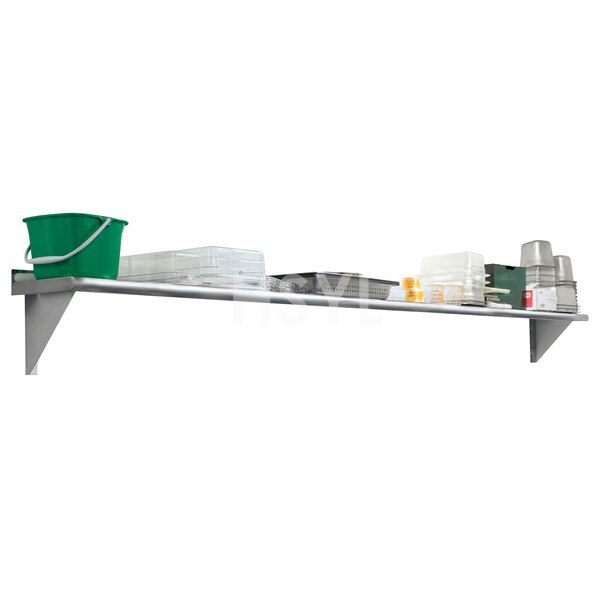
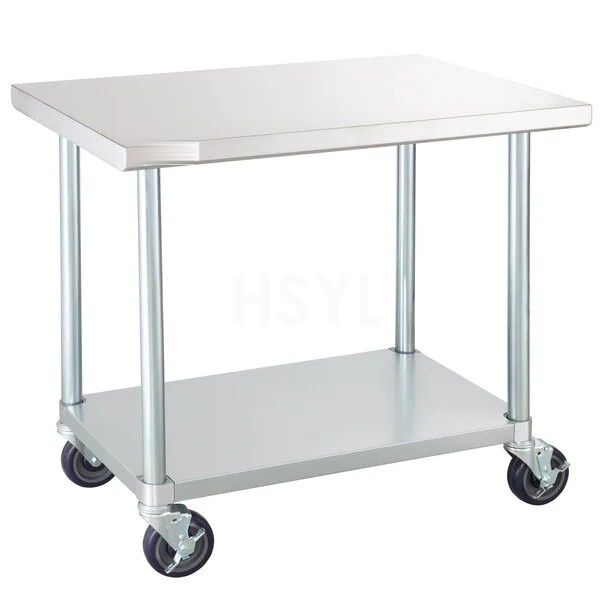
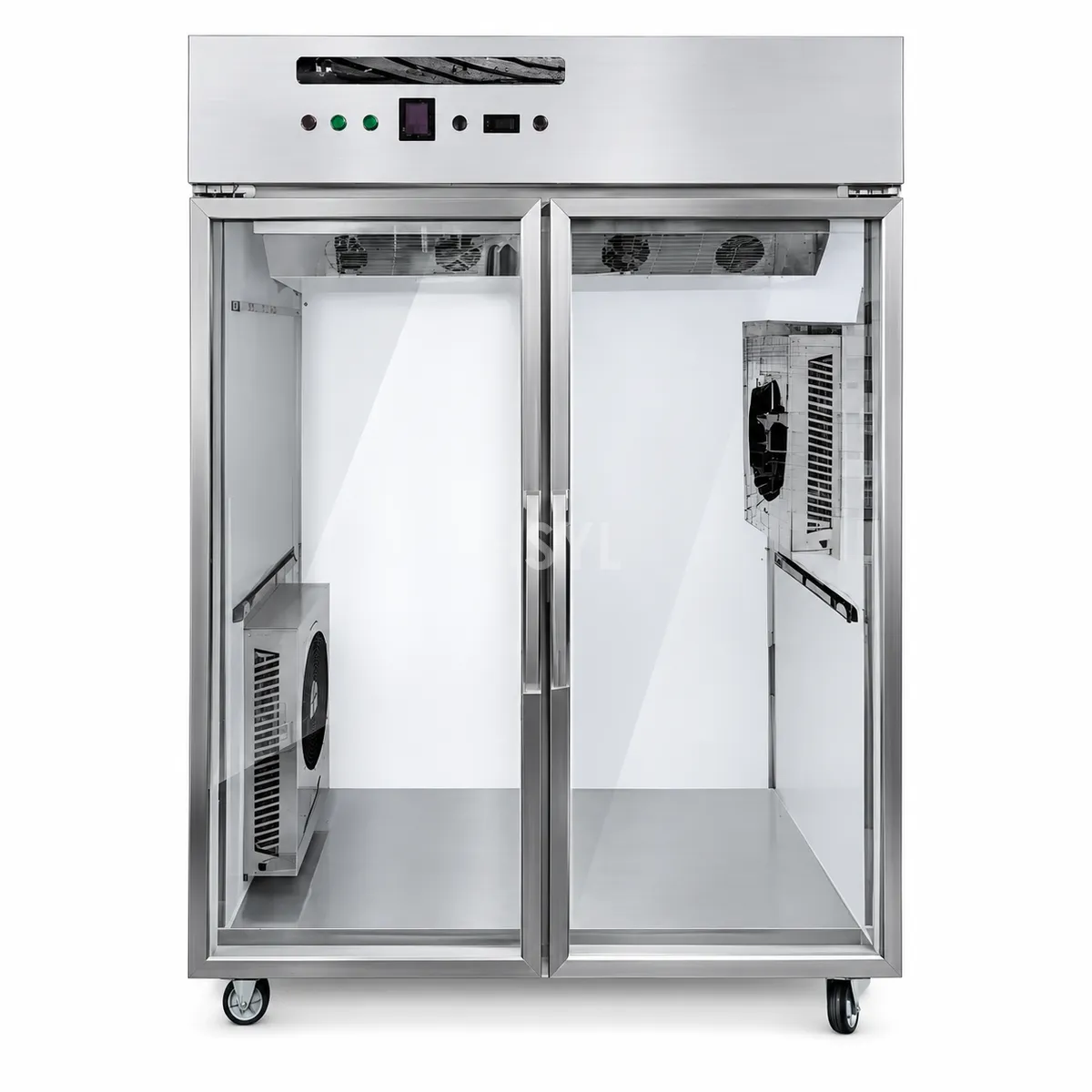
Direct Answer / Key Takeaway: Specify export packaging for stainless steel kitchen equipment around handling, removable parts, surface protection, wood packaging and receiving evidence.
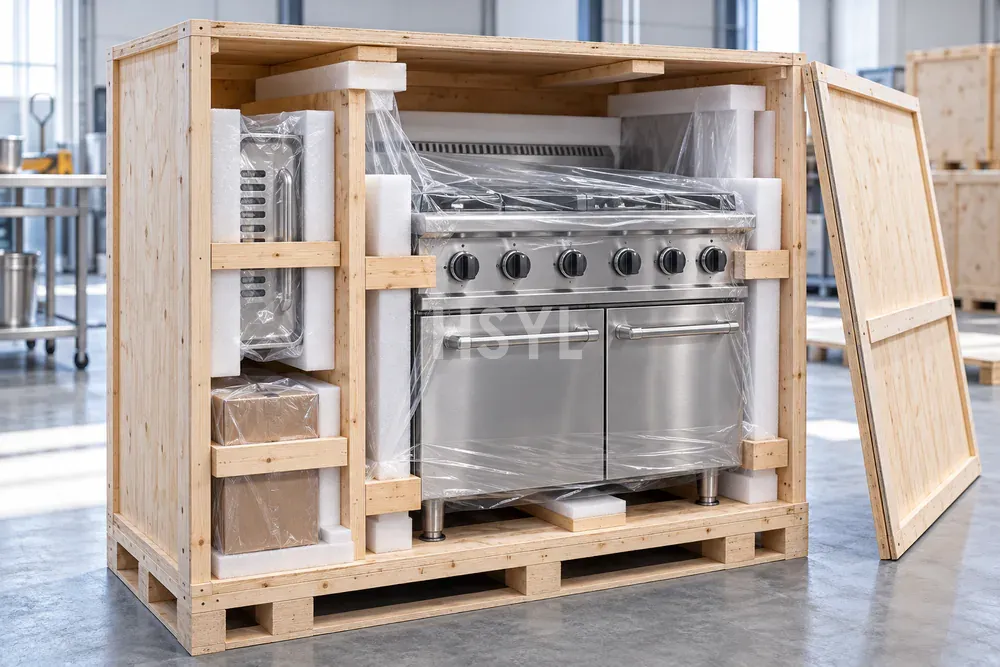
Export packaging for stainless steel kitchen equipment should be specified as part of the shipment, rather than decided after the appliance is finished. A crate that encloses the equipment can still leave a door free to move, a drain fitting exposed or a polished surface rubbing against a restraint. Packaging needs to address those individual interfaces.
Begin with the final equipment configuration, transport route and handling plan. The packaging supplier needs the actual dimensions, mass and approved support locations. A catalogue photograph is not enough to design a restraint system or confirm a lifting arrangement.
Create an item-level packing specification
Give every shipped appliance and accessory a packing identity tied to the purchase order. Record whether components travel installed or separately, and identify the documents needed at the receiving end. Packaging dimensions must describe the packed unit, including its base and any protrusions.
| Item | Information to confirm | Receiving evidence |
|---|---|---|
| Main equipment | Final configuration, mass and support arrangement | Packing identity and overall-condition photographs |
| Doors and movable parts | Approved transit restraint and release method | Inspection before restraints are removed |
| Loose accessories | Quantity, separate protection and package location | Count against the packing list |
| Fittings and controls | Protection against contact and handling damage | Close-up condition record |
| Documents | Manuals, drawings and shipment references | Document receipt and revision check |
Keep a clear distinction between an approved lifting point and a convenient-looking part of the appliance. Handles, sheet edges and pipe connections should not acquire a lifting function merely because they are accessible.
Review surface contact and moisture exposure
Confirm what touches each finished surface and whether that contact remains stable during transport. Protective materials and adhesives should be compatible with the surface and removable using the supplier's instructions. Record when temporary films must be removed; indefinite retention is not a universal protection method.
Describe foreseeable storage and transshipment conditions to the packaging specialist. Ask how the proposed packaging manages those conditions and how the receiver should store the packed unit. Do not describe a crate as waterproof or seaworthy without an agreed specification and supporting evidence.
Account for the whole route
A hypothetical shipment may leave the factory in one crate, transfer through a consolidation warehouse and arrive at a site with a smaller unloading vehicle. Review the handoffs before dispatch. The same packed dimensions and mass need to reach each handler, along with the approved handling method.
If repacking or partial unpacking is planned, define who performs it and what must be inspected and recorded. Removing a crate wall to fit an access route can change the protection and restraint arrangement. Treat that as a planned packaging change, not an improvised receiving shortcut.
Check wood packaging requirements for the destination
The IPPC's ISPM 15 resources cover regulation and implementation of wood packaging material. Confirm the applicable destination and transit requirements with the responsible authorities and shipment specialists. Equipment composition does not determine whether the separate pallet or crate material falls within those requirements.
Where regulated wood packaging is used, obtain the relevant evidence through the authorized packaging supply chain. Do not create a treatment claim, inspection statement or IPPC mark for the shipment. Keep photographs and supplier documentation associated with the actual packages being dispatched.
Plan receiving before dispatch
Send the packing list and handling information to the receiver before arrival. Agree where condition photographs will be taken and where removed packaging and accessories will be stored. Follow the actual carrier and purchase-contract procedures for recording discrepancies; do not assume a universal reporting deadline.
Compare the package identity, equipment identity and accessory count before commissioning. Packaging acceptance, equipment installation and functional acceptance are separate records. An undamaged crate does not prove that the appliance operates correctly, and a powered appliance does not resolve a missing accessory.
For a stainless steel equipment order, review the final drawing, packed envelope and receiving conditions together. That gives the packaging plan a defined equipment configuration and a practical endpoint.