Direct Answer / Key Takeaway: Plan blast chiller probe placement with identified products, containers, measurement points and instrument evidence. Keep a traceable cooling record.
Blast chiller probe placement connects a cooling trial to the actual food being assessed. A cabinet display, an unrecorded probe location and a final isolated reading cannot establish a traceable food-cooling result. The measurement record must identify the product, container, position, instrument and process conditions.
Agree the method with the responsible food-safety and production team using the actual chiller's operating instructions. The goal is to produce evidence for the approved process, not to find the most favourable point on a temperature curve.
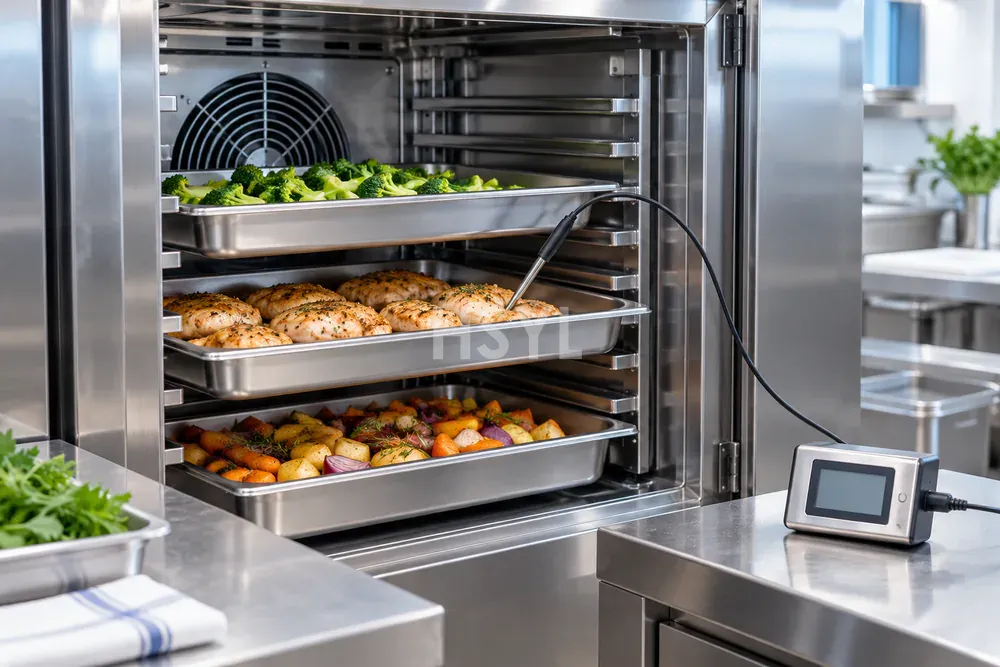
Choose the product condition that needs validation
Identify the recipe, initial condition, presented quantity, container geometry and load arrangement. Keep differences in depth, product structure and composition visible. A measurement from a thin sample does not automatically describe a deeper routine container.
Determine the representative or limiting conditions through the approved validation method. Do not assume that one nominal centre point is suitable for every product and container. Record how the measurement locations were selected and what decision each location supports.
Describe placement so it can be repeated
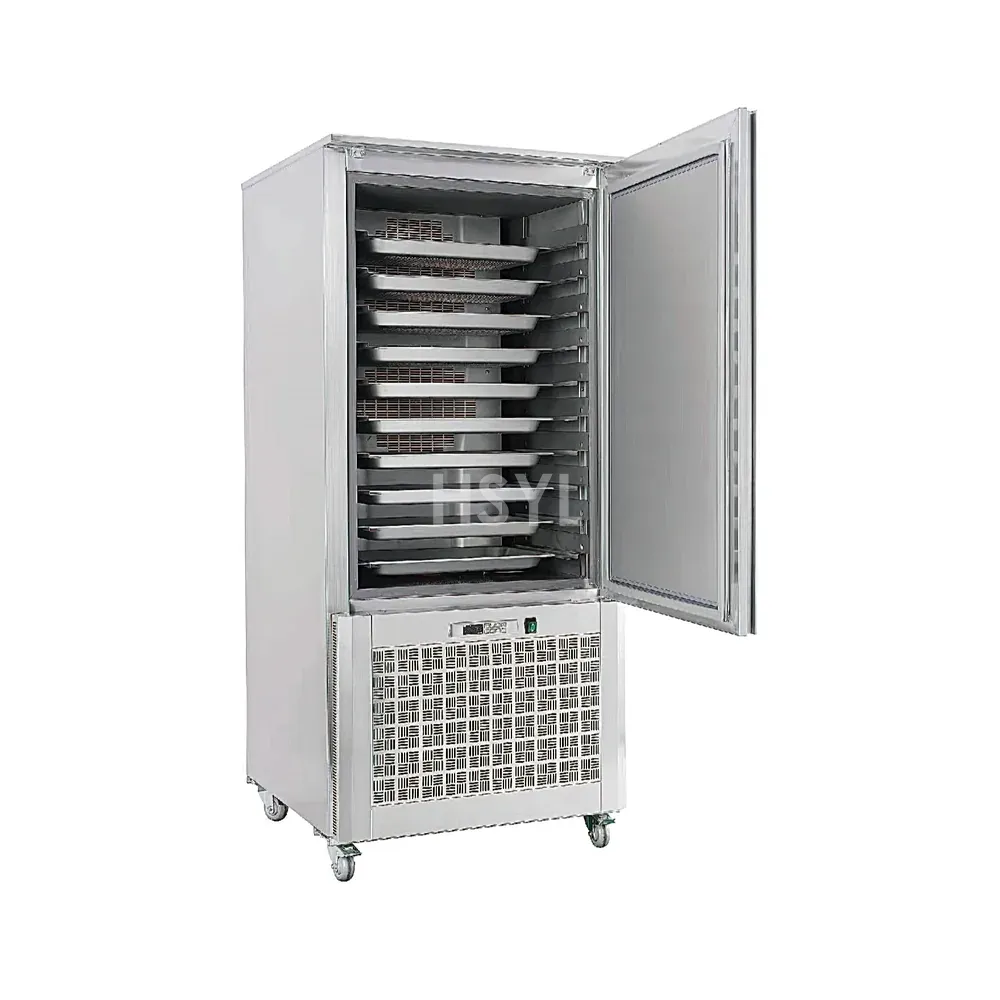
Give the container and chiller position identifiable references. Record the probe's location within the product, the relevant sensing arrangement and the permitted positioning method. Use the instrument and equipment instructions and the facility's approved hygiene procedure.
| Measurement identity | Information to retain |
|---|---|
| Product | Recipe, starting condition and quantity |
| Container | Geometry, working fill and identified load position |
| Probe | Instrument, location and approved method |
| Time | Relevant process boundary and recording interval |
| Criteria | Approved decision rule and reviewer |
Photographs or diagrams can support the location record if they preserve the reference and do not substitute for required written details. If a probe is moved or a container is relocated, mark the event in the data rather than treating the later readings as one unchanged condition.
Check the measurement system
Retain the relevant instrument verification or calibration information, permitted range and method. Select a recording arrangement capable of supporting the agreed process decision. A long interval or an undocumented manual reading sequence may leave an important transition unclear.
NIST's guidance explains that traceability alone does not guarantee fitness for purpose. The uncertainty and complete method must suit the actual measurement need. A calibration label should not be treated as automatic approval of every probe location or cooling record.
Keep the curve tied to the operating sequence
Record loading, authorized process start, relevant door events and the agreed completion boundary. Retain cabinet observations separately from food measurements. Include a missing reading or interruption explicitly and let the responsible reviewer decide its effect on validity.
For example, an illustrative record can identify three product containers at different load positions with synchronized observation times. The result remains three identified records, not a licence to average them and hide a condition outside the approved criterion.
Use the requirements governing the operation. The official chilling guidance is background; the actual approved process determines acceptance and the handling of any failure.
Release a repeatable monitoring arrangement
The final method should state the permitted product and container conditions, locations, instrument evidence, recording sequence, acceptance criteria and responsible review. Reassess it when recipe, load, equipment or measurement arrangement changes.
Connect the record to the blast chiller loading and sizing brief. Capacity and cooling validation need a common identified load, while the measurement plan provides evidence of the food process actually demonstrated.