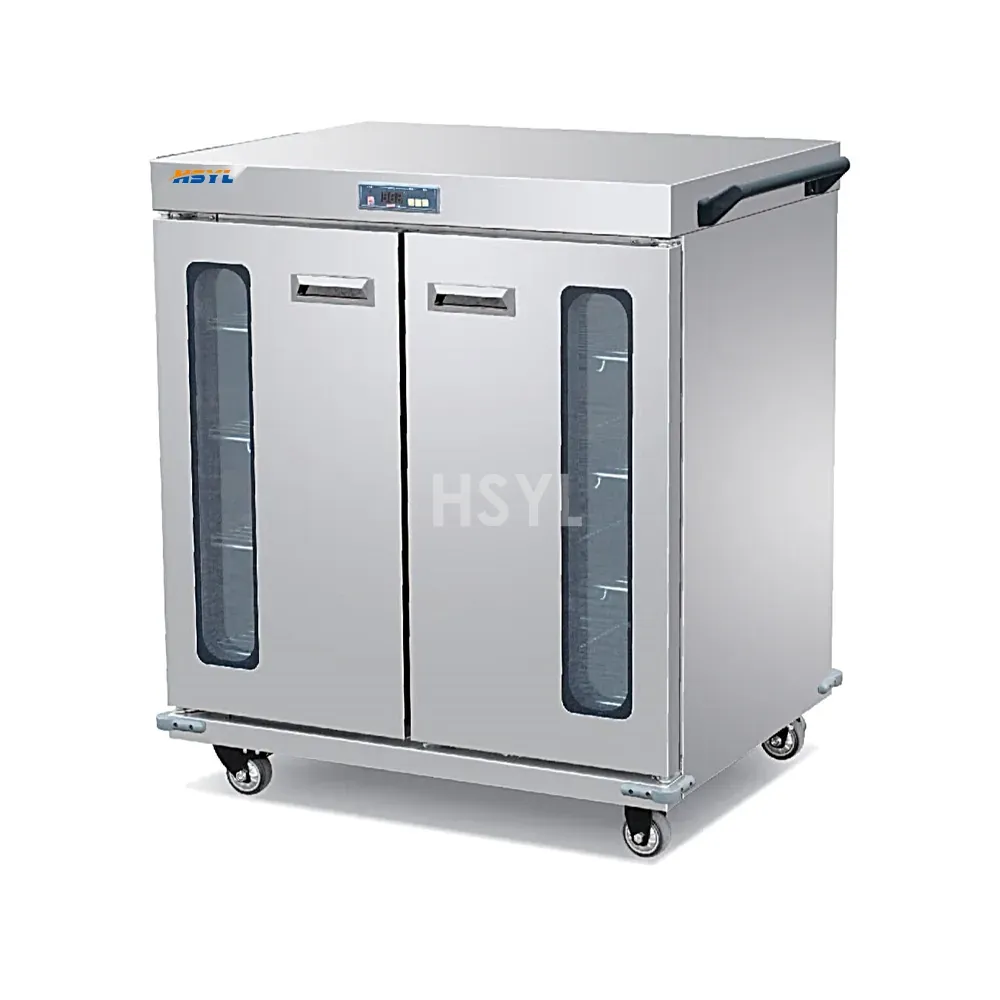
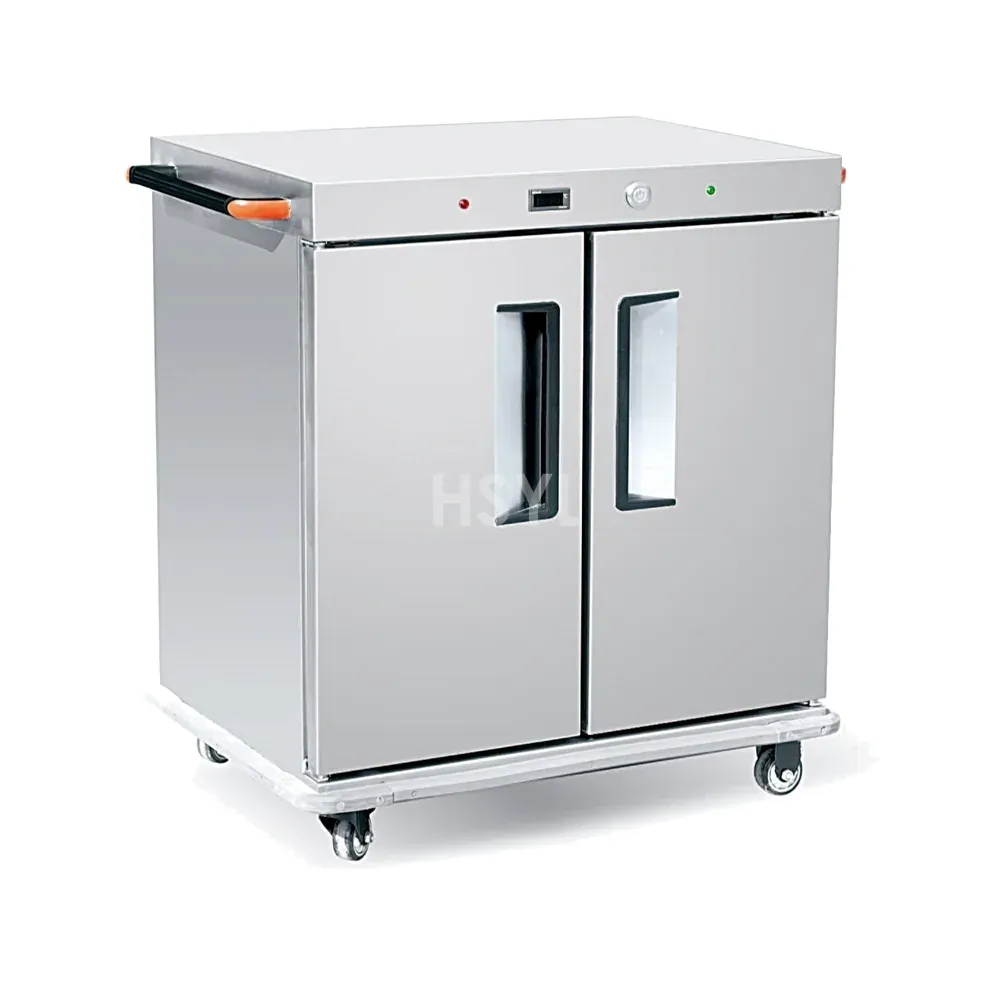
Direct Answer / Key Takeaway: Plan a meal delivery cart cleaning workflow from dirty return through approved cleaning, drying, inspection and release. Include the full circulation time.
A meal delivery cart cleaning workflow ends when the identified cart is released for its next permitted use. Arrival back at the kitchen is only the beginning. Inspection, approved cleaning, drying, checks, reassembly and transfer to the clean dispatch position can occupy the equipment after the meal route has finished.
Include that return cycle in the equipment plan. A fleet that appears sufficient for outbound meals can become unavailable when several carts are still undergoing the required return work.
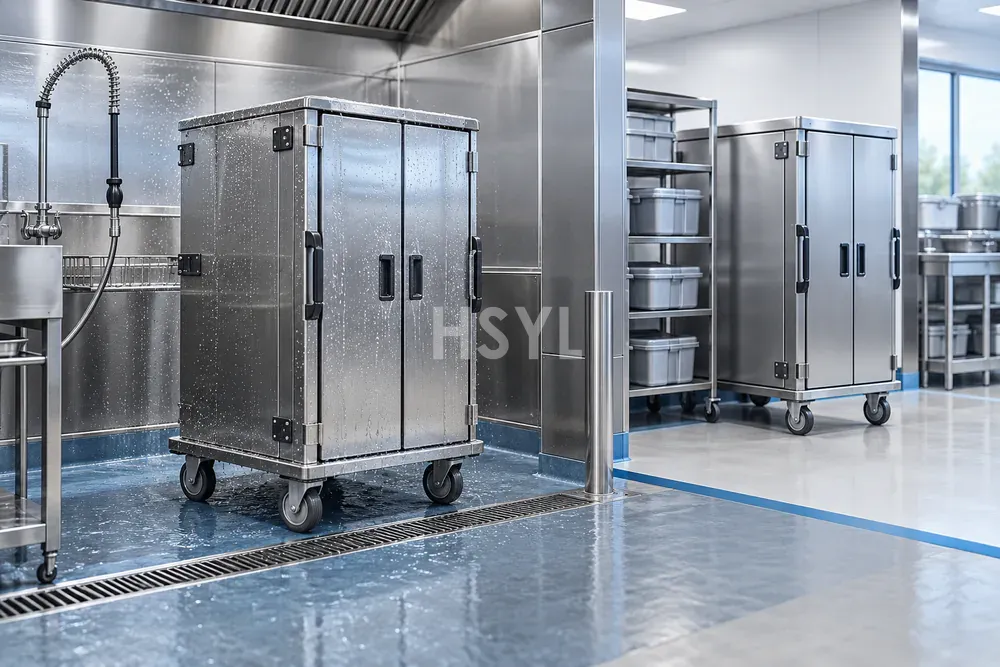
Give returned carts a defined receiving position
Identify the route or load, return time and observed condition. Direct the cart into the approved dirty-return route rather than an unmarked position beside released meals. Keep removable containers and accessories identifiable where their handling differs from the cart itself.
Inspect under the facility's approved method for damage, retained material or an issue requiring service. Record an exception and its responsible disposition. A missing part or damaged seal should not disappear from the record when the cart is moved to cleaning.
Confirm the method for the exact configuration
Obtain the cart's current cleaning and operating information. Identify which parts are removable, which surfaces or components have specific restrictions and how electrical or control elements are protected through the approved method. Do not assign a generic washdown procedure to an unknown configuration.
The UK government cleaning guidance provides official food-business context. The actual equipment instructions and approved facility process determine the permitted treatment, verification and release conditions.
Assign trained personnel and the necessary facilities, consumables and protective arrangements. Describe the authorized procedure in the operating system rather than asking staff to infer it from a picture of a clean cart.
Track the cart through the complete return
- Record accepted entry into dirty return and identify accessories.
- Complete the approved inspection and any required segregation.
- Perform the permitted cleaning process using the released instructions.
- Complete the required drying, reassembly and inspection conditions.
- Record the authorized clean-release decision.
- Move the cart through the approved clean route to its next task.
Keep waiting time visible between steps. A wash operation may be quick while the cart waits for an approved drying or inspection position. Removing that interval from the circulation model can produce an unrealistic fleet count.
Measure availability, not only washing duration
For each identified cart, record departure, return entry and release for the next task. Distinguish equipment occupation from operator attendance. If a person serves several carts through the sequence, record the overlap and queue rather than multiplying one observation by the entire fleet.
In an illustrative planning case, four carts return before the next dispatch wave, but only two reach their defined release boundary in time. The next-wave plan has two released carts available from that set, not four. These counts illustrate availability reporting; they are not a recommended fleet size or cleaning duration.
Make release status visible at dispatch
Define how staff distinguish a returned cart, one awaiting a check and one released for food transport. Use the site's controlled identity and status system so an incomplete cart cannot be mistaken for ready equipment.
Review the process when the cart model, accessories, route, food role or cleaning instructions change. Include relevant issues in the food transport equipment enquiry, with actual return waves and release records. The supplier can then assess the supported configuration and circulation requirement rather than a count based solely on outbound trays.