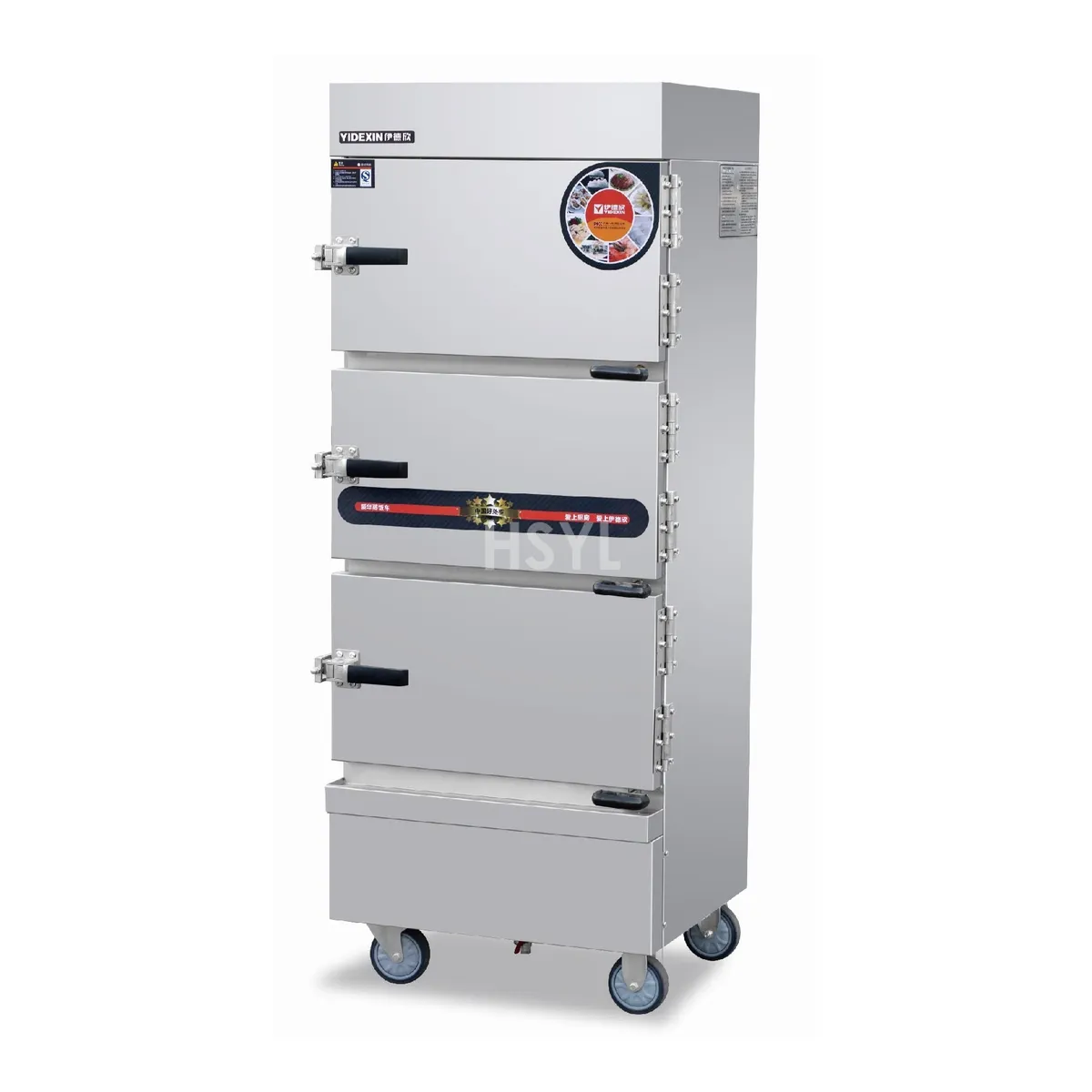
Direct Answer / Key Takeaway: Organize rice cooker changeover around the actual removable parts, residue checks, approved cleaning method and a clear handover before the next batch is loaded.
Rice left around a vessel rim or trapped on a removable part can make the next batch harder to prepare consistently. A useful changeover procedure names the parts being cleaned, the person checking them and the point at which the cooker is ready to reload. It should be written for the actual cooker rather than copied from a gas burner or conveyor maintenance sheet.
Start with the supplied parts list
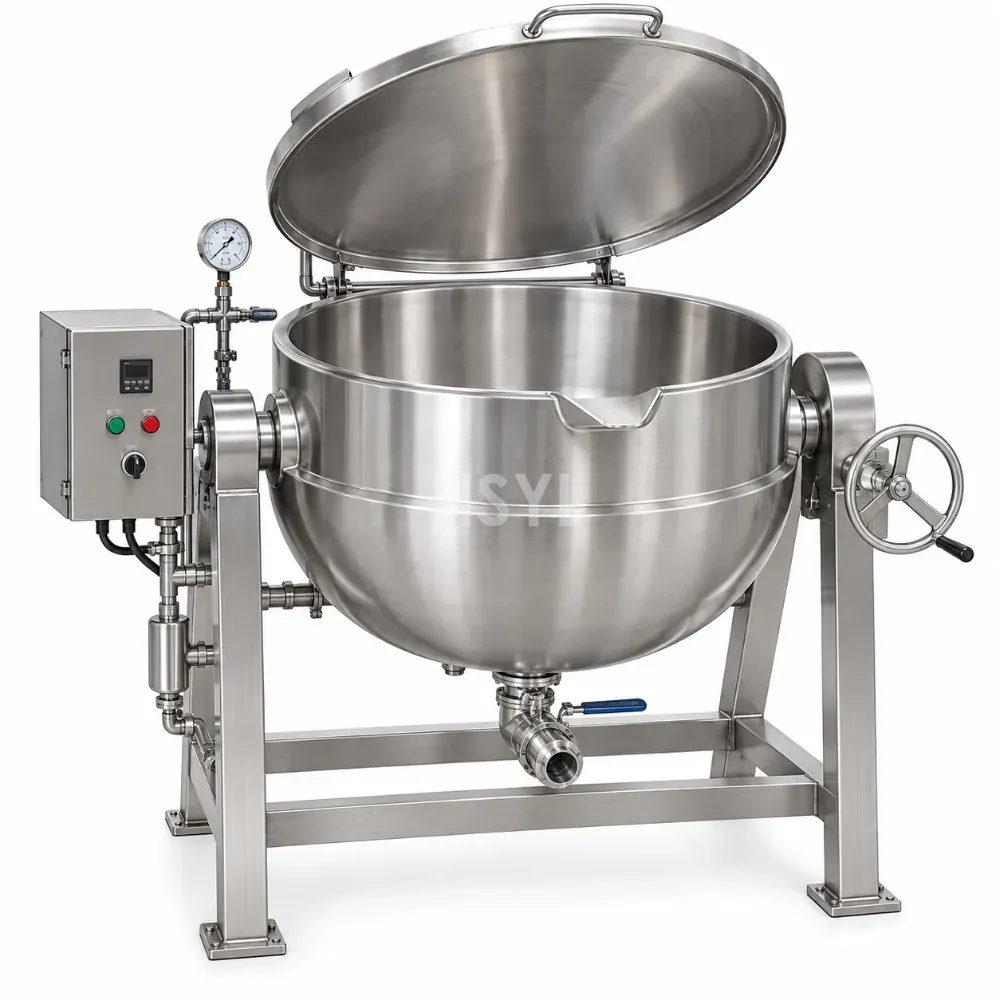
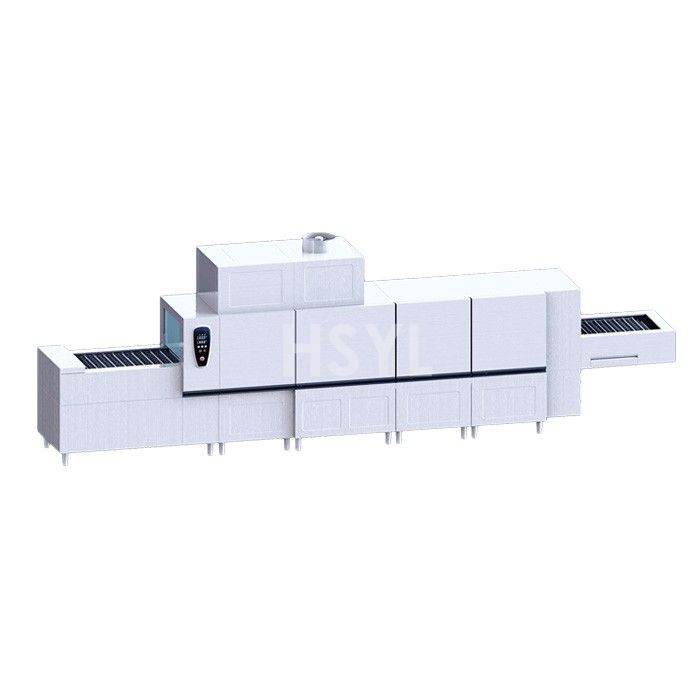
Identify the cooking vessel, removable lid parts, seals, condensate collection and other components included on the delivered model. Some items may be removable by an operator; others may need service access. Use the operating instructions to distinguish them before dismantling anything.
The E-ZNBP entry in the catalog describes an electric cooker with selectable rice modes. It does not justify instructions for cleaning gas jets, lubricating conveyor rollers or opening electrical control assemblies. A maintenance list should reflect the unit in the kitchen, including any additional equipment used for washing or loading rice.
Remove residue using the permitted method
Follow the model's shutdown, cooling and cleaning sequence. Separate removable food-contact parts as instructed and keep their identification clear if several cookers are being cleaned together. A part returned to the wrong unit can undermine a procedure that appeared to be completed correctly.
Check the vessel's working surface and rim without applying an abrasive tool or chemical that has not been accepted for its material and finish. If residue repeatedly remains in the same location, record the condition rather than escalating to progressively harsher cleaning. Tell the supervisor about visible damage or an altered surface so it can be assessed before the next batch.
Keep the controls and outer enclosure out of the wash stream
Use only the exterior-cleaning method permitted for the appliance. Do not infer a hose-cleaning allowance from the stainless steel appearance or from another machine on the same line. The cleaning team needs to know which areas must remain dry and which parts can be washed separately.
Keep the cleaned components in an appropriate protected arrangement while the cooker is being reassembled. Replace only those items and in the orientation permitted by the instructions. A rushed changeover should not rely on memory about an unfamiliar seal, vent component or collection tray.
Define the reload handover
The person releasing the next batch should confirm that the required cleaning and reassembly have been completed, that there is no unresolved damage and that the correct vessel and accessories are present. The kitchen's food-safety and hygiene procedure determines the sanitation and product-handling controls; this article does not set a universal chemical dose or safe waiting period.
If an issue prevents the cooker being released, record the equipment status where the next operator will see it. Reassign the next batch through the production plan instead of loading an appliance still awaiting inspection. Repeated residue or damage observations should be carried into the service record, together with the recipe and cleaning method used.