Direct Answer / Key Takeaway: Keep a charbroiler‘s grates, radiants or lava-rock arrangement identifiable during cleaning, with clear operator limits and a recorded reassembly check.
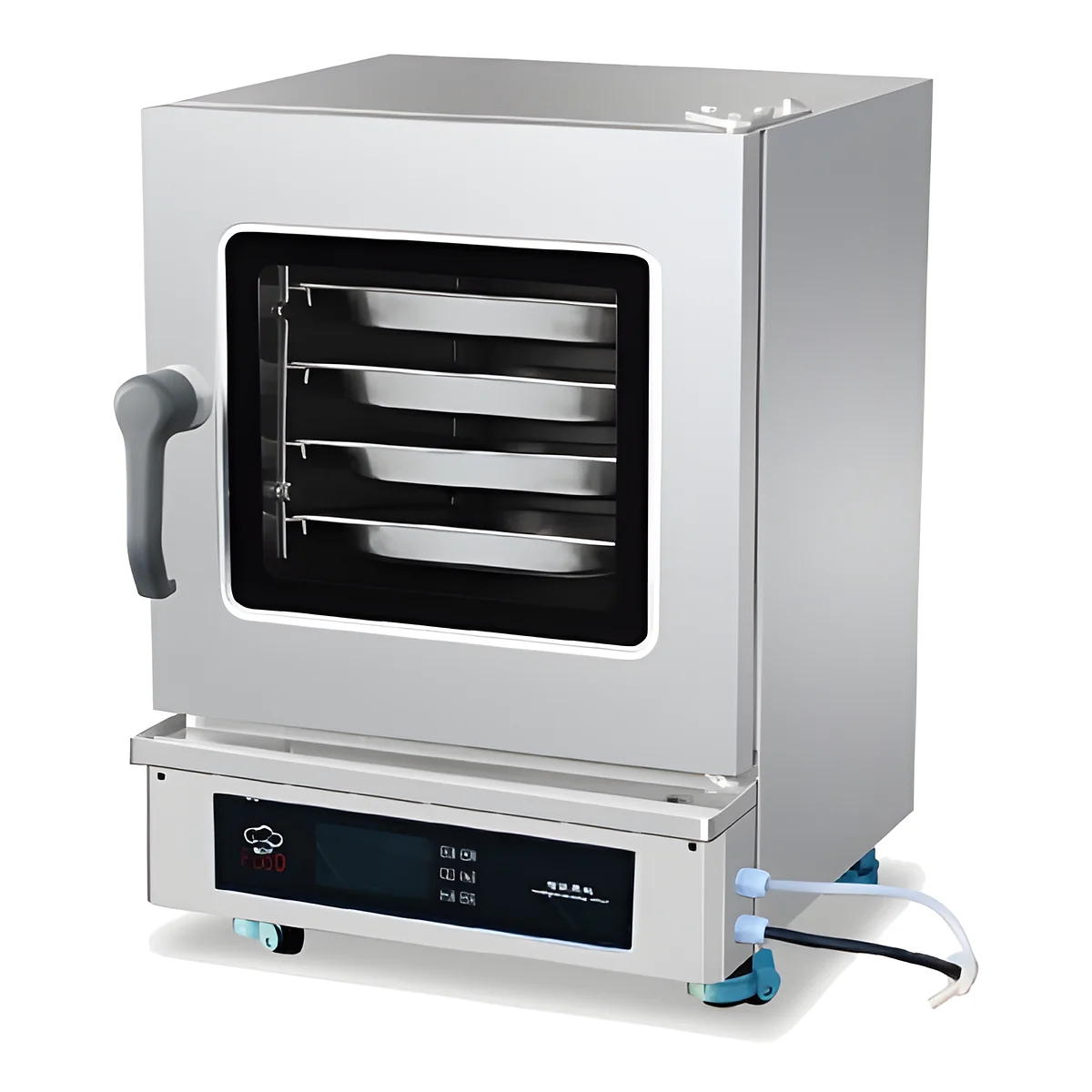
A charbroiler is not just a set of cooking bars above a heat source. The components beneath the grate may be part of the way the selected model distributes heat and handles drips. Cleaning should preserve the identity and arrangement of those parts, rather than treating every grill component as interchangeable.
Know which charbroiler is being cleaned
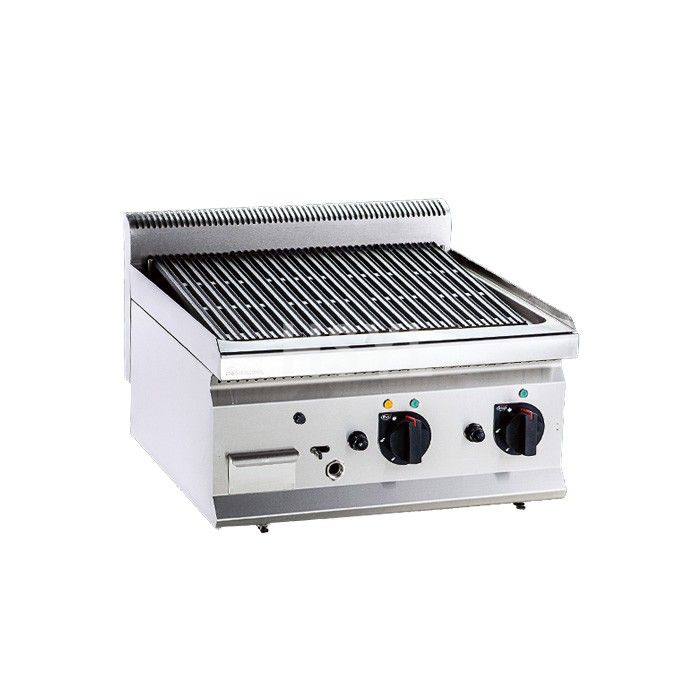
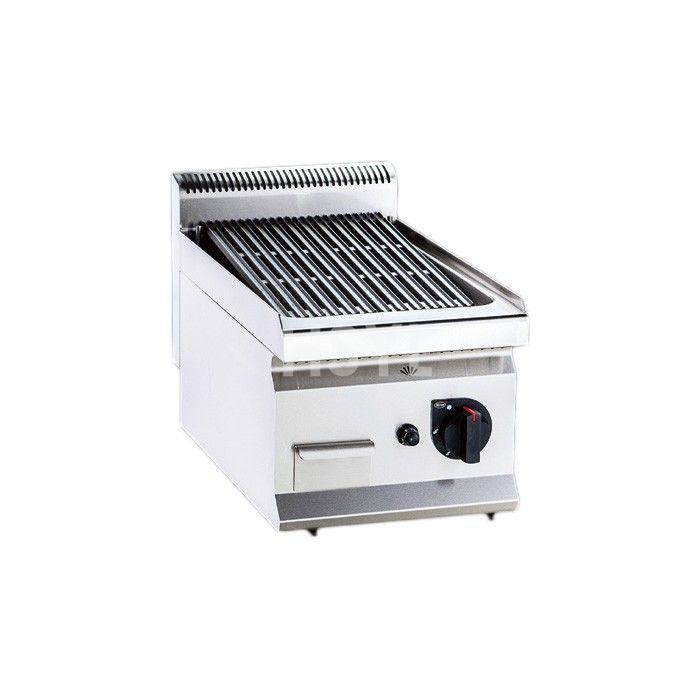
The catalog identifies HC9040-G as a gas lava-rock charbroiler. Another model may use a different heat-distribution arrangement or energy source. Confirm the model on the equipment and use its own cleaning instructions, including the permitted shutdown and cooling conditions.
Do not assume that grates, radiants, lava rock or supports can be moved between adjacent appliances because their width looks similar. Keep a clear record of the components removed from each unit. Where orientation or location matters, use the manufacturer's component documentation or an accepted identification method that does not contaminate a food-contact surface.
Separate the cooking surface from the parts below it
Follow the approved method for the grate material and finish. Cast iron, coated surfaces and other constructions do not justify one universal scraping, soaking or seasoning instruction. An aggressive tool that removes a deposit can also alter a surface the operator is expected to preserve.
For the parts below the grate, establish which items the operator may remove and how the manual says they should be cleaned or replaced. Do not wash electrical or gas-control components or improvise burner-port work as part of routine cleaning. Report a damaged or uncertain part for assessment instead of reinstalling it simply to complete the checklist.
Make the grease path visible
Inspect the accessible collection route described for the model, including the tray or container used by staff. The route should be clear of accumulated material and assembled as intended before the unit returns to use. Check that the final cookline position still allows the collection component to be removed without awkward contact with neighboring equipment.
A completed cleaning record should distinguish the cooking surface, removable heat-distribution components and grease collection. Combining everything into one tick marked grill cleaned makes it difficult to investigate a later issue or notice that one part was never addressed.
Reassemble before releasing the station
Use the correct component arrangement and the checks required by the operating instructions. If a component's position is uncertain, stop the reassembly and obtain the right diagram or service advice. Staff should not guess a configuration or test an uncertain arrangement by loading food onto it.
Keep a short handover note covering parts removed, damage found, replacements fitted and any unresolved condition. Qualified service work belongs in its own record. This approach supports a consistent station without inventing a daily seasoning requirement or a fixed lava-rock replacement interval for every charbroiler.