Direct Answer / Key Takeaway: Measure waste by material, location and peak arrival period before choosing a pulper. Include contaminants, collection containers and the destination for processed waste.
Waste reaches a kitchen pulper in uneven batches. A daily waste total does not show the surge when meal trays return, the material introduced by packaging or the collection work after processing. A sizing enquiry needs a short waste-stream audit before it needs a nominal kilograms-per-hour figure.
Map where each material originates
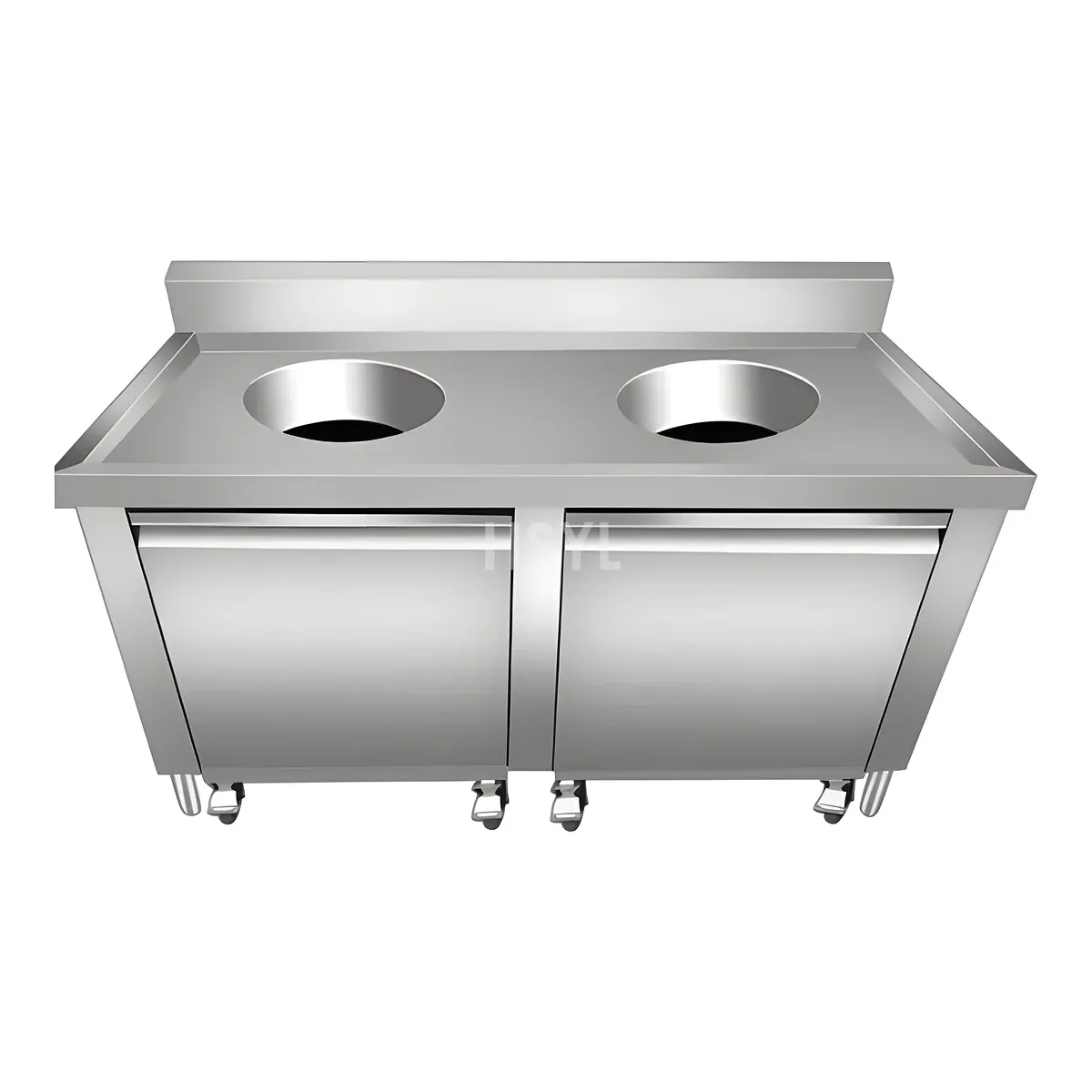
Keep preparation trimmings, returned food and packaging visible as separate streams in the survey. Record the point where each is collected and who moves it. An outlet beside a preparation bench may receive a different mixture from a central dish-return station, even when both are described as food waste.
Plot those movements on the site's actual plan, using the cross-traffic planning guide to review shared routes. Identify crossings with clean utensils, finished food and deliveries. A remote pulping arrangement may change collection routes; it does not remove the need to decide where staff sort or introduce materials.
Collect evidence during the difficult period
- Define the observation period and the operating conditions, including meal count and menu.
- Use the site's approved collection and weighing procedure, with empty-container weights accounted for.
- Record arrivals in practical time intervals so that peak accumulation remains visible.
- Describe the mixture and the container volume as well as its mass.
- Record excluded or unwanted materials through a safe site procedure; do not hand-sort a potentially hazardous mixed stream.
The observations should include a representative busy cleanup, not only a quiet preparation shift. Note how much material has already been separated or collected elsewhere. Otherwise the supplier may be asked to size for a mixture different from the one the kitchen will actually feed.
Check what the selected system is allowed to receive
Provide the audit to shortlisted manufacturers and request a written accepted-material schedule for the proposed configuration. Do not assume that a machine called a food waste pulper accepts every disposable item or hard object. Identify the sorting responsibilities that remain with the kitchen and how an unsuitable item is reported.
Discuss the full system boundary. Manufacturer Somat describes remote pulpers connected to extraction equipment, illustrating that an advertised pulper rate can relate to only one stage. Ask which components, connections and collection duties the quotation includes. Do not transfer another manufacturer's performance claims or material permissions to an unspecified unit.
Include the processed-waste destination
Identify the receiving containers, their movement route and the service that will take the output away. Confirm acceptance with that receiver before claiming that processing creates a compostable or otherwise approved waste product. Keep liquid and solids handling within the applicable project arrangements rather than assuming either can be discharged wherever convenient.
Set acceptance criteria around the actual mixture and arrival pattern: accumulation at the feed station, required staff handling, output collection and the complete time needed to clear the observed peak. The audit then supports a specific supplier proposal without inventing a universal capacity, reduction percentage or disposal permission.