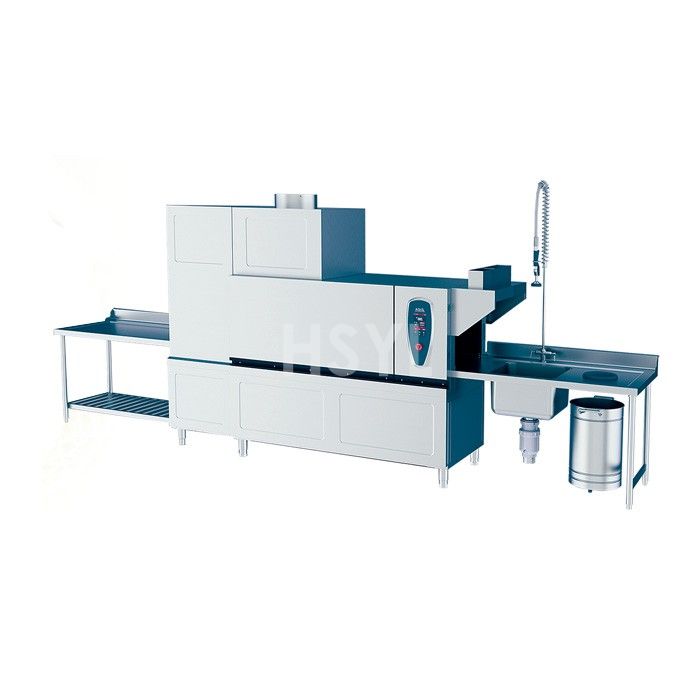
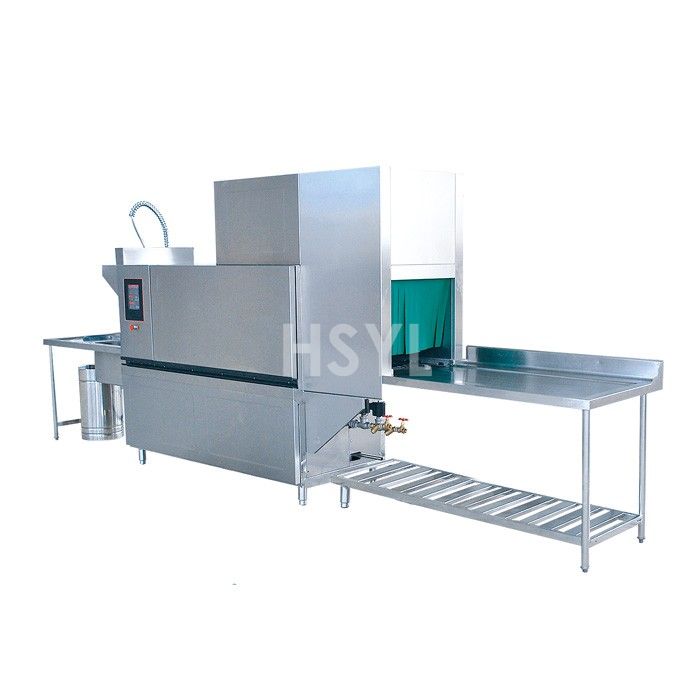
Direct Answer / Key Takeaway: Identify permitted removable wash parts and their actual care instructions. Carry cleaning through correct reassembly and operating checks instead of treating an automatic cycle as the whole task.
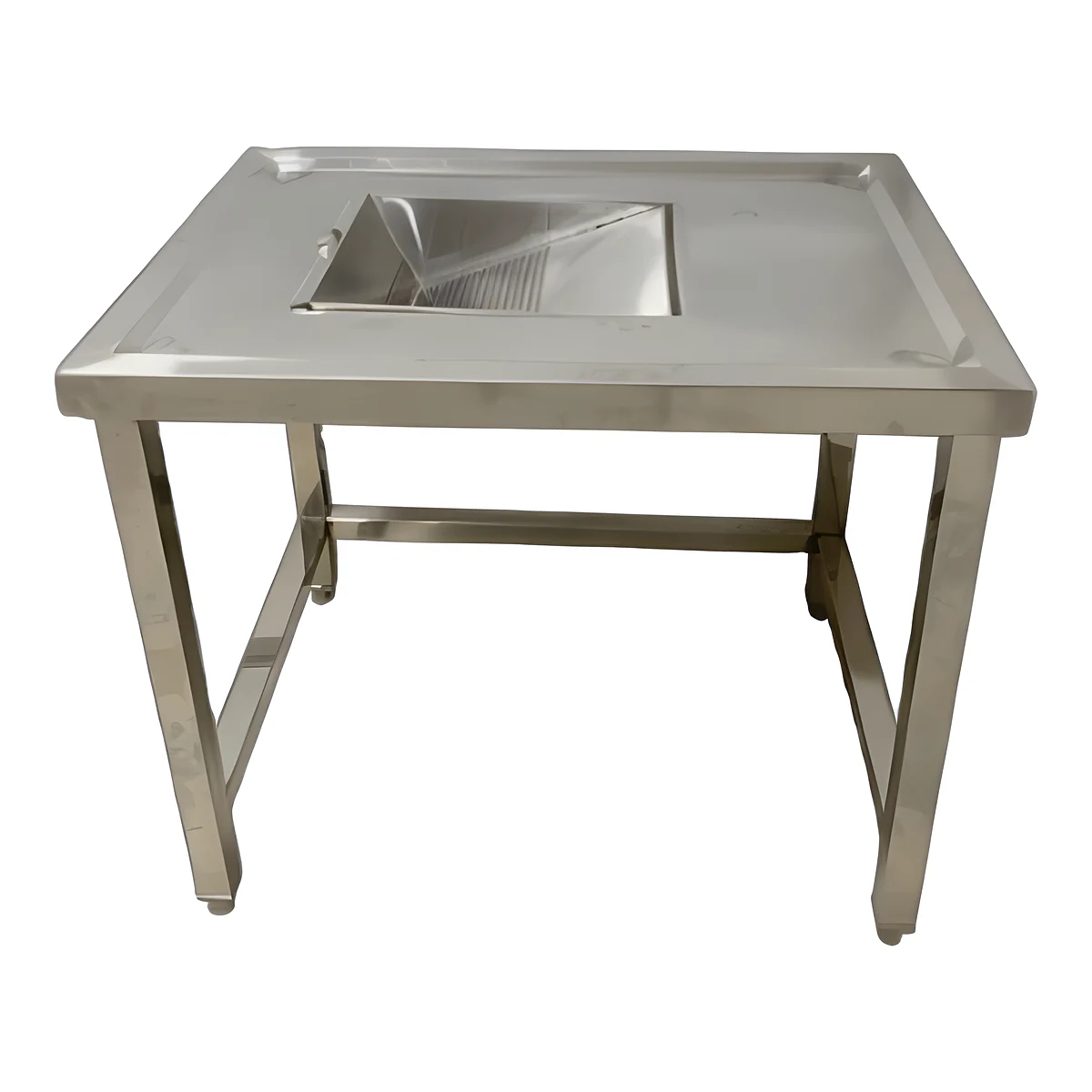
A self-cleaning programme and manual care can cover different parts of a utensil washer. Identify the actual model's cleaning tasks before assuming the machine has finished all of them. Correct refitting matters as much as removing visible soil.
For a named example, the manufacturer-linked Winterhalter GS 630 operating manual separates tank-draining/self-cleaning from manual interior care. Use it only for the applicable GS 630 arrangement; it does not provide a universal removal sequence for another pot washer.
Define the parts staff may handle
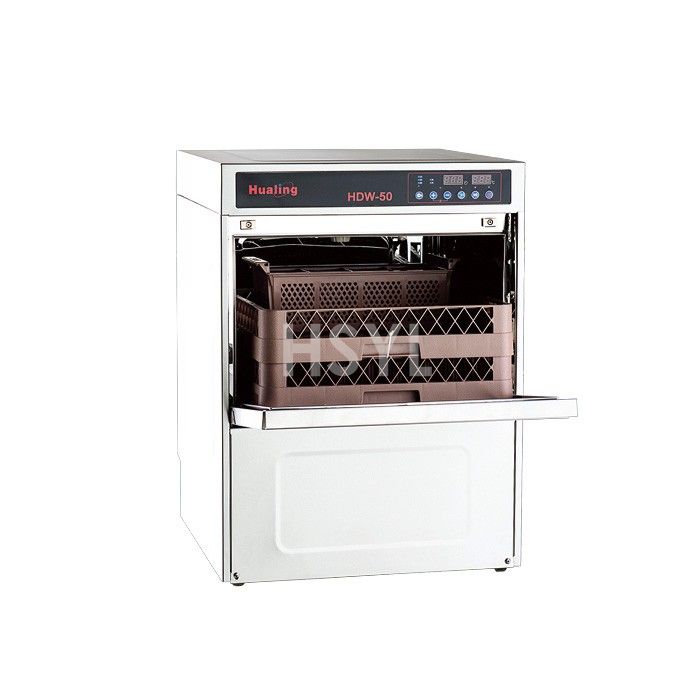
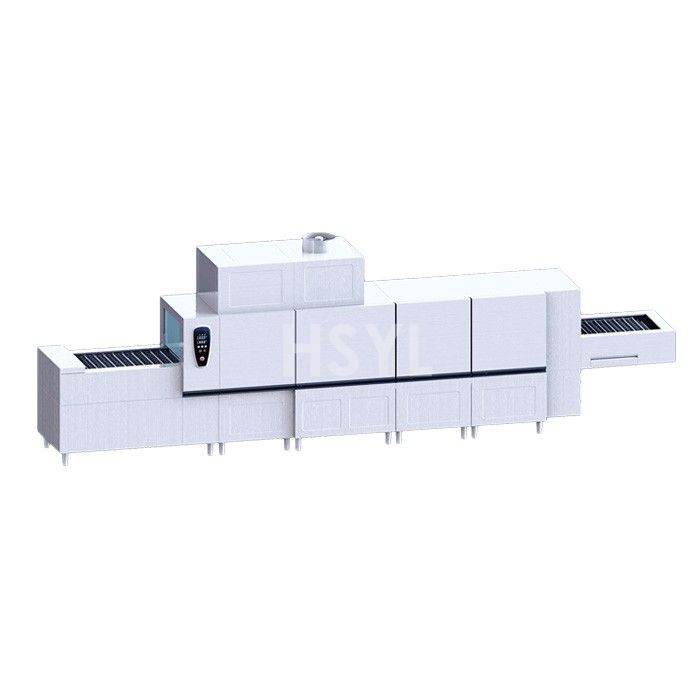
Obtain the exact machine's current applicable cleaning and parts information. Identify wash/rinse arms, filters, strainers and supports by their actual names and functions. Determine who may remove each part and what preparation, isolation, cooling and chemical protection the instructions require.
Keep a removable filter distinct from a guarded pump or heating component. If a deposit or obstruction is beyond the operator procedure, arrange competent service instead of opening another cover to reach it.
- Prepare the assigned job. Remove utensils and protect the work area through the site's procedure and the actual machine instructions.
- Clean the permitted components. Use the compatible products, tools and methods for those parts. Do not enlarge nozzle holes, force a blocked passage with an arbitrary tool or add a generic acid treatment.
- Preserve identity and condition. Keep parts and their positions distinguishable. Report a damaged fitting, distorted strainer or incomplete part rather than reinstalling it unnoticed.
- Restore the complete arrangement. Refit the required parts, retainers and supports by the prescribed method. A visually clean chamber with a missing filter is not a completed task.
- Check readiness. Complete the required operating and cleaning-release checks before utensils return to normal production.
If a wash complaint prompted the task, have the responsible people check that actual complaint afterwards. Clean nozzles alone do not establish the approved chemistry, correct loading or accepted utensil result.
Use the equipment maintenance route for unresolved access, damage or performance. Describe what was found and completed, with the model and component identity.
Give the next operator a definite outcome: the supported cleaning/reassembly is complete, or a named issue keeps the machine or function restricted. Set subsequent care from the actual instructions and use evidence, without inventing a universal descaling recipe, filter interval or pump service task.