Direct Answer / Key Takeaway: Compare what deck-oven temperature, upper/lower heat and timer controls actually do when changing pizza recipes, including which actions remain with the operator.
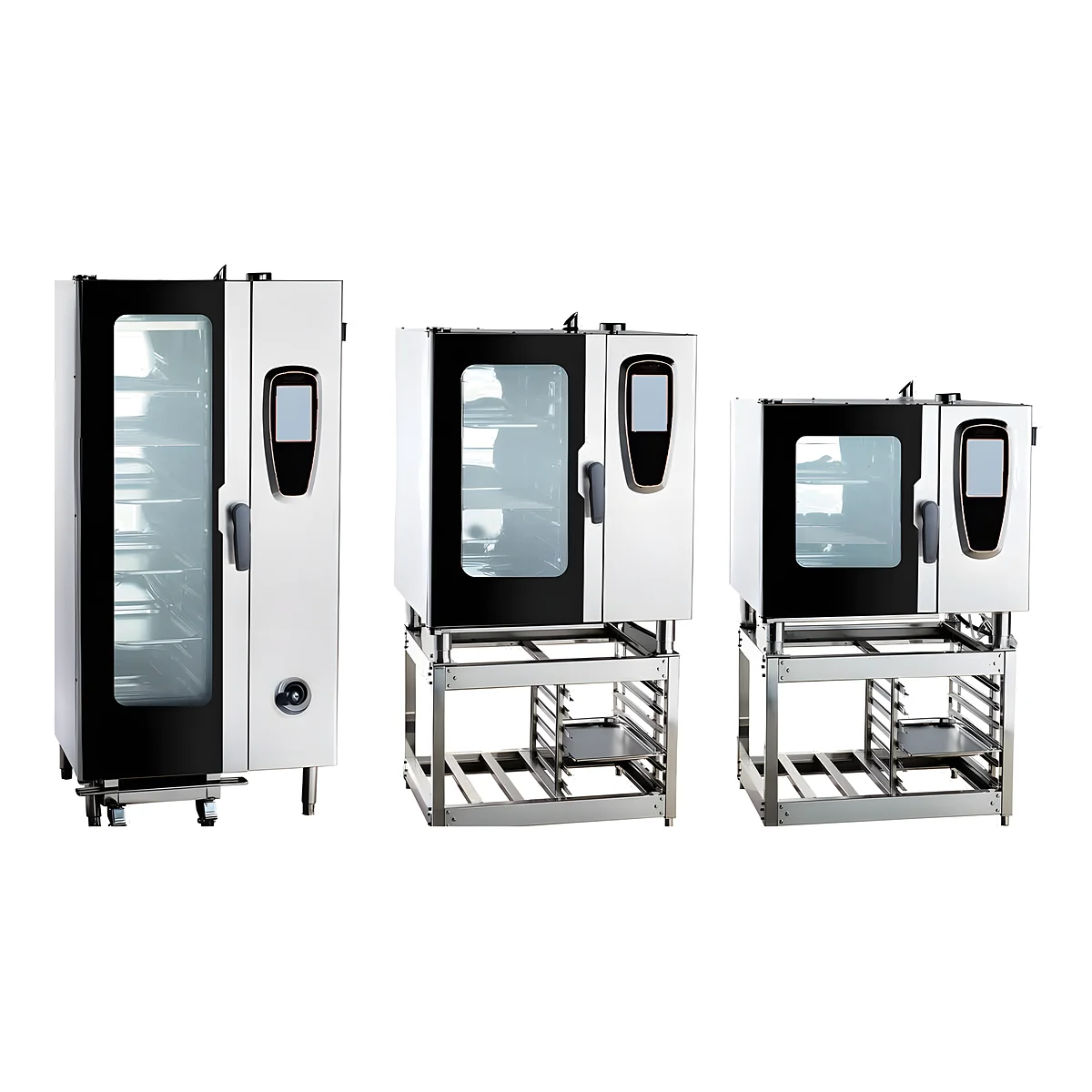
A timer, a temperature display and separate heat selectors are different functions. Before paying for a deck oven's control package, demonstrate the changes your pizza menu actually requires and identify every action left to the operator.
Give the controls a specific job
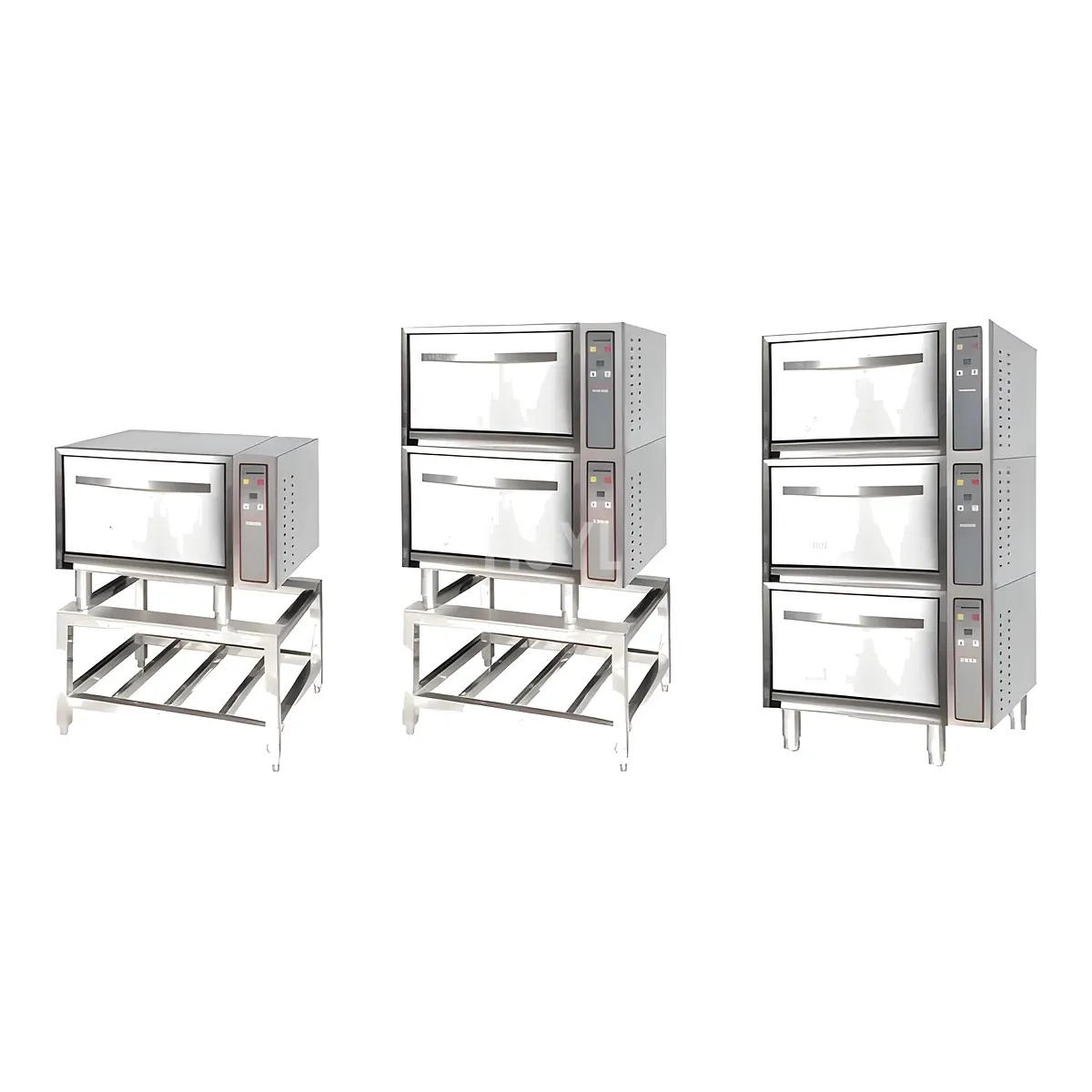
Choose two representative menu tasks, such as an accepted thin-pizza process and a pan-pizza process. Do not assume they use the same carrier or control balance. Ask the supplier to show how the offered oven changes from one accepted process to the other through normal permitted operation.
Record which settings are selected, what feedback is available and how staff know the chamber is ready for the next task. A remembered display value is not the same as an automatically executed recipe. If the unit stores a program, establish what the program actually changes and what it merely reminds the cook to do.
Ask what happens when the timer ends
In Bakers Pride's EP/EB/ER manual, the optional timer is described as an audible signal rather than a control of the heating elements. That is a useful named example of why a buyer must check function, not infer automatic shutdown from a timer label. It does not identify the behavior of an HSYL HDO control.
For the actual deck-oven offer, demonstrate the permitted end-of-cycle behavior. Identify who removes the pizza, acknowledges a signal and prepares for the next load. Include how staff handle two tasks finishing close together, without treating the timer as a food-doneness guarantee.
Separate heat balance from chamber temperature
Where upper/lower heat controls are offered, ask what each setting influences and which functions are shared between decks. Demonstrate the control sequence on the actual configuration. A second display or knob does not prove an entirely independent chamber.
Assess the menu result under the kitchen's accepted food process, using the same carriers and preparation for each offer. Include the later loads and the return from a quiet period, rather than judging only a demonstration pizza prepared on a fully settled oven. Use the supplier's instructions for any permitted operating adjustments.
Compare reproducible operator work
Have the intended staff repeat the accepted selection and recipe-change sequence. Notice ambiguous labels, settings that are easily confused and manual steps hidden in the demonstration. More control features are useful only if the kitchen can use them consistently.
Require the final quote to identify the demonstrated control version, included options and the operating instructions supplied. Choose the package that supports the menu's actual changes and staff handoff. Do not substitute a touchscreen label, a timer count or an assumed automation percentage for demonstrated behavior.