Direct Answer / Key Takeaway: Translate egg, potato and other griddle positions into complete breakfast orders, then include timing and plating so single-item output does not overstate service capacity.
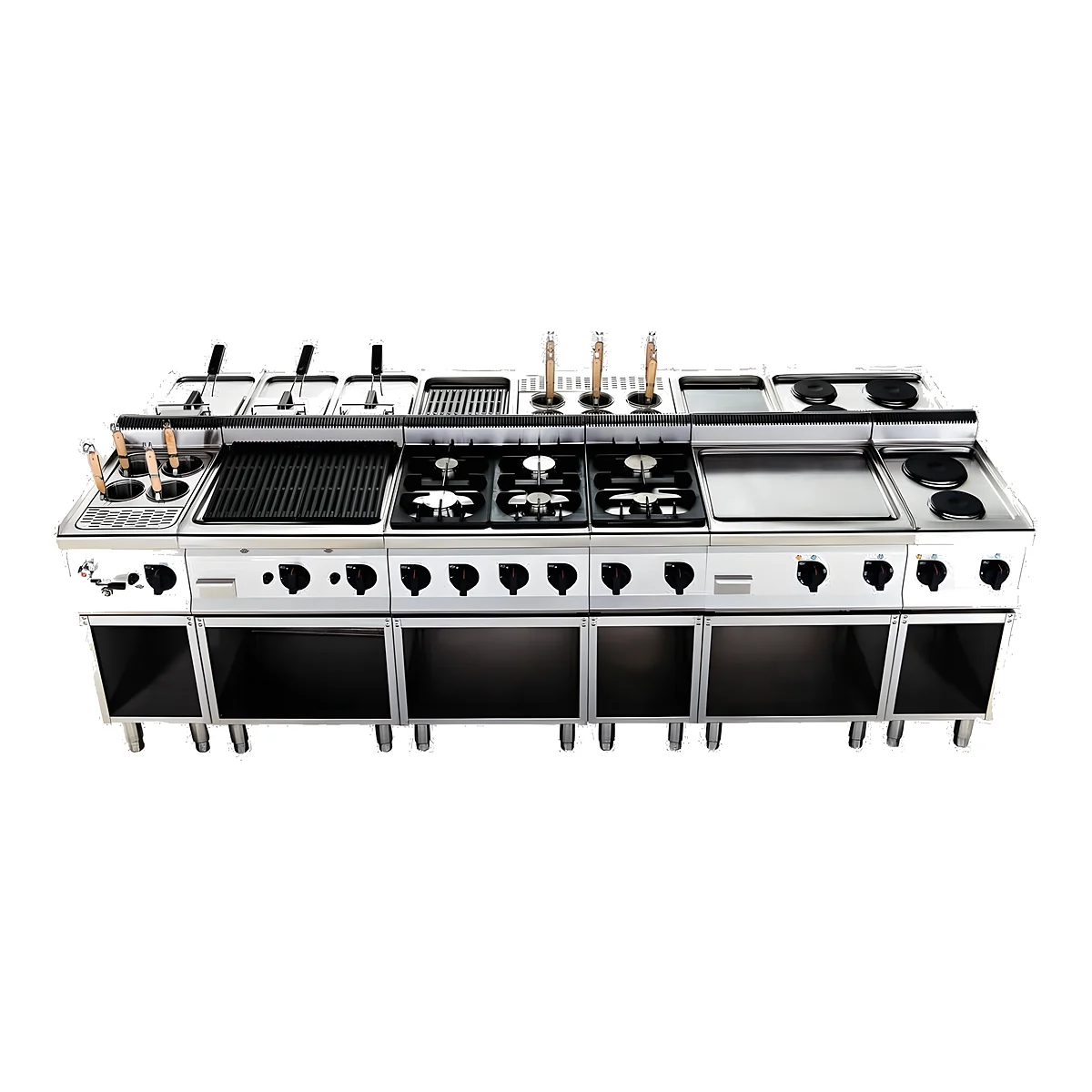
A griddle that produces six eggs in a loading set does not necessarily produce six breakfasts. Capacity depends on how many of each component the order requires and when all components reach the pass together. Plan the complete plate before converting food positions into covers.
Define one order
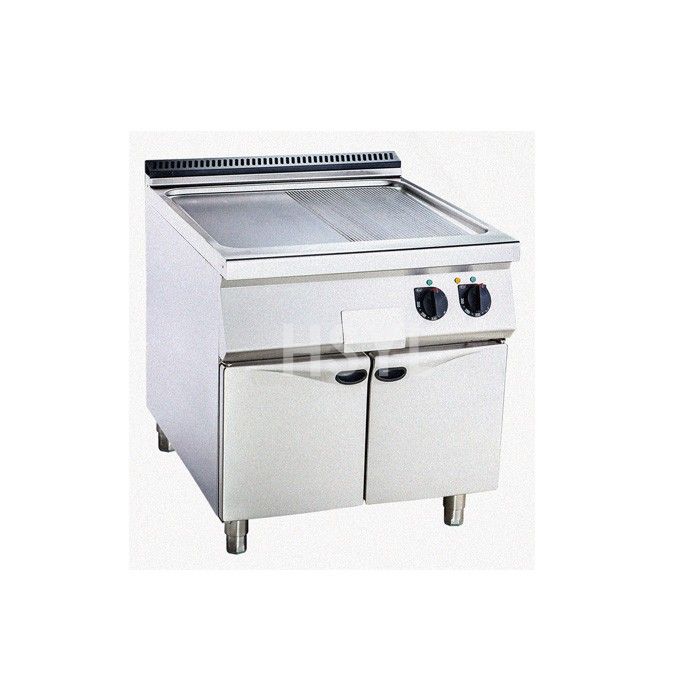
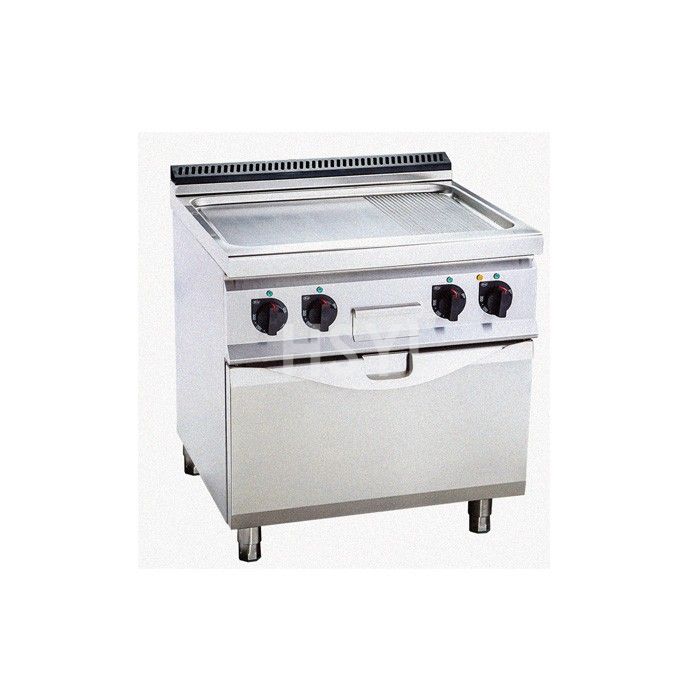
Specify the normal portion for each griddle component and identify items supplied by another station. Keep portion sizes and recipes stable during the assessment. A comparison using smaller eggs or a different potato product can change the position count and food result.
Use the actual plate surface and permitted loading arrangement. The catalog's HG7080-E entry is a full-flat steel-plate example. Use the exact offered model's documented usable cooking area and finish rather than inferring them from its external size. Confirm the offered griddle surface before drawing food positions.
An illustrative breakfast allocation
Suppose a safe product-fit assessment permits six egg positions and six potato portions in their allocated areas. The intended breakfast requires two eggs and one potato portion. The egg positions support three complete breakfasts, while the potato positions support six. The combined loading arrangement is therefore limited to three complete sets, even before timing is considered.
For ten such orders, the menu needs 20 eggs and ten potato portions. At the hypothetical position counts, eggs require at least four position sets, while potatoes require at least two. This arithmetic does not prescribe simultaneous loading or cooking times; it identifies which allocated area needs attention.
Bring the components together at the pass
Observe the actual approved cooking sequence and the point each complete plate can leave. If one component finishes earlier, include its accepted handling and quality limits rather than counting it as available indefinitely. A stack of one component does not clear an order waiting for another.
Add plating and pickup to the observation. A cook may have enough surface positions but be unable to turn, remove and plate every item at the required moment. Identify where the person or landing space becomes occupied and whether another staff member can assist through the intended workflow.
Assess the next order mix
Repeat the allocation for the other busy menu waves, such as more egg-heavy orders or a larger protein portion. A plate layout balanced for one breakfast may leave the wrong area idle for another. Include any change in permitted tools or cleaning between products.
Use the counted acceptable complete plates during the required service window as the practical result. Keep single-item output as supporting information, with the menu behind it. This lets the kitchen choose usable surface and staffing without converting a polished finish or a nominal appliance width into a meal-capacity promise.