Direct Answer / Key Takeaway: Compare lower storage by what staff retrieve, from which side and at what point in service. Include cleaning access and door movement in the pass-table decision.
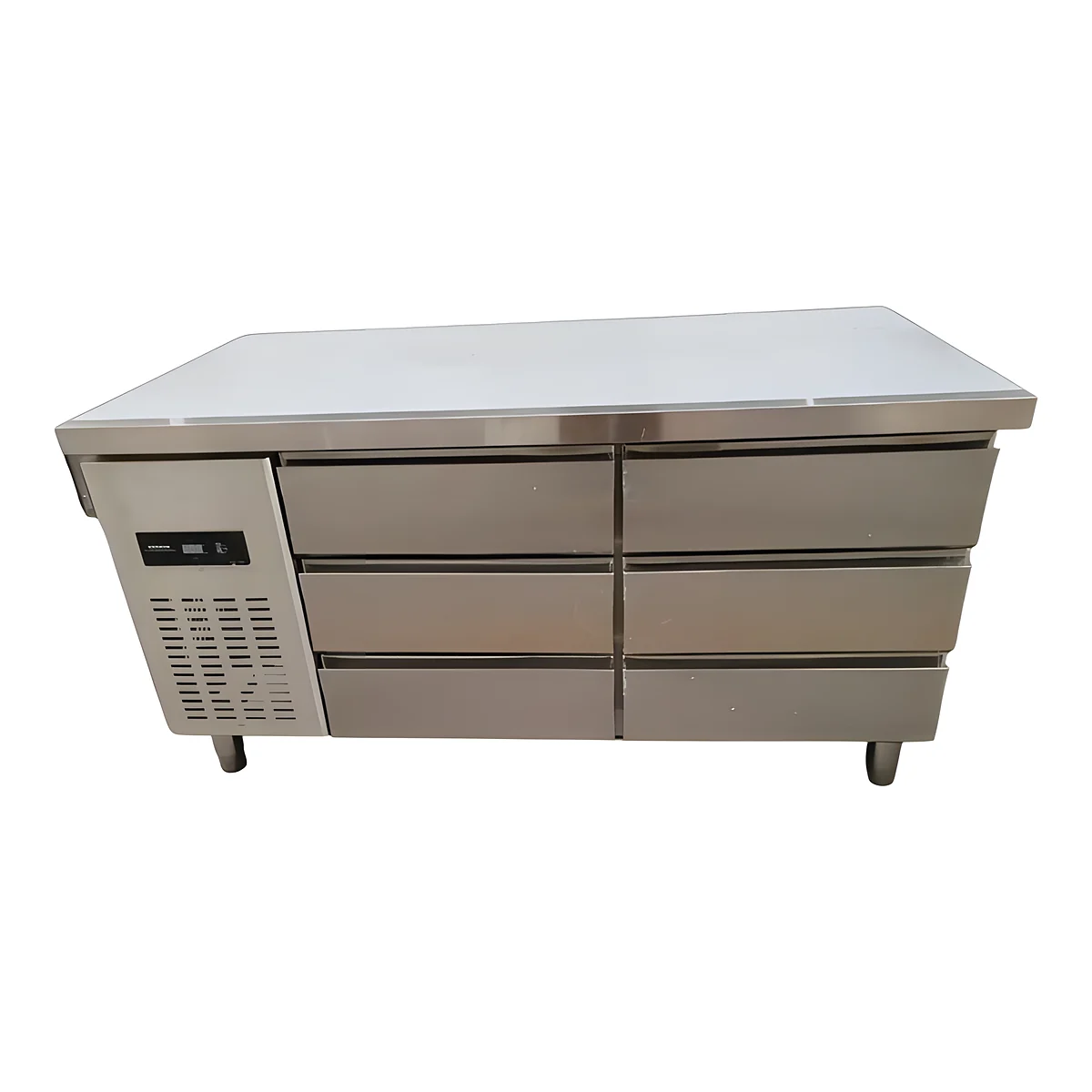
The base beneath a chef's pass is working storage, not spare volume to fill after the table is ordered. Open shelves and enclosed cabinets support different retrieval patterns. Compare them using the items that staff need during service and the side from which those items are reached.
Assign each item a retrieval task
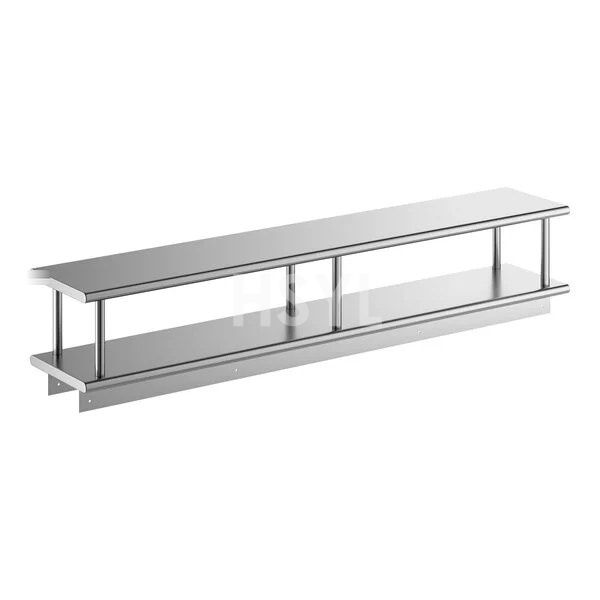
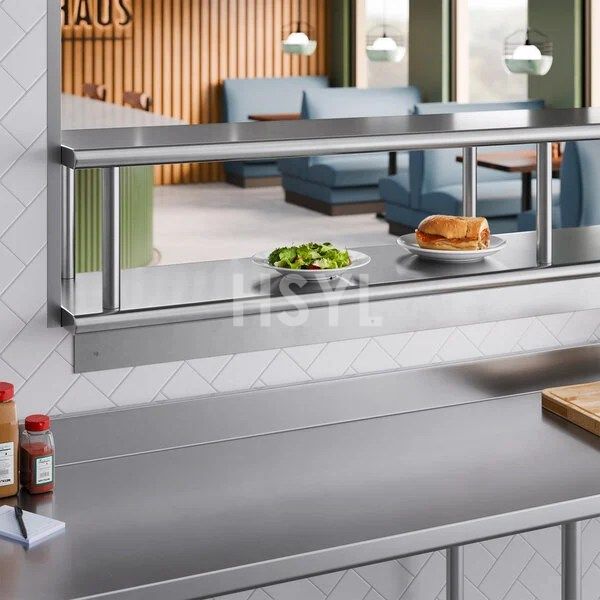
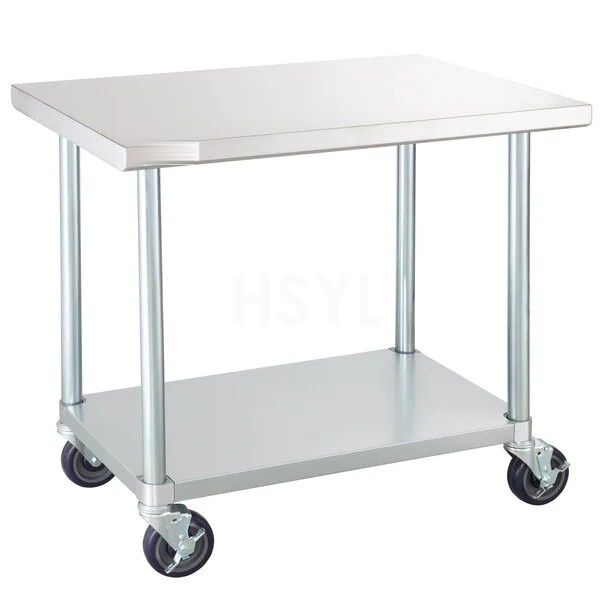
List the plates, trays, spare packaging and other permitted items intended for the base. Place their actual containers or stacks on a trial layout. Check openings between legs and braces as well as shelf depth. A shelf area that looks large on a drawing may not admit the kitchen's intended tray.
Mark who retrieves each item and when. Frequent plate replenishment during service is a different task from removing a spare box after the rush. Keep the pickup side clear where service staff collect finished orders; a cabinet door must not force them into the chef's finishing position.
Do not assume that a table called pass-through provides access through its base. The catalogue offers open and sliding-door base arrangements, but actual door locations and internal divisions must appear on the selected drawing.
Compare the two bases in the real room
| Question | Open base | Enclosed base |
|---|---|---|
| Can the intended item be reached? | Check posts, braces and approach side | Check clear door opening, internal shelf and approach side |
| What happens during replenishment? | Review container movement beneath active work | Review door movement and the same container route |
| How is it cleaned? | Confirm access to surfaces and the floor | Confirm access to internal shelves, corners and door tracks |
| What may be stored? | Follow the site's storage and contamination-control plan | Apply the same plan; enclosure alone is not proof of protection |
A door can conceal stored items without making the cabinet suitable for every item. Keep clean tableware, chemicals and returned serviceware on their approved separate routes. Neither base is controlled food holding unless separately specified equipment provides that function.
Price a base that preserves the handoff
Ask for material, shelf and support details for the chosen arrangement, plus permitted load conditions. Include the required adjustable shelves or other accessories explicitly rather than assuming them from a photograph. Review any cabinet-base table proposal against the same retrieval schedule.
Run a safe empty-serviceware simulation of finishing, pickup and replenishment at the same time. If access requires a completed order to be moved, change the storage position or base arrangement before accepting it.
The useful comparison is how often the base interrupts the pass, how staff restore stock and whether cleaning remains practical. Extra enclosed volume has little value if its contents cannot be retrieved during the service that the table is intended to support.