Direct Answer / Key Takeaway: Plan permitted cleaning of the trolley threshold and door-closing area, then check the actual transition and closure before the next controlled food batch.
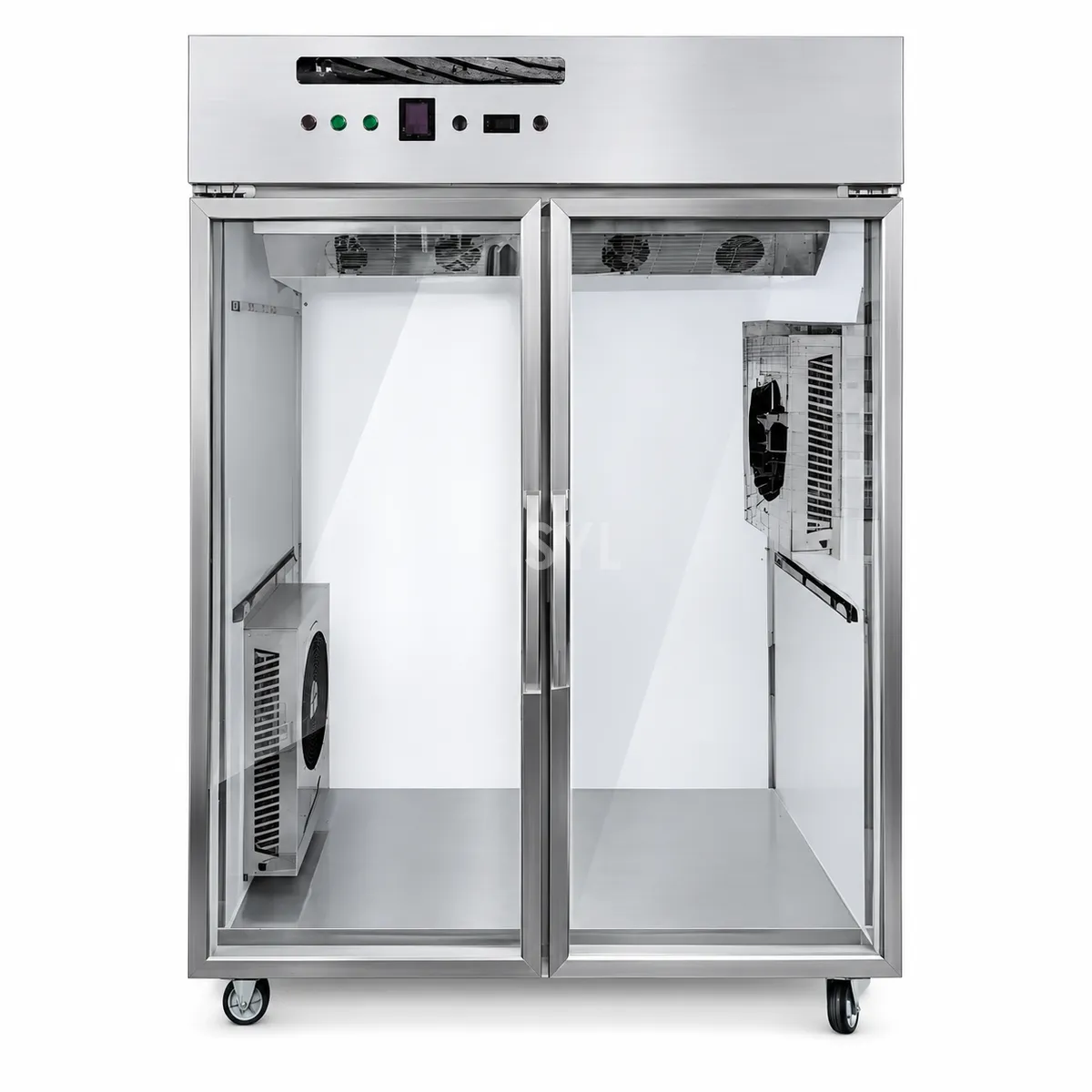
The trolley entry and door-closing area of a roll-in blast chiller collect debris from wheels, handling and food transfer. Give that area a defined cleaning and inspection task before it becomes an obstruction or an unexplained closure problem.
Identify the actual cabinet, floor-entry detail and door hardware from the matching care instructions. Establish which transition pieces or seals are operator-removable and which remain fixed. The term 'ramp gasket' is not enough to identify a component or its permitted treatment.
Arrange the interruption around food batches and suitable receiving storage. Keep food and clean containers protected while the area is cleaned. Follow the required shutdown/isolation and preparation for the assigned role; a door-open position alone does not make every internal part safe to access.
Follow the surfaces that affect entry and closure
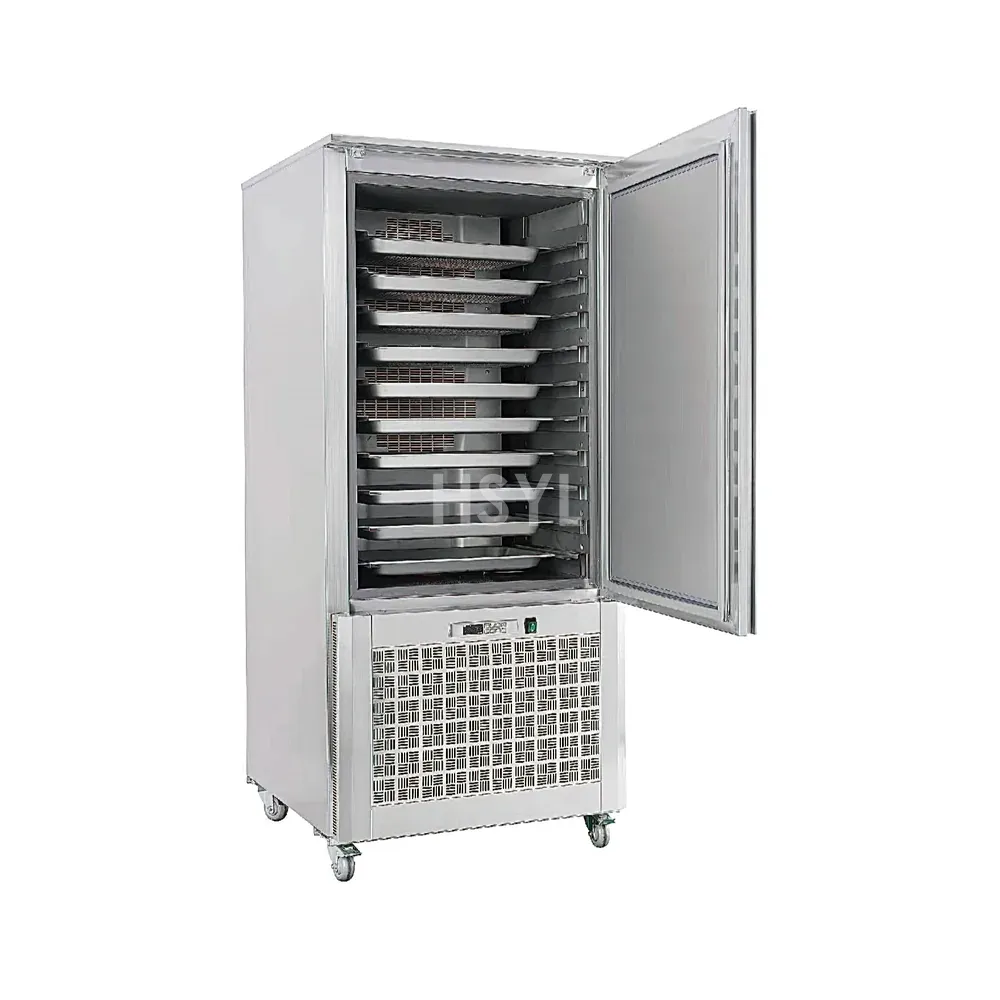
- Remove loose debris through the permitted method, controlling where it goes. Keep it out of drainage openings, fan paths and adjacent clean areas.
- Clean the accessible threshold, transition and relevant door-contact surfaces using the approved material-compatible process. Manage liquid through the actual permitted route rather than hosing the entry indiscriminately.
- Inspect for trapped material, damaged surfaces, displaced authorised parts or looseness visible from the assigned access. Report the finding by its location.
- Return any authorised removable parts to their specified position. Do not pack a seal, adjust a latch or change a transition to conceal damage.
- Check the intended door movement and trolley-entry clearance through the model's permitted method, then follow its preparation/release requirements.
If the door does not close as intended, preserve the contact point and the normal loading arrangement for service assessment. A trolley parked beyond its intended stop or a changed accessory position needs to be distinguished from a hardware defect. Avoid forcing the handle to overcome an unexplained interference.
Keep fan-guard cleaning or internal component service outside this entry task unless the matching instructions explicitly include it for the assigned role. The person cleaning the floor should not remove a guard to pursue material into a powered assembly.
Use the cleaning-verification process to confirm the required hygiene preparation separately from correct reassembly and movement. Before food loading, complete the equipment and process readiness checks prescribed for that unit.
Give the next operator any unresolved entry or closure restriction. The useful outcome is a clear, correctly assembled transition and intended door operation, with faults referred to the appropriate person rather than an informal latch adjustment added to every cleaning shift.