Direct Answer / Key Takeaway: Check serviceware openings, sightlines, shelf loads and the supporting table before adding an overshelf. Specify any heated equipment and its services separately.
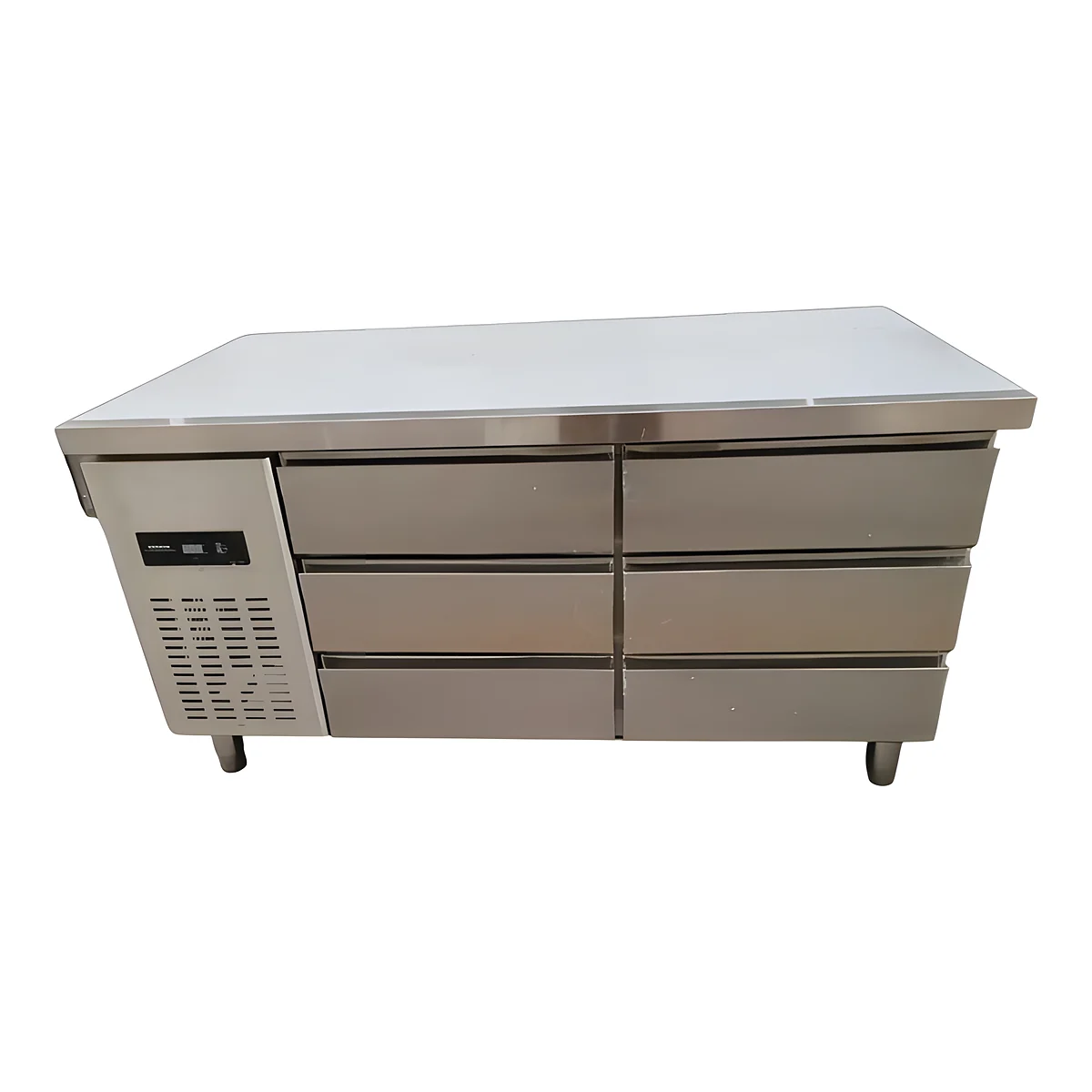
An overshelf can make useful space above a chef's pass while making the handoff underneath worse. Before adding one, check the actual plate movements, sightlines and supporting structure. Treat the table, shelf and any powered accessory as a combined layout with separately defined equipment responsibilities.
Test the openings with the serviceware
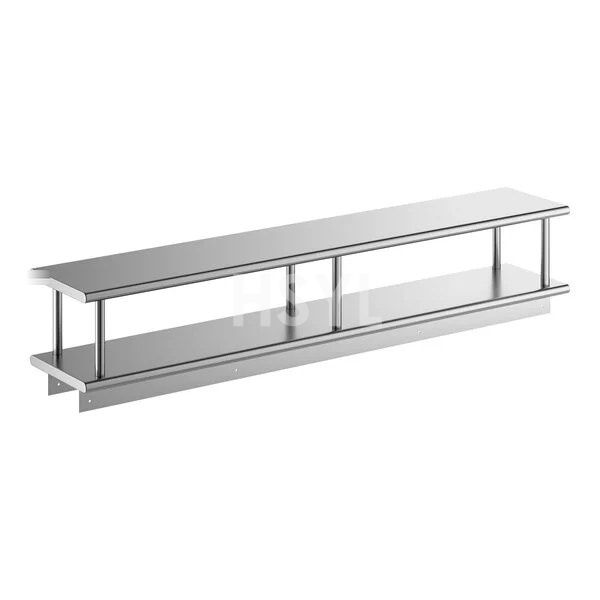
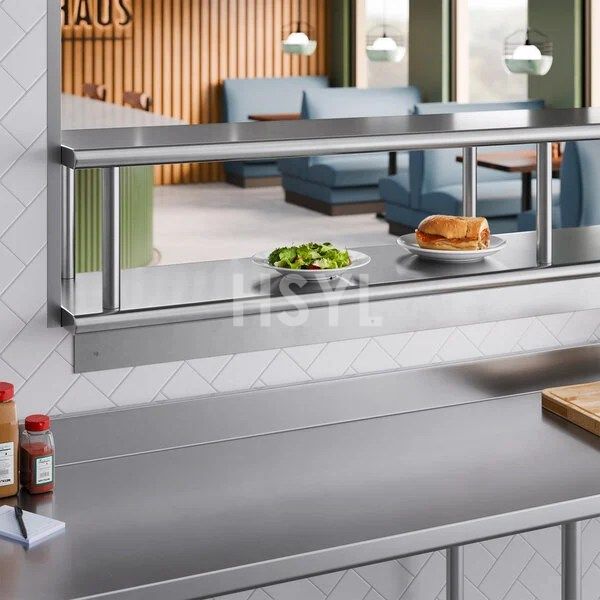
Set out the largest plates, bowls, trays and takeaway containers used at the pass. Check the complete movement from finishing position to collection, including hands and any permitted carrying tray. A container's height alone does not describe the space needed to pick it up and withdraw it.
Review the view from both working sides. Staff should be able to identify waiting orders in the intended positions without lifting plates merely to see what is behind them. Shelf posts and stored items can interrupt that view even when the opening is tall enough.
Include the actual shelf contents in the trial. Storage that gradually spreads over the full shelf can hide the handoff that was visible when the station was empty. Decide what belongs at each level and make that decision part of the station plan.
Verify the table-and-shelf combination
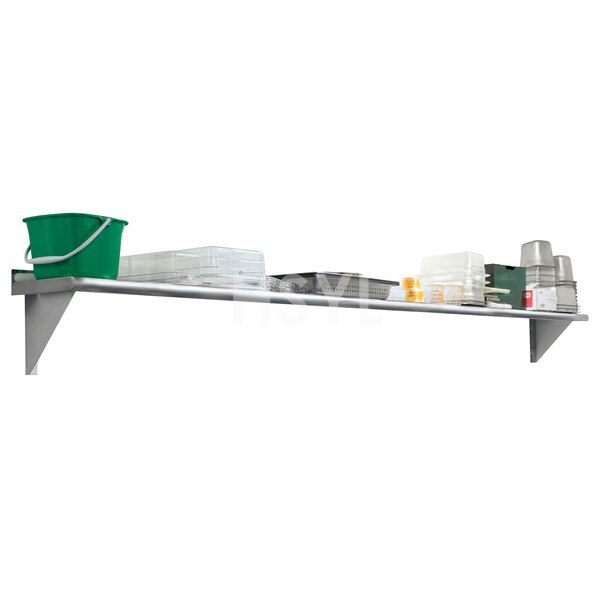
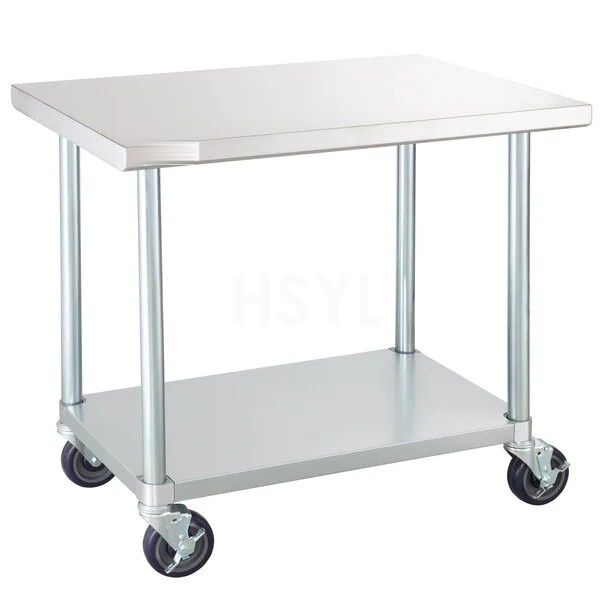
The catalogue's countertop overshelf arrangement describes mounting alternatives, but that does not authorize every shelf on every tabletop. Have the suppliers confirm the combined construction, approved attachment locations and supporting table.
State what each shelf will hold and how the load is distributed. Include any appliance or heavy stack of serviceware in the support review. Do not add a shelf's advertised load to the table's advertised load and assume the assembly has that combined capacity. Connections and load paths need review as an assembly.
Show the approved attachment method on the fabrication drawing. Do not improvise holes through the table or use an unconfirmed clamp because it appears to fit. Confirm that fasteners, posts and braces leave the planned cleaning access available.
Specify heat and power only where actually supplied
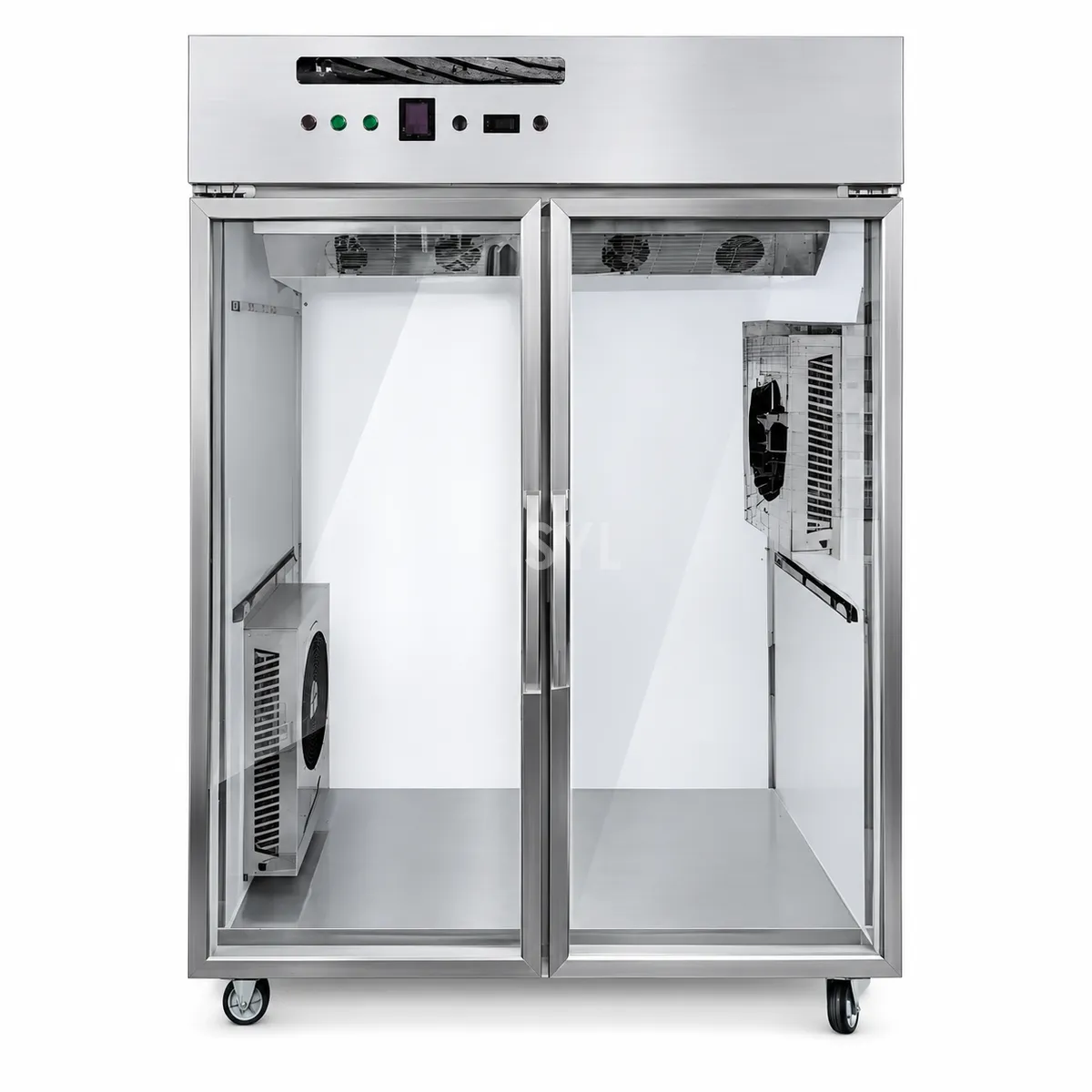
A passive table and plain overshelf do not themselves require electrical service. If the project includes a warmer or heated shelf, identify the exact appliance, its support requirements and the manufacturer's permitted installation. Obtain its service schedule rather than adopting a generic 230 V, 16 A riser.
Coordinate connection routing with the responsible qualified installer so that the installed arrangement preserves the food and pickup movements. Keep the appliance's cleaning and access requirements visible on the same plan.
After installation, repeat the empty-serviceware handoff check in the final position. Verify the approved shelf contents and attachment arrangement against the drawing, and train staff to keep the order visibility that the layout was designed to provide. Additional shelf area is useful only when the pass beneath it continues to work.