Executive Engineering Summary: Capital Allocation & Total Cost of Ownership (TCO)
Budgeting for commercial catering equipment requires navigating wide price discrepancies across equipment tiers, from entry-level economy hardware to heavy-duty industrial machinery. Catering businesses face a unique financial dynamic: machinery must survive transport vibrations, variable venue electrical hookups, and rigorous daily duty cycles without unexpected mechanical breakdowns during live banquets. Sizing your equipment investment accurately demands evaluating the Total Cost of Ownership (TCO), balancing initial capital expenditure (CAPEX) against ongoing utility efficiency, routine maintenance expenditures (OPEX), and projected residual equipment value.
Catering Budget Rule: Allocate 40% of your equipment budget to core thermal batch processing (ovens, ranges, kettles), 30% to cold chain and insulated mobile transport, 15% to high-throughput sanitation, and 15% to modular stainless steel workbenches and Gastronorm smallwares.
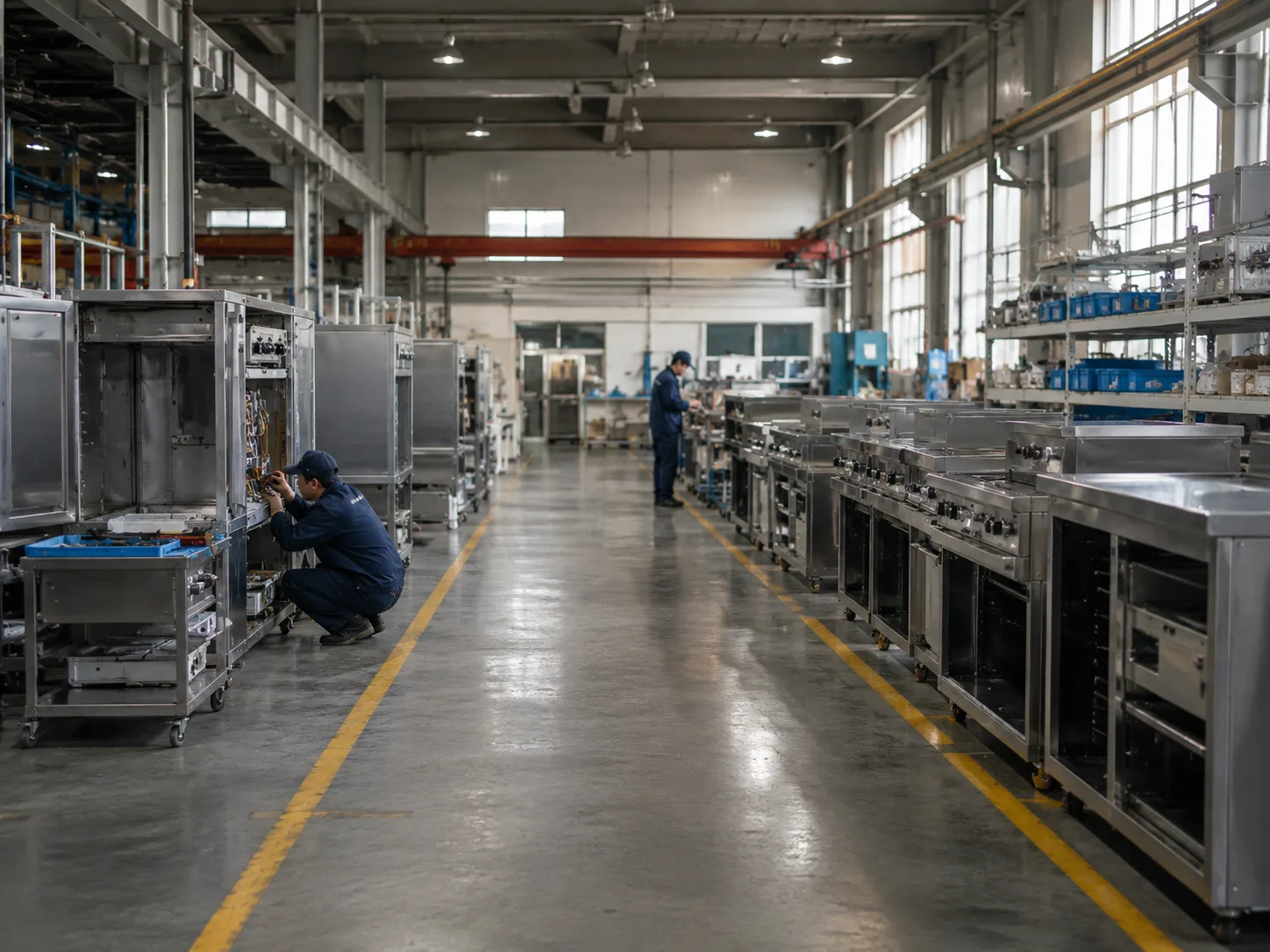
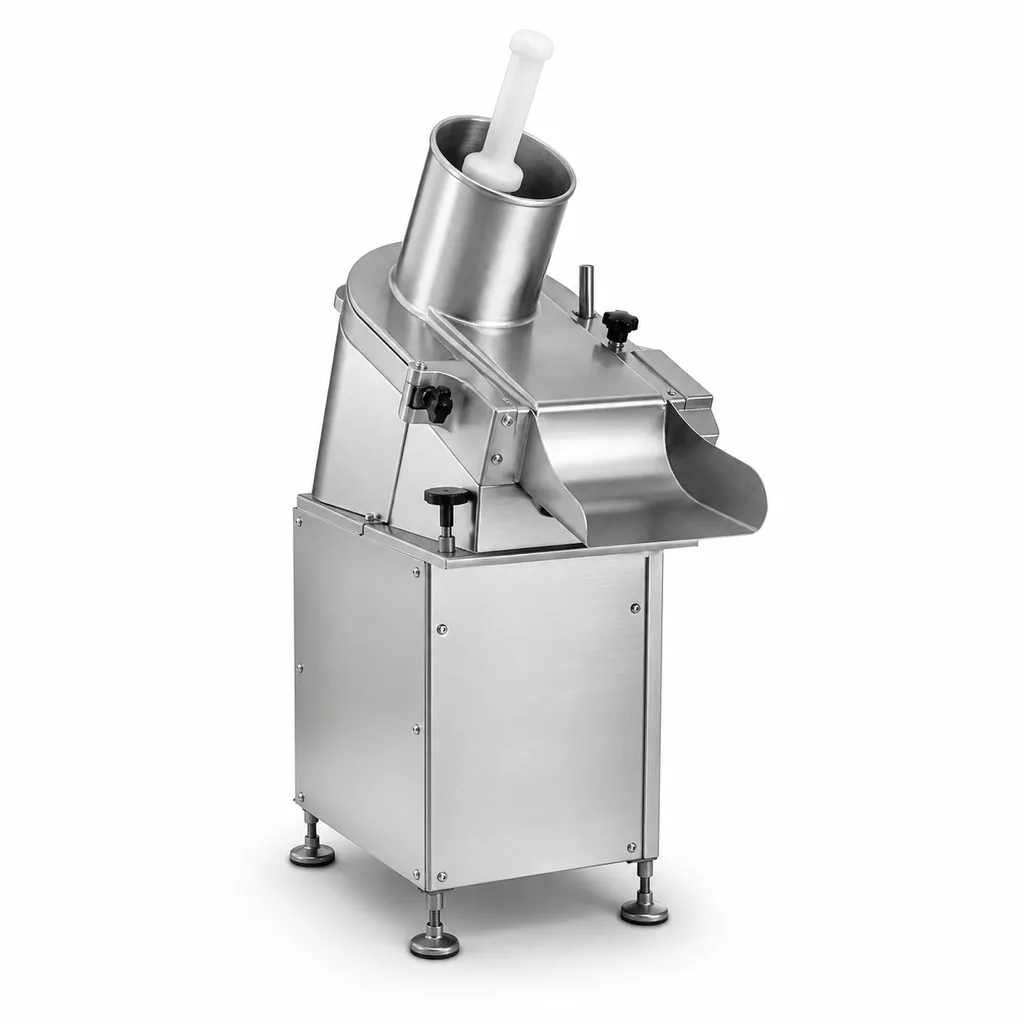
Figure 1: Industrial catering equipment investment tiers and utility engineering coordination schedule.
2026 Commercial Catering Equipment Price Benchmarks
The following pricing matrix details realistic global factory-direct and wholesale market price brackets for certified commercial catering hardware across three operational tiers:
| Equipment Category | Standard Engineering Specs | Economy / Light-Duty Tier | Commercial / Heavy-Duty Tier | Premium Industrial Tier |
|---|---|---|---|---|
| Combi Steamer Oven | 10-Pan 1/1 GN (Electric / Gas) | $4,500 – $6,500 | $7,500 – $11,500 | $14,000 – $22,000 |
| Motorized Tilting Braising Pan | 120L Stainless Steel Bowl | $3,200 – $4,800 | $5,200 – $8,500 | $10,500 – $16,000 |
| Steam-Jacketed Tilting Kettle | 200L Hemispherical Vessel | $3,800 – $5,400 | $6,200 – $9,800 | $12,000 – $18,500 |
| Commercial Blast Chiller | 10-Tray GN 1/1 Shock Freezer | $3,800 – $5,200 | $6,000 – $9,200 | $11,000 – $15,500 |
| Insulated Food Pan Carrier | Front-load, 6 × 1/1 GN 65mm pans | $180 – $260 / unit | $280 – $420 / unit | $550 – $850 (Active Heated) |
| Heated Banquet Holding Trolley | Double door, 32 × 1/1 GN pans | $1,600 – $2,400 | $2,800 – $4,200 | $5,000 – $7,500 |
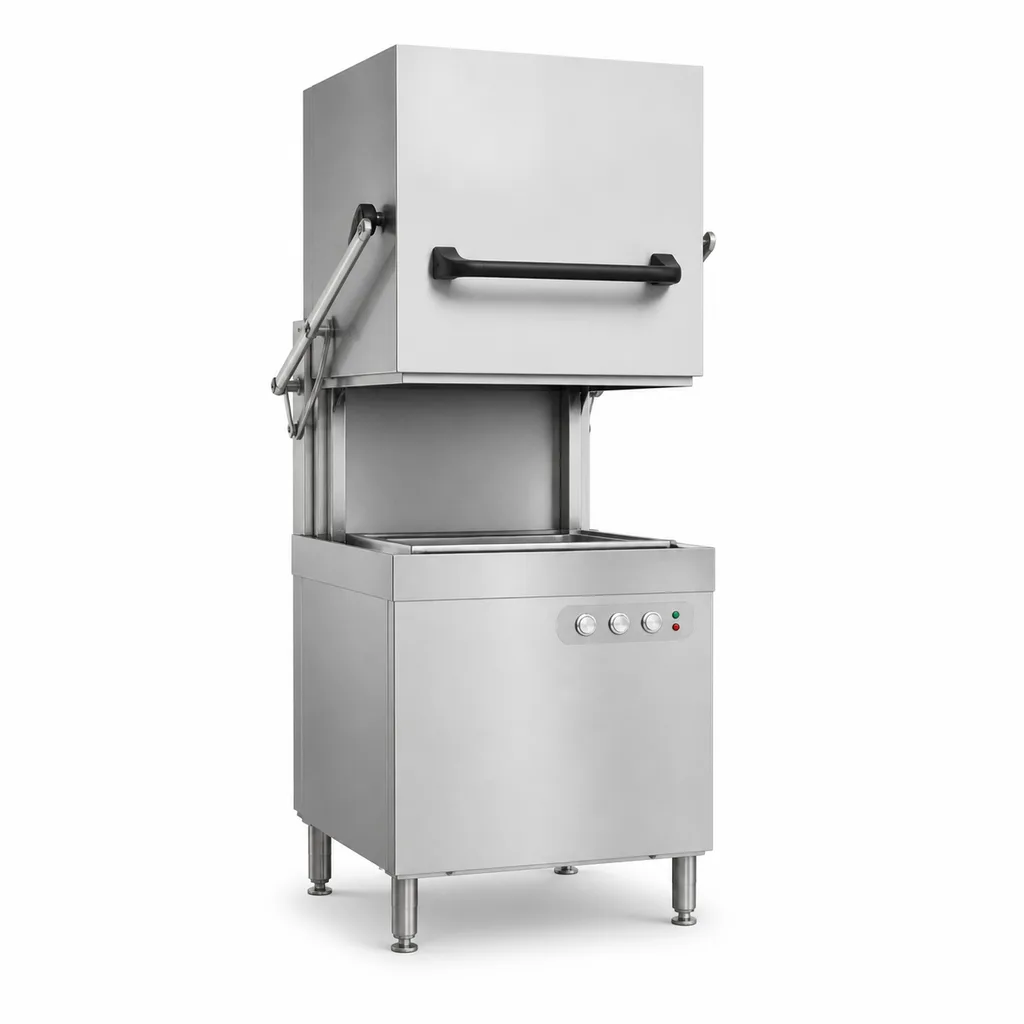
| Hood-Type Commercial Dishwasher | 60 racks/hr with rinse booster | $2,800 – $3,800 | $4,200 – $6,800 | $8,000 – $12,000 |
| SS Work Table with Undershelf | 1,800 × 700 × 850 mm (304 SS) | $160 – $240 / unit | $280 – $380 / unit | $450 – $650 (Custom Drawer) |
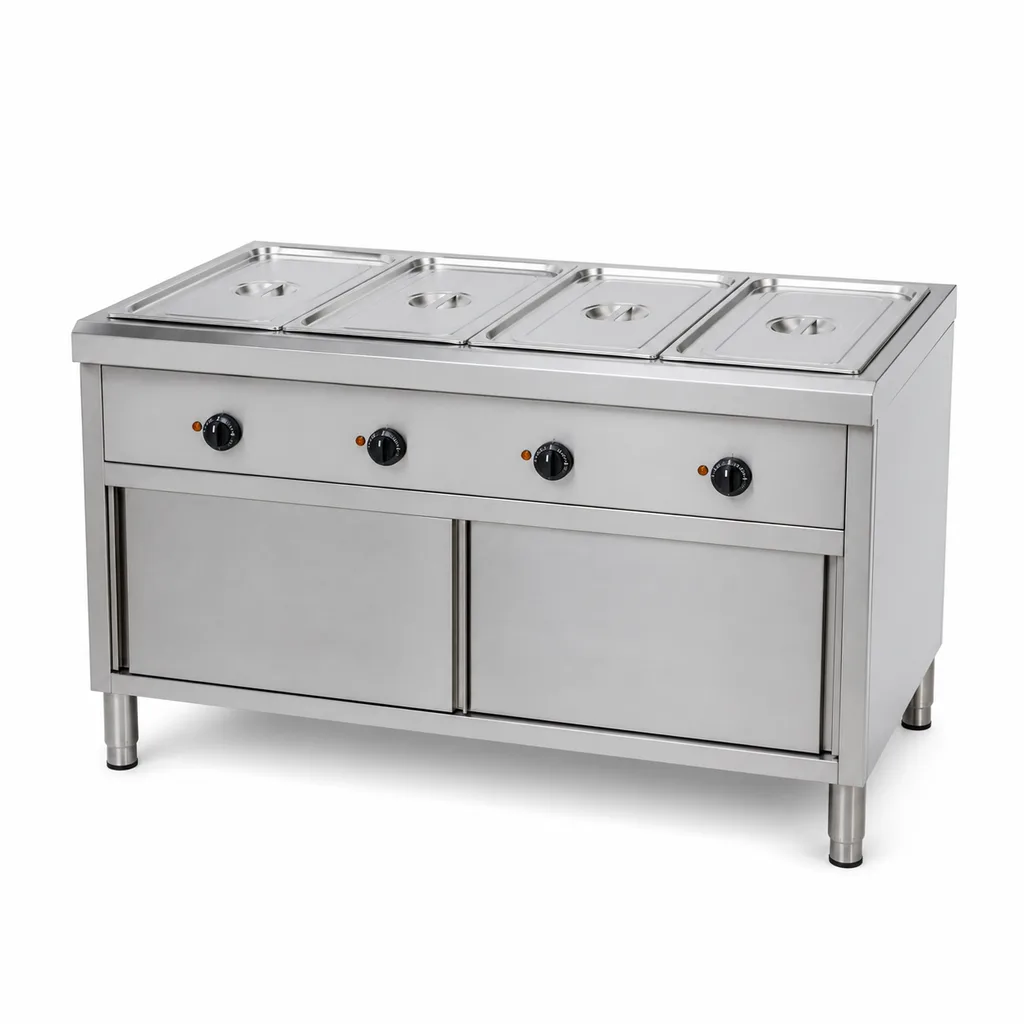
Figure 2: Modular temperature-controlled bain-marie serving counter and hot-holding banquet staging pass.
Total Cost of Ownership (TCO) Model Beyond the Purchase Price
The upfront invoice price accounts for only 40% to 50% of the lifecycle financial burden of commercial catering machinery. Operating expenditures across an 8-year service lifecycle encompass:
Catering Equipment Life-Cycle TCO Formula
TCO = CAPEX + Σ (Energy_yr + Maintenance_yr + Downtime_Loss - Salvage_Value)
Where:
• Energy_yr: Highly efficient ENERGY STAR or high-efficiency combustion appliances save $1,200–$2,800 annually per piece in utility bills.
• Maintenance_yr: Budget 6% to 8% of original equipment cost annually for preventive maintenance, gasket changes, and descaling.
• Water Treatment: Scale accumulation destroys combi boiler elements within 18 months in hard-water zones. Installing an industrial Reverse Osmosis (RO) water filtration system ($1,200–$2,500) extends boiler life to 10+ years.
Strategic Factory-Direct Procurement vs Showroom Markups
Catering entrepreneurs frequently squander limited startup capital by purchasing heavy stainless fabrication and cooking hardware through third-party local equipment dealerships. Dealership supply chains add intermediate wholesale margins, showroom overhead, and sales commissions totaling 35% to 50% above factory manufacturing cost.
- Factory-Direct Customization: Sourcing directly from an established commercial kitchen manufacturer allows exact dimensional tailoring (e.g. customized 200L braising vessels, bespoke mobile staging carts with heavy-duty off-road casters) at standard production pricing.
- Material Verification: Direct factory purchasing allows operators to request certified mill test certificates confirming authentic AISI 304 stainless steel alloys (minimum 18% chromium, 8% nickel) rather than low-cost magnetic 430 or 201 series stainless steel that rusts when exposed to acidic food spills.
- Consolidated Container Shipping: Packing entire catering project fit-outs—from cooking suites to sinks, shelving, and dishwashers—into direct 40ft HQ shipping containers slashes regional freight logistics costs by up to 60%.
Budgeting for Facility MEP Infrastructure Integration
New catering entrepreneurs often overlook mechanical, electrical, and plumbing (MEP) installation costs, which can add 20% to 35% to total project expenditures:
- Dedicated Commercial Electrical Panels: Industrial combi ovens (18–55 kW) and flight dishwashers require 3-phase 380V/415V electrical drops with dedicated motor-rated circuit breakers.
- Gas Supply Piping & Regulators: High-BTU tilting kettles and ranges require 1-inch to 1.5-inch gas supply lines with certified secondary safety shutoff solenoids interlocked with exhaust canopies.
- In-Ground Grease Traps & Interceptors: High-volume catering facilities produce large volumes of emulsified animal fats. Municipal environmental authorities mandate hydromechanical or gravity grease interceptors sized for 50 to 100 GPM (gallons per minute) flow rates to prevent sewer main clogs and regulatory fines.
Hidden MEP Infrastructure & Installation Cost Matrix
Budgeting for commercial catering equipment requires accounting for the substantial mechanical, electrical, and plumbing modifications required to support heavy-duty machinery. The following installation cost benchmarks should be incorporated into every procurement budget:
| Infrastructure Scope | Engineering Requirement | Estimated Cost Range | Budgeting Risk Factor |
|---|---|---|---|
| 3-Phase Electrical Sub-Panel | 200A to 400A 380V distribution board | $3,500 – $7,500 | Utility transformer upgrades can add substantial municipal fees |
| Type I Extraction Hood & Fan | NFPA 96 canopy with grease filters & MUA fan | $8,000 – $18,000 | Rooftop duct penetration and fire-wrap rated shafts |
| UL 300 Fire Suppression System | Wet chemical manifold & gas shut-off valve | $3,200 – $5,800 | Mandatory for municipal occupancy permit sign-off |
| Industrial Reverse Osmosis Water System | 500–1000 GPD RO with storage tank & pump | $1,800 – $3,500 | Hard water destroys combi oven boilers within 18 months |
| Hydromechanical Grease Interceptor | 75–100 GPM flow rate, epoxy-coated steel | $2,500 – $6,000 | Floor trenching and plumbing slope connection fees |
Financing Strategy: Leasing vs Capital Purchase vs Factory-Direct
Evaluating financing structures impacts liquidity and cash flow during the critical first 24 months of catering operations:
- Equipment Leasing / Fair Market Value (FMV): Low initial upfront capital outlay ($0 down). Monthly payments are 100% tax-deductible as operational expenses (OPEX). Recommended for rapid-depreciation electronic equipment such as point-of-sale systems and programmable combi ovens that may be upgraded within 4 years.
- Capital Equipment Purchase: Higher initial cash burn, but builds tangible asset equity. Equipment can be depreciated under tax rules (e.g. Section 179 / accelerated depreciation). Best suited for indestructible stainless steel assets (worktables, sinks, insulated transport carts) which maintain a 15+ year operational lifespan.
- Residual Resale Value: Premium AISI 304 commercial kitchen equipment retains 35% to 50% of its original purchase value on the secondary market after 5 years, providing an exit hedge against operational restructuring.