Direct Answer / Key Takeaway: Plan hot and cold meal transport separation around product criteria, containers, loading, access and handover records. Verify the complete route duty.
Hot and cold meal transport separation should start with the requirements of each product group. Putting meals in two differently coloured boxes does not demonstrate that those requirements are met through loading, travel and handover. The separation plan needs an identified load, suitable equipment and a verified route.
Describe the hot and cold products, their approved handling criteria and the service sequence. Then assess whether separate containers, independently supported compartments or separate movements are appropriate to that specific duty.
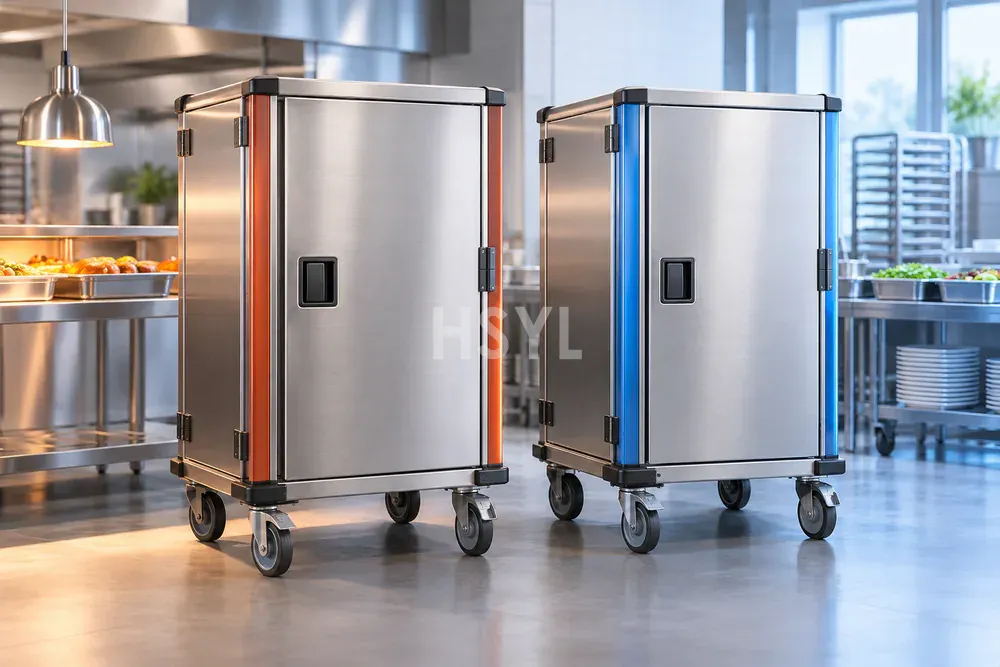
Keep the product groups and release criteria distinct
Identify the meals, accompanying items and containers in each group. Record their condition at the accepted kitchen release and the required condition at the receiving boundary. Define monitoring, inspection and exception decisions with the responsible food-safety team.
The UK storage and transport guidance provides official background for protective containers and appropriate conditions. Apply the requirements governing the actual operation rather than assigning one equipment setpoint to every component of a meal.
Compare complete arrangements
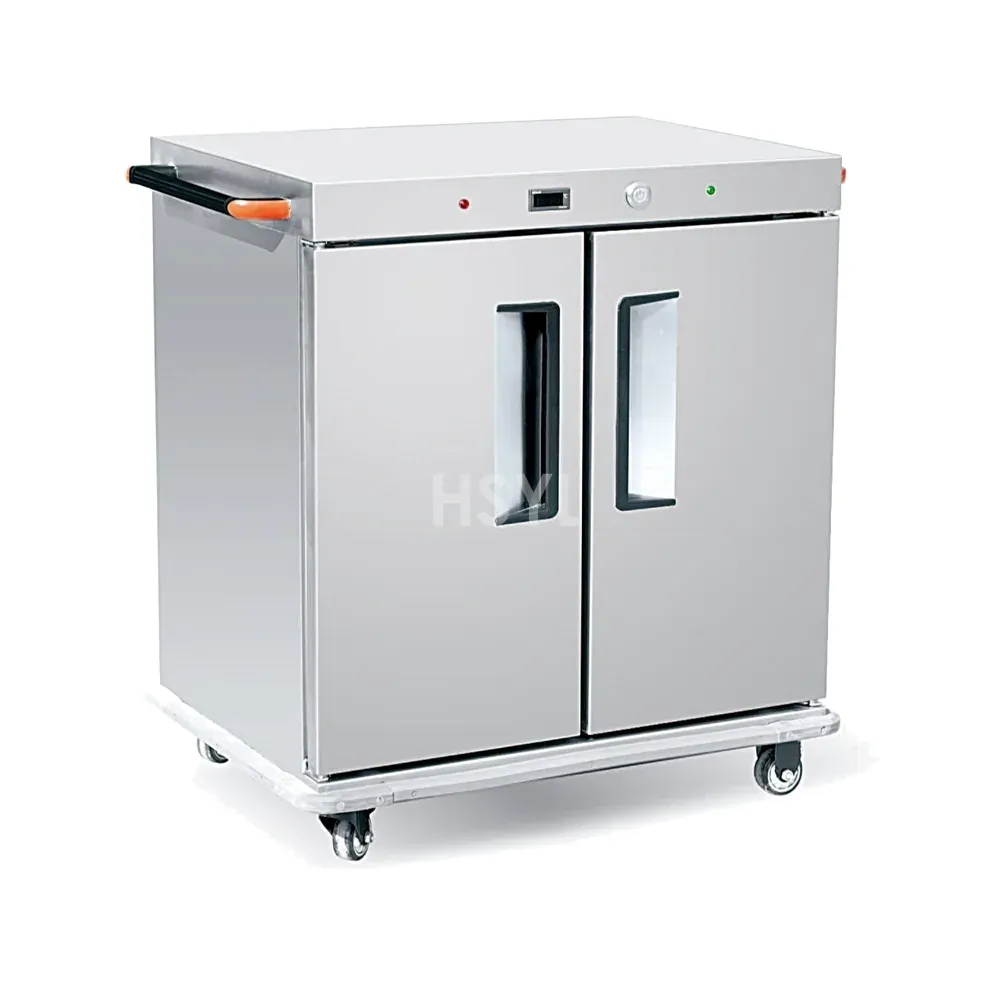
For each option, identify which compartment or container supports which group, its exact configuration and its operating boundary. Obtain the supplier's controlled loading and use instructions. An equipment category name such as insulated cart or heated compartment is not a complete description of its supported duty.
Consider the practical route as well as the nominal load. Staff need to access the intended group at the correct stop without disrupting other meals. Separate movements may reduce shared handling but introduce another vehicle, trolley or handover task. Record the trade-off using the actual service sequence.
| Arrangement question | Evidence needed |
|---|---|
| Product allocation | Identified hot and cold groups and required conditions |
| Equipment support | Exact configuration and permitted load |
| Access | Opening and unloading sequence by stop |
| Monitoring | Separate approved records for relevant groups |
| Handover | Accepted receiving conditions and exception ownership |
Trial the real access pattern
Load representative products and containers under the approved process. Record the initial conditions, arrangement, journey, openings and waiting. Keep the two groups distinguishable in the monitoring file; an averaged value cannot demonstrate that both different requirements were met.
Include the relevant later stop or longest routine wait. A favourable early handover does not establish the condition of a remaining load after further access events. Preserve an interruption and apply the approved response rather than silently treating the run as an ideal uninterrupted journey.
Check how meals are assembled at the recipient. If hot and cold components must be brought together before service, the receiving work and its timing belong to the trial. The route does not end at the vehicle door when the required handover is farther inside the building.
Make identity part of the physical plan
Use the facility's approved identification to connect product, route group and compartment. Define who checks allocation and who accepts the load at the receiving point. An apparently neat arrangement can still create a wrong-meal error if the operator cannot identify the intended group during service.
Include empty and dirty container returns in the layout. Those tasks should follow the site's approved hygiene route without mixing with released food. Identify when the handling equipment becomes available again for another permitted load.
Use a defined enquiry rather than a generic temperature claim
Provide the supplier with product groups, container geometry, route and access pattern, required conditions, monitoring and receiving duties. Ask for the exact supported arrangement and a representative demonstration with stated assumptions.
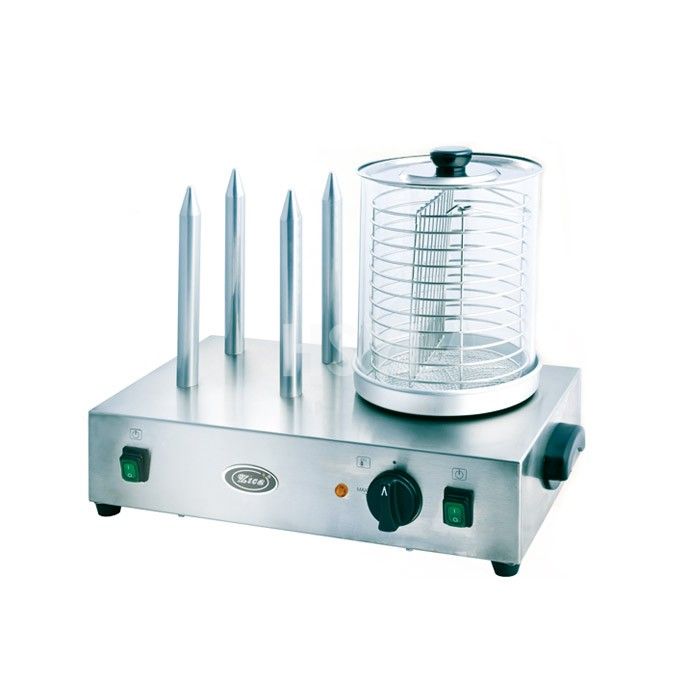
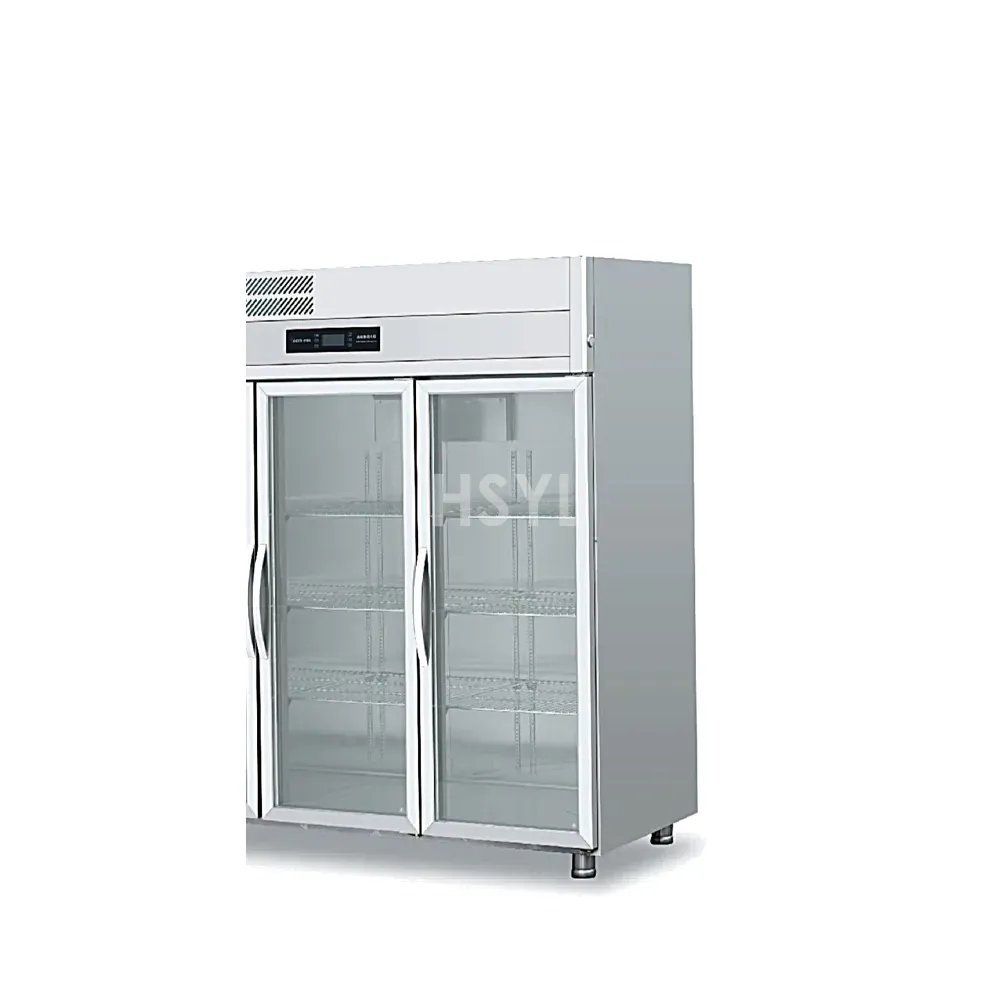
The food holding and transport equipment range is a starting point for that discussion. The purchasing conclusion should name the arrangement actually assessed and the duty demonstrated, preserving the difference between a conceptual separation diagram and accepted transport evidence.