Direct Answer / Key Takeaway: Check stainless steel drainboard drainage against released drawings and an agreed water-test method. Record pooling, interfaces and the evidence needed for acceptance.
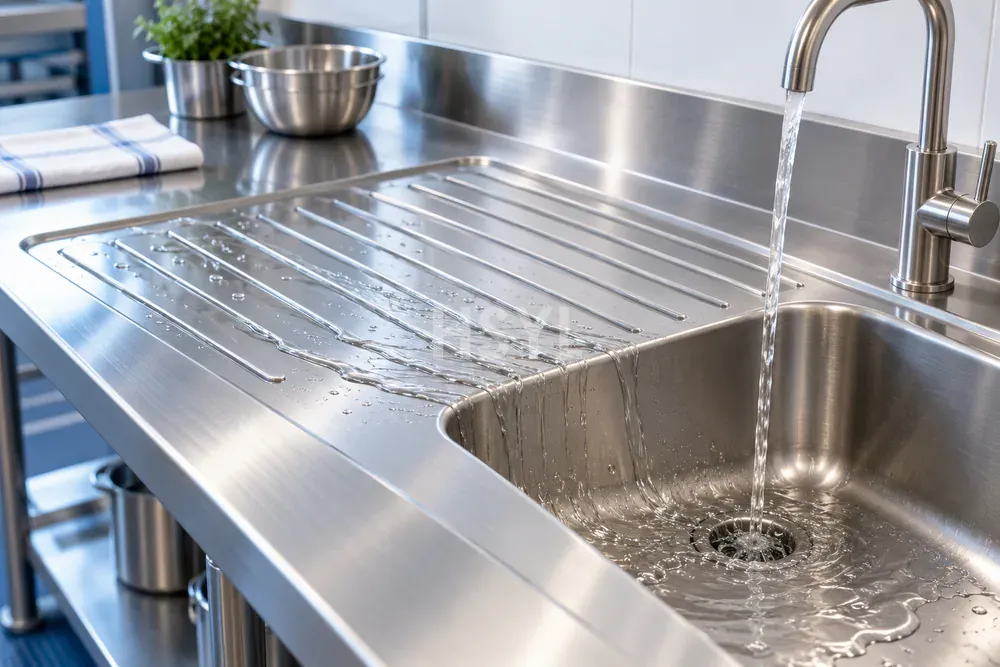
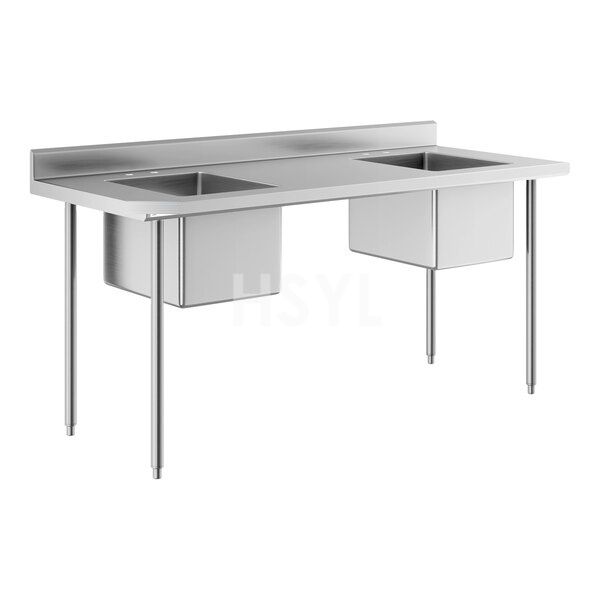
A stainless steel drainboard drainage test should compare the fabricated or installed assembly with its released function and geometry. A surface that looks smooth and tidy may still need an agreed check of where water moves, where it remains and how the drainboard meets the sink and adjacent work.
Define the acceptance basis and test method with the supplier and responsible site team. This guide organizes evidence; it does not assign one slope or water quantity to every drainboard.
Identify the assembly and required result
Record the exact drawing revision, orientation, support arrangement, sink relationship and relevant interfaces. State the intended function of the drainboard and the requirement against which it will be accepted.
Distinguish a factory assembly check from an installed check. Supports and final positioning can affect the condition presented at the site. Identify which results need the completed installation and which can be demonstrated before shipment.
Agree a controlled water test
Specify where the approved test water is introduced, the amount or application method, observation boundary and the condition required before the test starts. Use a safe arrangement approved for nearby equipment, floor conditions and the assembly's intended use.
Keep the sequence repeatable. The test should not compare one assembly given a small local application with another subjected to a different method and then claim a meaningful difference.
| Test field | Evidence |
|---|---|
| Assembly | Identity, drawing revision and test stage |
| Starting condition | Support, position and relevant surface condition |
| Application | Approved location, method and quantity basis |
| Observation | Water route, retained areas and timestamps |
| Acceptance | Agreed requirement and responsible decision |
Record observations without hiding retained areas
Identify the water path and any observed retained area using a fixed reference on the assembly. Keep photographs or video linked to the test sequence. A close-up should show where it belongs rather than functioning as an attractive but untraceable image.
Describe the actual observation. Do not label a mark as a specific fabrication defect without the relevant assessment. The supplier and responsible reviewer should compare geometry, supports and interfaces with the released documents.
If several conditions are being reviewed, preserve each identified run. A changed support or position belongs in the record; the final favourable observation should not erase an earlier unresolved result.
Check the adjacent interfaces
Review how the drainboard meets the bowl, splashback, neighbouring counter and any equipment contact defined by the design. Confirm the physical arrangement against the accepted drawings and approved site method.
Where a connection or support is unfinished, keep that limitation visible. An incomplete installation may permit a partial check, but the record must state which requirement remains open.
Close deviations with comparable evidence
Connect each deviation to the requirement, observed position and responsible action. If an authorized correction changes geometry or support, repeat the relevant agreed test and retain both records. A statement that the surface was adjusted is not the same as a recorded functional result.
Give the completed evidence to the person authorized to accept the assembly. Keep the as-built information and final condition with the operating and maintenance documents when required by the project.
The fabrication drawing review supplies the released design basis. A reproducible water test adds an observed functional check, keeping appearance, geometry and drainage acceptance connected but distinct.