Direct Answer / Key Takeaway: Investigate a binding cabinet door through loading, alignment and track observations. Distinguish cleaning issues from faults requiring the supplier‘s attention.
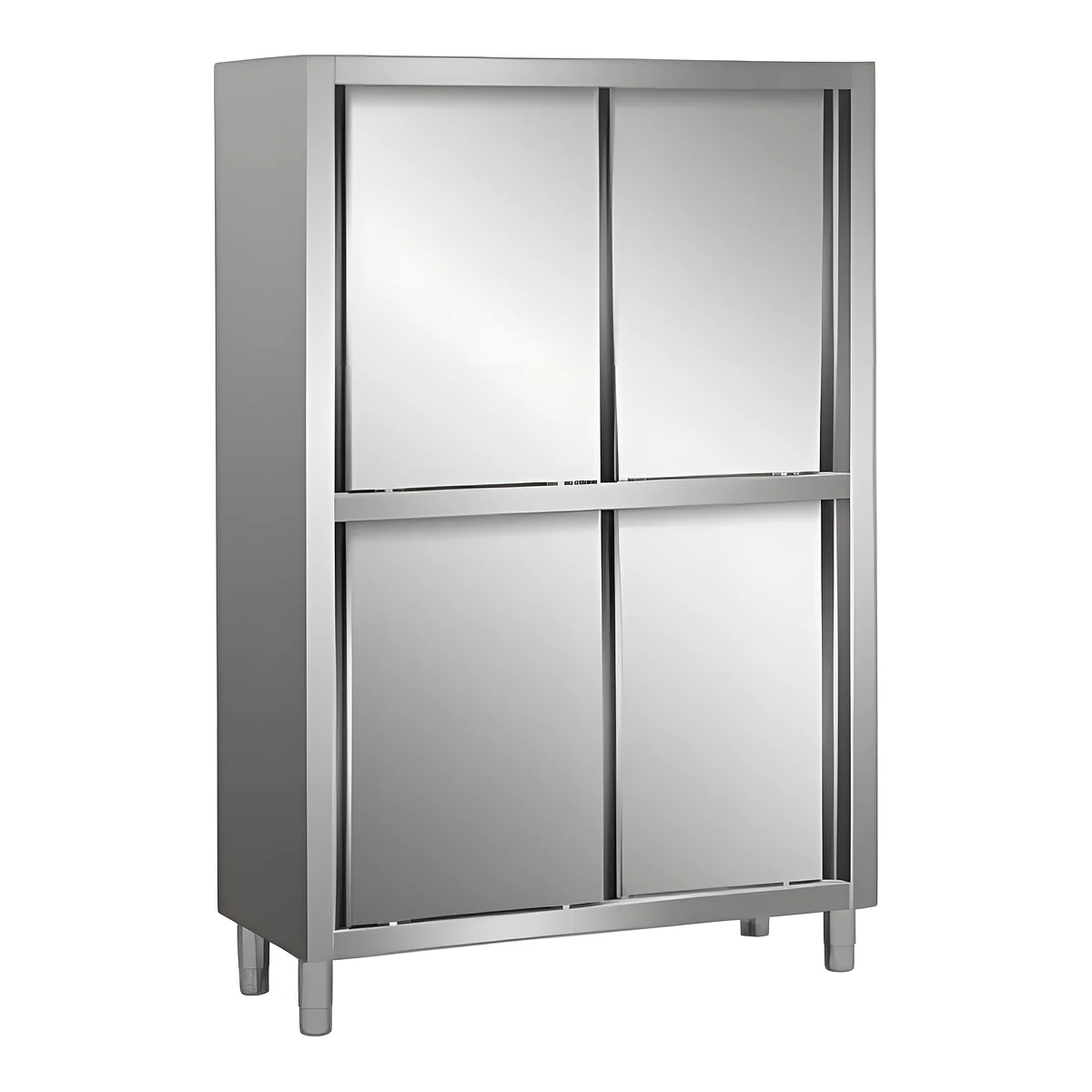
A cabinet door that becomes difficult to move should be investigated rather than forced. Record when the problem occurs and what has changed around the cabinet. A door may behave differently after loading, relocation or nearby installation work, and those observations help the supplier identify the relevant cause.
Describe the symptom precisely
| Observation | Information to record |
|---|---|
| Movement changes along the opening | Where it catches and whether the behaviour is repeatable |
| Problem appeared after loading | Contents, shelf arrangement and how they compare with documented limits |
| Visible residue or obstruction | Location and the cleaning access permitted by the supplier |
| Change after relocation | New support position and any nearby equipment or fixing changes |
| Damaged edge, guide or accessible fitting | Photograph and component identification without forcing or dismantling it |
Do not treat this table as a repair diagnosis. Stop the affected use and refer damage, instability or an unsafe edge through the site's maintenance process. Follow the manufacturer's instructions for anything beyond the operator's permitted inspection and cleaning.
Review loading and the installed position
Check the stored items against the accepted cabinet schedule and supplier loading limits. Heavy stock may have been moved to a shelf originally intended for different contents. A door fault should not be answered by making up a new load capacity from the steel thickness.
Confirm whether the cabinet is in its original position and whether its intended support or fixing arrangement has changed. For sliding-door stainless storage, also identify any item that prevents the door from travelling as designed. Do not bend tracks, remove guides or add improvised spacers to conceal a support problem.
Clean and refer according to the construction
Use the supplier's permitted cleaning method for the actual doors and accessible tracks. Ask how removable shelves or panels are handled if access is needed. Avoid applying an arbitrary lubricant in a food-storage area; the product and application point must be appropriate to the design and the kitchen's procedures.
Send the service enquiry with the cabinet identity, the observations and photographs. Ask the supplier to identify any required adjustment or replacement component, then retain the response for the next inspection. Recheck movement and shelf seating under the agreed acceptance method after authorized work.
A simple history can prevent the same problem being repeatedly treated as 'a stiff door'. Keep the original drawing and loading schedule available so that the review considers the cabinet's support, contents and intended construction together.