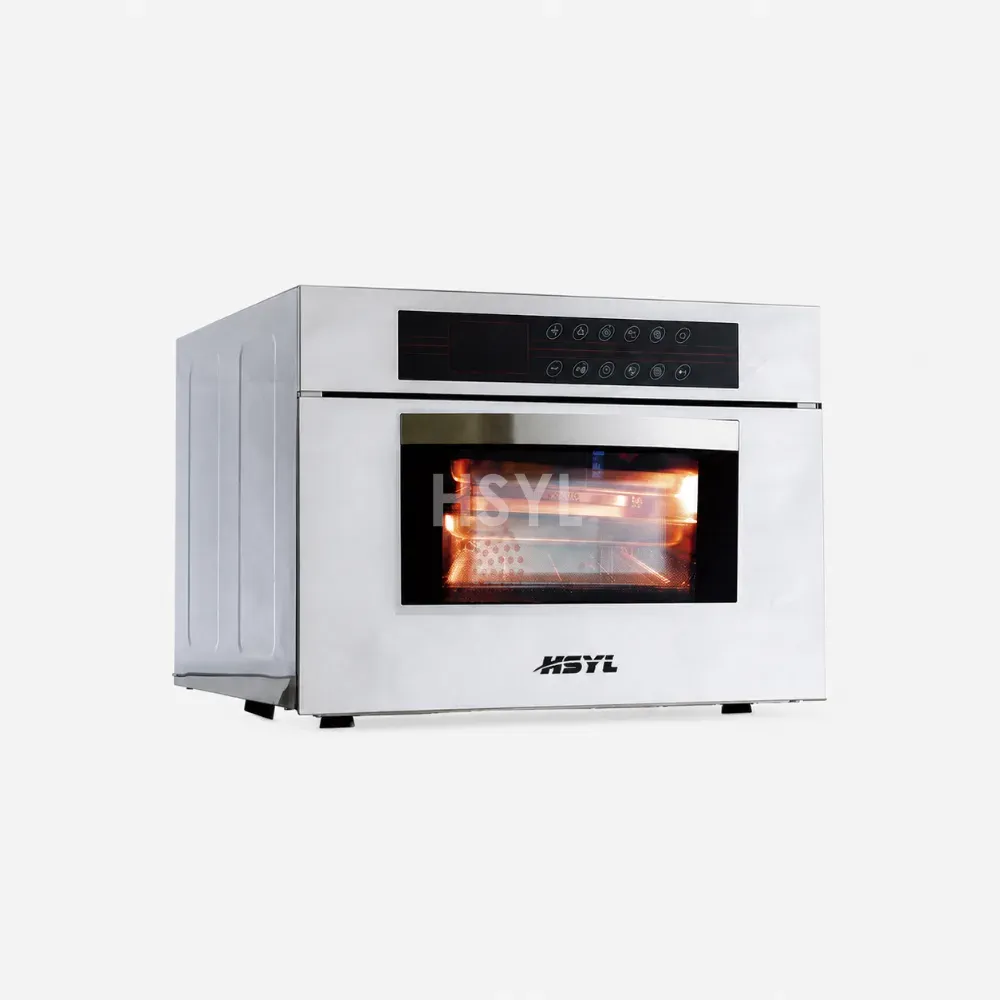
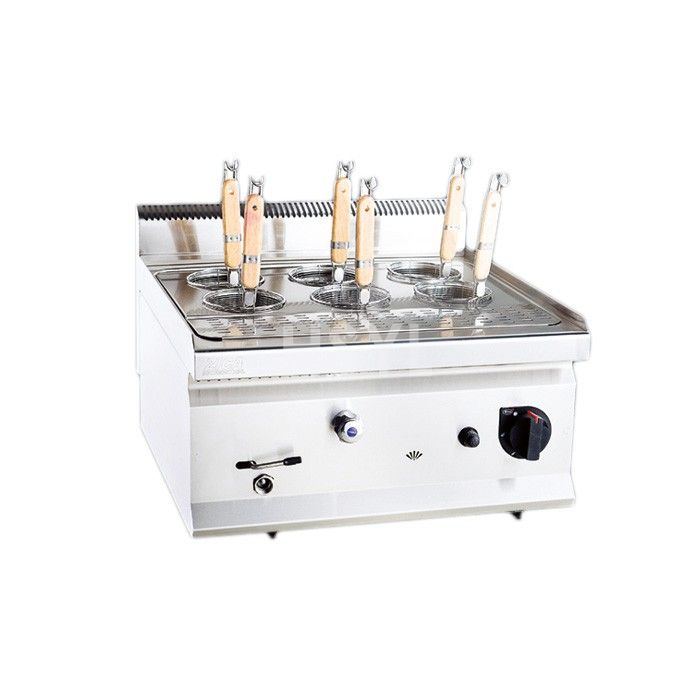
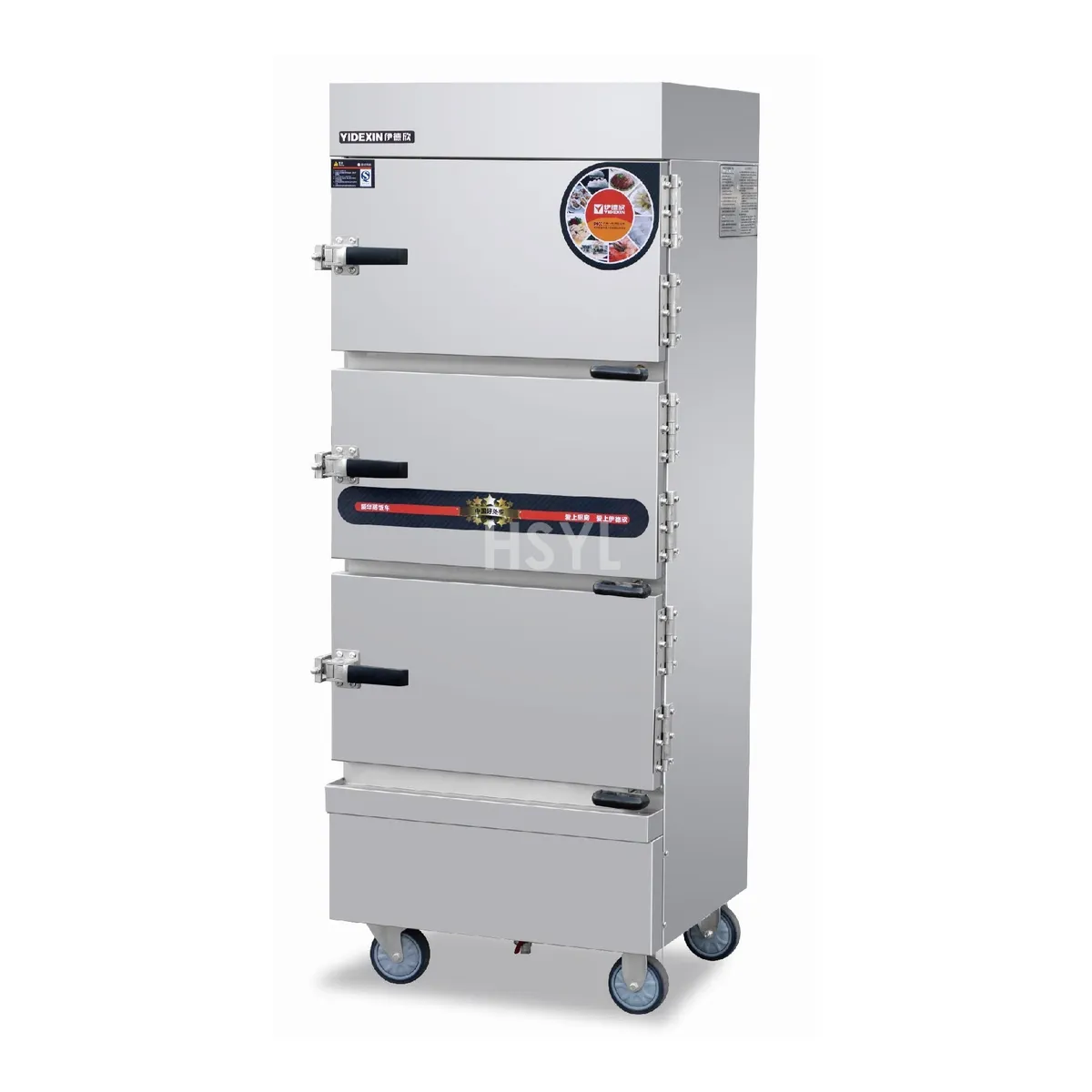
Direct Answer / Key Takeaway: Plan commercial kitchen gas-to-electric conversion with verified menu duty, electrical capacity, cookware, ventilation coordination and a controlled cutover.

Commercial kitchen gas-to-electric conversion should be planned as a menu and site-interface change. Replacing a fuel connection with an electrical appliance does not by itself resolve production capacity, cookware, ventilation, installation access or the permitted service interruption.
Begin with the cooking jobs the kitchen must continue to perform and the exact proposed configurations. Have the responsible engineers assess supply and site conditions using verified manufacturer data rather than adding nameplate values to an assumed spare-capacity figure.
Define the cooking duty before comparing appliances
List the menu processes, containers, batch releases, peak sequence and accepted product results. Identify which jobs depend on an existing cooking method or accessory and what must be demonstrated on the proposed replacement.
Compare the permitted working load and complete occupied interval, including preparation, changeover and approved cleaning. A different appliance may change the daily work pattern even when its catalogue category matches the existing item.
Build a verified equipment and supply schedule
Obtain exact voltage, phase, frequency, rated and relevant operating data, connection arrangement and installation documents from the supplier. Keep the utility version identifiable; a related catalogue configuration is not evidence for the proposed unit.
Use the equipment utility schedule to coordinate source, revision, interface and responsibility. The competent design team determines the building-side capacity, protection, wiring and other required engineering using applicable requirements.
Include the sequence in which equipment operates. The electrical review needs the site duty and accepted design basis, not a guessed coincidence factor. Preserve the engineer's assumptions so a later equipment change cannot silently exceed the released arrangement.
Check cookware and the surrounding workflow
Confirm the actual cookware, product and appliance combination through the supplier's permitted procedure. Where a technology has specific cookware requirements, verify the offered arrangement rather than assuming every existing pan is suitable.
Review work heights, loading, cleaning access and operator movement. Identify any changed location of utilities or service panels. The conversion plan should include the adjacent preparation and accepted unload positions needed to use the new equipment.
Review ventilation and other interfaces
Have the responsible ventilation and site teams assess the changed cookline using exact equipment and cooking-duty information. Do not infer that removing gas eliminates every ventilation or heat-management requirement.
Coordinate water, drainage, structure, delivery and maintenance access where relevant. Keep supplier responsibilities and building work distinct. A complete retrofit budget describes which party provides each item and the assumptions governing the work.
Compare energy with a defined boundary
Use measured or appropriately specified input data for the same accepted menu duty. Record operating, idle, preparation and cleaning conditions, energy units and the actual tariff basis if costs are calculated.
ENERGY STAR provides category and certified-model research resources. A category's published benchmark or another model's label is not evidence of a particular HSYL unit's certification, site savings or payback.
Release the cutover and prove the new duty
Agree removal, authorized isolation, installation, commissioning and the permitted temporary service arrangement with the relevant parties. Electrical and gas work must follow the approved site and equipment procedures of competent personnel.
After installation, demonstrate the agreed menu, interfaces and complete service sequence. Keep training, operating documents, final configuration and open-item ownership with the handover. A useful conversion conclusion states the actual duty demonstrated and the remaining work, rather than promising automatic energy savings or uninterrupted service.