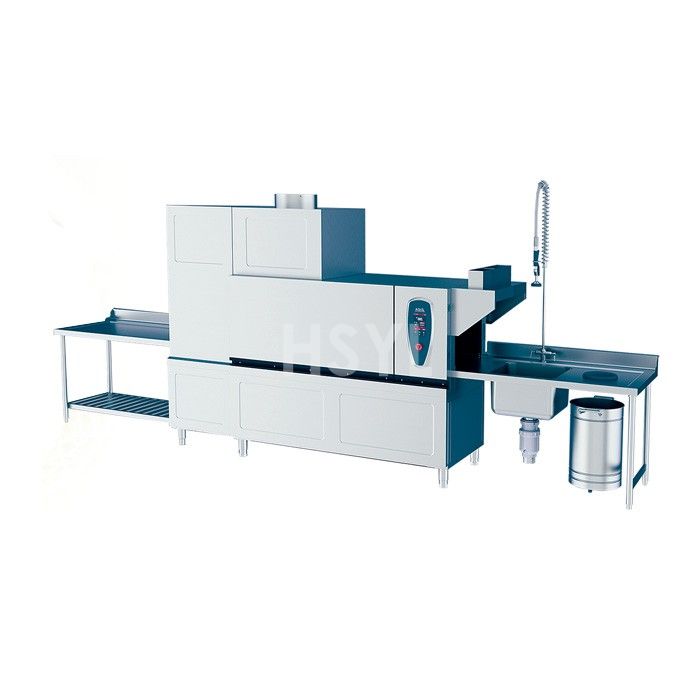
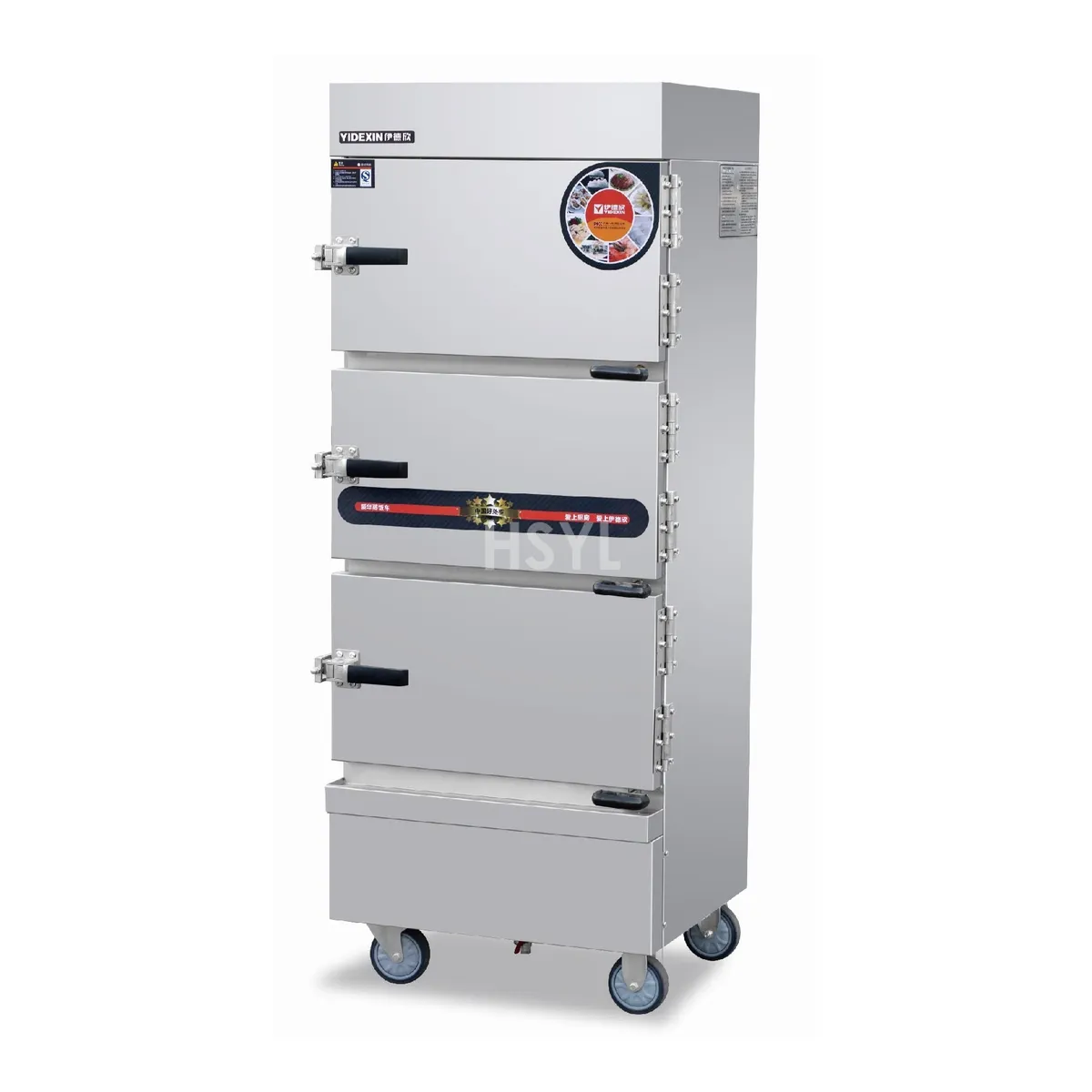
Direct Answer / Key Takeaway: Compare approved chemical-feeding methods through charge, replenishment, checks and container handling. Keep chemical form and verified cleaning performance consistent.
Compare manual and automatic chemical feeding by following the people who perform the complete job. Both options must be approved for the same dishwasher, products and accepted washing duty. The comparison concerns how that work is delivered, checked and supported.
First identify the included functions: detergent, rinse aid and any required chemical sanitizer. Obtain the machine and chemical suppliers' permitted methods for each. Keep product form and strength visible; a proposed liquid, powder or solid system needs its own compatibility and setup, even when its purpose is the same.
Observe the shift from two people's viewpoints
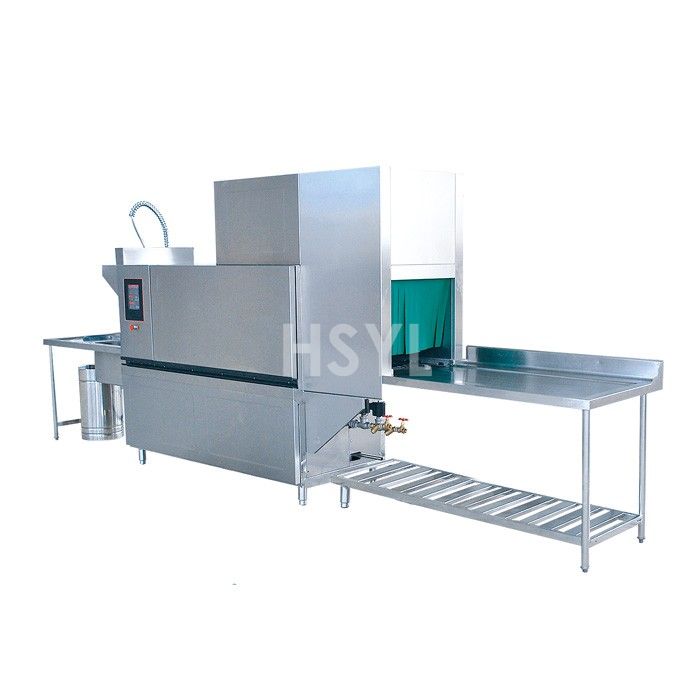

Follow the operator through opening charge, normal replenishment, tank changes, container handling and breaks or shift handover. For an approved manual method, identify who measures and adds product, how that person recognises the required event and what checking remains afterwards. Use representative work rather than one especially supervised demonstration.
For the automatic option, follow container replacement, permitted priming, normal verification and an empty-product or alarm response. Note which tasks the operator performs and which require the chemical-service provider. The dispenser changes the task allocation; it does not remove every recurring job.
Then follow the service provider's obligations. Include installation, setup, adjustment boundaries, tubing or other authorised parts work and the response to a product change or unusual operating condition. Record the actual attendance or agreement offered. A hypothetical rapid repair is not a service commitment.
Use equivalent completion criteria for the observations. Include the specified chemical verification and relevant accepted-ware assessment, recording rewash and interruptions in the same way. A method using less product while leaving more work rejected has not completed the same duty. The rewash assessment helps keep that extra work visible.
Price the tasks that actually differ, using supported time and product-use information. Show product strength, pack size and actual purchase price. Include dispenser/installation, consumables, service scope and staff attention in the complete budget. Keep estimates explicit.
The final comparison may favour a clearer control method or fewer particular manual actions without reducing a paid shift. Explain that benefit directly. Where the kitchen cannot provide the checking or response required by an option, resolve that operating gap before choosing it on price. The selected method has to work through an ordinary shift, including the people available when the usual operator is absent.