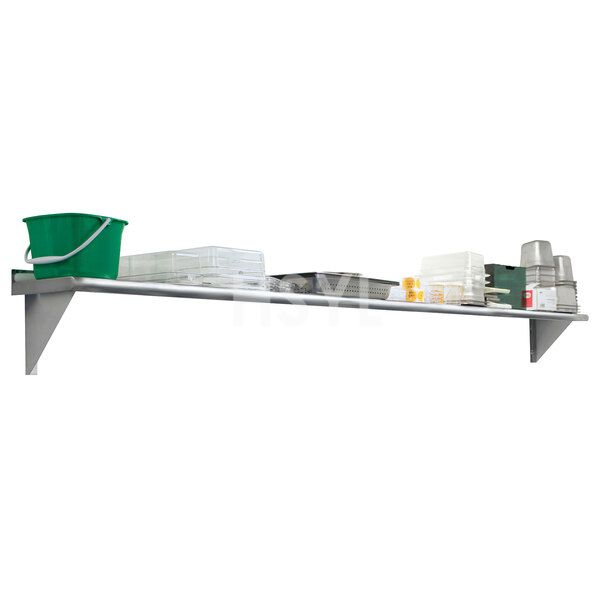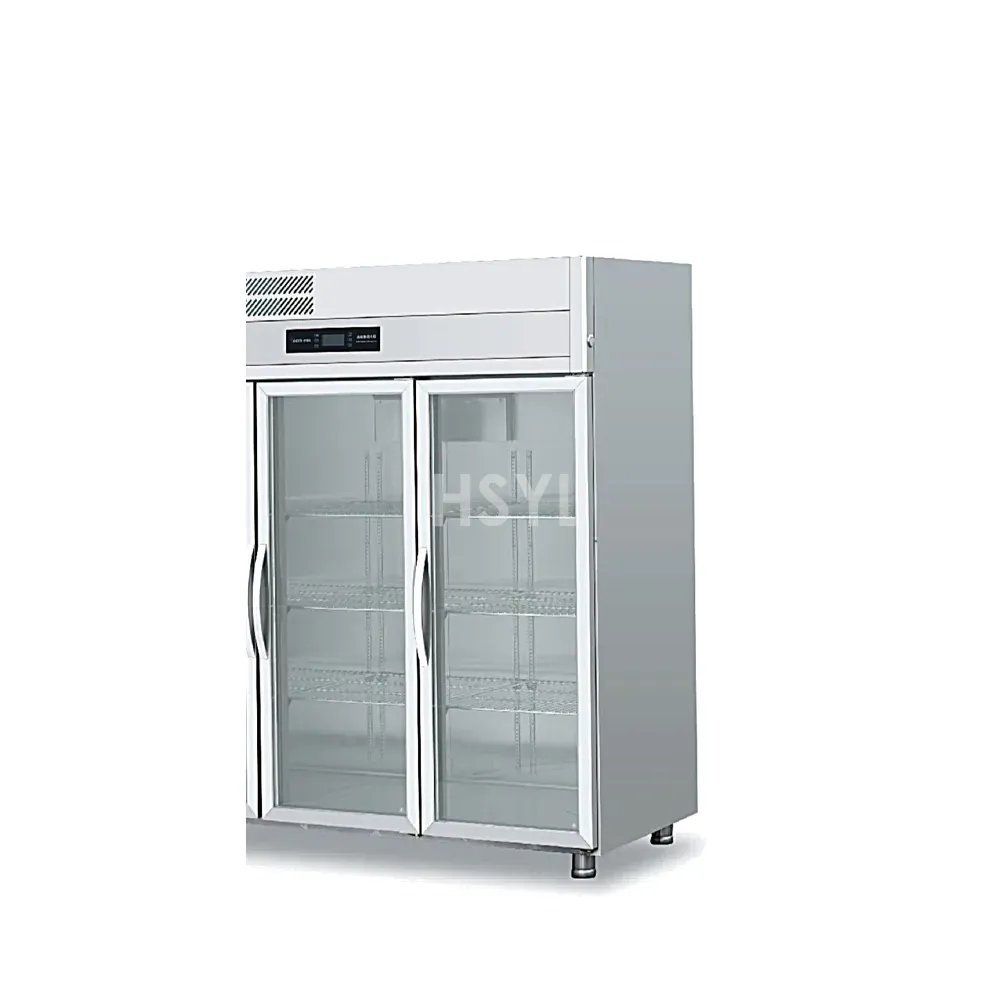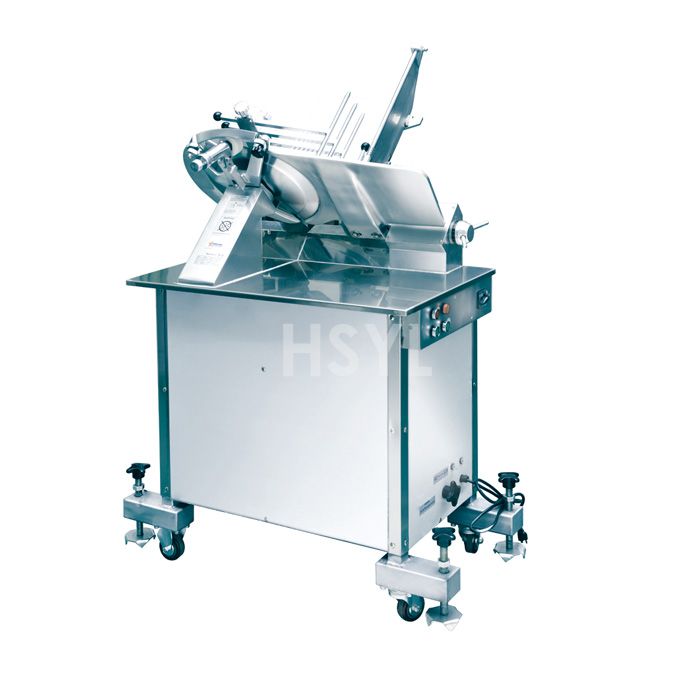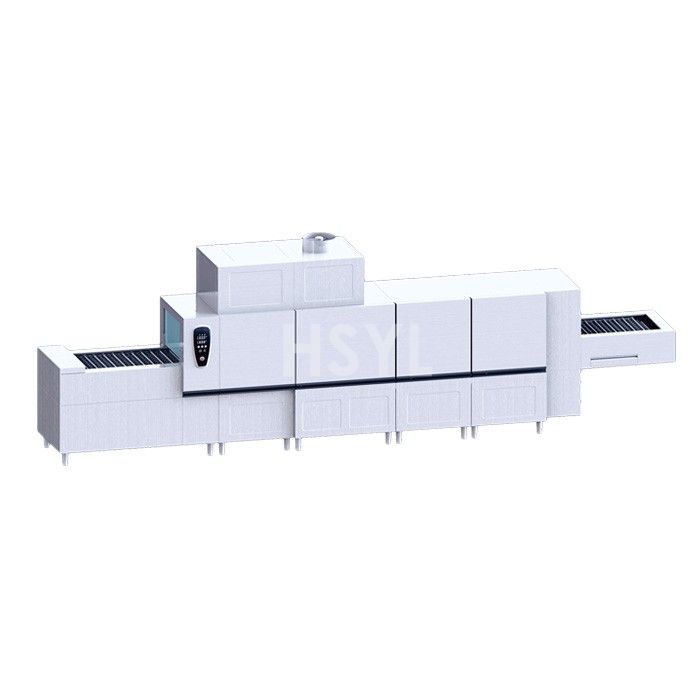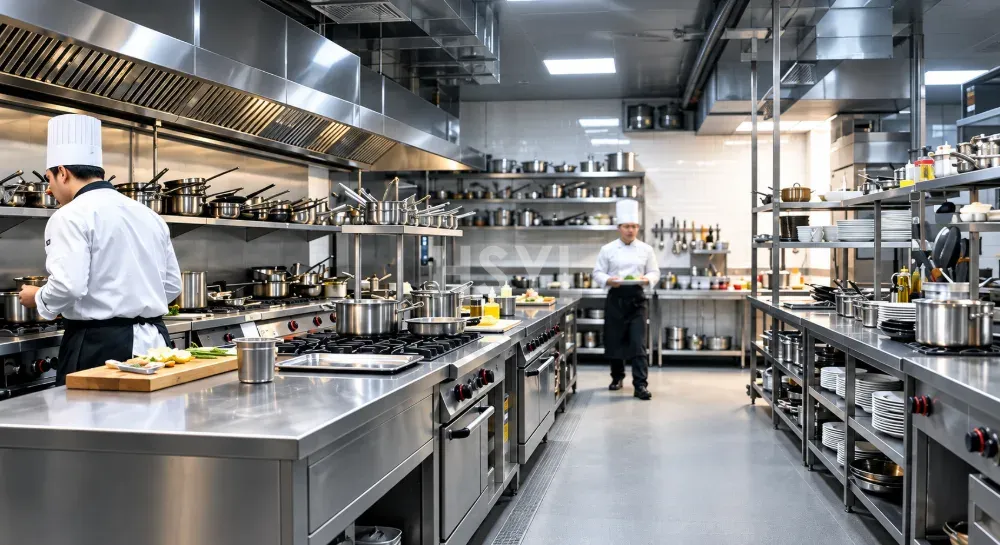
Commercial kitchen equipment cost depends on the equipment schedule, the configuration of each item and the work included in the quotation. A machine-only total and a budget for an installed kitchen answer different questions. Start with the menu and peak service demand, then separate equipment supply, delivery, site connections and opening support before comparing prices.
This guide is for buyers planning a new restaurant, replacing a cookline or purchasing a coordinated kitchen package. It provides a budget structure and quotation checklist. It does not present a fixed package price or assume that building work is included in an equipment offer.
Define what the budget is supposed to cover
Write a short scope statement before requesting prices. For a replacement project, identify which equipment, connections and accessories will remain. For a new kitchen, distinguish the foodservice equipment package from ventilation, utility distribution, drainage and building alterations. Assign a responsible party to each item rather than leaving it between the equipment supplier and the site contractor.
The operating brief should include the menu, meals or orders during the busiest period, preparation done on site, production hours, available space and destination. A restaurant serving meals continuously may need a different equipment arrangement from one releasing a large group of meals together. Use the restaurant kitchen equipment planning page to define the service before turning it into a purchase list.
Build commercial kitchen equipment cost from separate budget lines
| Budget line | Include in the comparison | Question to resolve |
|---|---|---|
| Equipment supply | Exact models, quantities, configuration and controls | Are both suppliers pricing the same cooking, storage and wash-up duties? |
| Accessories and working interfaces | Pans, baskets, racks, stands, tables, fittings and other specified accessories | Which items are included with the machine and which are separate? |
| Packing and transport | Packing method, transport scope, insurance where applicable and delivery point | Where does the quoted supplier responsibility end? |
| Destination charges | Applicable clearance, duties, taxes and local handling, assessed for the destination | Who supplies these amounts, and are any already included elsewhere? |
| Site services and installation | Connections, isolation, drainage, extraction interfaces, positioning and agreed installation work | What must be ready before the equipment arrives? |
| Start-up and handover | Agreed checks, operator instruction, documentation and initial consumables | Which activities are included, and who attends them? |
| Unresolved scope | Identified items awaiting a drawing, model choice or contractor quotation | What is the basis of each provisional allowance? |
Add only the items applicable to the project, and count each once. For example, if delivery to the site is already included in the equipment quotation, adding a second full delivery allowance would overstate the budget. Conversely, a low equipment total can understate the funding requirement when positioning, connection work and accessories sit outside the offer.
Freeze the equipment schedule before comparing restaurant equipment prices
Give every item a reference number that stays the same in the layout and supplier quotation. Record its purpose, quantity, working capacity basis, dimensions, utilities and accessories. A supplier may propose an alternative, but the differences should be visible beside that reference number.
For cooking equipment, describe the food, batch pattern and release time. For refrigeration, distinguish storage from rapid cooling. For dishwashing, describe the actual ware and return peak. Browse the commercial kitchen equipment range by these duties; buying several attractive machines separately does not establish that they work together.
- Ask for a separate price for every proposed alternative, rather than an unexplained substitution.
- Keep quantity, currency, quotation date and validity visible on every offer.
- State which items must be compatible, such as an oven, pan format and loading trolley.
- Separate an optional future item from equipment needed for opening.
Compare two offers by filling the gaps
Imagine that one offer includes the appliances and export packing, while another also includes a set of pans, delivery and start-up support. Their totals cannot yet be compared directly. List the missing scope beside the first offer and price it separately; check whether the second offer contains anything the project does not need.
A practical comparison is: quoted supply price + required excluded items + applicable delivery and site costs = comparable opening budget. Keep the assumptions beside the calculation. This is a comparison method, not a quoted HSYL price.
Ask for clarification when an offer uses descriptions such as “complete kitchen” or “standard installation” without an itemized scope. Restaurant kitchen equipment price comparisons become useful when both bidders are responding to the same list and responsibility schedule.
Find site costs before the purchase order
Confirm available electrical supply, gas where used, water, drainage, ventilation interfaces and equipment access. A machine may fit on the layout but still require connection changes or a delivery route that has not been allowed for. Have the appropriate site specialists assess these items against the final equipment information.
The kitchen equipment utility schedule guide helps organize connection information by item. Record who provides each service and the point where the equipment supplier's work meets the contractor's work.
Keep operating cost beside the purchase budget
Restaurant kitchen equipment cost continues after opening through energy, water, consumables, cleaning, maintenance and replacement parts. Compare operating assumptions over the same period and service pattern. Connected electrical power alone is not a measured daily energy bill; usage depends on the operating cycle and how the equipment is used.
When considering a cheaper or more automated option, ask what changes in staffing, cleaning time, service access and support. Use documented model information and local tariffs for calculations. Do not turn an unsupported savings percentage into the reason for a purchase.
Send a brief that can produce a usable quotation
Provide the menu, peak service demand, equipment list, floor plan, utilities, destination and required delivery scope. Mark must-have items, optional items and equipment being retained. State whether you want equipment supply only or separately priced installation and handover support.
Send these inputs through the HSYL equipment quotation enquiry to discuss the proposed package. Request an itemized response with exclusions and alternatives so the commercial kitchen equipment price can be assessed against the work you actually need.