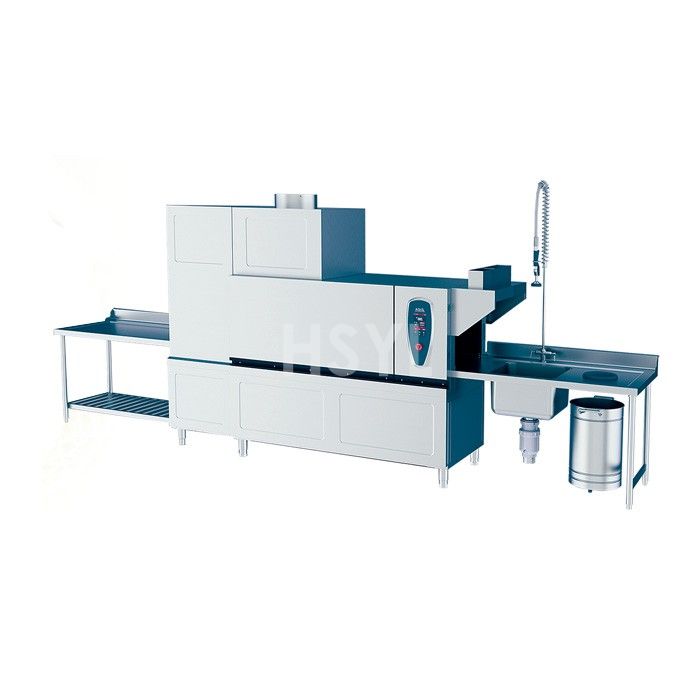
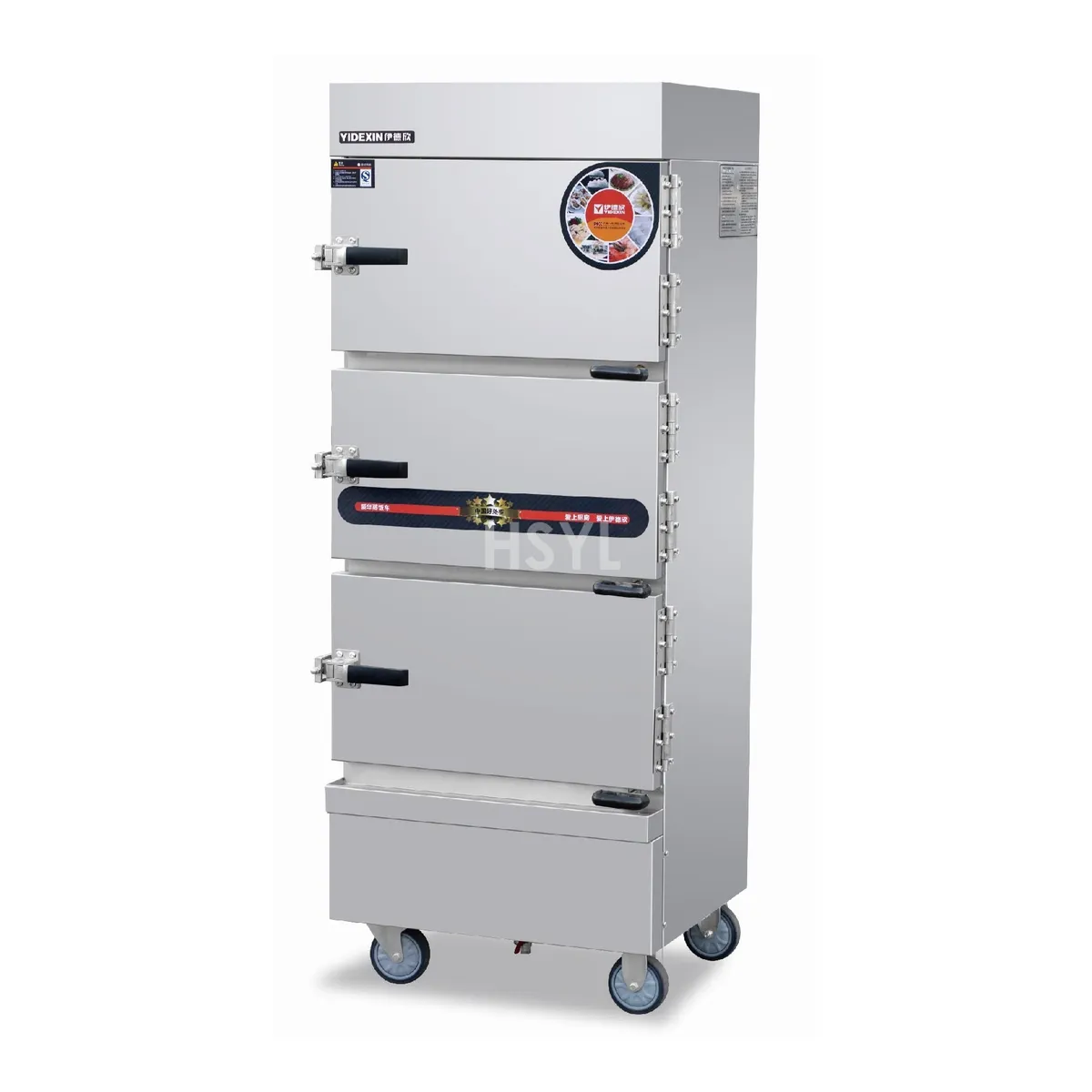
Direct Answer / Key Takeaway: Define detergent, rinse-aid and sanitizer channels, machine signals and refill events before selecting a warewash dispenser. Keep dosage chemistry-specific.
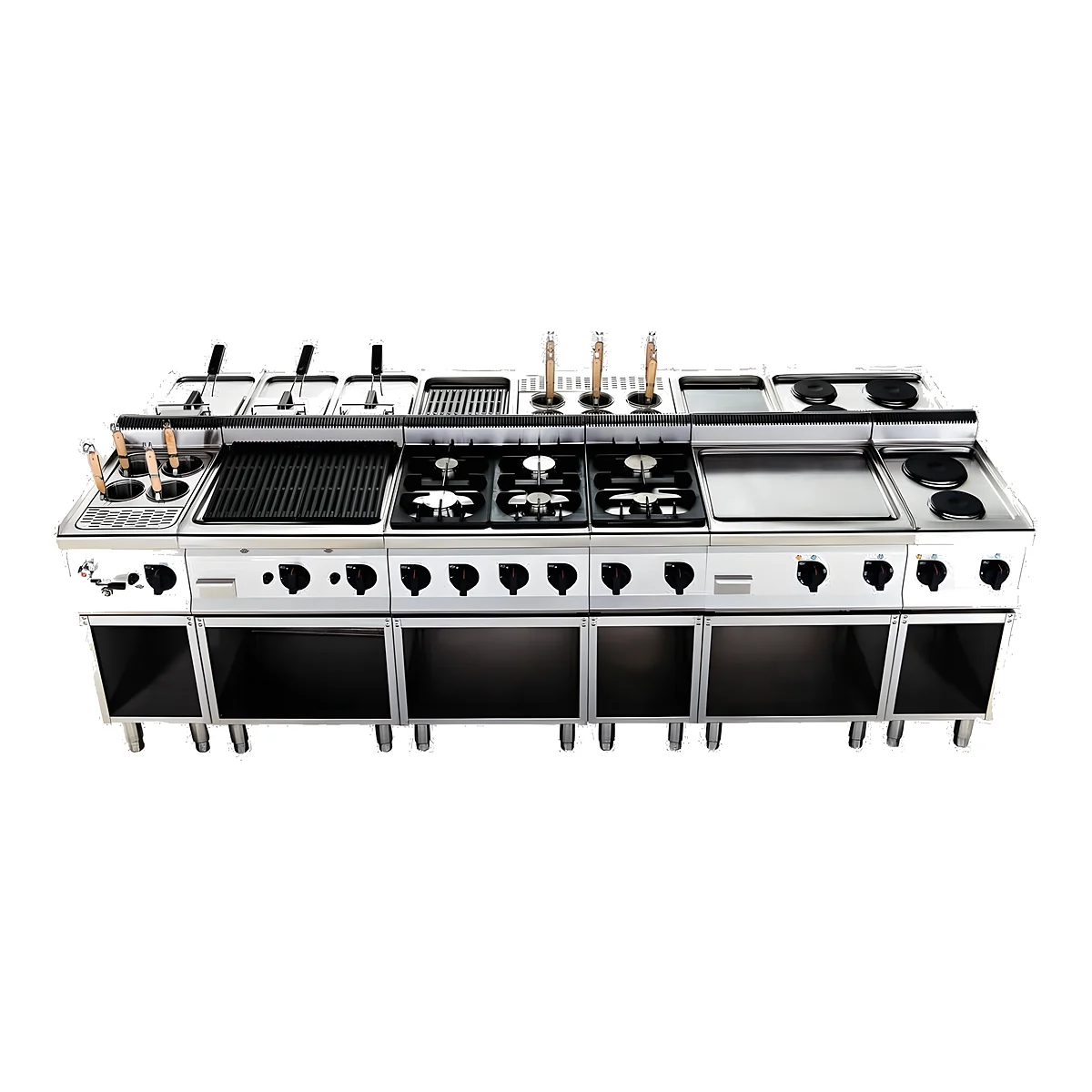
The useful output of a dispenser selection is a channel schedule that the chemical supplier, dishwasher supplier and installer can all work from. Begin with the actual wash and sanitizing method, then identify each required product and the event that feeds it.
List detergent, rinse aid and any separately required chemical sanitizer. Confirm their functions against the machine and product instructions. A high-temperature application must not acquire an unnecessary sanitizer channel simply because a proposed dispenser has another pump. Record each product's identity and form so a liquid pump is not quoted for a solid-product dissolving task.
| Function and product | Feeding requirement | Interface and acceptance |
|---|---|---|
| Detergent, with actual formulation/form | Initial tank charge and the selected replenishment method | Documented control event or appropriate probe setup; specified independent chemical check |
| Rinse aid, if required | Its approved feed point and rinse-related operation | Supported machine interface and product supplier's setting/verification method |
| Chemical sanitizer, where the process requires it | Its own approved channel, contact materials and operating event | Separate product/machine requirements and applicable verification |
Resolve the choice that changes the hardware
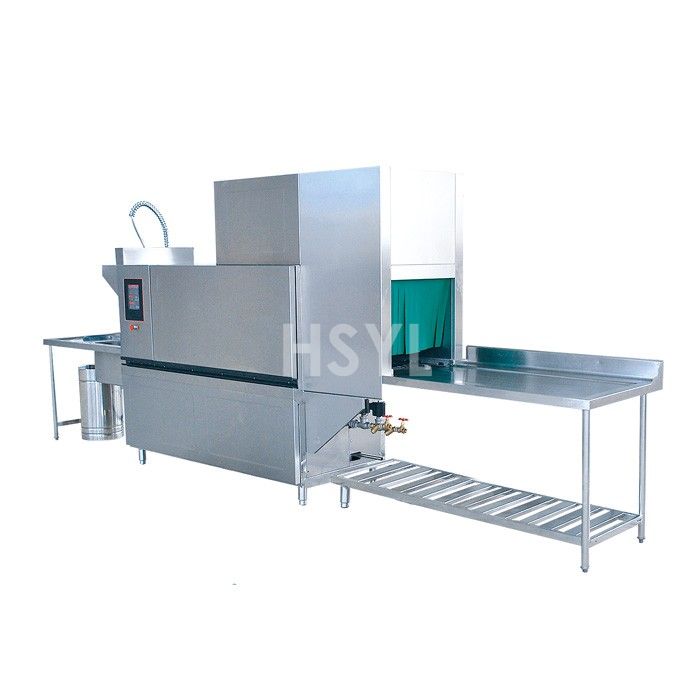

Concentration-controlled and timed arrangements need different setup information. With a suitable probe-based system, establish how the measurement is related to the approved chemical target and who maintains that setup. For timed feed, establish the relationship between the documented machine event, pump operation and intended delivery. In both cases, the actual formulation, water conditions and machine procedure determine the chemical target.
Ask the dishwasher supplier to identify the available signals and the dispenser supplier to confirm their receiving requirements. Have qualified personnel resolve the actual connection using both documents. Mains supply, a valve signal and a volt-free contact are different interface descriptions. Put the agreed interface in the equipment utility schedule before ordering.
Walk the proposed product containers and tubing route on site. Check authorised access for a container change, line identity, chemical-handling controls and the service space for supplied parts. Keep chemical routes clear of food preparation and clean-ware handling as required by the site arrangement.
Give the completed scope to the installer with a demonstration brief: initial charge, relevant replenishment, rinse feed and alarm/restart states. The responsible chemical-service person verifies the applicable result by the specified method. Assign the recurring chemical and hygiene checks, including who can change settings and who responds when a product runs out.
Return an incomplete quotation for the missing channel or interface detail. A complete proposal should show which product reaches which point, what makes that happen and how the kitchen will know the intended chemical condition has been established.