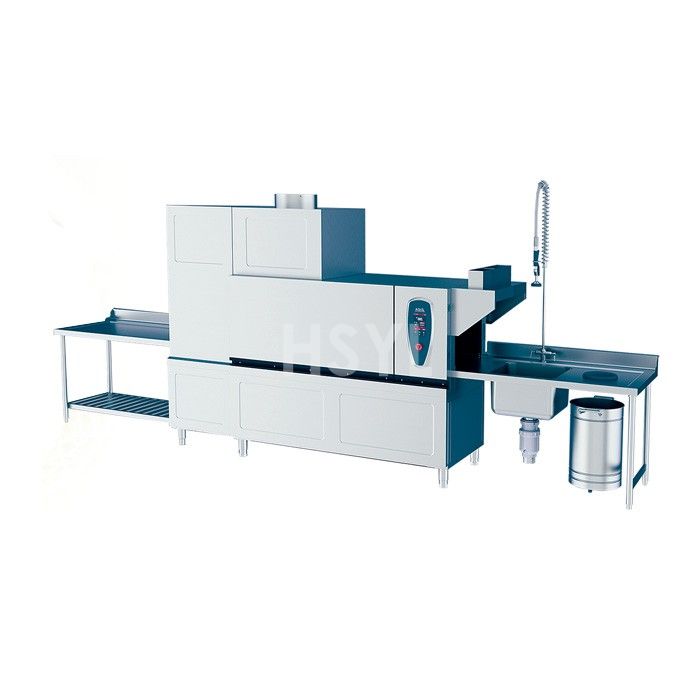
Direct Answer / Key Takeaway: Separate initial fill, wash and rinse events when specifying dispenser triggers. Agree signal characteristics and the actual dosing sequence with both equipment suppliers.
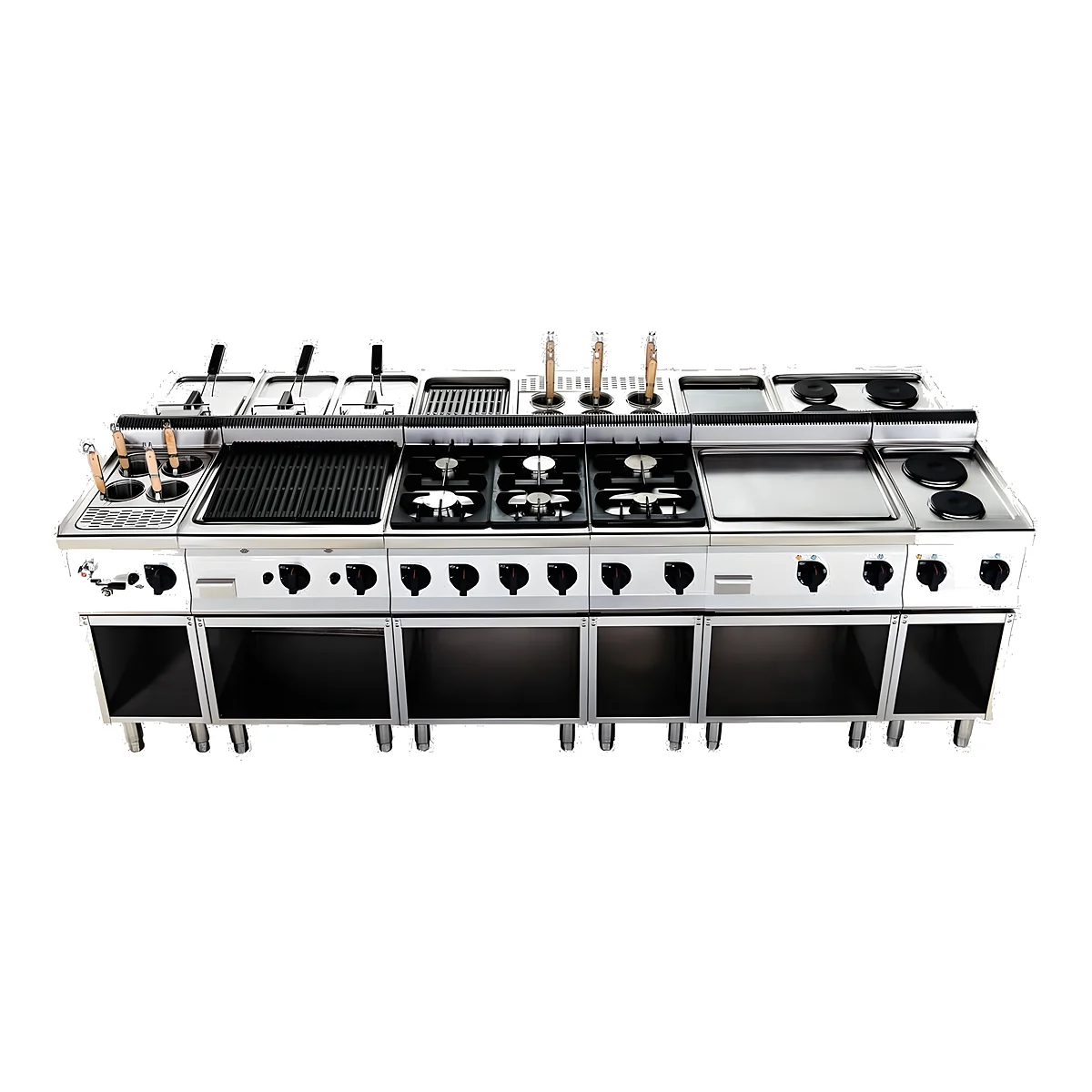
Map the dishwasher's sequence before choosing dispenser trigger connections. Start with the actual machine and the proposed dosing mode, then follow one normal fill-to-rinse sequence and a relevant drain/refill. The result is an event-to-response agreement for this installation.
Ask the machine supplier to explain how the tank fills and how fresh water enters during operation. Note whether the proposed control event represents initial fill, washing, replenishment or final rinse. The phrase 'runs with the dishwasher' leaves these distinctions unresolved.
| Observed or documented event | Response the suppliers must define |
|---|---|
| Initial fill | Initiation and completion of the required initial charge |
| Normal wash | When the selected detergent-control mode is enabled |
| Fresh-water replenishment | How the approved setup accounts for dilution |
| Final rinse | Which actual product/channel responds to the defined event |
| Drain/refill or restart | Recognition of a new charge and the intended restart state |
Keep rinse aid and any required sanitizer separately identified. Their purposes and verification differ. Likewise, do not copy one feed time across the schedule; the actual machine, formulation and selected control method determine the response.
Turn the agreed sequence into a verified interface
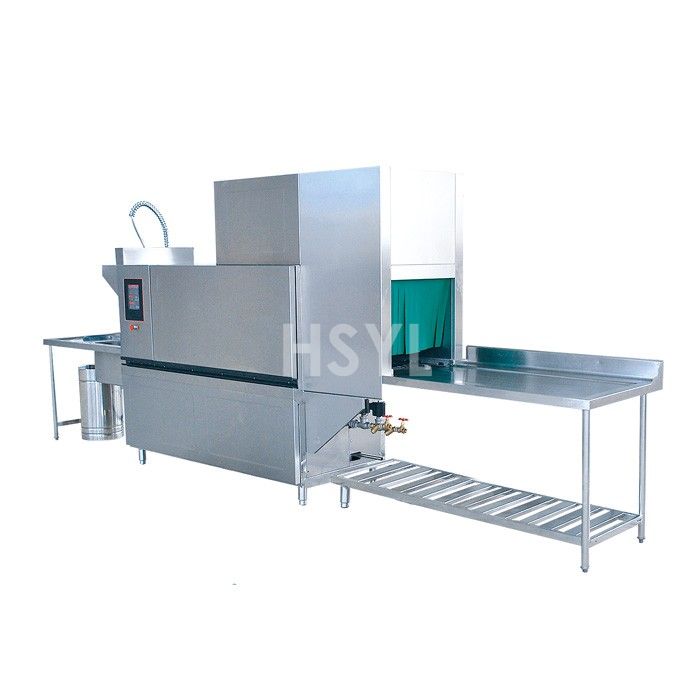
For each required signal, have the qualified installer identify its documented source, electrical characteristics and receiving input. Include any approved interface accessory. Resolve the arrangement from both manufacturers' information and the applicable site design. Never bridge a signal merely to keep a pump active.
Use the connection schedule to assign supply, trigger and commissioning responsibilities. The schedule should allow the controls installer and chemical-service person to recognise the same event without relying on wire colour or the machine's mains voltage.
During authorised commissioning, run the documented sequence. At the initial charge, identify the intended channel and its completion. At wash and rinse, check the defined enable/feed events. Then use the approved drain/refill and restart arrangement to confirm the controller returns to the required state. Protect the operation through the prescribed machine and chemical procedures.
The responsible chemical-service person verifies the applicable chemical result; a running roller is only one observation. Investigate a response that occurs at the wrong event even if the pump appears to deliver. A timed feed attached to the wrong stage can remain consistently wrong.
Use the accepted event map when the machine or controller changes. Compare the new sequence and interfaces before reconnecting; a successful older connection is not automatic approval of a replacement. This is the practical reason to preserve the event identities rather than only a photograph of the terminal box.