Direct Answer / Key Takeaway: Track an interceptor‘s actual condition, waste removal and operating changes. Build a service record that explains problems without inventing a universal interval.
A useful interceptor record explains what was found and what was done. A row saying 'cleaned' does not reveal whether retained material was removed, a basket was missed or the kitchen's operating load has changed. Start from the installed unit's instructions and build the record around identifiable components and responsibilities.
What each visit needs to leave behind
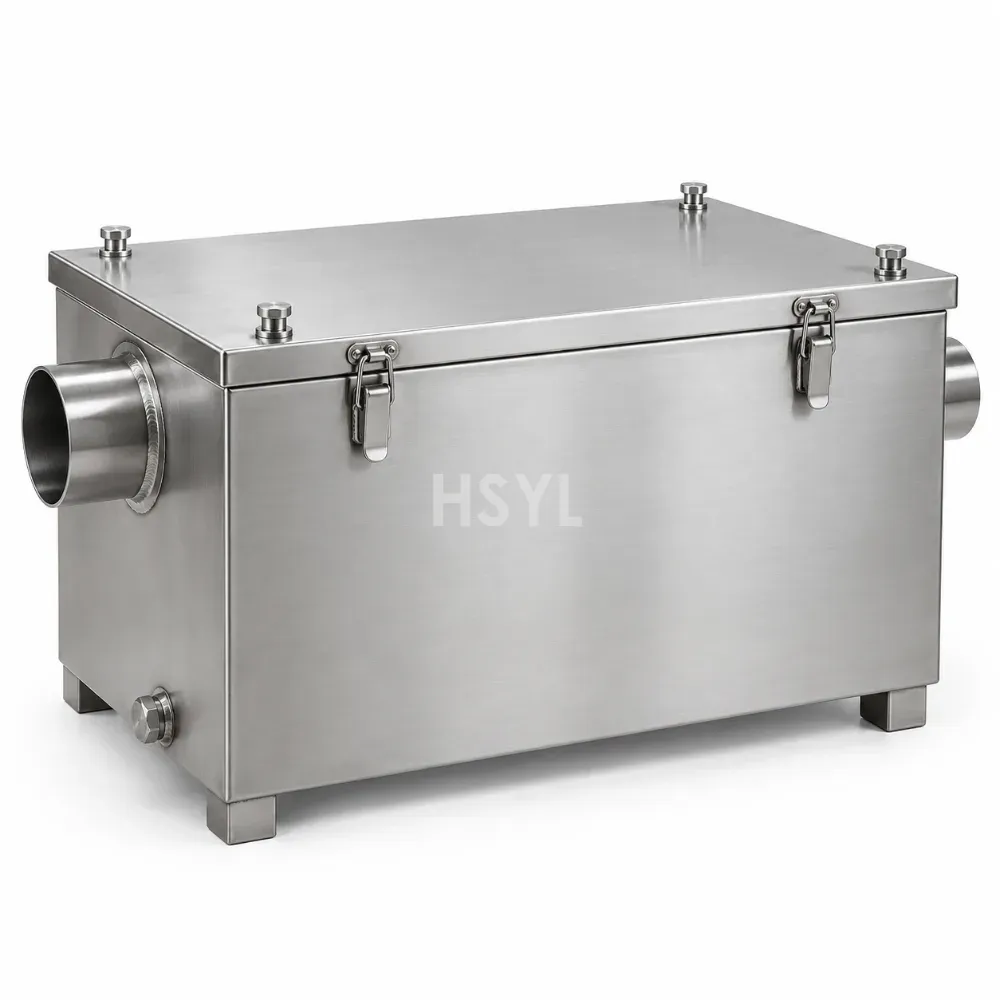
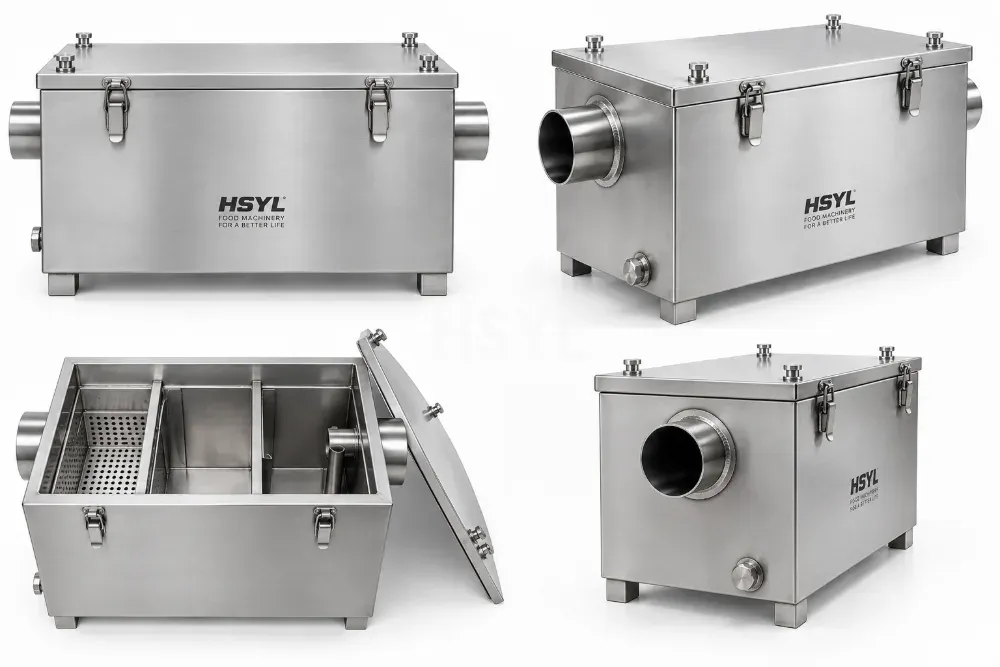
- Identity and date: identify the installed unit, location, person or service company and the work performed.
- Observed condition: record the checks and measurements specified for that unit, using a consistent method and units.
- Removal and cleaning work: distinguish recovered grease, solids handling and any other tasks rather than describing them as one activity.
- Unresolved items: record an inaccessible component, fault indication, damaged cover or other issue together with the responsible follow-up person.
- Operating changes: note unusual meal production, changed fixtures or a different waste-handling practice since the previous visit.
These headings organize evidence; they do not authorize opening or entering equipment. Access and servicing must be performed by appropriately trained personnel using the manufacturer's procedure and site safety arrangements. An operator should report a problem through the designated process rather than improvise an internal repair.
Use the trend to review the arrangement
Compare successive observations on the same basis. A shorter period between required removals may indicate a changed operating load, incomplete service or another condition that needs investigation. It should trigger review, not an automatic assumption that a chemical additive or a larger unit will solve the problem.
The manufacturer's distinction between flow and grease-production inputs is relevant here: hydraulic suitability and retained-material handling are different questions. Keep the original design basis available when the kitchen changes menu, production volume or connected fixtures. Review those changes with the responsible designer and service provider.
Deal with symptoms without diagnosing by smell alone
An odour, slow drainage or a visible leak is a reason to report and investigate the system through the appropriate personnel. It is not a complete diagnosis of the interceptor's retained-material capacity. Record where and when the symptom occurred, which fixtures were operating and any associated indication on a powered recovery or monitoring system, if fitted.
Keep instructions for reporting urgent faults where staff can find them. Separate ordinary scheduled work from a response to a system problem, and retain the service provider's findings. This allows the kitchen to distinguish recurring causes from isolated events.
Finally, review whether the documented work is practical in the installed location. If service access repeatedly requires moving fixed equipment, refer the issue for an maintenance-access review. A record is valuable when it leads to a specific correction, rather than merely demonstrating that somebody signed a form.