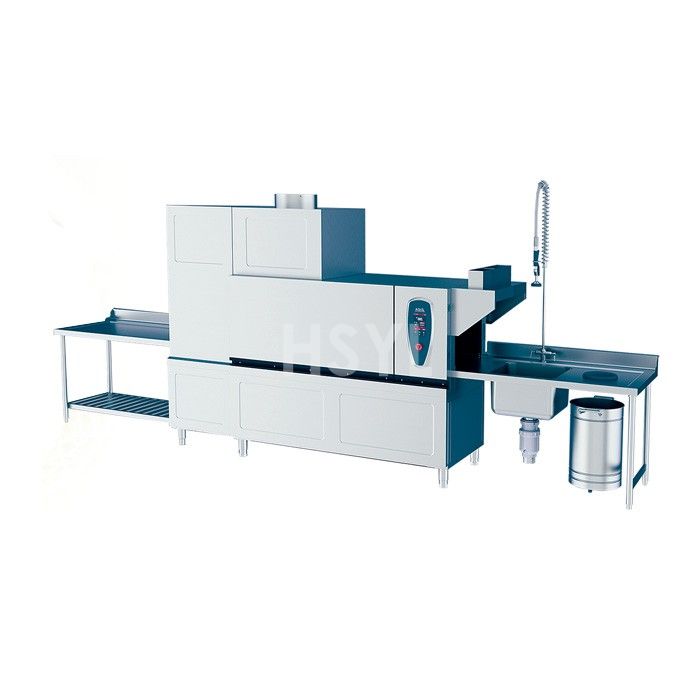
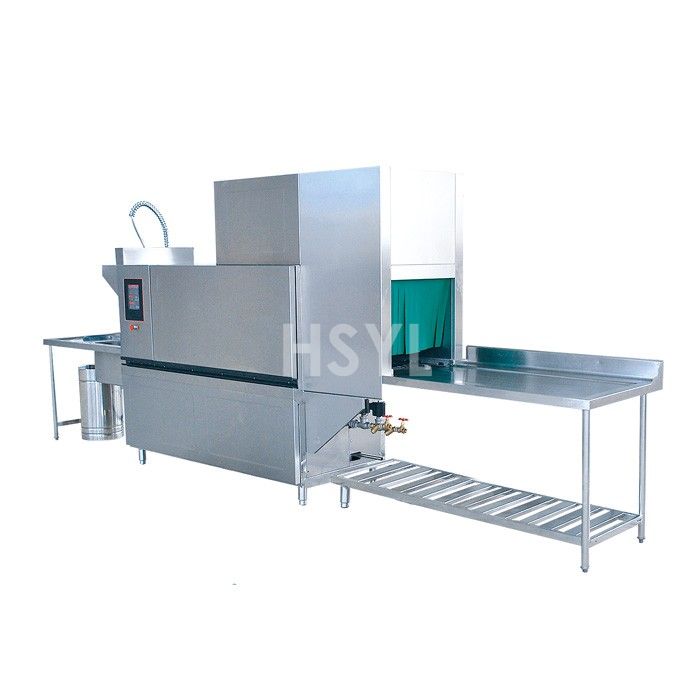
Direct Answer / Key Takeaway: Record where and when water appears around a clean-table connection. Give the installer the actual interface and operating context before sealing or adjusting the assembly.
Water beside a dishwasher-to-table joint does not identify which interface needs correction. Wiping it away and adding sealant may hide the pattern while leaving rack support or the intended water path unresolved. Make the area safe and preserve useful observations before repair.
Locate the water without reaching into the machine
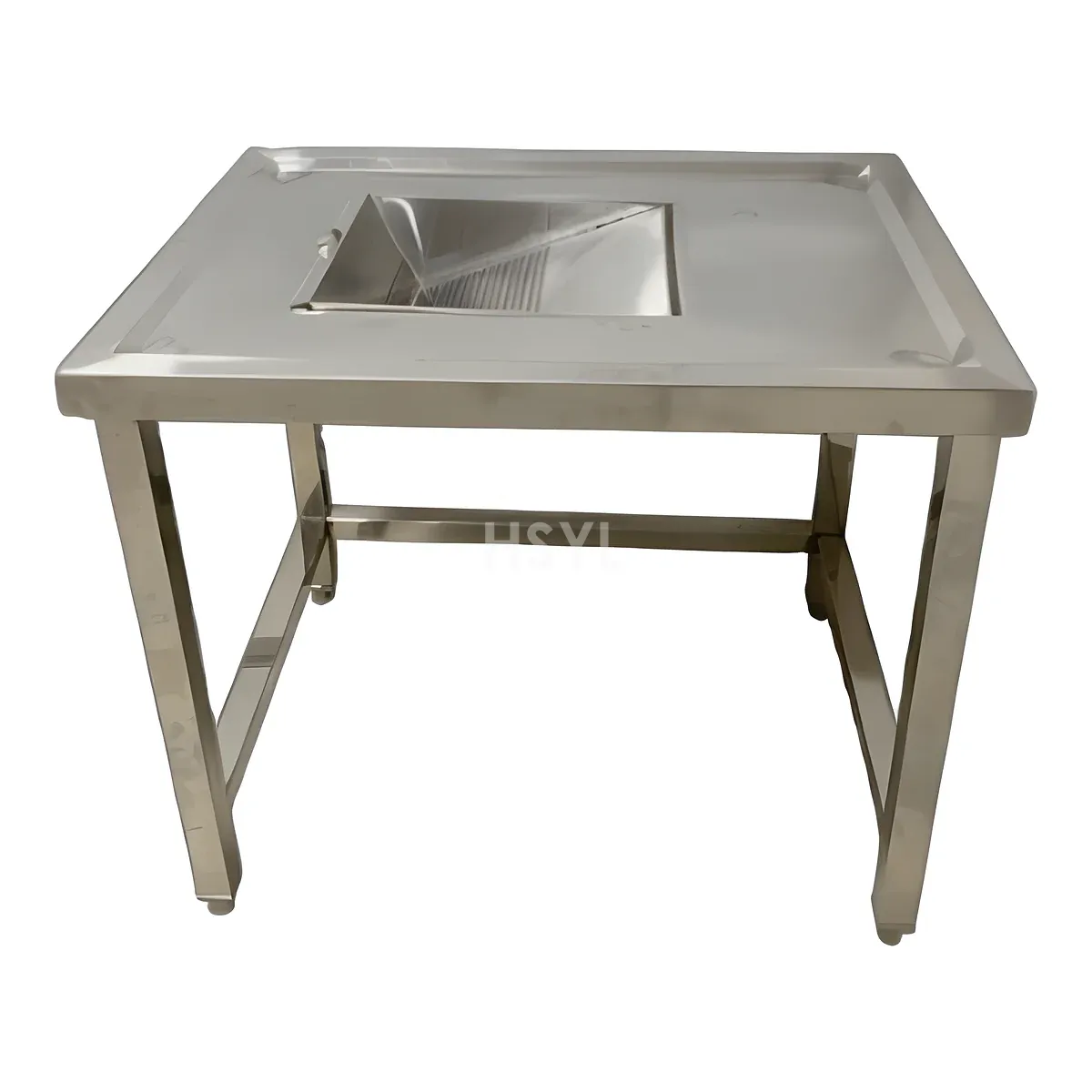
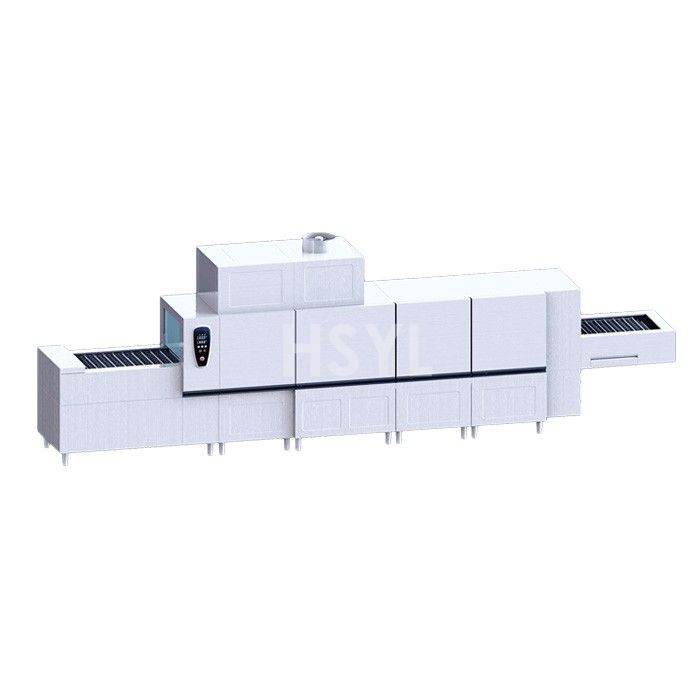
Use the site's wet-floor response and protect staff from hot discharge, moving racks and electrical areas. Where safe during normal necessary operation, photograph the location relative to the table edge, attachment, supports and visible water route. Do not reach behind a running machine or remove a guard to find the first drop.
Note when the water appears: with a rack handoff, during a normal machine stage or after cleaning. Describe what was actually observed rather than assigning a blocked drain or failed seal from floor water alone. Avoid running repeated uncontrolled cycles to reproduce it.
Retrieve the accepted connection detail
Identify the dishwasher, feed direction, table and any field changes. Obtain the actual joint/support drawing and water-path instructions. A lip over a tank, a separate table drain and an external waste connection require their own applicable details; do not assume every installation returns water the same way.
Request missing machine and connection documentation before specifying the repair. Include recent table movement, foot adjustment, dishwasher replacement or work under the landing because the installed relationship may have changed.
Keep rack travel and support in the repair scope
Report a visible step, catching rack or unstable table through safe external observations. The responsible installer should check the approved support and connection arrangement under the proper procedure. Operators should not lift the machine, loosen loaded legs or drill another fastening to make the surfaces align.
Any fixing, seal or drainage correction must use the permitted materials and method for the actual assembly. Adding a bead over an unidentified wet seam is not a substitute for assessing the underlying connection, cleanability and load path.
Verify under the relevant normal condition
Agree a safe check after the approved correction. It should assess rack transfer, support, the specified water route and the operating condition associated with the original report. Keep required machine protection in place; do not defeat a limit function to force racks through the test.
Check the affected clean handling area under the site's hygiene procedure and resolve any ware that may have been exposed or handled incorrectly. Equipment correction and ware acceptance are separate responsibilities.
Retain the observed pattern, installer finding, completed work and follow-up. A dry floor immediately after mopping does not demonstrate that the recurring interface problem has been corrected. If the symptom returns, the original location and event evidence lets service compare the same complaint rather than start from an unsupported diagnosis.