Direct Answer / Key Takeaway: Review the waste contract, accepted output and complete operating costs before pricing a pulper. A smaller waste volume does not guarantee a lower collection charge.
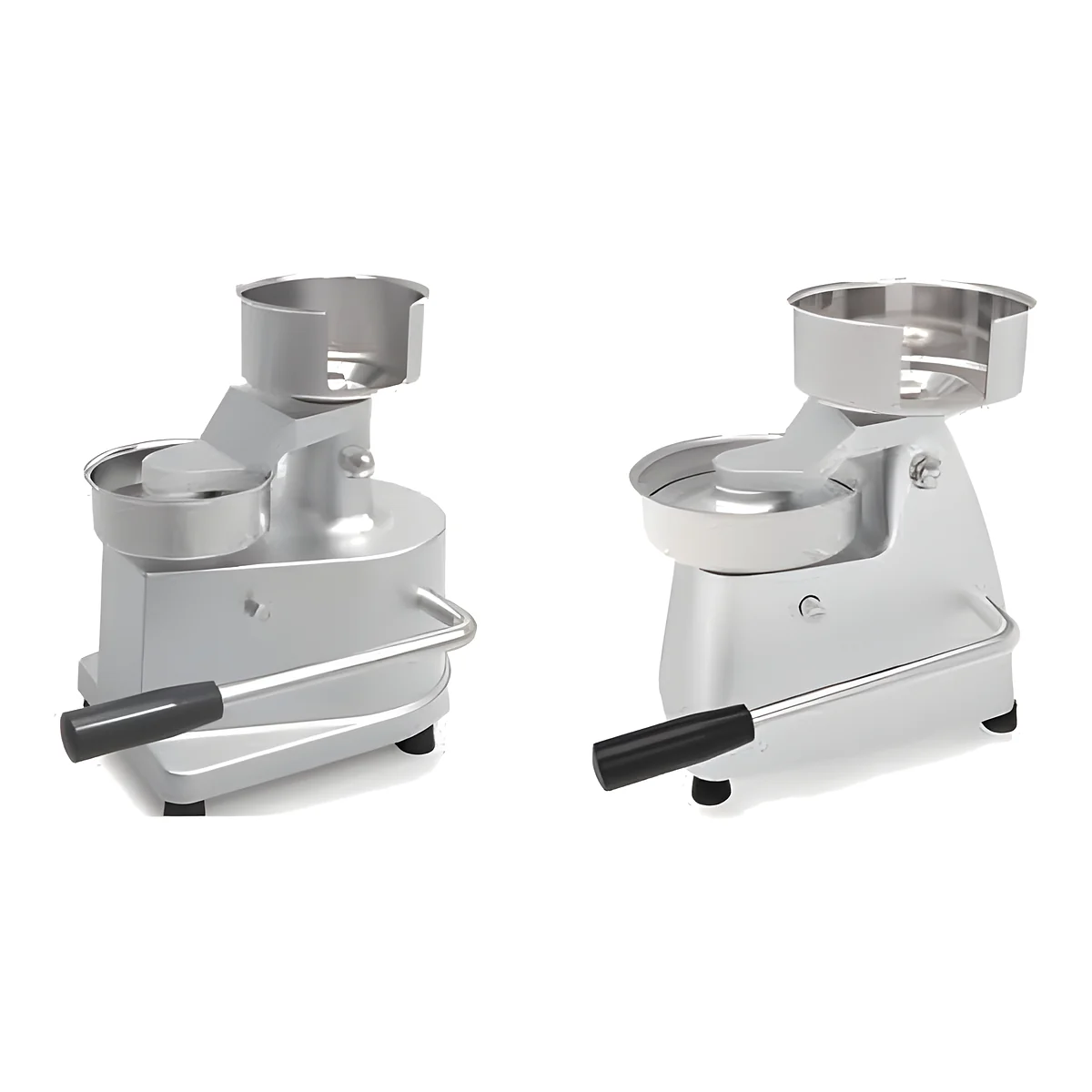
A smaller pile of food waste does not automatically produce a smaller collection bill. The economic question is whether a pulper changes a charge the kitchen actually pays, after allowing for the complete system and its continuing work. Start with the waste contract rather than an advertised reduction percentage.
Find the charge that could change
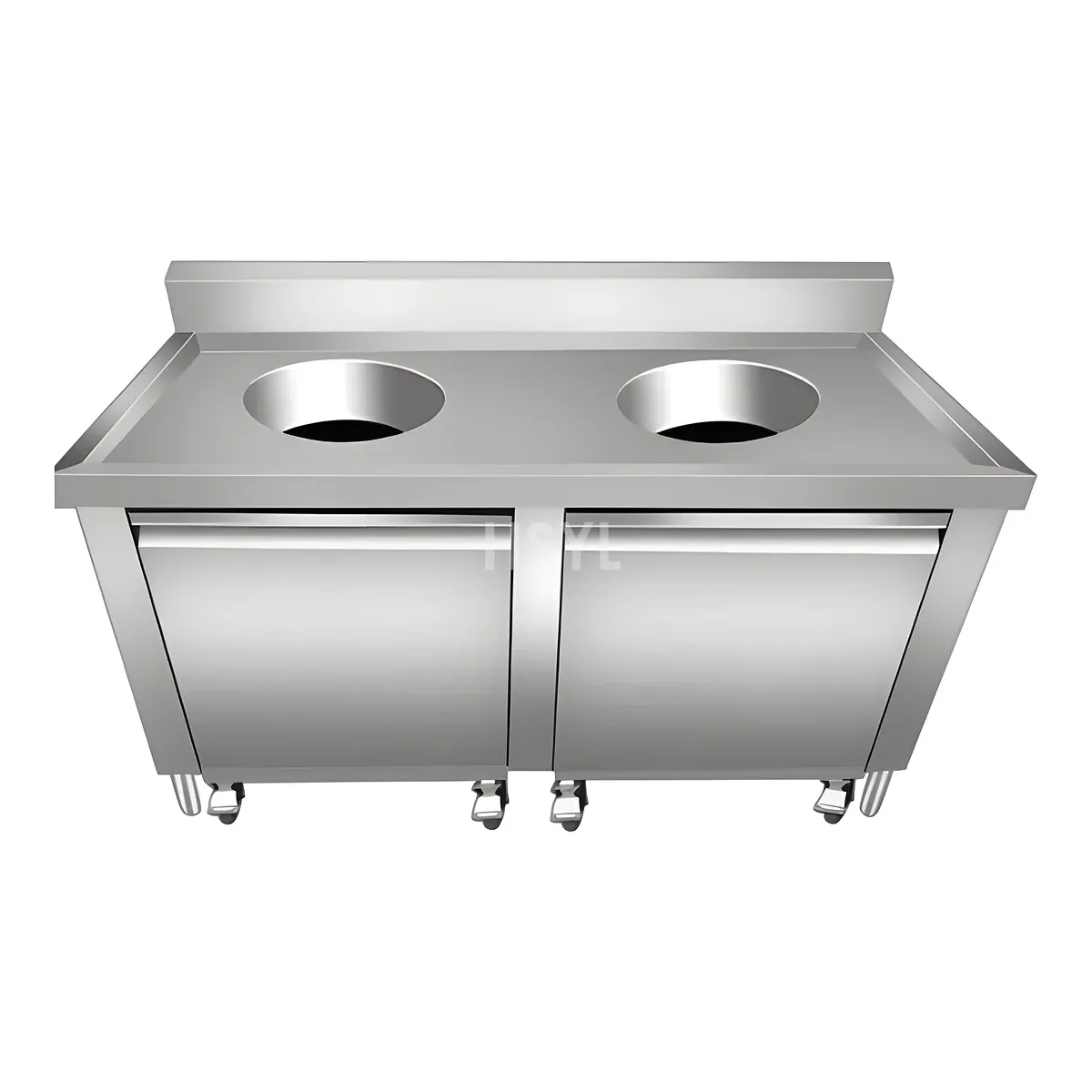
Read the current collection agreement alongside recent invoices. Identify whether payment depends on container size, collection frequency, measured weight, minimum service, contamination or a combination. Separate food waste from other materials sharing the contract. Reducing one stream may leave the same collection vehicle, minimum charge and service frequency in place.
Ask the hauler to price a defined proposed arrangement using evidence from the waste audit. Obtain its written acceptance of the processed output and any container or storage requirements. Do not assume the output qualifies for the kitchen's existing organics service or that a different disposal route will be cheaper.
Keep the current arrangement as the comparison baseline. Include its actual sorting, internal transport and cleaning work. Describe any existing contract commitment that would prevent an immediate service change; an avoided future cost is different from a reduction available this month.
Price the complete proposed workflow
| Cost group | Items to establish |
|---|---|
| Acquisition | All processing stages, controls, collection equipment, delivery and installation |
| Site work | Approved service connections, route changes and access work |
| Daily operation | Sorting, feeding, output handling, cleaning and required utilities |
| Support | Scheduled service, wear parts, callout terms and a workable outage arrangement |
| Waste service | The receiver's quoted charges for the actual resulting streams |
A remote extractor outside the scullery may improve the feed-area layout while adding output handling elsewhere. Trace and assign that work in the actual site layout. The dishroom workflow review helps identify linked tasks that still need pricing. Do not remove a labour cost unless the associated work and staffing arrangement actually change.
Make uncertain savings visible
Prepare separate cases for a confirmed contract change and for the present contract remaining unchanged. Use measured operating requirements or supplier figures clearly tied to the proposed configuration. Where a value remains unknown, identify what quotation or demonstration will resolve it instead of inserting a generic annual maintenance percentage.
For example, if the kitchen still requires the same paid collection after installation, count no collection saving in that case. The system might have other operational benefits, but those need their own evidence and should not be relabelled as an invoice reduction.
Include the responsible parties in the purchasing review: kitchen operations for handling work, facilities for installation and service, and the waste receiver for output acceptance and charges. The buying decision should show which costs are confirmed, which depend on a contract change and which remain unresolved. A universal payback period cannot answer those project-specific questions.