Direct Answer / Key Takeaway: Organise permitted baffle-filter and grease-collector cleaning around the actual hood instructions. Check removal, compatible washing and correct reassembly before release.
A cleaned baffle filter is useful only when it is returned to its correct position. Prepare the removal and refitting sequence before the first panel is taken down, particularly where panels look alike but occupy different locations.
Identify the hood and obtain its current cleaning instructions. Establish which components operators may remove and what shutdown, isolation, cooling and access arrangements the instructions require. If reaching a panel requires unapproved climbing or work near equipment that cannot be made ready, resolve access with the responsible person before starting.
Make the removal sequence recoverable
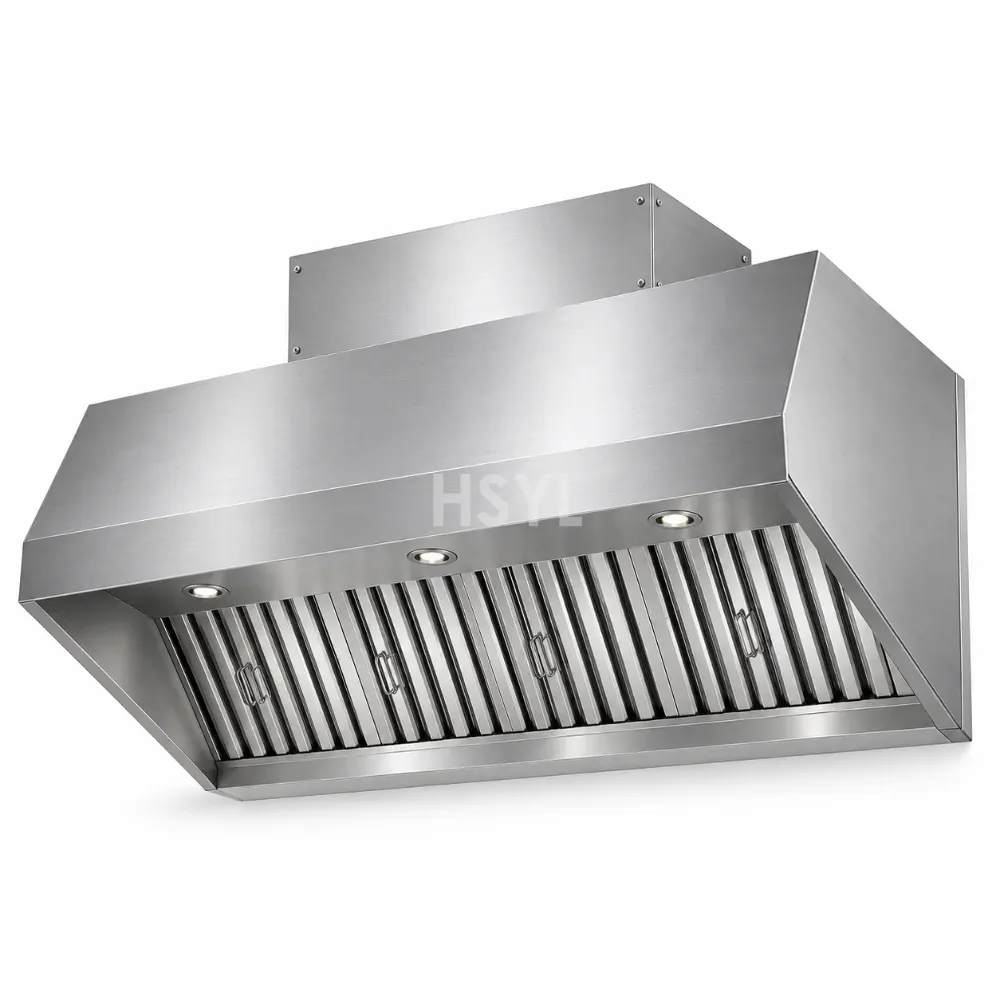
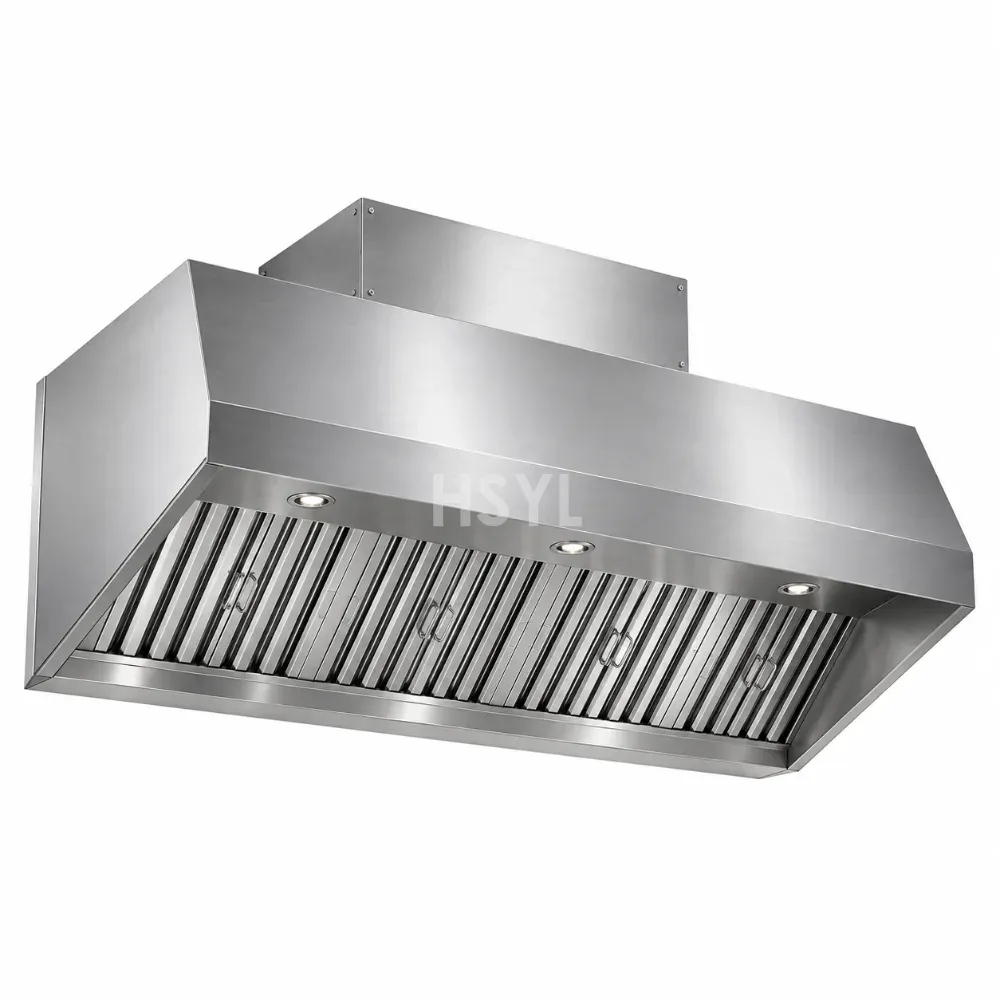
Identify each removable filter and collector by position without applying an unsuitable marking to a food or grease-contact surface. Photographs taken from the normal safe working position can help explain the arrangement. Arrange a suitable landing area so a greasy panel does not pass across ready-to-use utensils or food.
Follow the supplied removal method and support the component as instructed. Do not infer a lifting direction from another hood. If a filter binds or a retention piece is damaged, record the location and ask for the correct repair method rather than forcing it free.
Confirm the cleaning method for each part
Permission to wash a filter does not automatically include permission to put it in a dishwasher. Check the filter material, approved chemical and machine compatibility in the relevant instructions. Grease collectors, seals and other removable pieces may have different requirements. Keep those distinctions in the operator's work instructions.
For a general cleanability reference, HSE's UK catering ventilation guidance discusses access and removal of grease filters. It is not a cleaning recipe for an unidentified hood. Use the equipment documentation request route to obtain the actual instructions when they are missing.
Refit against the identified arrangement
Check cleaned parts for damage that affects seating or retention. Reassemble only by the specified method, including the correct orientation and collector position. A panel resting in the opening can look complete while its retention is unresolved; that condition needs attention before the hood returns to use.
Complete the instructed return-to-service checks and report missing pieces or uncertain fit. Routine filter cleaning does not establish that concealed ductwork is clean, nor does it service a separately installed suppression system. Give those tasks their assigned owners instead of marking the whole extraction installation complete after washing its visible parts.