Direct Answer / Key Takeaway: Check bakery tray dimensions, rail spacing, product rise and door access before selecting a convection oven. Keep nominal tray count separate from usable baking space.
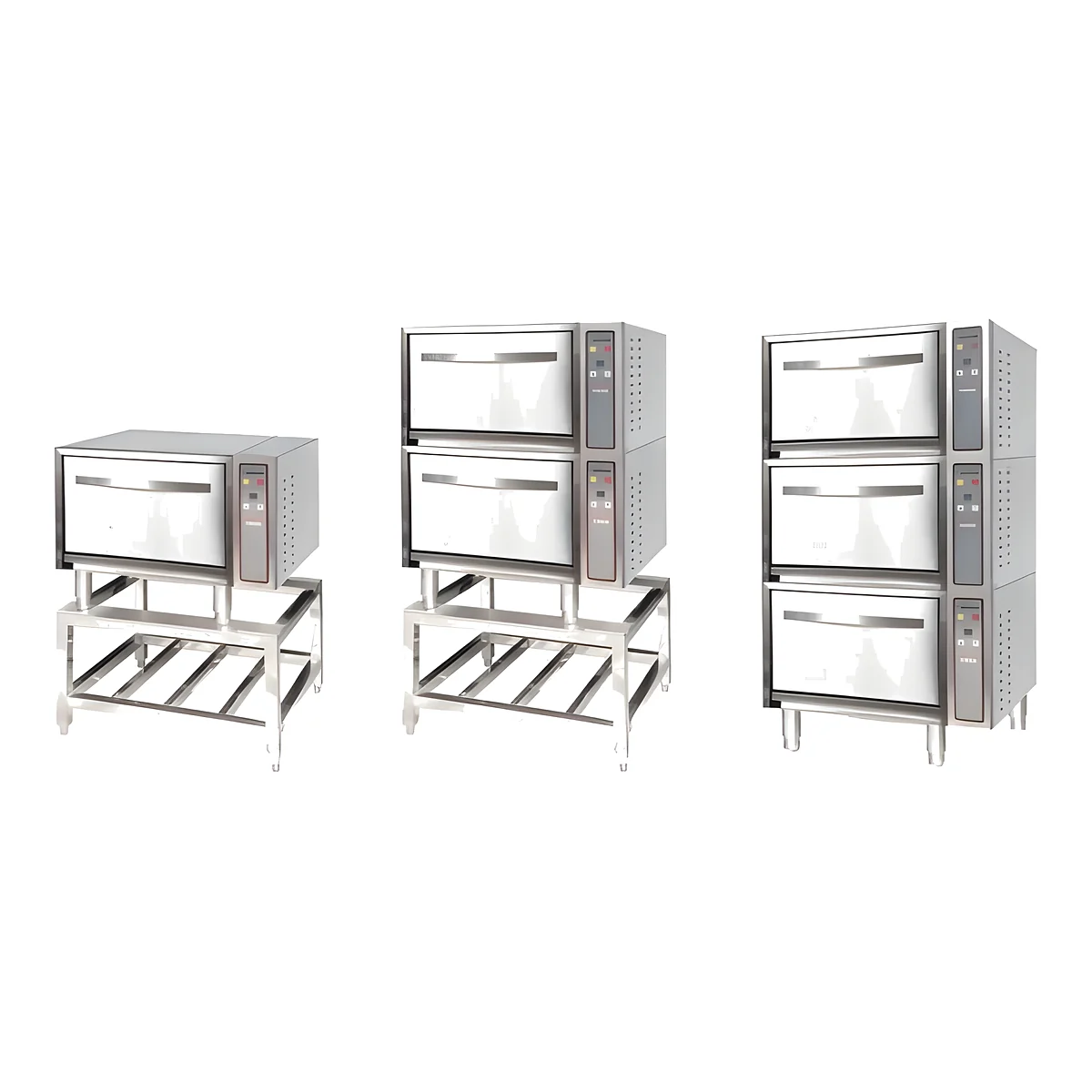
A tray that enters an oven door may still be unsuitable for the intended bake. Its rim may not sit securely on the runners, a product may rise into the tray above, or the loaded pan may block the path the manufacturer intends for circulating air. Check the bakery's actual trays before choosing an oven by the advertised number of positions. Carry the accepted tray list into the comparison of convection oven options.
Measure the tray that staff will use
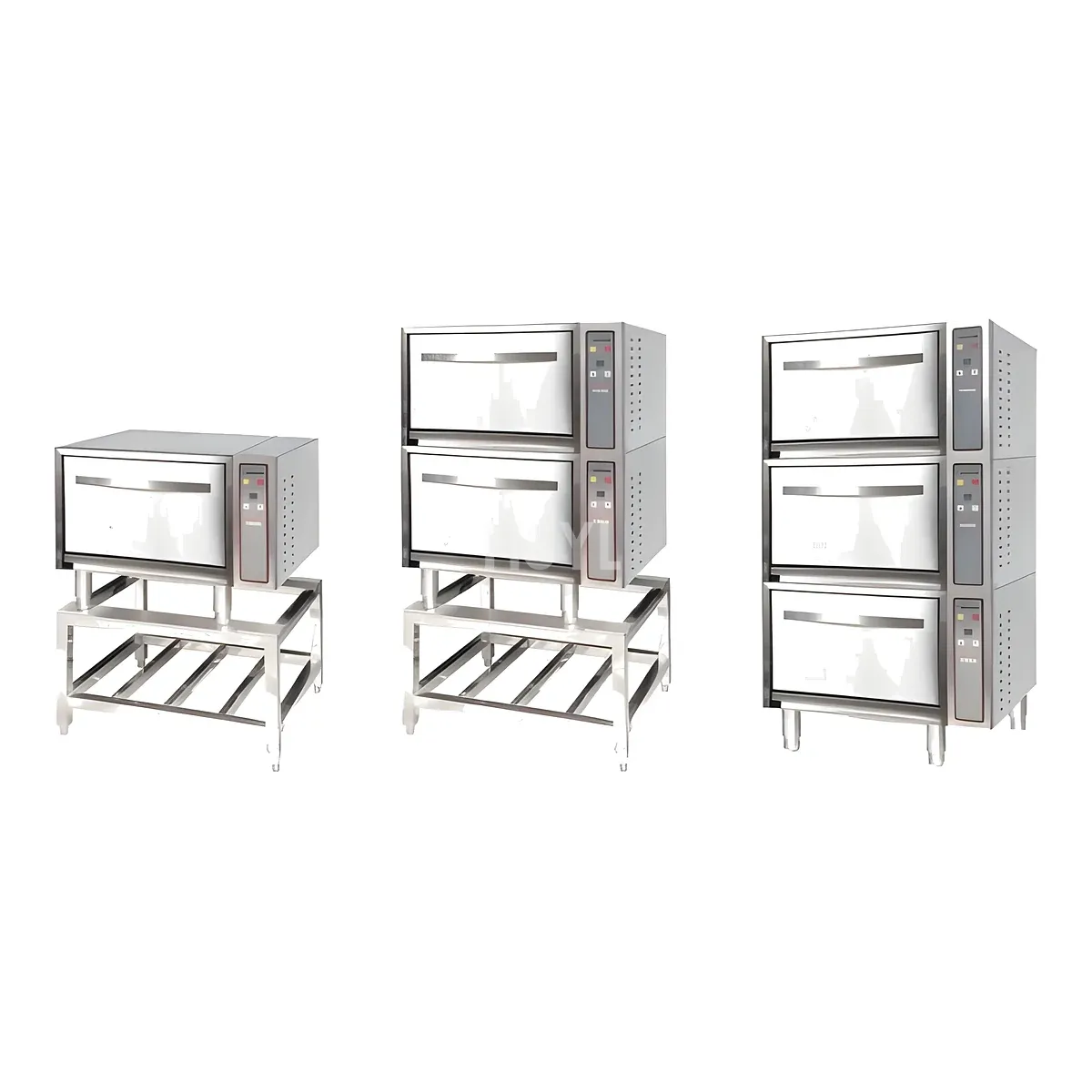
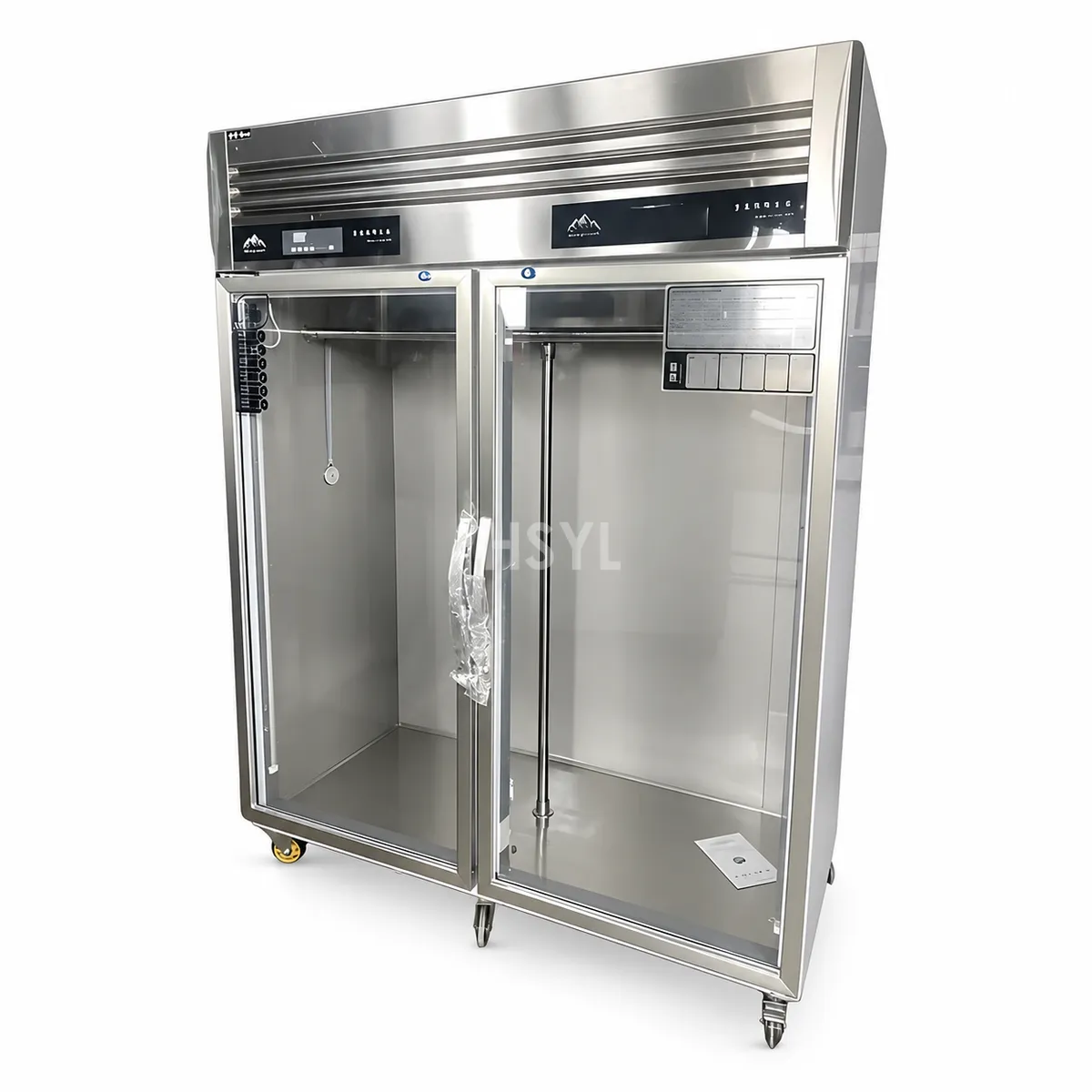
Record the tray's outside dimensions, including its rim, handles or other projections. Check several trays if the kitchen uses mixed supplies. A pan described informally as full size or bakery standard is not a reliable drawing reference.
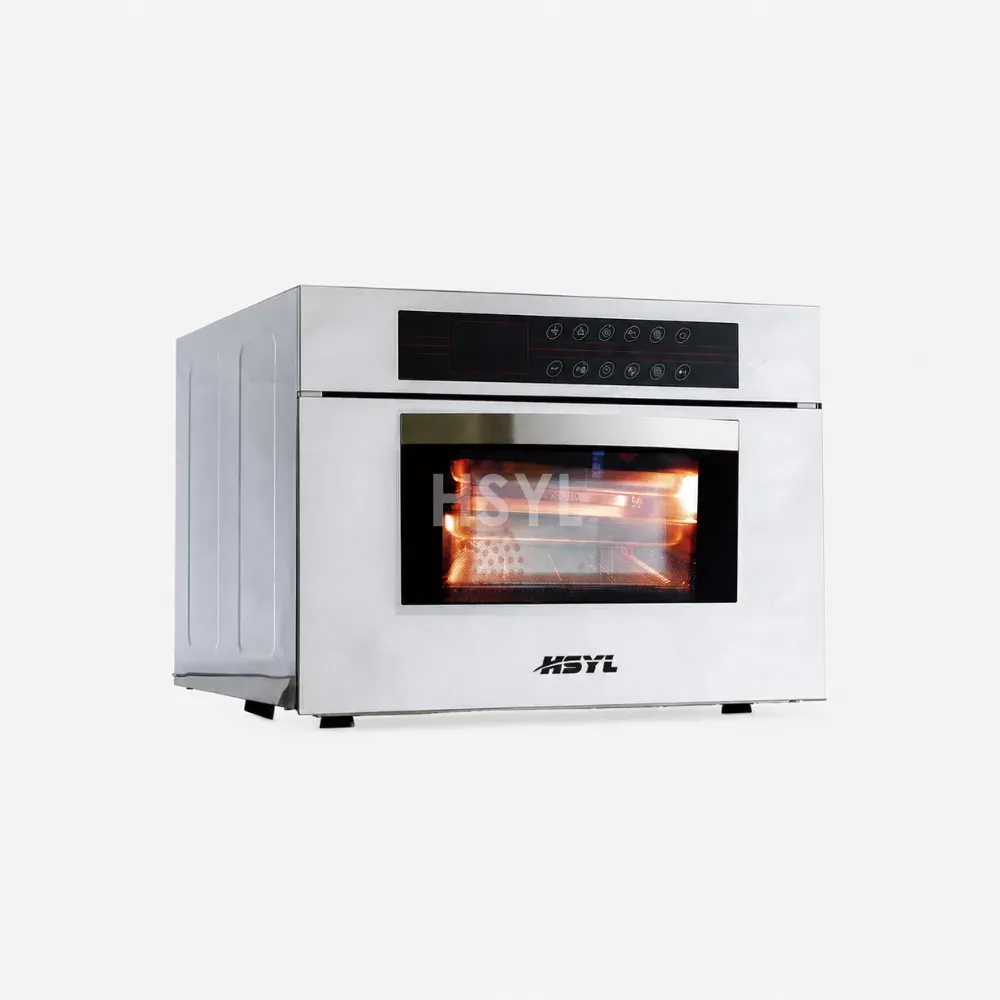
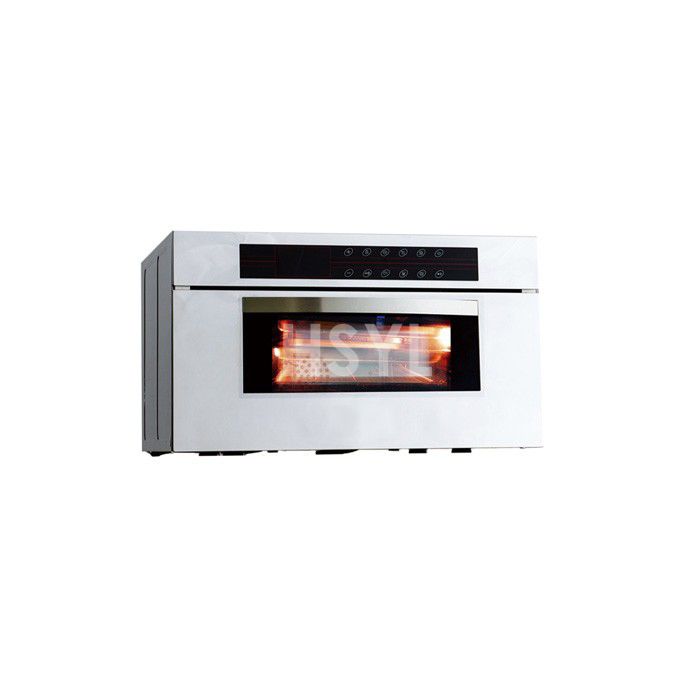
The catalog's HKX400 and HKX400A entries list four 400 × 600 mm trays; HKX800 lists eight trays of that format. Those are useful model distinctions. They should not be silently changed into a half-size pan claim or treated as confirmation that every existing pan with a similar label will seat correctly.
Use the rail drawing to assess the whole load
Ask for the usable runner arrangement and the permitted loading clearances for the selected model. Check how a tray is supported, whether it can be withdrawn without catching the seal or door and where a hot pan will land after removal. If a rack, trolley or stand is included, confirm that the tray remains compatible at those transfer points too.
Draw the height of the product at its expected maximum rise, not only the empty pan depth. A low-profile biscuit tray and a tall cake tin can require different loading patterns in the same cavity. This can reduce the number of useful positions without any change in the oven's nominal rail count.
Agree the bakery result before a demonstration
Select the products that challenge the proposed arrangement: a tall item, a fully occupied tray or a bake whose finish is sensitive to loading. Agree what the bakery will accept for color, rise, texture and handling. A demonstration of an empty cavity or one lightly loaded tray cannot settle a full-load purchasing question.
Document the pan arrangement and the operating settings used. If the supplier recommends changing positions or rotating pans, include the operator work in the production schedule. A recommendation that works for a small test may be inconvenient during the bakery's busiest period.
Close the purchase order with a tray schedule
Attach a short list of accepted tray formats, products and usable positions to the equipment selection. Identify trays that must be replaced and include their cost and storage requirements. Keep the accepted oven drawing with that list so replacement pans can be ordered against a definite specification.
For the wider bakery oven production plan, consider how clean trays arrive, how hot trays leave and whether the cooling space can receive the planned load. Increasing the oven's tray count cannot resolve a queue at an already full cooling rack.