Direct Answer / Key Takeaway: Locate residue or failed seating around the well flange and obtain the correct counter/module service method. Keep exterior joint care separate from an internal well leak.
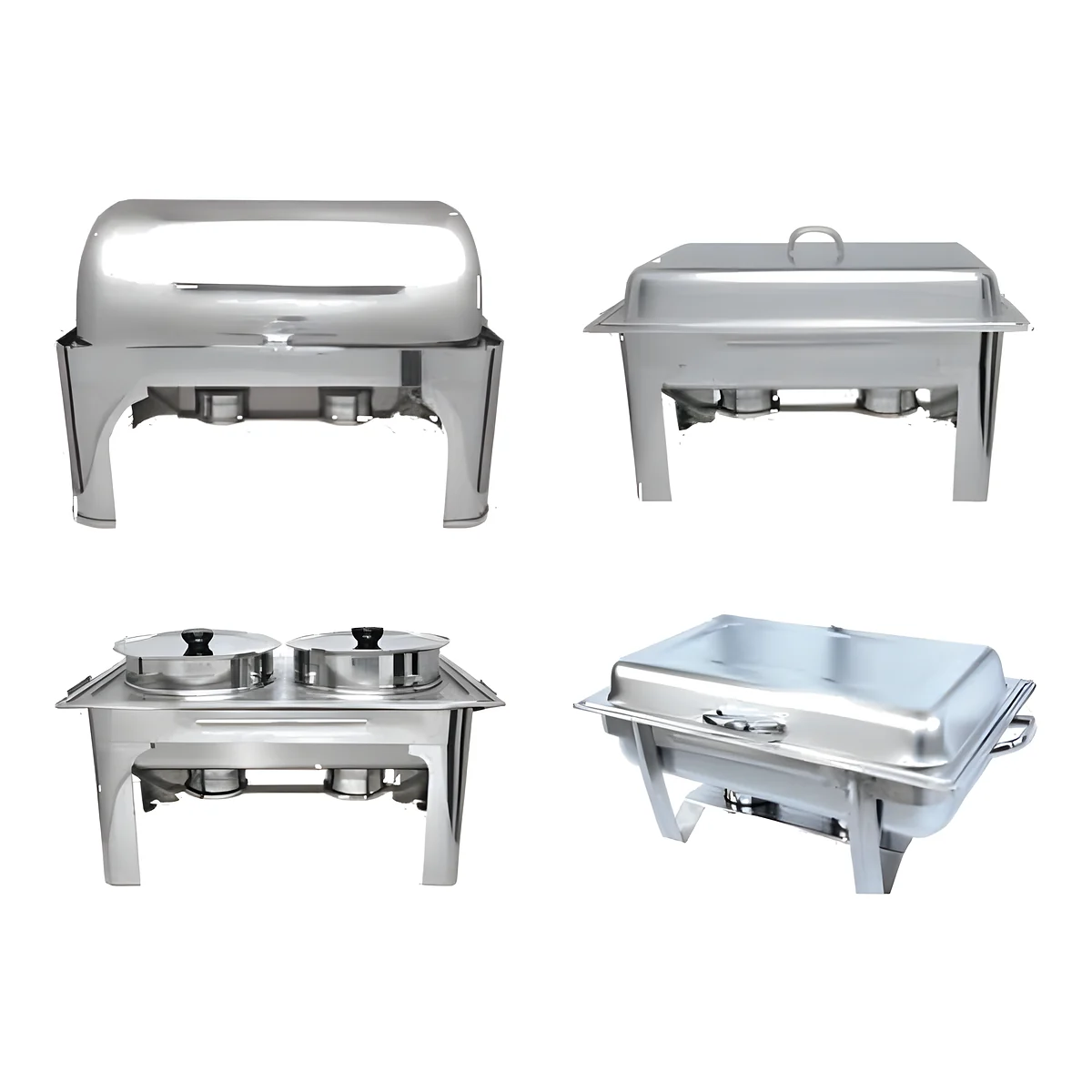
Food or moisture appears around a drop-in well's counter joint. Identify the affected location and joint construction before asking someone to run a bead of silicone around it. The visible edge can belong to a different task from an internal basin or drain connection.
Record where the residue appears relative to the flange, counter surface and surrounding joints. State when it was noticed and any recent spill, cleaning or installation work. Use safe visible observations under the actual shutdown/access instructions rather than lifting a connected module to improve the photograph.
Separate routine care from corrective joint work
Obtain the supplied installation detail and identify what the joint is intended to do. Ask which surfaces staff may clean and what method suits the actual materials. Do not force a scraper or solvent into the edge because the counter looks stainless.
If residue remains beyond permitted cleaning or the flange/joint appears damaged, send the actual assembly information to the responsible supplier or installer. A surface mark does not prove which material failed or where moisture originated.
Use the matching-document request channel when the installation detail is missing. Keep the real joint photograph and work record with the site rather than treating that public page as a stored project file.
Define a supported repair scope
Have the relevant parties identify the required preparation, material, application and acceptance for this counter/module combination. Include who may remove or release the well if access requires it. Do not assume routine cleaning permission covers lifting equipment or renewing a joint.
Record the adjacent surfaces and services that the work affects. A proposed reseal must not cover a required opening, conceal an unresolved water path or alter the approved seating. If the concern involves the well body or drainage, have that component assessed separately.
After authorised work, complete the instructed restoration and checks before the station returns to use. Keep any curing or operating restrictions tied to the actual specified materials and method; this article supplies no generic waiting period.
Resolve recurring residue through its observed route and the actual supported joint. Repeatedly applying a new surface bead without an identified scope can leave the original condition unexamined. The useful result is an accepted cleanable assembly, with the cause and work described by the responsible provider.