Direct Answer / Key Takeaway: Map live menu items to supported pans and well positions, then include lids, serving access and replacement-pan handling before choosing the number of built-in wells.
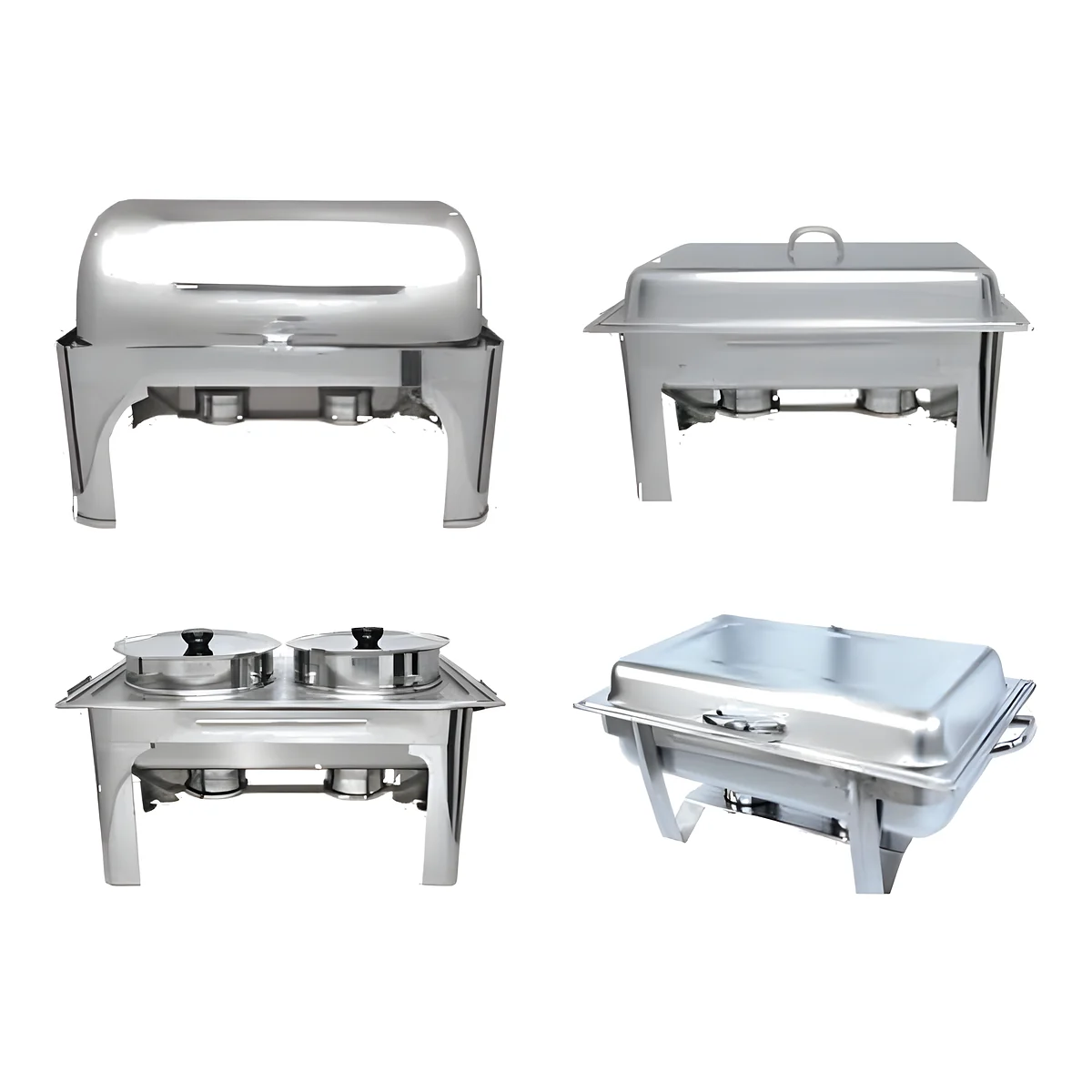
The number of built-in wells should follow the live menu and its supported pan arrangement. Guest count alone cannot show which dishes need separate positions, how staff replace a pan or where the next batch waits.
Map the offer at the busiest represented moment
List the foods actually displayed together, with their intended pans, covers and serving utensils. Keep a changing menu separate from a peak with all dishes available at once. A sauce offered only after another dish is removed creates a different position requirement from two simultaneous choices.
| Position question | What to establish |
|---|---|
| Live item | The food and quantity needed at that part of service. |
| Pan assembly | Compatible pan, cover, supports and any approved divider. |
| Operator and diner access | Where the utensil, lid and person go during serving. |
| Replacement | The incoming pan and the permitted destination of the removed one. |
Do not assign one well to every menu name automatically. A supported divided arrangement may differ from a full-size pan, but its availability and loading must be confirmed for the actual unit. The physical count cannot substitute for the required holding assessment.
Give each position a workable refill
Use the pan-depth and refill review to include the complete exchange. Show the staff route, receiving surface and adjacent service activity. A position that can be filled before opening may still be difficult to replenish while diners occupy the line.
Confirm the permitted operating mode and actual food-control requirements. The wet-or-dry holding selection guide helps frame that enquiry without assigning a universal menu temperature or allowing an unsupported mode.
Count only the positions that can hold and serve the intended food under the accepted arrangement. Include any spare or rotating pan requirement explicitly rather than hiding it inside nominal well capacity.
Give the supplier the complete menu-position map before choosing the counter cutout or module grouping. If a later menu adds a simultaneous dish, review the affected pans, access and holding duty first. An unused-looking gap is not automatically another supported serving position.