Direct Answer / Key Takeaway: Assess actual plate, bowl, tray and small-item handling on the offered flight belt before relying on an aggregate dishes-per-hour figure.
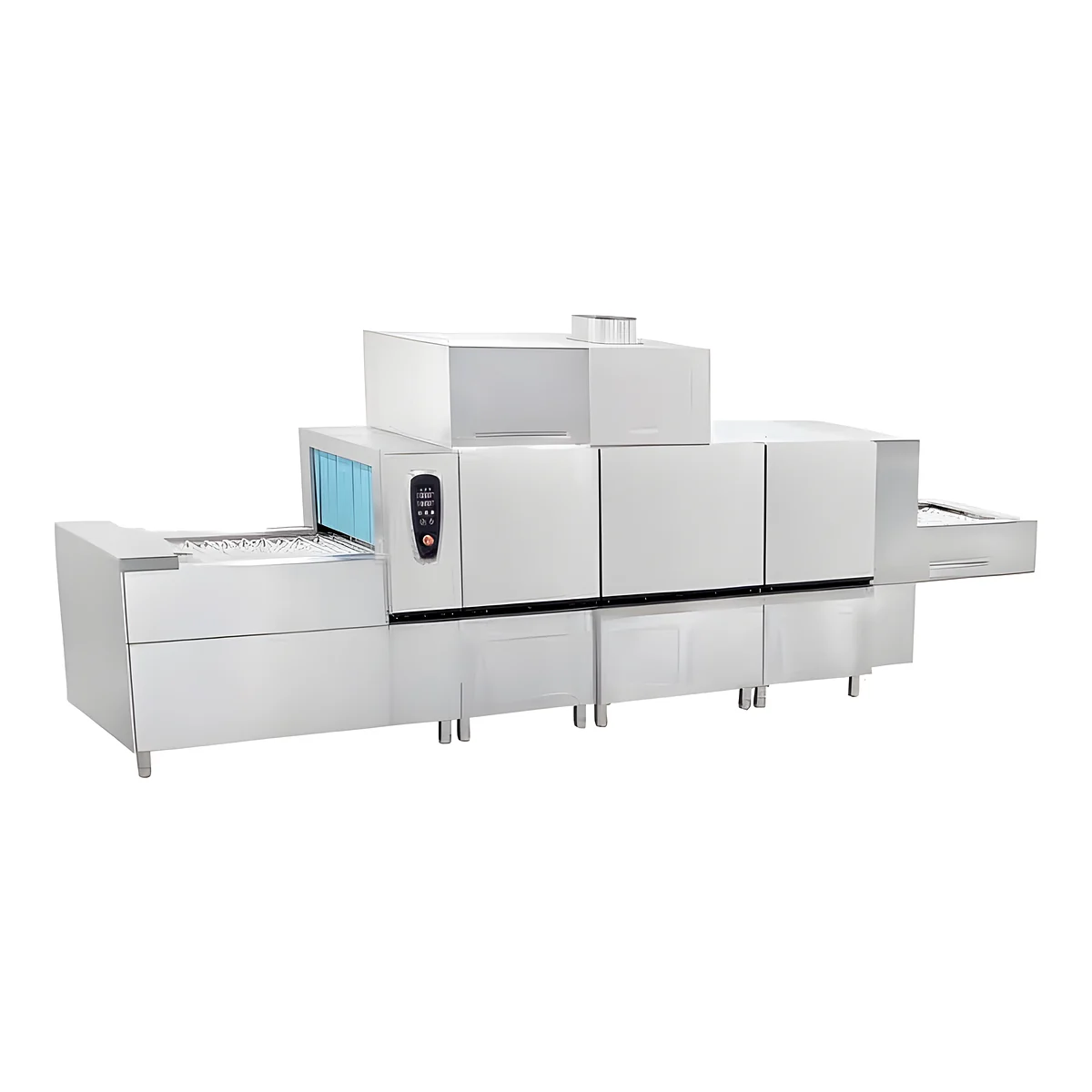
A flight dishwasher transports ware on its conveyor arrangement rather than treating every load as an interchangeable rack. Start selection with the real ware and the offered belt/support design, then examine the stated output basis.
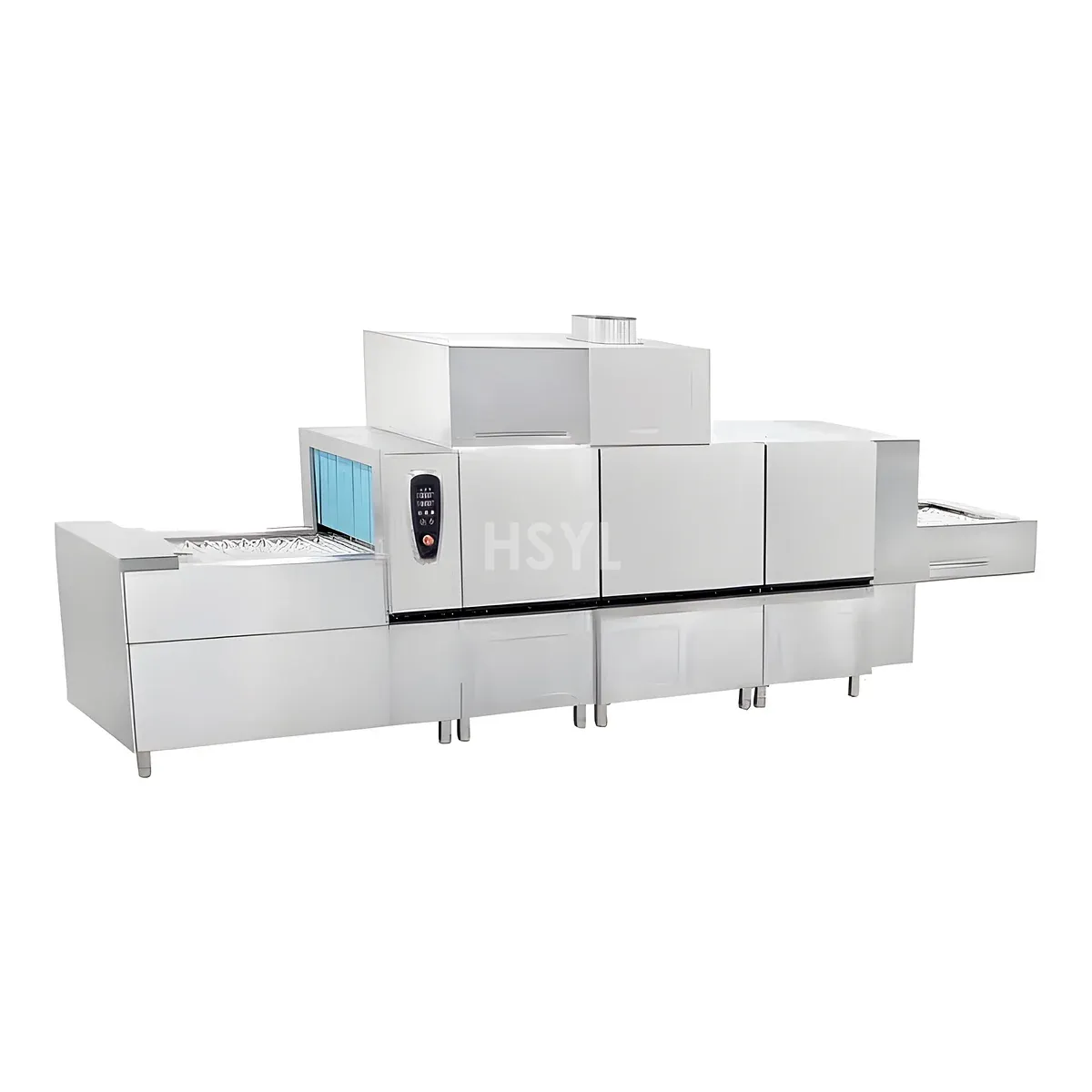
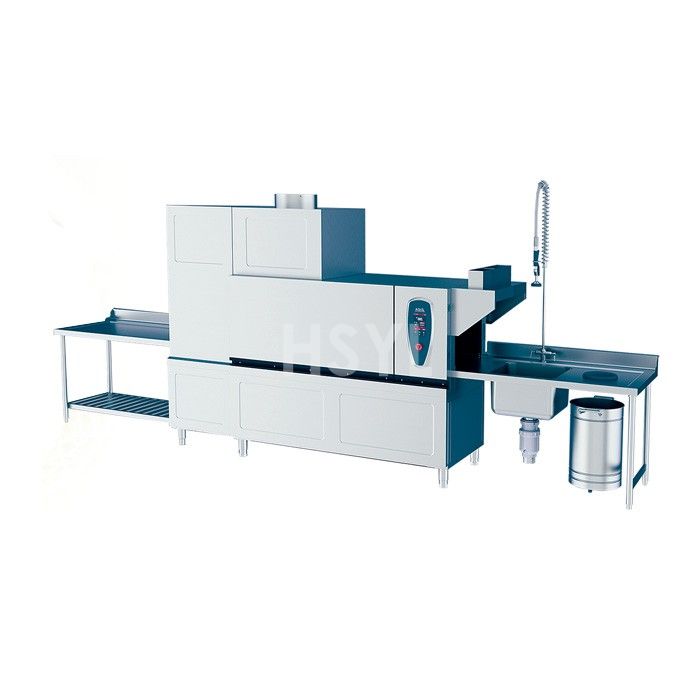
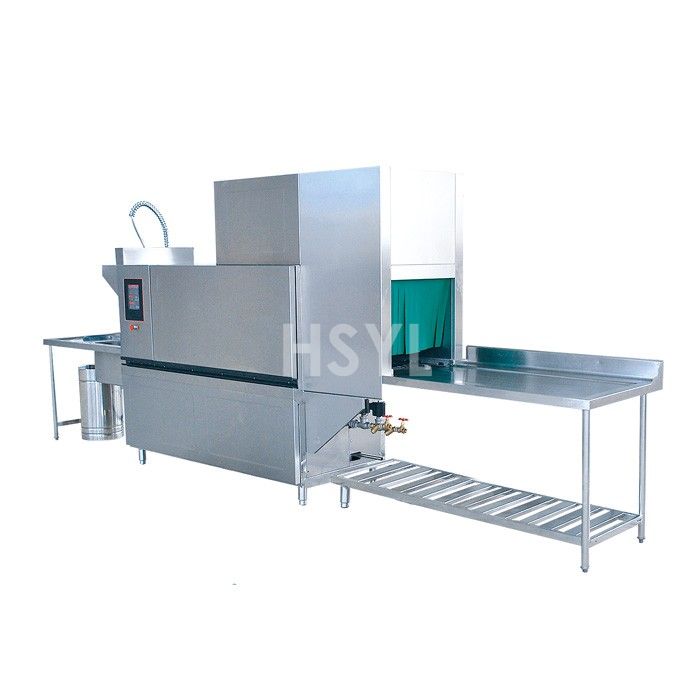
The HDW5000/HDW5000L flight dishwashers are a starting point for a model-specific enquiry. Obtain the actual offered configuration, feed direction, belt/peg arrangement and permitted ware information; do not treat a general product description as the installation's loading instructions.
| Real ware group | What the supplier must demonstrate or document |
|---|---|
| Plates and bowls | Permitted support, position and separation for the actual shapes |
| Trays and larger items | Supported passage through the actual opening and internal boundaries |
| Small items/cutlery | Approved carrier or other genuine handling method without losing pieces |
| Material-sensitive ware | Suitability for the actual equipment, chemistry and process |
Use representative items, including the largest and the awkward shapes actually intended for this line. An item fitting through an external opening does not establish how it remains supported or passes the supplied curtains and other internal boundaries.
Agree a supplier-permitted fit/loading assessment. Keep hands and tools clear of moving equipment and do not force ware through, remove a required curtain or improvise pegs to make the sample fit. Follow the actual loading orientation rather than prescribing one generic position for every bowl or tray.
Identify the required preparation and final acceptance for each represented group. A machine may physically convey an item while its accepted processing remains unproven. Keep physical fit, cleaning/process evidence and unloading handling as separate results.
Ask the supplier to state the ware mix, loading arrangement and operating conditions behind any dishes-per-hour figure. Do not use one plate count to imply the same throughput for trays or cutlery. Include actual mixed loading and necessary carrier/changeover work where relevant.
Review the usable clean unloading and storage destination for those same items. A belt carrying ware successfully through the tunnel still needs a supported removal route at discharge.
Select the configuration from the represented loading and accepted task. Keep any unrepresented item as a specific requirement to resolve before ordering; do not fill the gap by increasing the nominal belt count.