Direct Answer / Key Takeaway: Complete the permitted exterior sensor-window cleaning, protect the station from cleaning contamination and check activation and shutoff before reopening it.
A marked or soiled sensor window needs the faucet's approved exterior-cleaning method. Keep that simple task separate from range adjustment or valve repair. Start by identifying the actual faucet and which part is its sensing window.
Obtain the matching care information and assign the cleaning role. Check how cleaning mode or other permitted preparation works on that variant so accidental water activation does not spread the cleaning product. Arrange an appropriate alternative for staff who need to wash while the station is unavailable.
Carry out the exterior task without changing the equipment
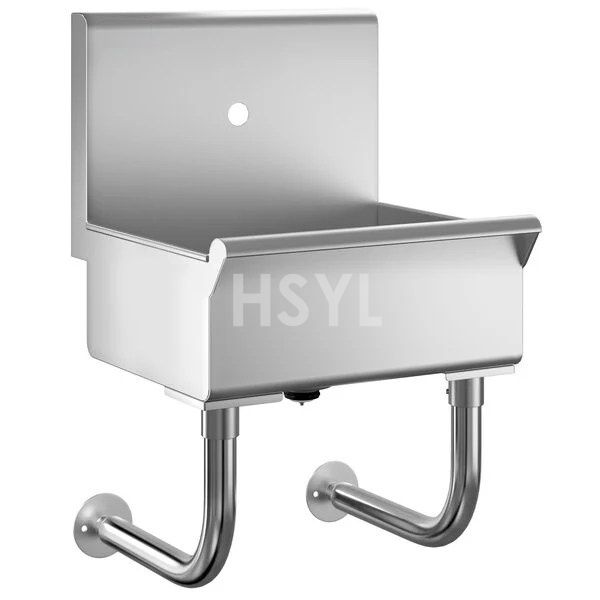
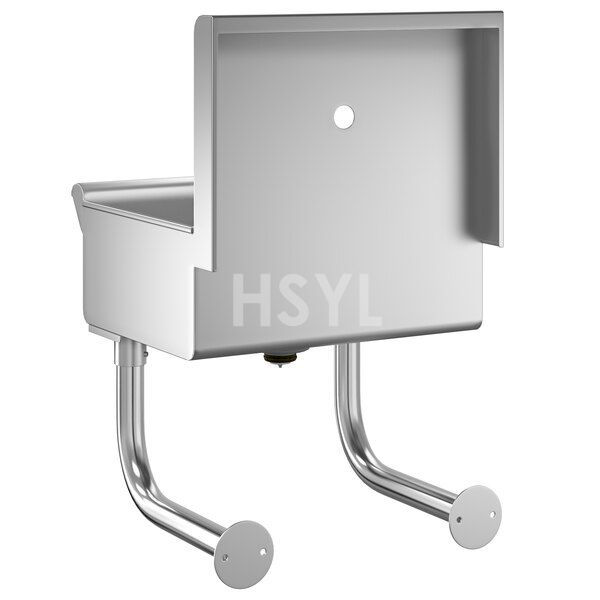
- Clear and protect soap, drying materials and nearby ready-to-use items from cleaning splash or debris. Keep removed items in a suitable clean location.
- Use the specified product and soft cleaning material for the actual finish/window. Follow its preparation and application instructions, including any required removal of residue.
- Clean the accessible window and surrounding surface without scraping it, flooding the housing or directing an unapproved spray into joints.
- Inspect under normal lighting for remaining film or damage. Report a scratched, loose or damaged part through the service process rather than polishing or resealing it.
- Restore the permitted operating state and the station's supplies, then check normal activation and shutoff using the matching instructions.
Watch where the water goes during the check. Confirm that normal hand positioning produces usable flow in the bowl and that it stops as intended when the hands leave. Check for an unintended continuing flow with the area clear. Any prescribed timeout or restart behaviour must be interpreted from the actual control information.
If the response remains abnormal, keep the observed symptom and cleaning actions clear in the service request. Record whether the issue existed before cleaning and whether the window is now visibly clear. This supports the next assessment without declaring a dirty window to have been the cause.
Range adjustment, power work and internal valve or diaphragm inspection are separate tasks with their own instructions and assigned people. Do not open the solenoid or alter hidden settings because an exterior wipe did not restore operation. Use the model-specific instruction route to resolve missing care or service information.
Release the station after the permitted cleaning, normal-action checks and required hygiene preparation are complete. If it remains unavailable, tell the responsible person and maintain the site's approved alternative. A clean-looking sensor does not by itself mean the handwashing facility is ready.