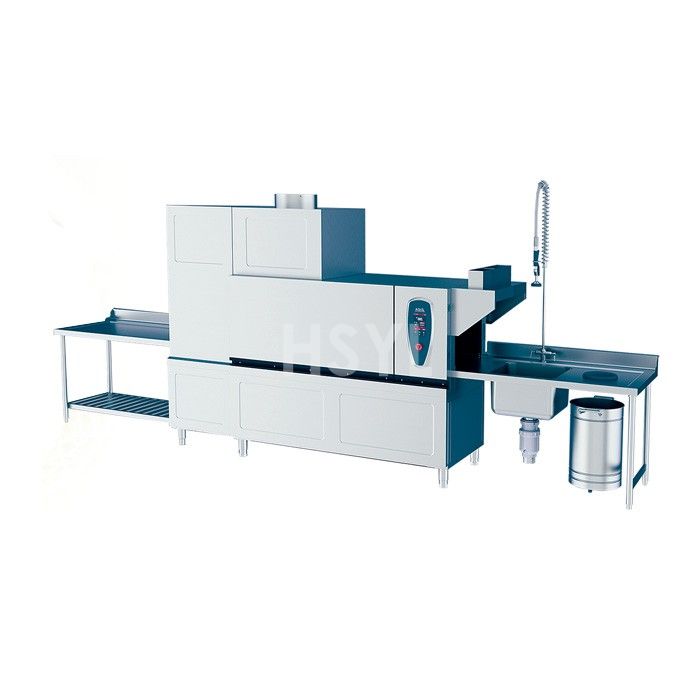
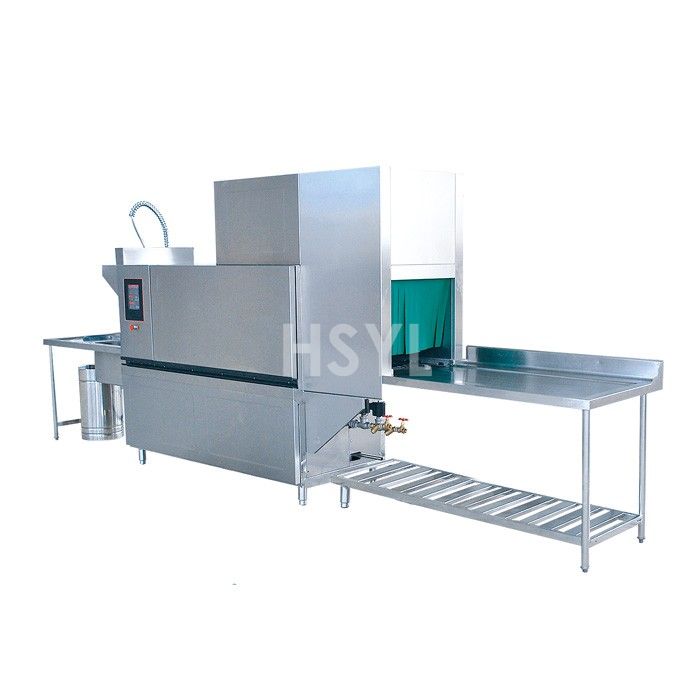
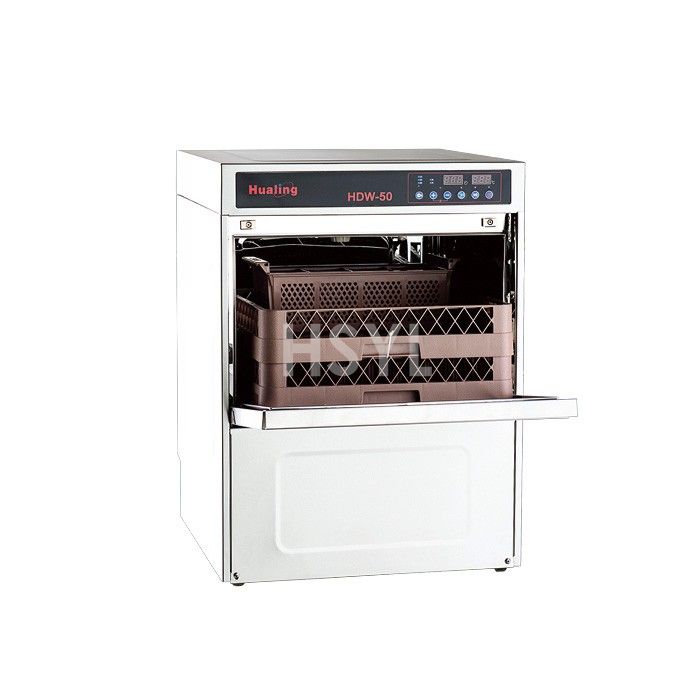
Direct Answer / Key Takeaway: Record a change in hood movement without guessing spring tension or a repair. Keep the affected task controlled and obtain the actual model’s authorised assessment.
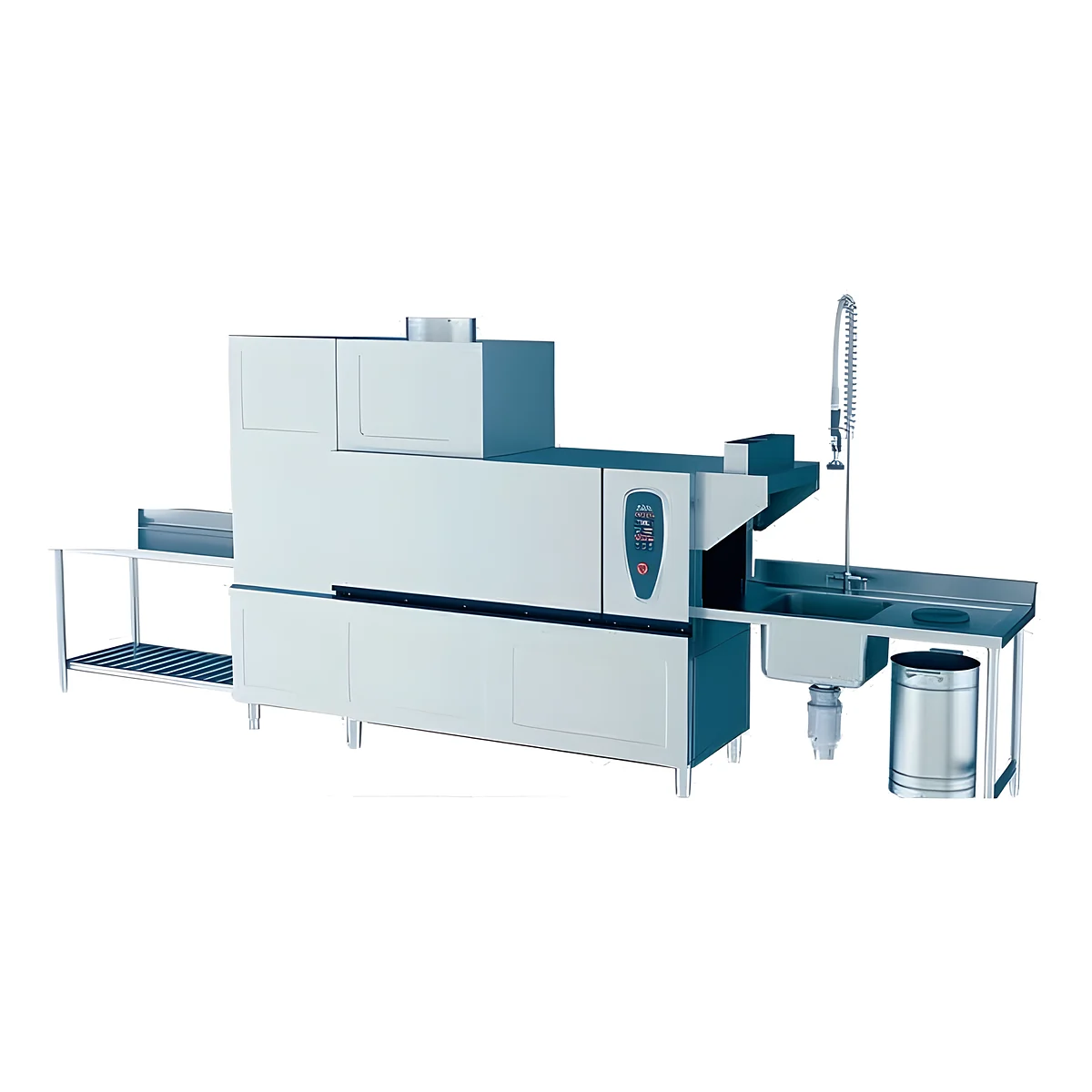
A hood that has become heavier, uneven or difficult to move needs a model-specific assessment. Do not decide from the symptom alone that a spring needs tightening. The actual lifting construction and permitted service tasks must be identified first.
Follow the machine and site's procedure for keeping the affected task out of use or otherwise restricted while the movement concern is unresolved. Staff should not force the hood, prop it with an improvised object or ask another person to hold it during production.
Describe what changed
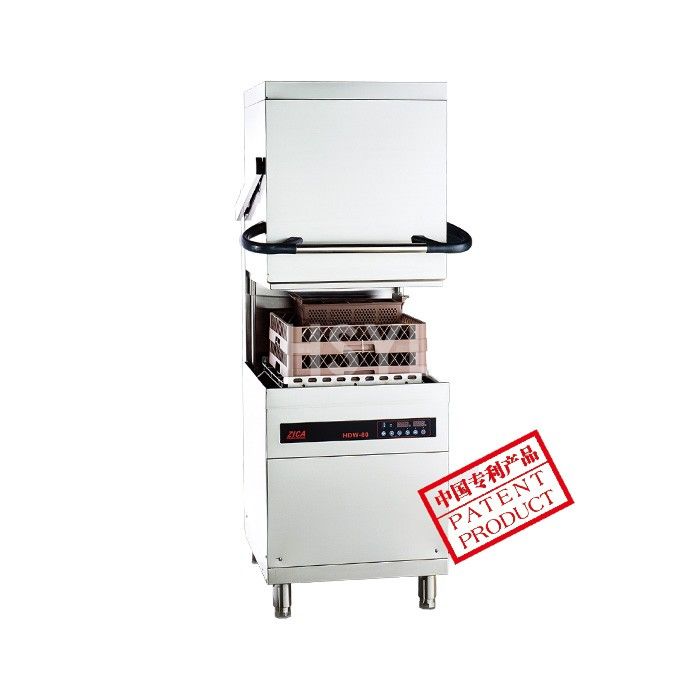
Record the machine identity, when the change was first noticed and the action being performed. State whether the concern occurs through the movement or at a particular position, and whether one side appears different from the other. Preserve an actual visible observation without repeatedly cycling the hood to reproduce it.
Include recent cleaning, installation or service work and any reported contact with an adjacent table or accessory. Timing is relevant context; it is not proof that the preceding work caused the condition. Keep an unexpected indication or interrupted programme as a separate observation.
Provide safe photographs from an ordinary permitted position where useful. Do not remove covers, reach into a mechanism or measure a spring to improve the report. A similar-looking hood on another washer does not establish the same counterbalance or repair.
Identify the authorised corrective scope
Ask the responsible service provider to assess the actual mechanism and specify the approved work. Obtain matching information through the technical documentation request route if it is missing. The report should identify what remains uncertain, rather than ordering a generic spring kit from the hood dimensions.
If access requires moving tables or disconnecting services, include the relevant competent parties and stock/ware arrangements in the work plan. Use the maintenance-access review to make that scope practical.
After authorised work, complete the required movement and operating verification through the actual instructions. Have the designated user receive any revised normal-use explanation. A lighter hood is an observation, not complete proof that supports, controls or other affected functions have been accepted.
Retain the assessed cause and completed correction separately from the initial symptom. If the condition returns, that evidence gives service a specific comparison and prevents another informal tension adjustment from replacing a supported investigation.