Direct Answer / Key Takeaway: Export documentation guide for commercial kitchen equipment. Master commercial invoices, packing lists with CBM and HS codes, and COO certificates.
When executing international commercial kitchen procurement contracts within our FAT & Compliance Hub, managing cross-border trade documentation is as critical as physical machinery manufacturing. Importing commercial cooking equipment, industrial dishwashers, and customized stainless steel fabrication across international borders involves stringent customs audits, HS code classification scrutiny, electrical safety verification, and environmental biosecurity regulations. A missing Certificate of Origin, ambiguous electrical rating plates, or non-compliant wooden crating triggers port customs detention, severe container demurrage fees ($150–$350 per day), and costly project delays. Professional foodservice importers must demand an exhaustive Export Documentation Package from manufacturers prior to releasing final payments. This comprehensive guide details mandatory trade documents, customs clearance protocols, ISPM 15 wooden packaging standards, and technical compliance files.
1. The Four-Tier Master Export Documentation Architecture
A complete commercial kitchen export documentation package is structured across four distinct operational domains: commercial trade documents, technical engineering files, transport logistics records, and regulatory customs clearance certificates.
| Documentation Tier | Key Document Name | Issuing Authority / Standard | Primary Customs & Operational Purpose |
|---|---|---|---|
| Tier 1: Commercial & Trade | Commercial Invoice, Packing List (PL), Proforma Invoice | Exporter / Manufacturer | Customs valuation, tariff calculation, physical crate weight/cube verification |
| Tier 2: Country of Origin & Tariffs | Certificate of Origin (Form A, Form E, RCEP, CO), HS Code sheet | Chamber of Commerce / Customs Bureau | Enables preferential tariff rates under free trade agreements (FTAs) |
| Tier 3: Regulatory & Technical | CE Declaration of Conformity (DoC), UL/ETL Listing Reports, MTC 3.1 | Notified Bodies, Testing Laboratories, Steel Mills | Electrical/gas safety validation; AHJ municipal site operating permits |
| Tier 4: Shipping & Biosecurity | Bill of Lading (B/L), Sea Waybill, ISPM 15 Phytosanitary Heat-Treatment | Ocean Shipping Lines, National Quarantine Authority | Legal cargo ownership title transfer; wood pest contamination prevention |
2. Harmonized System (HS) Code Classification for Commercial Kitchen Equipment
Customs duties and import taxes hinge upon accurate Harmonized Tariff System (HS) classification. Inaccurate HS coding can trigger customs fraud investigations, retroactive tariff penalties, or seizure. The table below delineates international HS classifications for major commercial kitchen categories.
| Equipment Category | Primary 6-Digit HS Code | Technical Equipment Description | Typical Tariff Range |
|---|---|---|---|
| Commercial Cooking Machinery | 8419.81 | Machinery for making hot drinks or for cooking/heating food (electric/gas) | 0.0% – 3.7% (General MFN rate) |
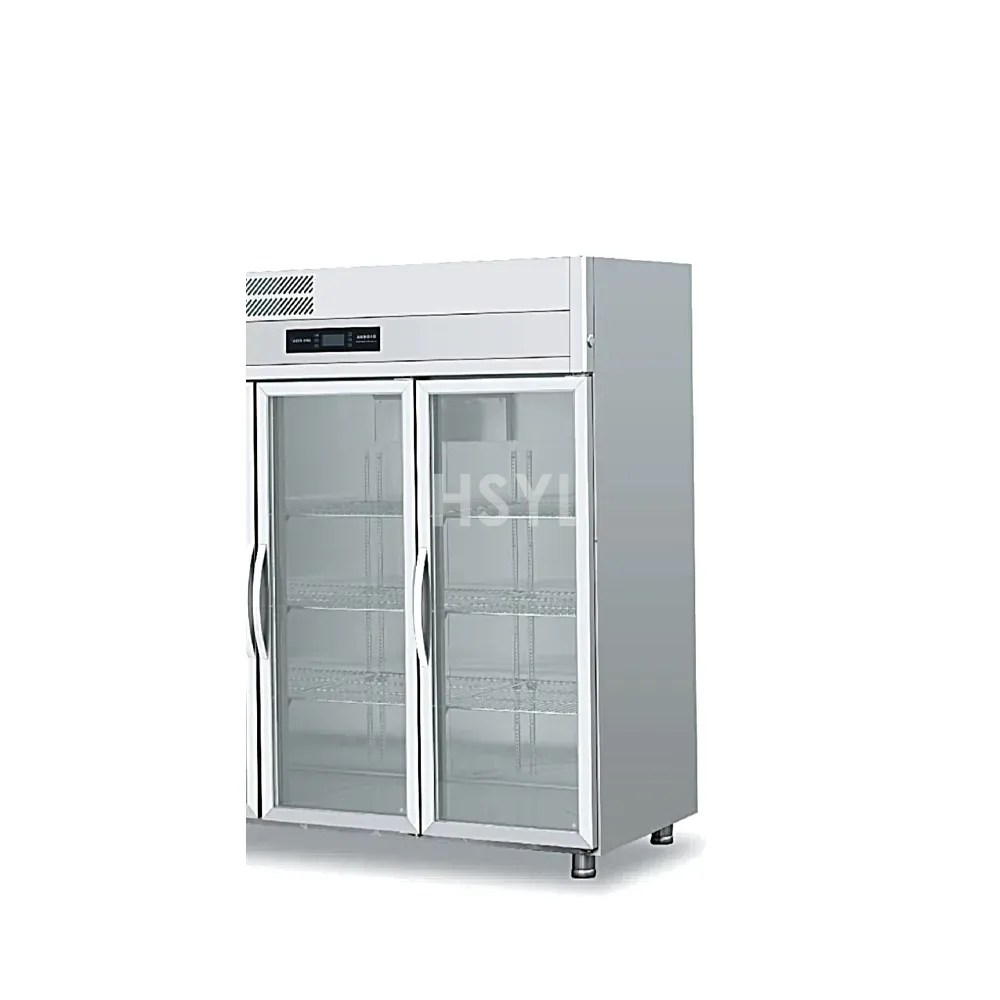
| Commercial Refrigeration & Freezers | 8418.50 | Other furniture (chests, cabinets, display counters) for refrigeration | 0.0% – 4.2% (Subject to F-Gas review) |
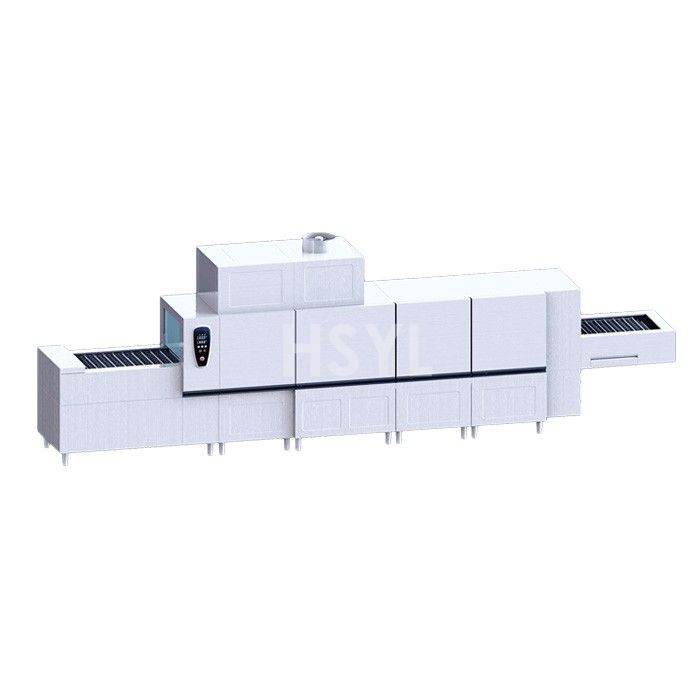
| Commercial Dishwashers & Scullery | 8422.19 | Dishwashing machines of the commercial or industrial type | 0.0% – 2.8% |
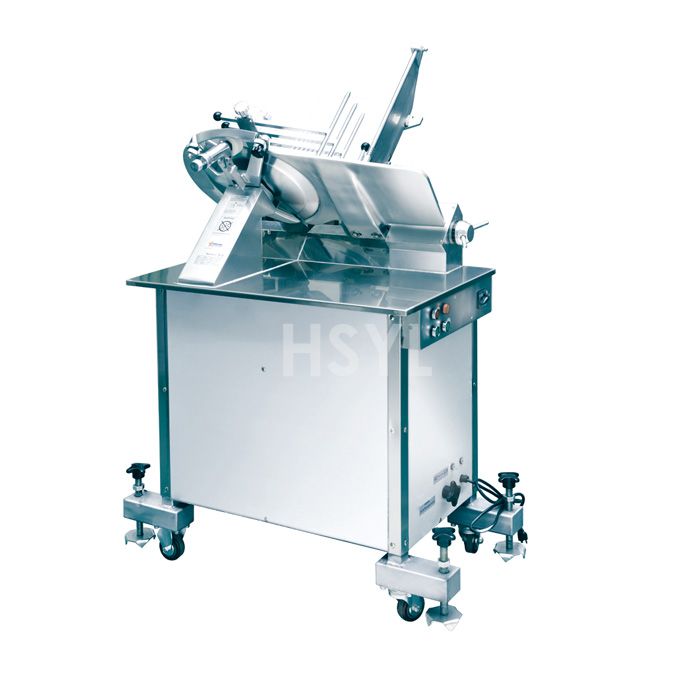
| Food Preparation Machinery | 8438.80 | Industrial food prep machinery (slicers, cutters, peelers, grinders) | 0.0% – 2.5% |
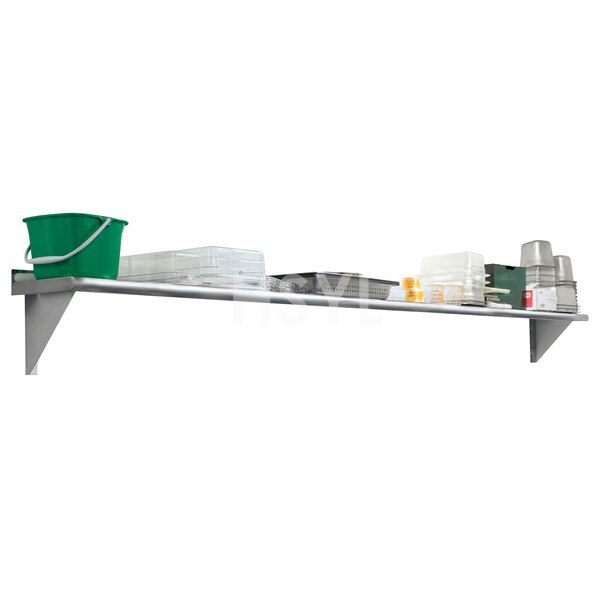
| Custom Stainless Steel Fabrication | 9403.20 / 7326.90 | Other metal furniture (worktables, sinks, exhaust hoods, shelving) | 0.0% – 5.0% (Check steel anti-dumping rules) |

3. ISPM 15 Phytosanitary Regulations & Moisture-Barrier Crating
International plant health authorities (such as US Customs and Border Protection, Australian DAFF, and European customs) strictly reject raw wooden packaging materials to prevent the transport of invasive pests like the Asian Longhorned Beetle.
- ISPM 15 Heat-Treatment Mandate: Any solid softwood lumber, timber skids, or dunnage must undergo core heat treatment at 56°C for a minimum of 30 minutes, visibly branded with the permanent IPPC "wheat ear" stamp bearing the country code and facility registration number.
- Engineered Plywood Exemption: To eliminate fumigation border risks, HSYL utilizes 15mm–18mm certified engineered plywood crates and galvanized steel skid bases, which are legally exempt from ISPM 15 phytosanitary treatment regulations under international shipping conventions.
- Ocean Freight Moisture Barrier: Ocean container voyages expose machinery to high humidity and salt fog. Heavy equipment is vacuum-sealed inside high-barrier aluminum foil laminate or thick 200-micron polyethylene bags with active silica gel desiccant packs to prevent corrosion of polished AISI 304 surfaces and sensitive electronic motherboards.
4. Technical Engineering Dossier & Mill Test Certificates (MTC 3.1)
Discerning institutional clients and mechanical consultants require technical traceability beyond standard shipping documents:
- EN 10204 Type 3.1 Mill Test Certificates: Validates chemical composition (Chromium ≥18.0%, Nickel ≥8.0%) and tensile strength of the stainless steel raw sheets directly from the steel mill, proving zero manganese substitution.
- Full Electrical Schematics & Wiring Diagrams: Comprehensive schematics illustrating wire numbers, terminal strip mapping, fuse sizes, and safety interlock circuits, enabling on-site MEP engineers to connect utilities quickly.
- English-Language Operation & Maintenance Manuals (O&M): Complete manuals detailing spare parts exploded-view diagrams, preventive maintenance intervals, lubrication points, and troubleshooting error codes.
- Certificate of Factory Acceptance Testing (FAT): Signed quality assurance protocol confirming dielectric withstand, earth continuity, and dynamic thermal load performance test results.
5. 5-Year Financial Risk & Customs Detention TCO Analysis
Incomplete export documentation incurs immediate financial penalties that can wipe out project profit margins. The table below illustrates the cost of documentation oversights versus an engineered documentation package.
| Customs & Logistics Risk Factor | Amateur / Incomplete Export Documentation | HSYL Master Export Documentation Package | Financial Savings & Risk Mitigation |
|---|---|---|---|
| Port Demurrage & Container Detention | $3,500 – $14,000 (7 to 14 days stuck at port awaiting revised paperwork) | $0 (Pre-cleared 48 hours prior to vessel berthing) | -$10,500 average saving |
| Customs Tariff Penalty Fines | $4,800 – $12,000 (Fines for inaccurate HS code classification) | $0 (Legally audited HS code descriptions) | -$8,000 average saving |
| Cargo Quarantine Re-Export Costs | $6,500 – $18,000 (Forced return shipment due to uncertified wood) | $0 (Certified engineered plywood / ISPM 15 compliance) | -$12,000 catastrophic loss avoidance |
| Tariff Optimization via Form E / CO | $0 (Paid standard 5%–10% MFN import tariff) | $6,200 (Zero-tariff or reduced rate under preferential FTAs) | -$6,200 direct tariff reduction |
| Total Project Logistics Variance | $14,800 – $44,000 | $0 (Included in export service) | Net Financial Protection: $36,700 per shipment |
6. Bill of Lading (B/L) Nuances: Telex Release vs. Original B/L
Choosing the correct cargo title transfer protocol is vital for avoiding customs delays. For transactions financed via Bank Letter of Credit (L/C), banks require a full set of 3/3 Original Ocean Bills of Lading consigned to the bank's order. However, for standard commercial sales terms (T/T), international buyers should request an electronic Telex Release (Surrender B/L) or an Express Sea Waybill. A Telex Release allows the destination clearing agent to take delivery immediately upon vessel arrival without waiting for physical paper documents to travel via international courier.
7. Spare Parts & Critical Wear-and-Tear Consumables Declaration
International shipments should include a 1-year or 2-year operational spare parts package packed within the equipment crates (heating elements, contactors, door gaskets, silicone spray arms). The commercial invoice and packing list must clearly delineate spare parts with separate line items and corresponding HS codes, declared as "Maintenance Spare Parts Supplied at No Commercial Value for Warranty Backup" to avoid delays or duplicate customs valuations.
Engineering Specification Checklist for International Importers
- Verify that the proforma invoice specifies the exact Incoterms 2020 rules (e.g., FOB Shanghai, CIF Rotterdam, DDP Los Angeles).
- Ensure that commercial invoices itemize individual equipment serial numbers matching the physical machine rating plates.
- Demand pre-shipment photographs showing crated equipment, IPPC ISPM 15 stamps, and container loading securing.
- Confirm with local clearing agents whether the destination port requires electronic pre-arrival cargo manifests (such as US ISF 10+2, EU ENS, or Egypt ACID registration).
Execute Seamless Global Kitchen Equipment Imports with HSYL
Are you an international hotel developer, catering equipment dealer, or hospital project manager importing commercial kitchen machinery? HSYL provides complete export documentation packages, preferential Certificates of Origin, and zero-defect customs clearance support for shipments worldwide. Contact our international shipping and trade compliance team to plan your equipment logistics.