Direct Answer / Key Takeaway: Compare a combi oven model’s water requirements with measured conditions at its inlet. Define sampling, treatment responsibility and replacement records.
Combi oven water treatment should begin with two identified records: the requirements for the exact offered model and the measured conditions at the proposed supply point. Selecting a cartridge because it is commonly used elsewhere skips the comparison that matters.
This is a purchasing and coordination method. It does not prescribe chemical dosing, a treatment technology or universal inlet limits. The equipment manufacturer and responsible water specialist need to approve the actual proposal.
Obtain the complete inlet requirement
Ask the supplier to identify the model, version and installation-document revision. Record every stated water characteristic and connection condition, its units and the source page. Where the equipment has distinct water connections, ask which requirement applies to each one rather than assuming that all connections receive the same treatment.
Use HSYL’s model-specific documentation request to obtain the controlled information for the offered unit. A general commercial combi oven description can support equipment selection but cannot replace the inlet specification.
Match the sample to the actual supply point
Record the proposed connection location, sampling date, test method and whether the sample represents untreated water or a point after existing treatment. Preserve the laboratory or test report rather than transcribing only a hardness number into an email.
Consider whether planned pipework, storage or treatment changes make an old building-water report unrepresentative. Agree on what needs to be sampled again after the final installation. Unknown values should remain open items with an owner and a required source.
| Comparison row | Manufacturer requirement | Actual supply evidence | Decision |
|---|---|---|---|
| Each specified water characteristic | Exact value or range and units from the document | Matching test result, method and location | Matched or awaiting clarification |
| Connection and supply conditions | Applicable connection requirement | Coordinated design and site verification | Approved arrangement or open interface |
| Proposed treatment output | Conditions the equipment must receive | Specialist proposal and verification method | Accepted treatment basis or revision required |
Ask what the treatment proposal will actually change
A proposal should identify its input assumptions, intended output, required supply conditions and maintenance basis. Ask the specialist to explain which measured characteristics it addresses and which remain outside its scope. Do not assume that one treatment stage corrects every possible water issue.
Allocate responsibility for installation, commissioning samples, consumable replacement and records. A treatment unit supplied without a maintenance owner leaves a gap even when its initial selection was appropriate.
Keep a commissioning baseline
At handover, retain the equipment requirement, source-water result, installed treatment identification and verified result at the agreed point. Identify where future maintenance records will be stored and what changes trigger reassessment.
If the oven model, water source or treatment arrangement changes, reopen the comparison. The defensible conclusion is that the documented supply arrangement meets the identified requirements under the checked conditions, not that a filter universally prevents faults or guarantees equipment life.
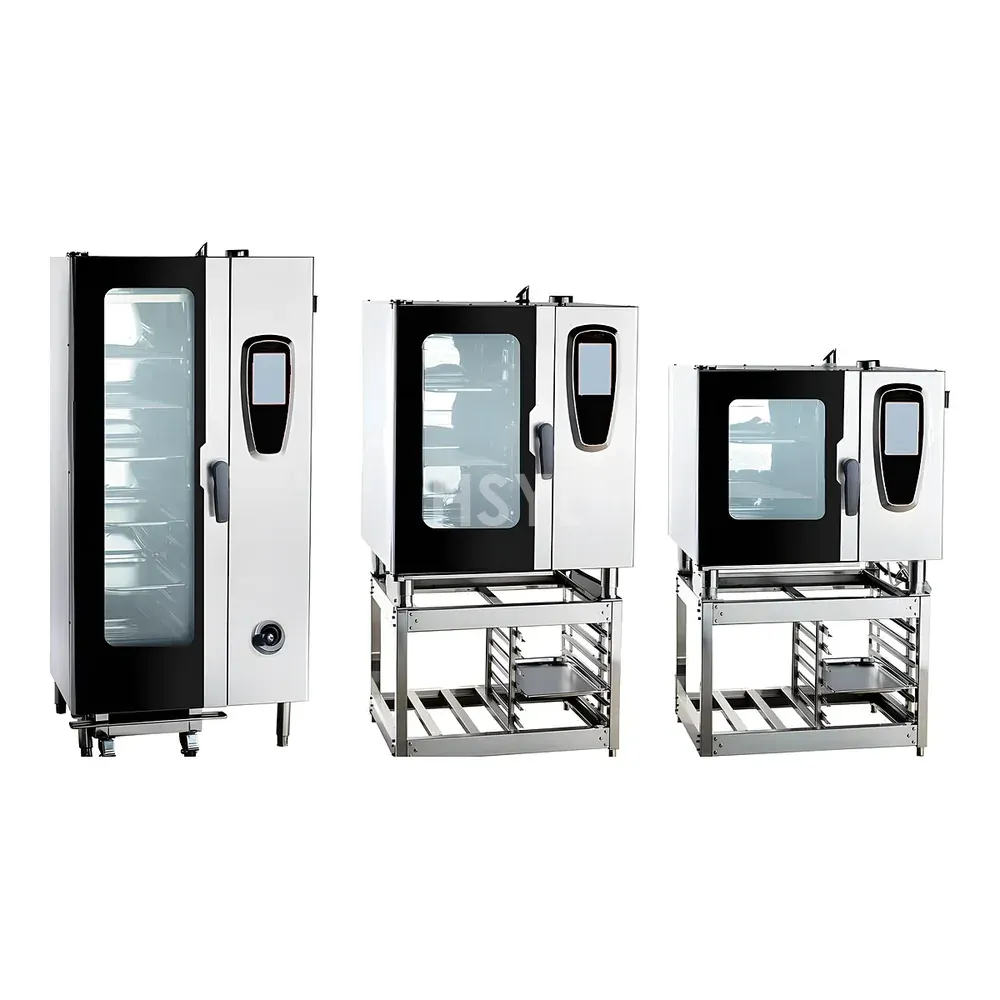
Keep this inlet review with the selected cooking duty from the combi oven mode guide. A quotation for a HCO20.2E roll-in combi oven still needs that exact version’s inlet requirements; a larger tray count does not establish a treatment specification.