Direct Answer / Key Takeaway: Compare stainless cabinet constructions using access, assembly, joints and loaded use. Include freight and site work before choosing welded or knock-down supply.
A welded cabinet and a knock-down cabinet are different supply arrangements, not automatic quality grades. The appropriate construction depends on the actual design, delivery constraints and how the cabinet will be used and maintained. Compare two drawings that provide the required storage before comparing the prices.
Start with the assembled cabinet
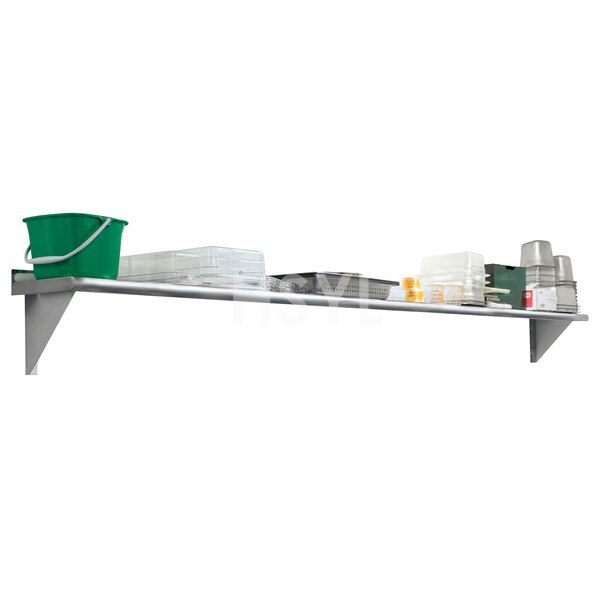
Specify usable shelf dimensions, door openings, intended contents and the supplier's loading limits. Check the configuration in its installed condition. A flat-packed shipment can save receiving space yet still assemble into a cabinet that does not fit the room or accommodate the intended trays.
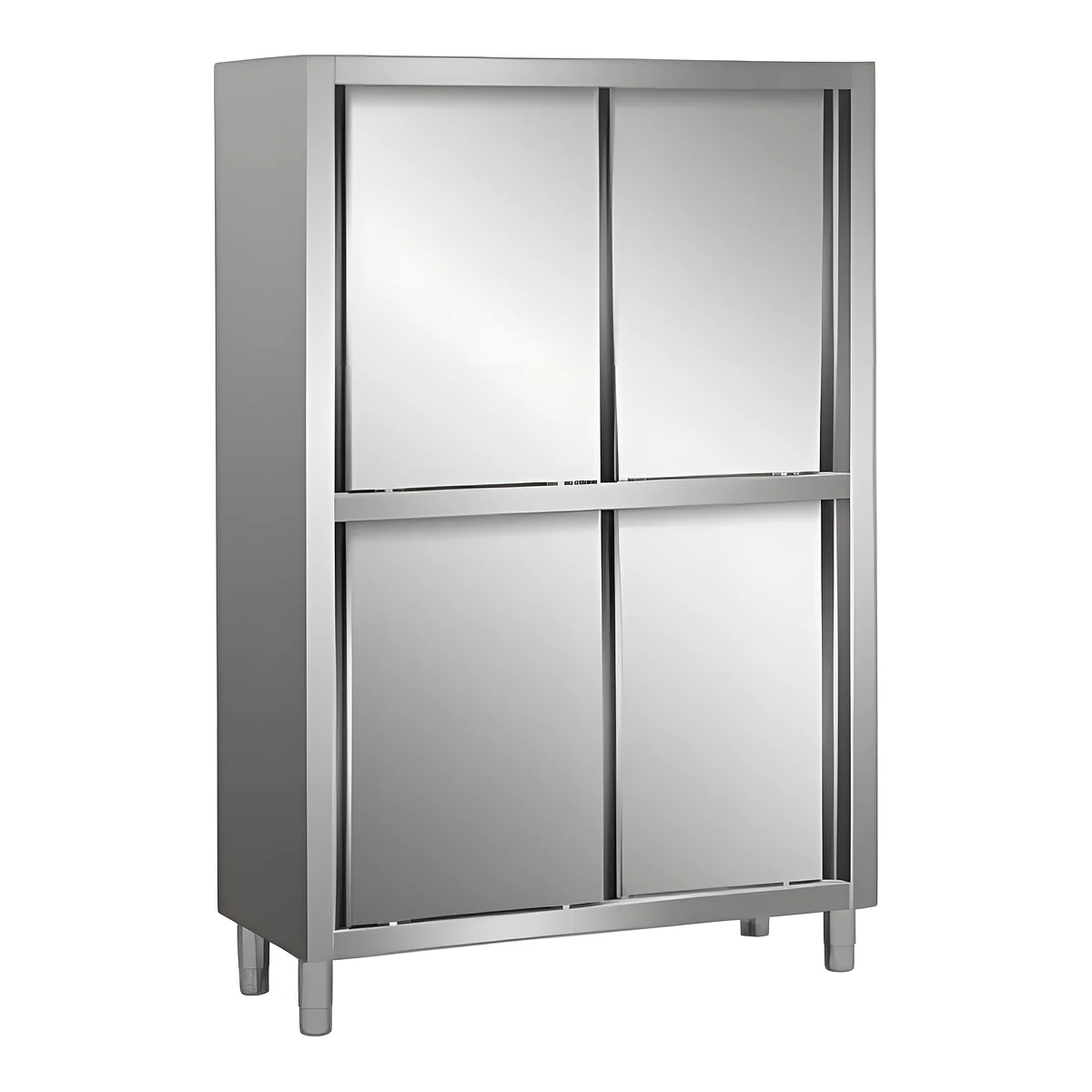
The HSYL catalogue lists full-welded and bolt-together options for a four-door dish-storage cabinet. This establishes that alternatives are offered for that entry; it does not prove that all cabinets in the range share identical joints, loading or dimensions. Ask for the relevant dish-cabinet construction rather than applying the choice to every model.
Price delivery and assembly honestly
For a welded assembly, check the complete receiving route with the actual packing dimensions and permitted handling method. For knock-down supply, identify who assembles the unit, which instructions and fasteners are supplied, and what tools and working area are needed. Keep any installation assistance in the quotation.
Confirm how missing, damaged or incorrect components will be handled. A small omitted connector can prevent assembly of an otherwise complete shipment. Ask how the supplier identifies replacement parts and whether the packing list allows the site team to count them before installation begins.
Inspect the joints where they matter
Review access for cleaning around the actual seam, fastener and shelf-support details. Avoid universal claims that every welded joint is hygienic or every bolt-together joint is unsuitable. The finish, geometry, accessibility and intended cleaning procedure need to be assessed on the offered design.
Ask the fabricator to explain how the assembled cabinet is kept square and how doors and shelves are adjusted. Check the design's restraint or fixing provisions as part of the installation scope. A construction label does not establish resistance to a particular load or movement.
Keep a receiving and maintenance record
At delivery, inspect the parts and finish against the accepted drawing. Following assembly or positioning, check doors, shelf seating and stable use under the agreed acceptance method. Record unresolved issues before storing the kitchen's working inventory inside.
Obtain the supplier's routine inspection and cleaning instructions for the selected construction. If fasteners are part of the design, follow the specified inspection and adjustment method rather than tightening everything indiscriminately. The actual fabrication details and handover information should make those duties clear. Resolve the relevant interfaces through the shop-drawing review.
Choose from the complete installed outcome: usable storage, practicable delivery, a documented assembly process and maintainable joints. An assumed freight saving should not replace a priced comparison of the actual shipment and site work.