Direct Answer / Key Takeaway: Assess late banquet menu changes across ingredients, oven occupation, holding, staff and returns. Use a controlled change record before confirming the service plan.
Banquet kitchen menu change planning should begin with the released service requirement and an identifiable change. A revised guest count, a different main course or another service time can affect several shared tasks. Confirming the change from ingredient availability alone leaves cooking, holding, assembly and returns unresolved.

Keep the operational decision traceable. Record the request, the approved menu revision and the responsible acceptance of any new duty before staff begin working from conflicting event information.
Identify what has actually changed
Compare the proposed event with the released version. Record the guest or portion count, menu components, service timing, permitted preparation and any authorized dietary or information requirements. Distinguish a confirmed instruction from a provisional request.
Keep the ingredient specification and substitutions under the responsible process. The Food Standards Agency guidance highlights the importance of up-to-date ingredient information in its stated setting. Apply the requirements governing the actual event rather than treating a last-minute substitute as an administrative detail.
Review shared equipment occupation
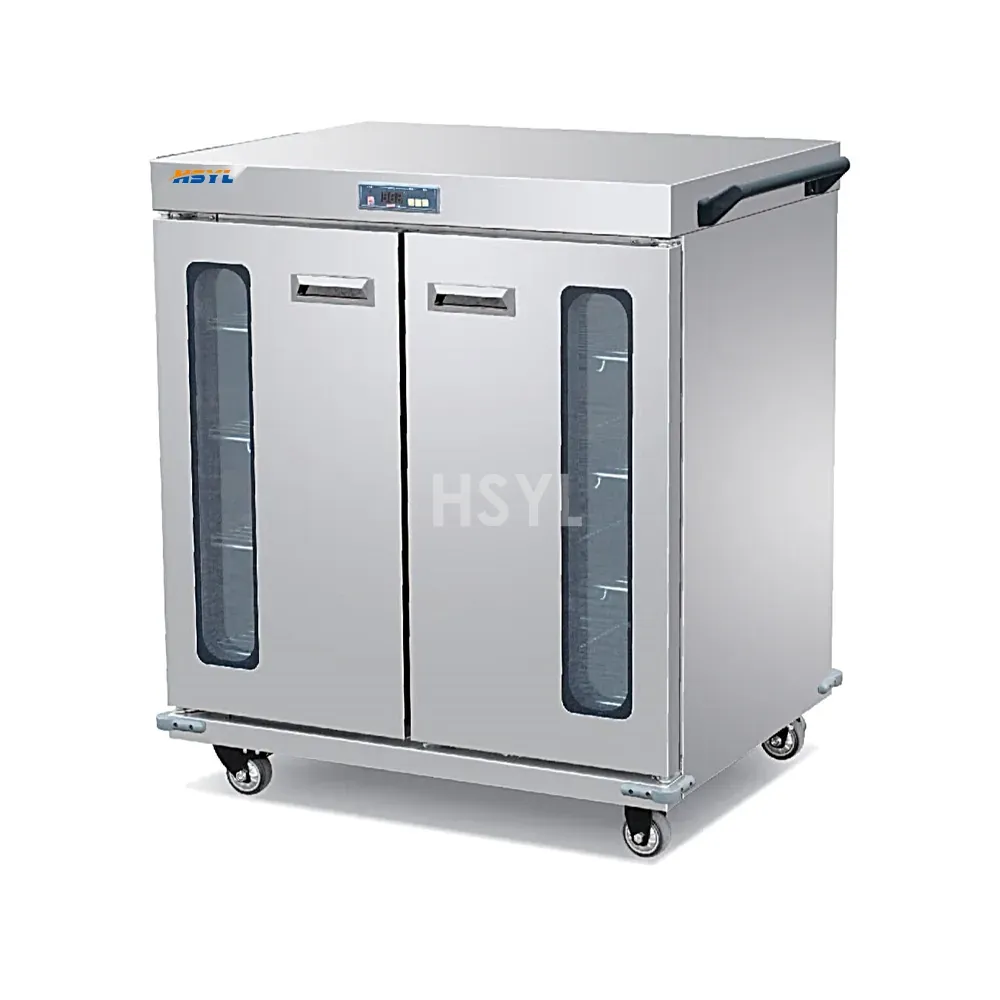
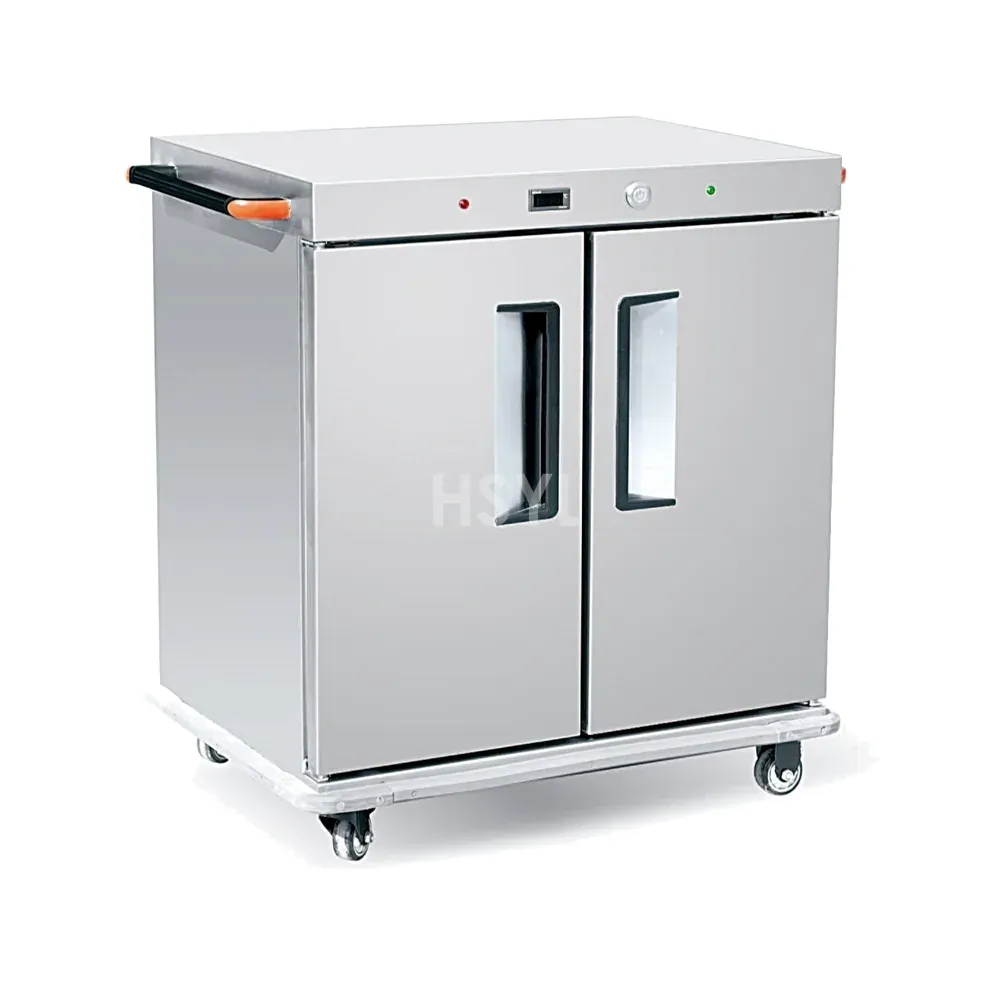
Put preparation, cooking, approved holding, assembly and dispatch on the event timeline. Identify which equipment positions are already assigned to other hotel services. A spare-looking cavity may be reserved for breakfast preparation, staff meals or a required cleaning sequence.
For each changed menu component, record the accepted process, containers, relevant load and work between releases. Do not assign a different recipe to an available position without verifying that the offered configuration and approved process support it.
| Change | Capacity review |
|---|---|
| More portions | Batch releases, containers and accepted service output |
| Different dish | Verified recipe, equipment role and ingredients |
| Earlier service | Occupied positions and preparation availability |
| Different serving format | Assembly, transport, refill and returns |
| Overlapping event | Shared people, equipment and work areas |
Check the tasks after cooking
Map plate or tray assembly, accepted checking, movement to service and the actual refill arrangement. If the revised dish uses a different container or portioning task, include that work and its required operating position.
Review return load as well. More covers or another service format can change the wave of dishes and utensils. Keep the dishroom's accepted process, clean stock and staffing visible on the same timeline.
Use a specific change scenario
In an illustrative case, an event adds forty portions after the original plan was released. The review identifies the required additional menu batches and checks whether the added assembly and serving work can reach the agreed service time. Forty is a planning input, not evidence that existing equipment can absorb the increase.
If an intended position is unavailable, assess only the alternatives authorized by the responsible menu and equipment process. Record any agreed service or menu change and its owner. Do not turn an unverified alternative into a promise merely because the customer response is urgent.
Release one current operational plan
Issue the accepted menu, quantities, event time, equipment schedule and responsibilities through the hotel's controlled information system. Make the superseded version identifiable so production, service and purchasing do not use different instructions.
After the event, retain actual releases, interruptions, corrections and the return wave. Compare the result with the changed requirement and record useful adjustments for the next review.
The hotel kitchen equipment discussion should use these real overlapping duties and event records. A practical design supports accepted changes through the whole service route rather than relying on an unexplained spare-capacity percentage.