Direct Answer / Key Takeaway: Test pizza holding and packaging from oven exit to delivery handover. Compare waiting, moisture, box handling and order checks with a repeatable trial.
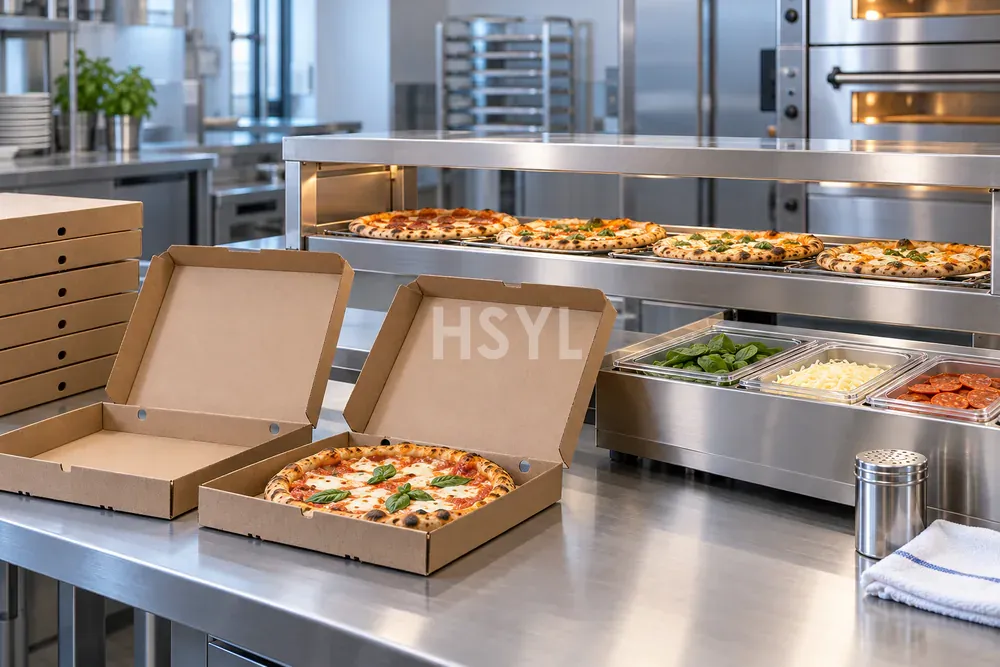
A pizza can leave the oven in good condition and still reach the customer with a different texture, damaged toppings or the wrong order label. The pizza holding and packaging workflow covers that interval: unloading, checking, cutting, waiting, boxing and dispatch. Treat it as part of the production process rather than an empty space after baking.
The right handling arrangement depends on the product, approved food-safety process and delivery route. A box, a heated position and an insulated carrier solve different tasks. Test the complete combination with the menu and dispatch pattern the business actually uses.
Define when the quality clock starts and stops
Choose a traceable starting point, normally the agreed completion of baking, and a handover point such as courier collection or customer service. Add intermediate timestamps for cutting, boxing and loading. This prevents a five-minute packing wait from being confused with a five-minute total dispatch interval.
Keep the product identity alongside the timing. A thin, lightly topped pizza and a heavily loaded pizza may behave differently during the same route. Record the initial condition and the handling sequence rather than attributing every later difference to the box.
Separate product protection from queue management
Packaging must be appropriate for the intended food contact and service. The UK government's storage and transport guidance emphasizes protective containers and suitable transport conditions. Apply the requirements governing the actual business and retain the food-safety team's approved handling limits.
Within that boundary, compare the quality effects of the proposed workflow. Decide where pizzas wait, whether they are boxed immediately or at another controlled point, and how complete orders are assembled. The procedure should be based on a validated product result, not a universal claim that every pizza improves with more ventilation or more heat.
Run a comparison that changes only the intended factor
Choose a representative recipe and produce comparable samples. If the question is box design, keep baking, portion size, holding arrangement and observation timing consistent. If the question is waiting before boxing, keep the box and the remainder of the handling sequence unchanged.
An illustrative quality study might examine samples immediately and after selected five- and ten-minute intervals. Those intervals are planning examples, not allowable holding limits. The actual observation plan must remain within the approved process and should reflect the measured delays in the business.
| Observation | How to make it useful |
|---|---|
| Base texture | Use the same assessment method and sample position |
| Topping movement | Record transport and opening conditions |
| Moisture in packaging | Compare identical product and timing |
| Portion integrity | Inspect after the agreed lifting and cutting sequence |
| Order accuracy | Track all products and accessories needed for handover |
Design the packing station around complete orders
Put boxes, approved liners, cutting tools and required accessories within the planned working reach. Define a checking position separate from unfinished work. A second shelf is useful only when staff know which items may be placed there and what its order status means.
Observe whether the same employee repeatedly leaves packing to answer collection queries. Separating the handover role can be worth trialling when that interruption creates a visible finished-product queue. Measure the result instead of assuming the extra role always improves output.
Large orders need an assembly rule. Record the earliest and latest finished pizza within the order, the planned dispatch time and the relevant product limits. Do not let the first products wait without a visible status while the final items are still being prepared.
Keep the purchasing request specific
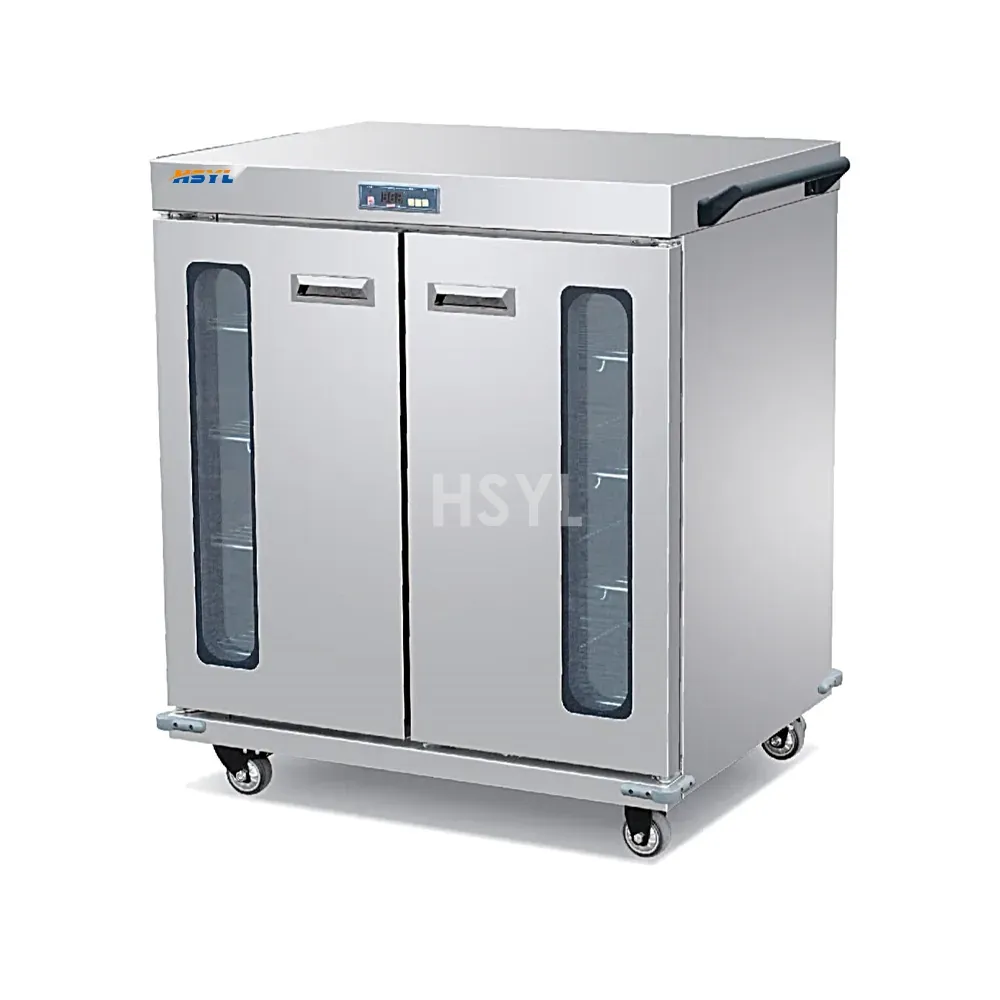
A holding or transport-equipment request should state product dimensions, containers, order wave, anticipated waiting, loading sequence and actual route. Ask the supplier to identify the exact configuration and operating boundary offered. Cabinet capacity, packaging suitability and validated food conditions are separate parts of the decision.
The best outcome from the trial is a simple released workflow: who unloads, where inspection occurs, when boxing happens, how exceptions are handled and what evidence authorizes handover. It connects the oven's accepted result to the product that the customer receives.