Direct Answer / Key Takeaway: Compare rice cooking proposals by included washing, dosing, loading and discharge work. Record operator interventions and tested batches before calculating value.
Two rice cooking quotations may use the same word automatic while leaving very different amounts of work to the kitchen team. One may automate only the heating program. Another may include weighing, water dosing or product transfer. Compare the work that remains before comparing the equipment price.
Follow one batch from storage to the serving container
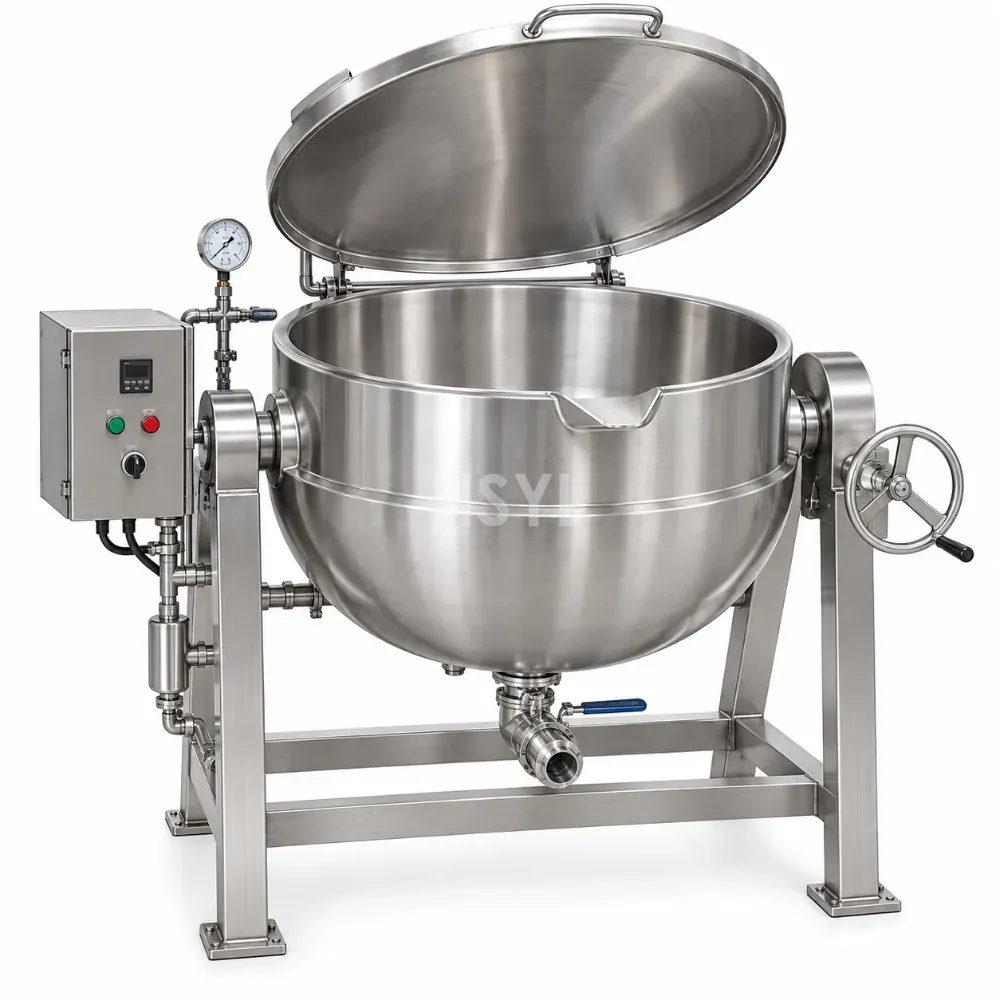
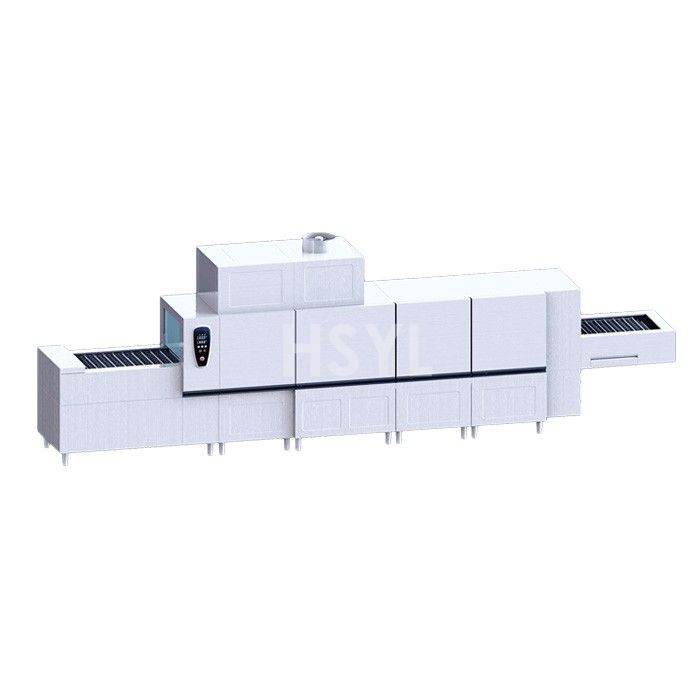
Ask each supplier to describe the same rice recipe and batch basis. List who opens and weighs the rice, prepares it, adds water, loads the cooking vessel, starts the program, checks completion, unloads the product and makes the next batch possible. Mark each activity as supplied equipment, operator work or a separate item outside the quotation.
This avoids crediting a cooker with a saving that depends on an unquoted washer or transfer device. It also makes a simpler proposal easier to evaluate fairly: a kitchen may prefer a smaller amount of automation if its preparation and transfer arrangements already work well.
Separate attention time from elapsed time
An operator may be free to perform another task while a cooking cycle runs, but remain occupied during weighing, pot handling or discharge. Observe those interventions during a representative demonstration. Record both the occupied time and the elapsed time until the next batch can be started.
Do not convert the difference between two advertised cooking times directly into a staffing saving. Check whether the staff member can actually undertake the other planned work, whether a second person is needed for a loaded transfer and whether the intervention occurs during the busiest service period.
| Quote item | Evidence to request |
|---|---|
| Capacity basis | Dry or finished weight, agreed recipe and demonstrated usable batch |
| Automation scope | The physical equipment and control functions included at each process step |
| Operator involvement | Observed loading, monitoring, unloading and cleaning activities |
| Accessories | Pots, pans, stands, transfer containers and any special handling equipment |
| Installation and support | Connections, commissioning scope, training, replacement parts and actual support terms |
Use a catalog cooker as an identified component
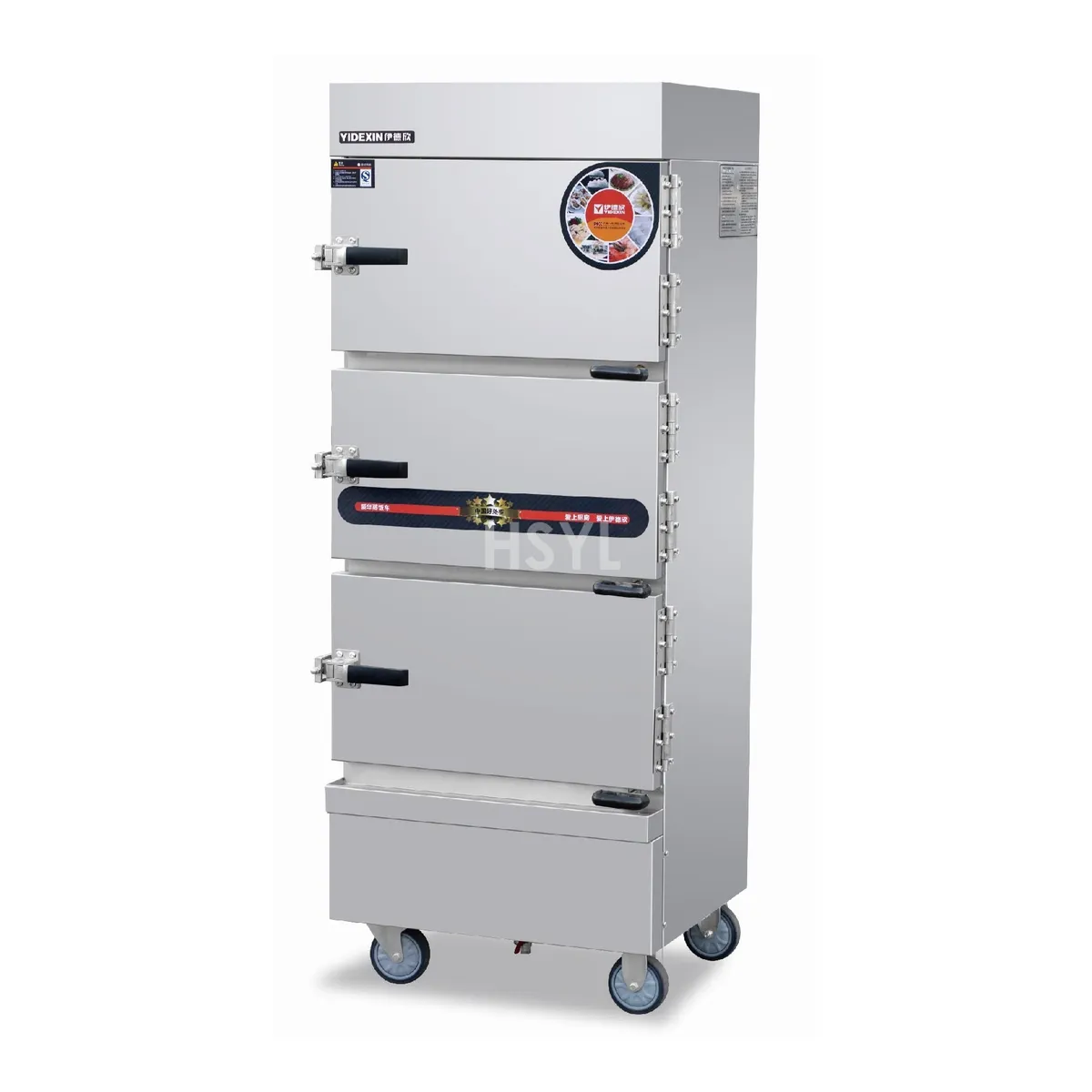
The catalog's E-ZNBP rice equipment entry identifies an electric cooker, including its envelope and rated input. It does not establish the price or labor performance of a complete rice line. If that cooker appears in a proposal, ask which other equipment and activities make up the proposed system around it.
When several cookers are proposed, review the sequence at all stations together. Simultaneous cooking completion can create a concentrated unloading task. Staggered operation can change supervision and handling needs. The supplier should demonstrate the proposed sequence rather than multiplying a single-unit output by the unit count.
Price the proposed arrangement after the trial
Obtain an itemized equipment and accessory budget, then add the installation and operating items that apply to that arrangement. Use the site's actual staffing assumptions and recorded operator involvement for any cost model. Keep cleaning, consumables and replacement parts visible instead of hiding them in a generic maintenance percentage.
A useful quote comparison finishes with an agreed batch, a clear boundary of supplied work and a repeatable operator sequence. These make the decision defensible without inventing a universal payback period or assuming that a digital control panel removes manual rice handling.