Direct Answer / Key Takeaway: Time preparation, charging, cooking, required rest and unloading against rice service deadlines, including the next start, instead of treating the heating timer as complete batch capacity.
The rice cooking timer can finish before a batch is ready for the serving counter. Preparation, charging, any required rest, unloading and restoration of the next load all occupy the meal-service window. Size the schedule from usable rice at the handoff, rather than from the heating programme alone.
Define the start and finish of one complete batch
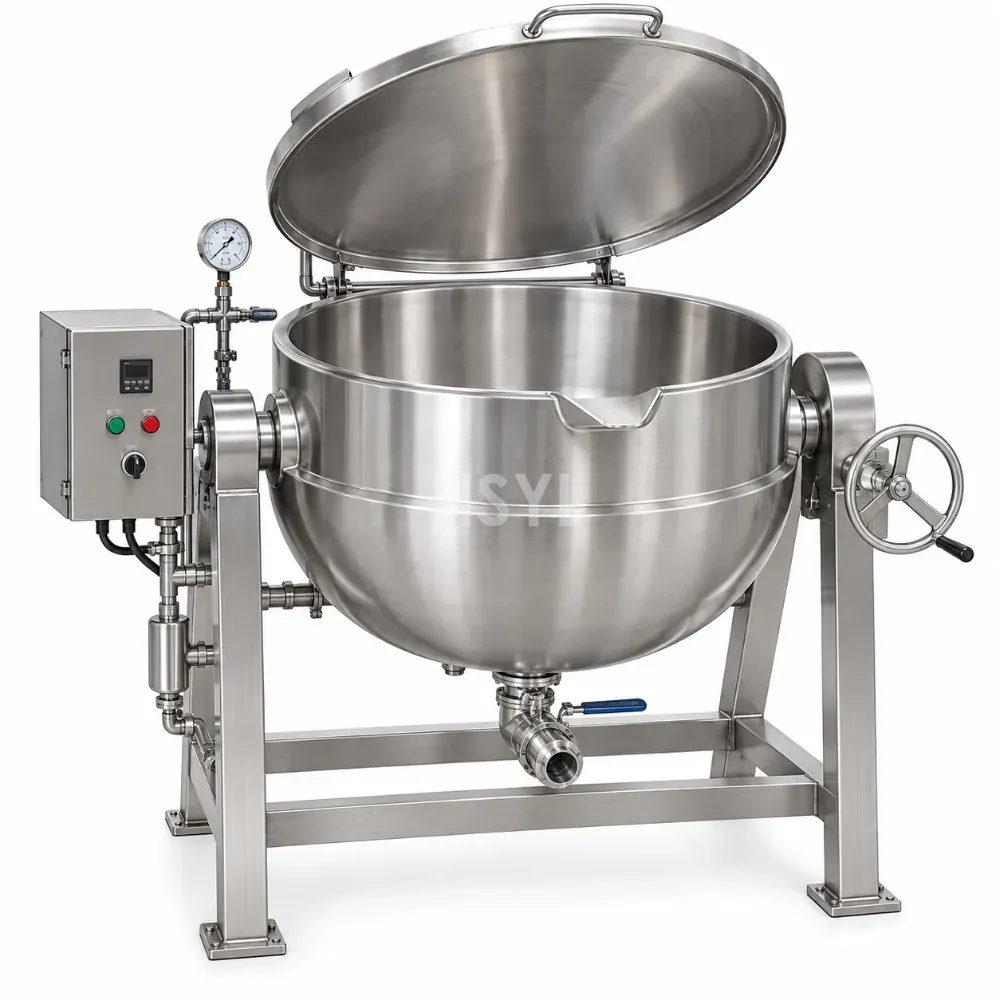
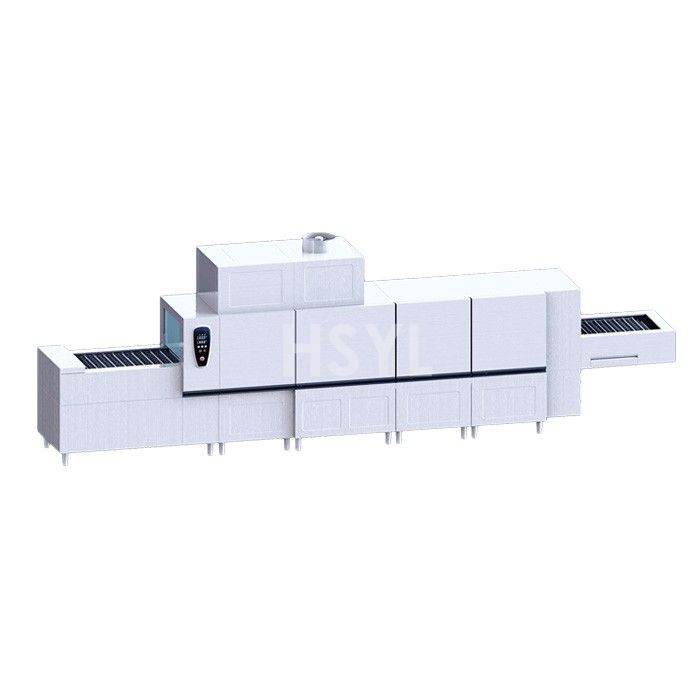
Use an identified rice recipe, vessel and accepted usable quantity. Confirm the dry-versus-finished weight basis, but keep it separate from the timing question: when can the correct load begin, when does its rice reach the next stage and when is the cooker ready again? For staff catering, establish the shift-change meal-service window before spreading batches evenly through the day.
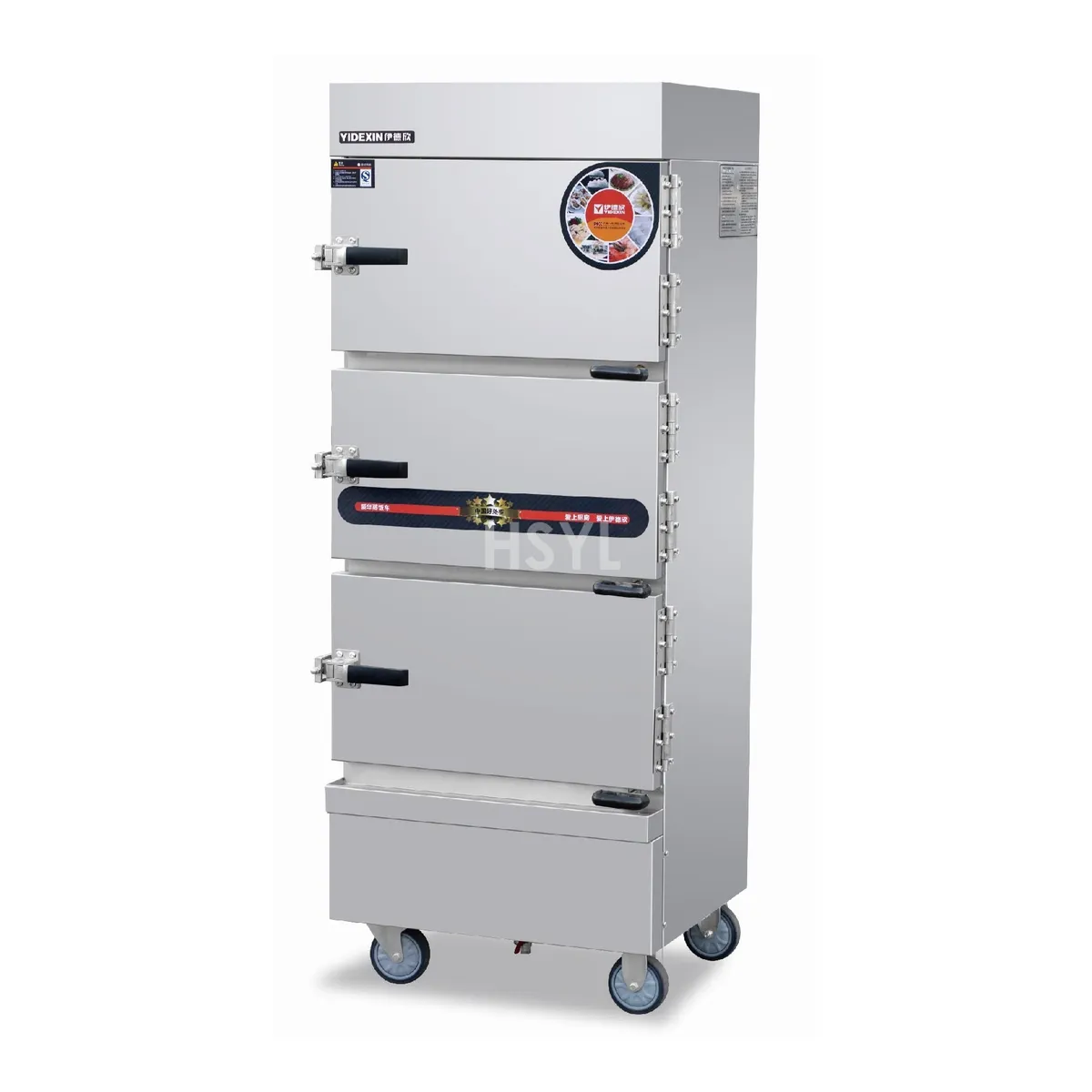
The HSYL catalog's E-ZNBP entry identifies selectable rice modes, a 780 × 670 × 480 mm envelope and 6.0 kW rated input. It does not supply a demonstrated complete batch cycle for this service. Obtain the actual mode and load definition, then time the full accepted operator sequence.
Put every stage on the same clock
Consider an explicitly hypothetical sequence: preparation starts at 10:20, cooking starts at 10:30 and its programme ends at 11:00. If the accepted subsequent steps make the rice available at 11:15, an 11:05 serving deadline is missed by ten minutes even though the cooking programme finished before service. These are schedule examples, not E-ZNBP cycle times or a recommended resting process.
Resolve the mismatch through a feasible production start, an accepted process change or suitable capacity. Do not shorten required preparation or post-cooking steps simply to make the arithmetic fit. Add the next batch to the same timeline, including when its vessel, preparation position and operator are available.
A short capacity worksheet
- List portions needed in each serving wave rather than one total for the day.
- Record finished rice per portion and any menu alternatives that reduce or increase demand.
- Measure the usable finished quantity from one approved trial batch.
- Time washing or preparation, charging, cooking, resting, unloading and the next available start.
- Place those cycles against the actual service deadlines.
This approach exposes a common bottleneck: a cooker may complete the cooking stage quickly enough while staff are still transferring the preceding batch. Adding nominal cooking capacity will not remove a delay caused by unavailable pans, transfer containers or portioning space.
A stack of cookers is not automatically a continuous line
The word line may refer to coordinated batch cookers, a multi-deck arrangement or a genuinely continuous process. The quotation should identify which steps are included. Rice washing, dosing, charging, cooking, discharge and transfer may be separate manual operations even when the cooking control is automatic.
Ask the supplier to show where an operator intervenes and how the next batch is started. If a proposal relies on simultaneous decks, confirm whether they can be loaded and operated independently and what happens when one batch is late. The relevant output is rice ready for the next stage, not the sum of vessel labels.
Keep the acceptance test tied to the recipe
Run the agreed rice and water preparation through the proposed process, weigh the usable finished batch and record when it reaches the portioning station. Check consistency across the load and repeat the sequence if the service requires back-to-back batches. Any holding or cooling arrangement must follow the site's established food-safety process; this capacity exercise does not set a universal safe holding period.
The purchasing record should finish with a clear capacity statement: the weight basis, recipe, usable quantity per batch and demonstrated schedule. That statement makes later comparisons possible without relying on an undefined number in a product title.