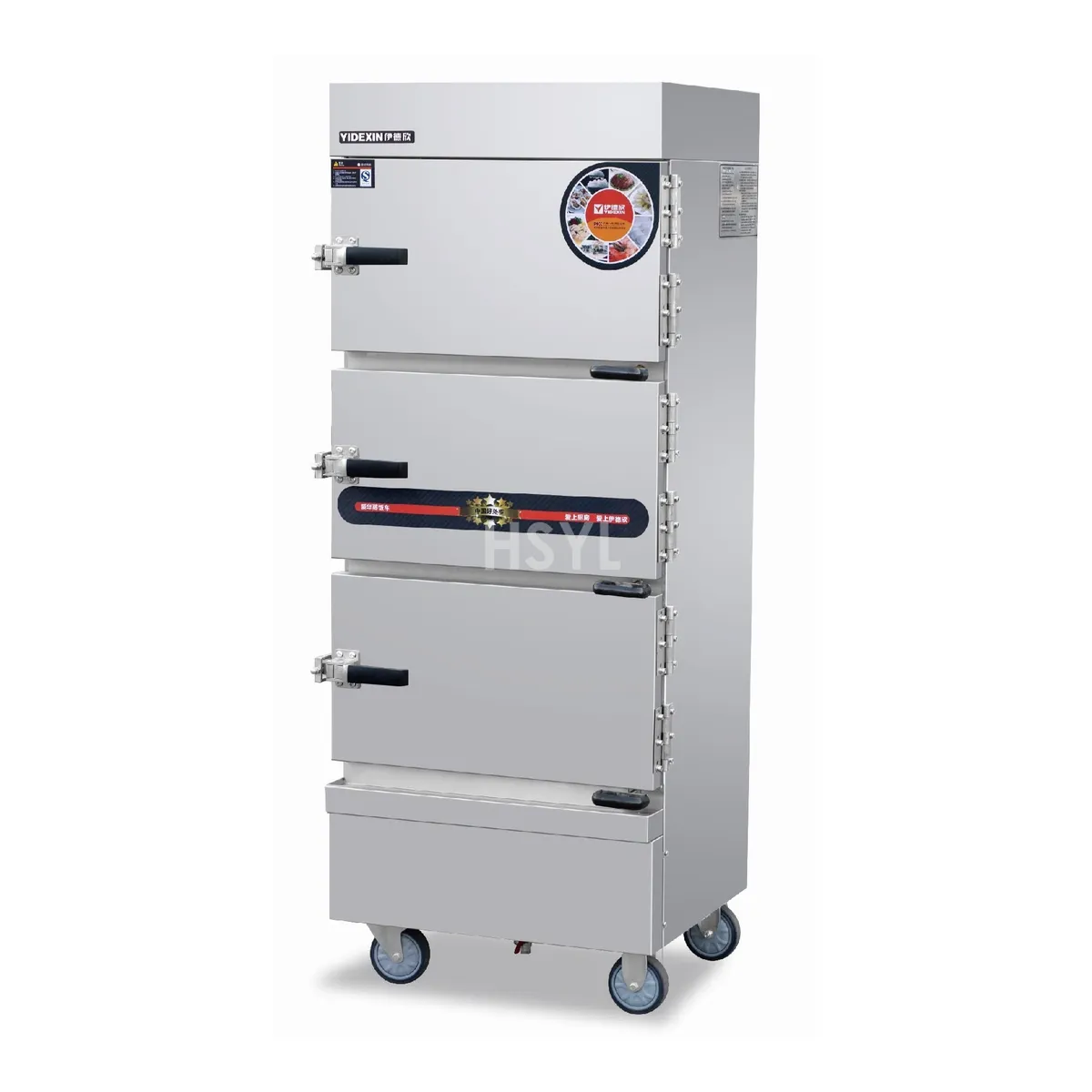
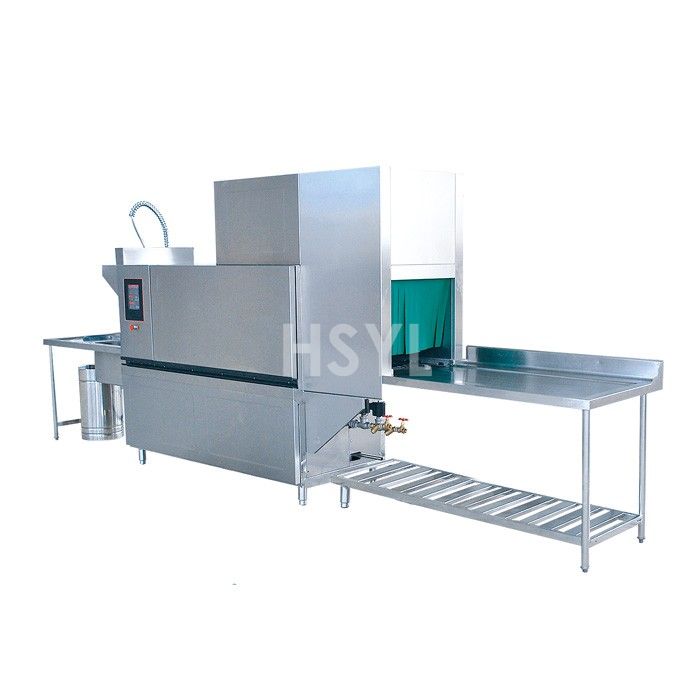
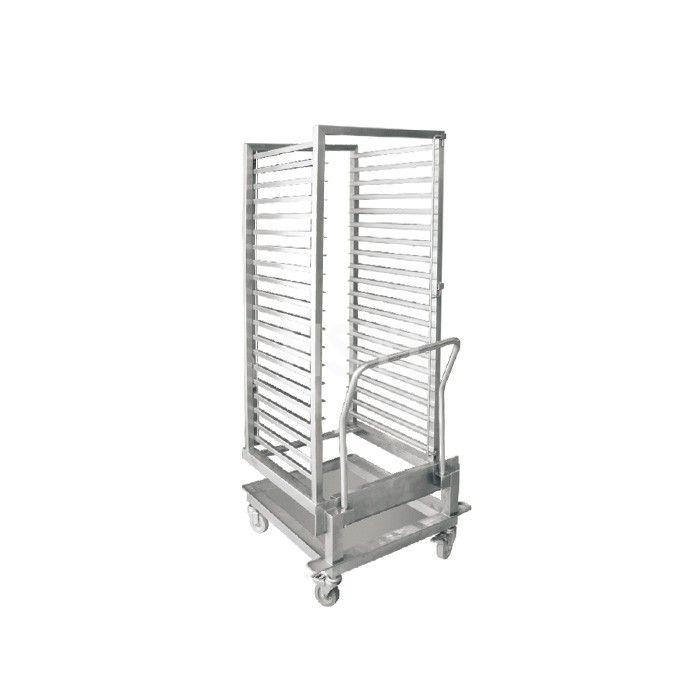
Direct Answer / Key Takeaway: Distinguish a batch rice cooker from a complete cooking line, then coordinate its verified power, water handling, unloading and cleaning requirements.
The term automatic rice cooking line can conceal a large difference in supply scope. A cooker may control the heating cycle while staff still wash, weigh, load and transfer every batch. Before locating a gas connection, water point or floor drain, draw the actual process and identify the equipment that performs each step.
Show where water and rice are handled
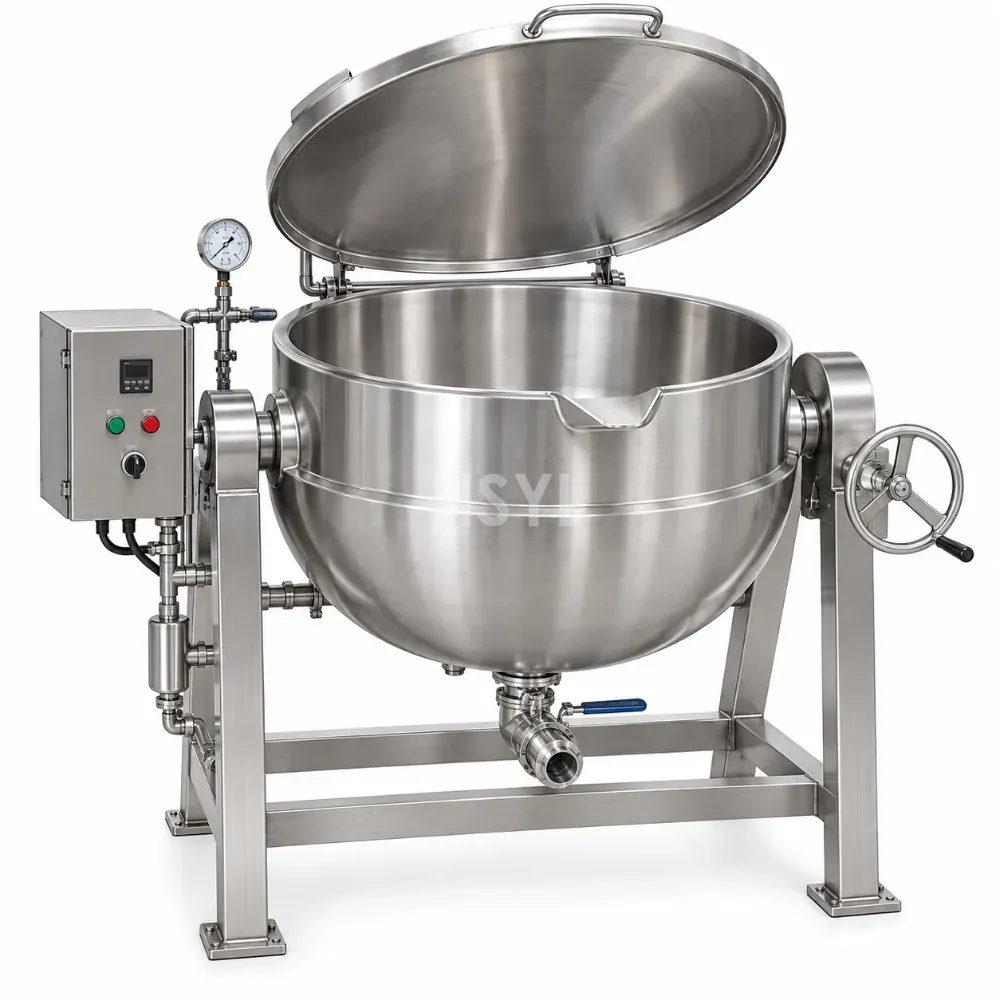
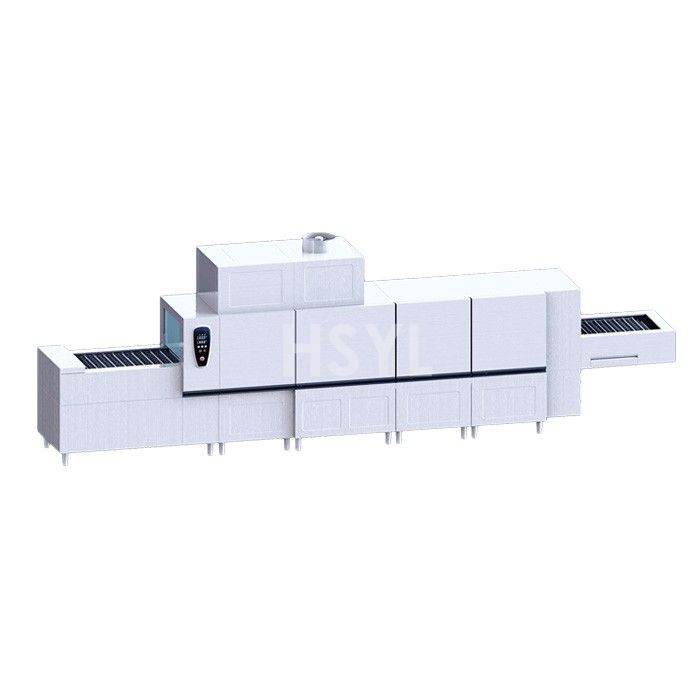
Mark receiving, rice storage, washing or preparation, dosing, charging, cooking, resting and discharge on the proposed layout. Identify the containers used between these steps. A separate washing station has different space and drainage needs from an integrated washing and dosing assembly; neither arrangement should be assumed from the word automatic.
Ask how water is added. Manual filling, a fixed measured supply and an automatic dosing system are different interfaces. If the cooker has an inlet, use its current instructions to establish the supply conditions. If staff fill a removable vessel, assess the handling route and the loaded vessel rather than inventing a direct connection.
Do not carry a gas specification into an electric proposal
The E-ZNBP rice-cooker entry in the HSYL catalog identifies a particular electric cooker at 380 V three-phase and 6.0 kW. Its listed dimensions are 780 × 670 × 480 mm. That entry does not support a universal description of a three-deck continuous gas line. The building schedule should carry the exact offered unit and any accessories requiring their own connections.
Have the electrical professional review the final nameplate and connection instructions. A stacking arrangement may require checks of the supporting frame, access and the combined electrical demand, not merely multiplication of an informal countertop allowance. Responsibility for the complete assembly should be clear in the quotation.
Plan unloading before fixing the working height
Describe how cooked rice leaves the machine. The operator may lift an inner pot, withdraw pans or receive a controlled discharge, depending on the equipment. The space in front of the cooker must accommodate that actual movement and the next container.
Check a representative loaded transfer with the intended staff and handling equipment. A cooker placed to maximize floor-space density can make the lift, reach or turn impractical. An unloaded display demonstration will not reveal the same constraint. Where a proposal uses multiple cooking levels, verify access to every level and agree how a heavy vessel is removed.
Separate process water from cleaning discharge
Ask the supplier to identify any routine liquid discharge and the permitted cleaning method. Removable pots may be cleaned at a separate wash station; another design may require a dedicated drainage interface. Coordinate the resulting route with the site's kitchen drainage plan and avoid pooling water around electrical equipment.
Keep the cleaning equipment, consumables and drying or storage space visible on the layout. They consume working space even if they are not part of the cooker's external dimensions. Ventilation and any steam-management arrangements should be reviewed for the actual operating sequence rather than assigned from a generic category.
Approve the installation plan only when the process scope, delivered equipment list and building interface schedule describe the same system. That record lets the contractor distinguish missing infrastructure from a feature that was never included in the cooking equipment quotation.