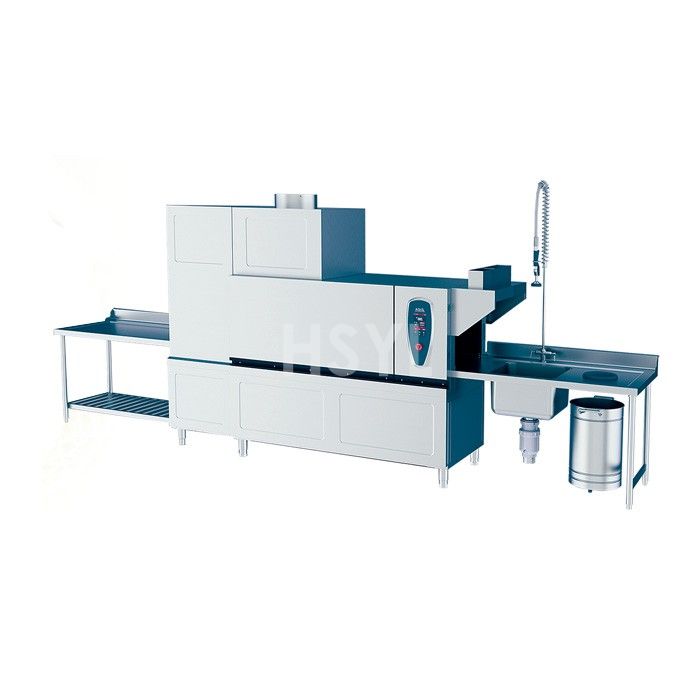
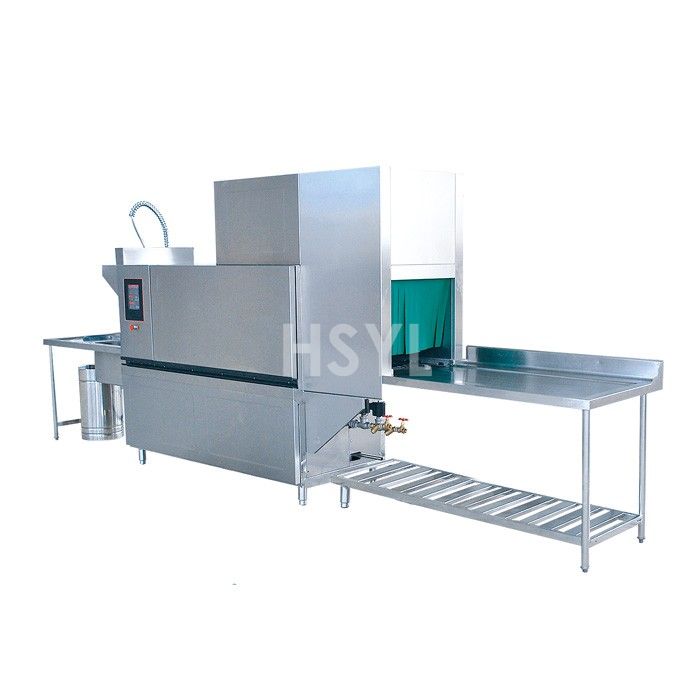
Direct Answer / Key Takeaway: Measure rack arrivals, removal and occupied work positions before sizing the clean landing table. Distinguish waiting space from unloading, drying and sorting tasks.
A clean landing table is a buffer between the dishwasher and the next handling task. Its useful capacity depends on how quickly racks arrive and leave, what must happen before removal and the space each actual rack needs. A fixed table length cannot answer all three questions.
Observe the queue at the clean exit
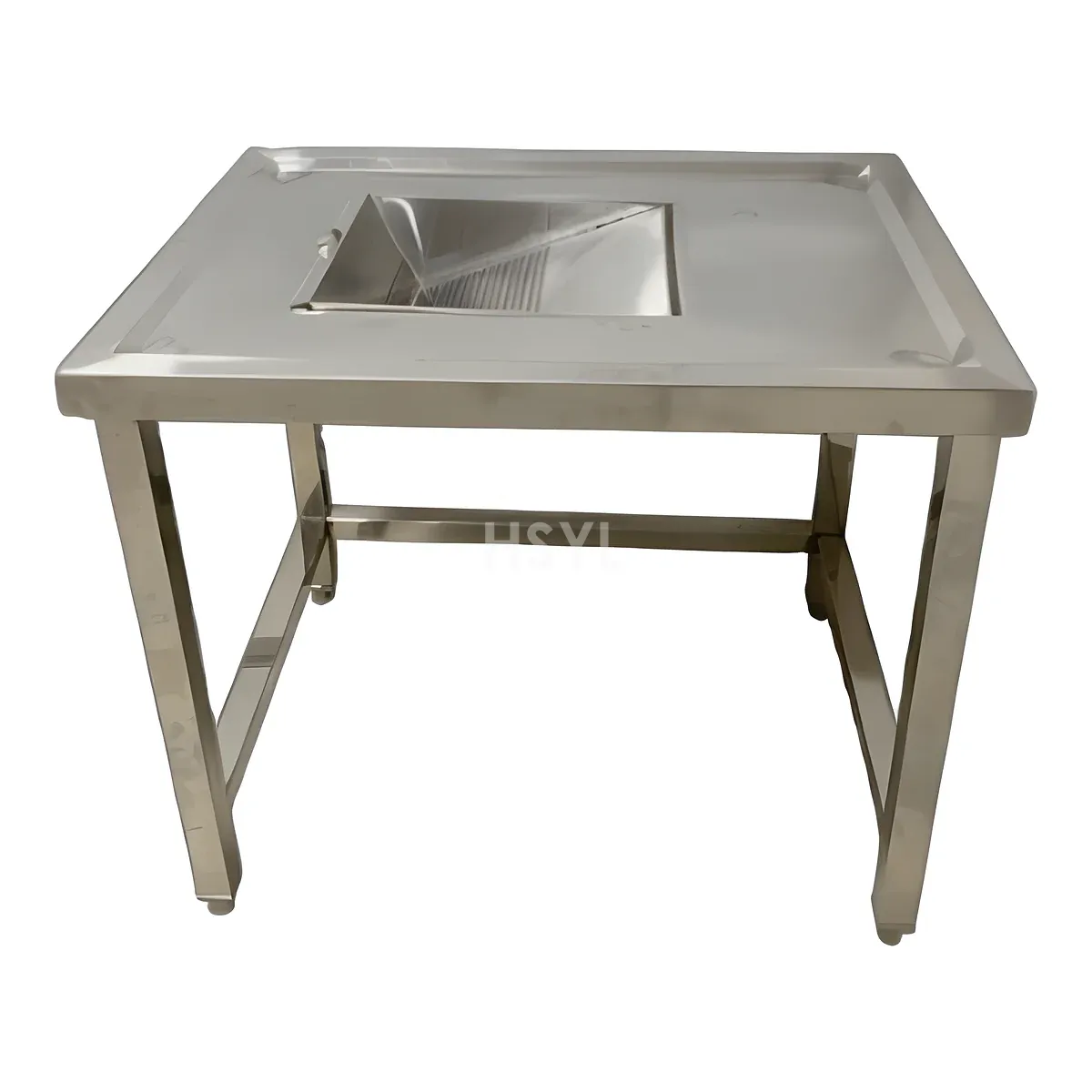
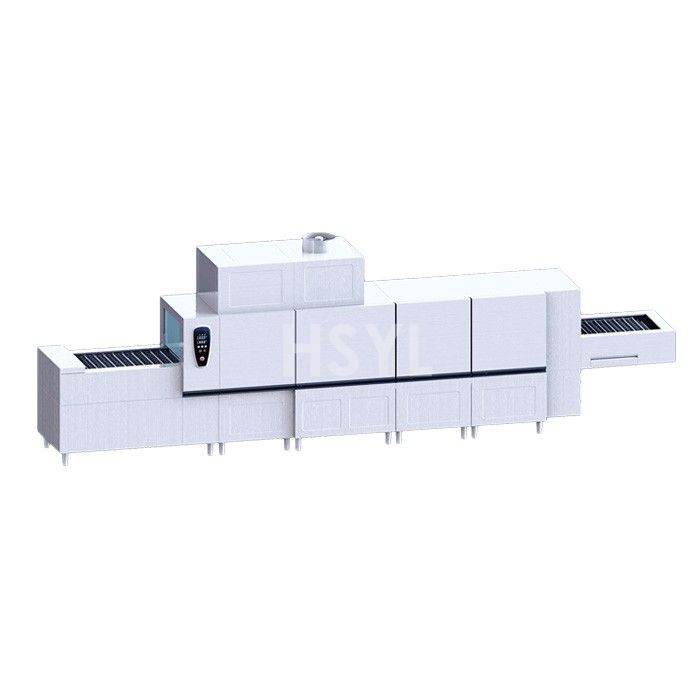
During representative service, record rack arrivals and departures over short defined intervals. Note pauses for sorting, checking ware, obtaining a clean trolley or moving finished stock. Keep questioned ware and rewash movements identifiable; a rack that exits the machine is not automatically an accepted rack ready for storage.
Count positions occupied by waiting racks separately from the active unload point and any position used for inspection or sorting. Include the site's required drying/handling sequence. A rack that only shifts within the marked waiting area has not departed from that area.
Our dishroom bottleneck guide helps connect these observations to the next task. The purpose is to find where racks actually wait, rather than assign the machine's headline output directly to table length.
Turn a time record into required positions
The following is an illustrative queue, not a dishwasher rating or a universal design minimum. Here arrivals enter the marked waiting area; departures leave that area for an active handling position or the approved next destination. Movement within the waiting area is not a departure. Active processing positions are additional.
| Observation point | Cumulative arrivals | Cumulative departures | Waiting racks |
|---|---|---|---|
| Start | 0 | 0 | 0 |
| First interval | 3 | 1 | 2 |
| Second interval | 6 | 2 | 4 |
| Third interval | 8 | 5 | 3 |
The observed waiting peak is four rack positions. It does not mean that a four-rack table is the complete solution: the machine handoff, inspection/sorting and withdrawal path still need their own usable space. Test a credible service variation, such as the clean trolley being temporarily unavailable, rather than adding an unexplained percentage.
Use the actual rack footprint and table support geometry to draw those positions. Confirm compatibility with the machine exit, rack guides and any required stop arrangement. Do not place a waiting rack where it obstructs controls or a prescribed protective device.
Check whether extra table length solves the delay
If the queue grows throughout the observation, more landing length merely postpones the obstruction. Review the downstream task, destination storage and responsible person. If the queue rises briefly and then clears, a defined buffer may be useful, provided it preserves the required clean handling.
Rehearse the drawn layout with representative racks through a safe agreed arrangement. Include unloading and a full downstream container, not only empty-table sliding. Confirm who stops or adjusts the permitted work sequence when the landing is full; staff must not bypass a table-limit function to maintain output.
Specify the accepted positions, rack type, task boundaries and applicable machine interface on the order. This gives the fabricator a usable requirement instead of a nominal 1200 mm table assumed to suit every dishroom.