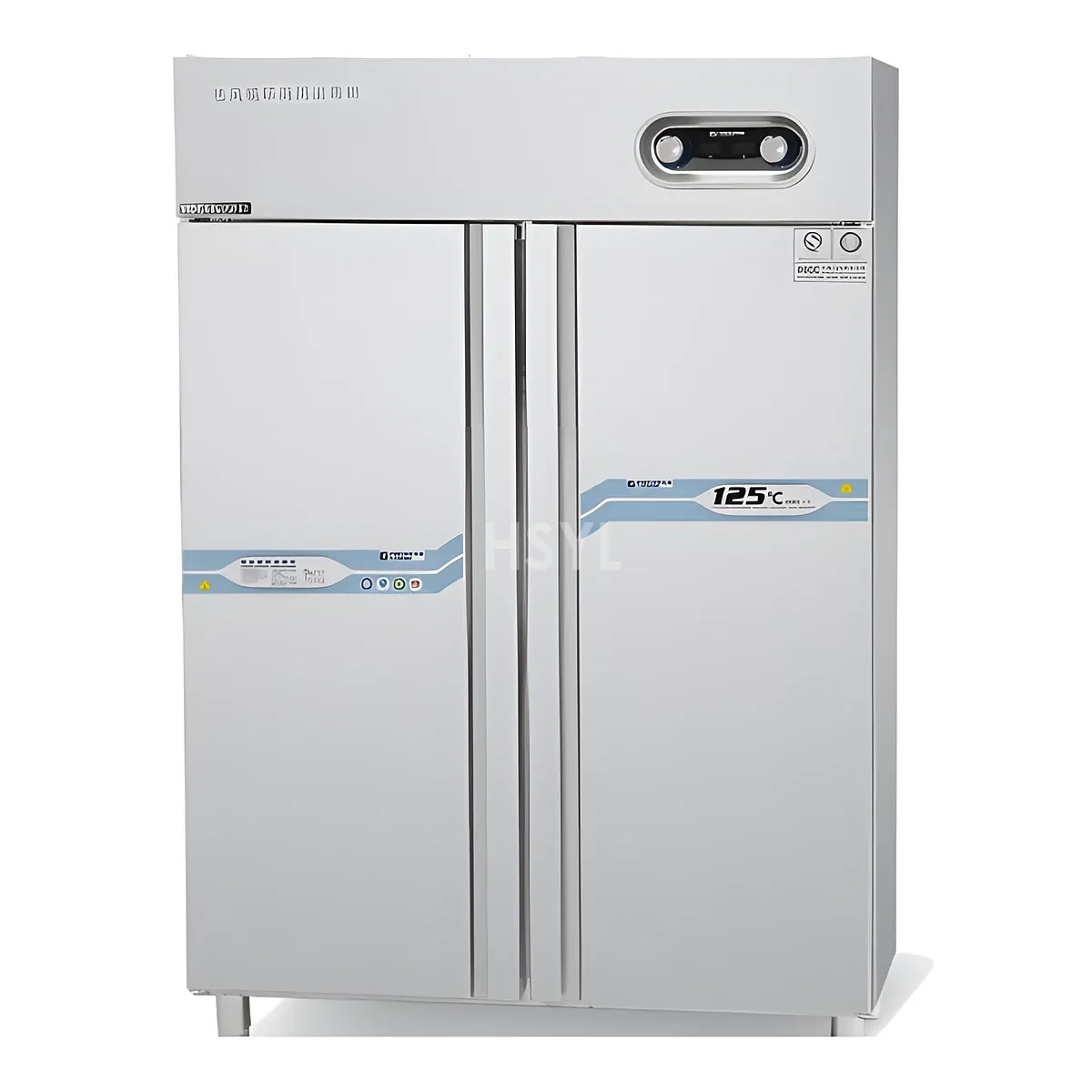
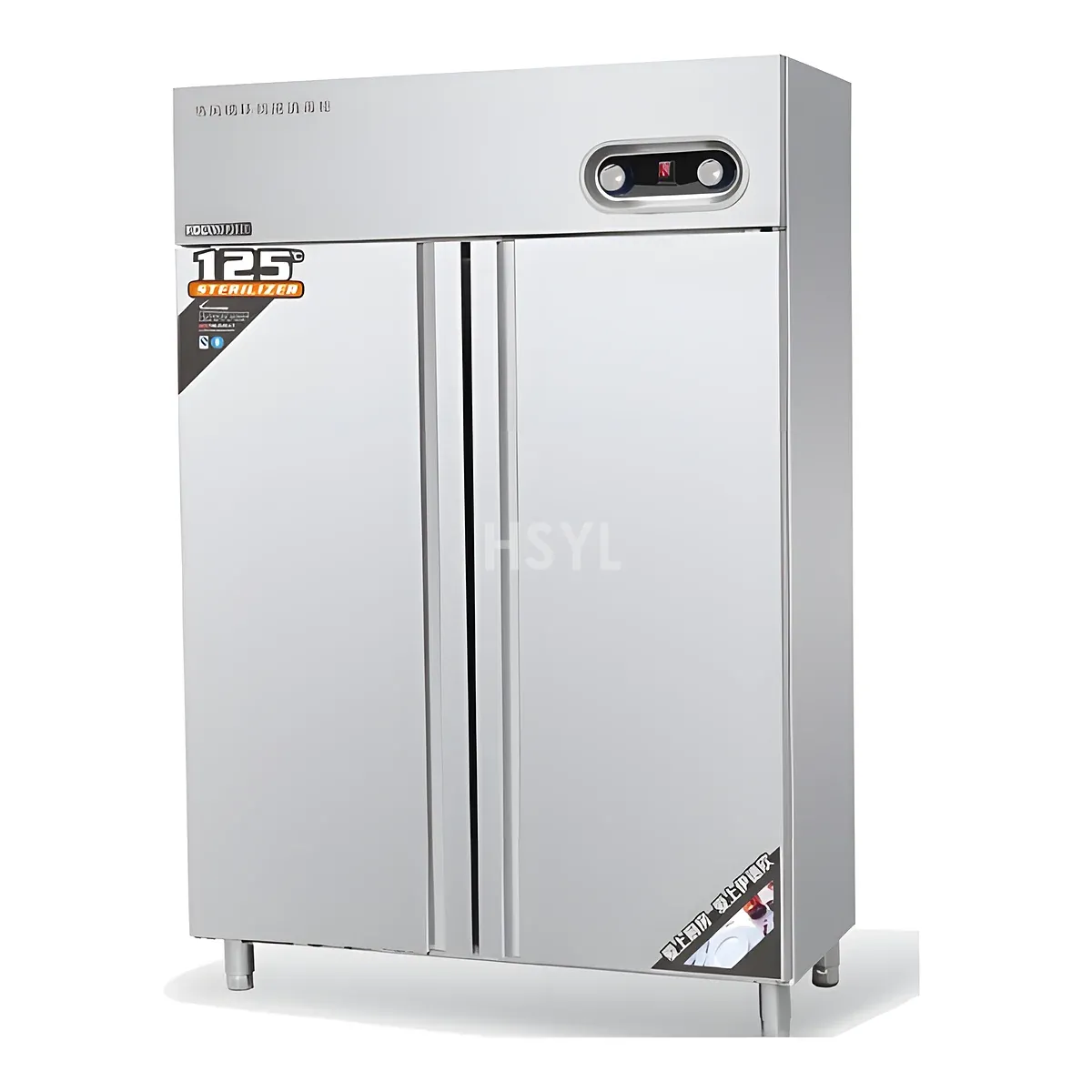
Direct Answer / Key Takeaway: Describe actual uniforms, preparation state and permitted hanging arrangement before accepting a workwear cabinet capacity. Separate storage positions from treatment evidence.
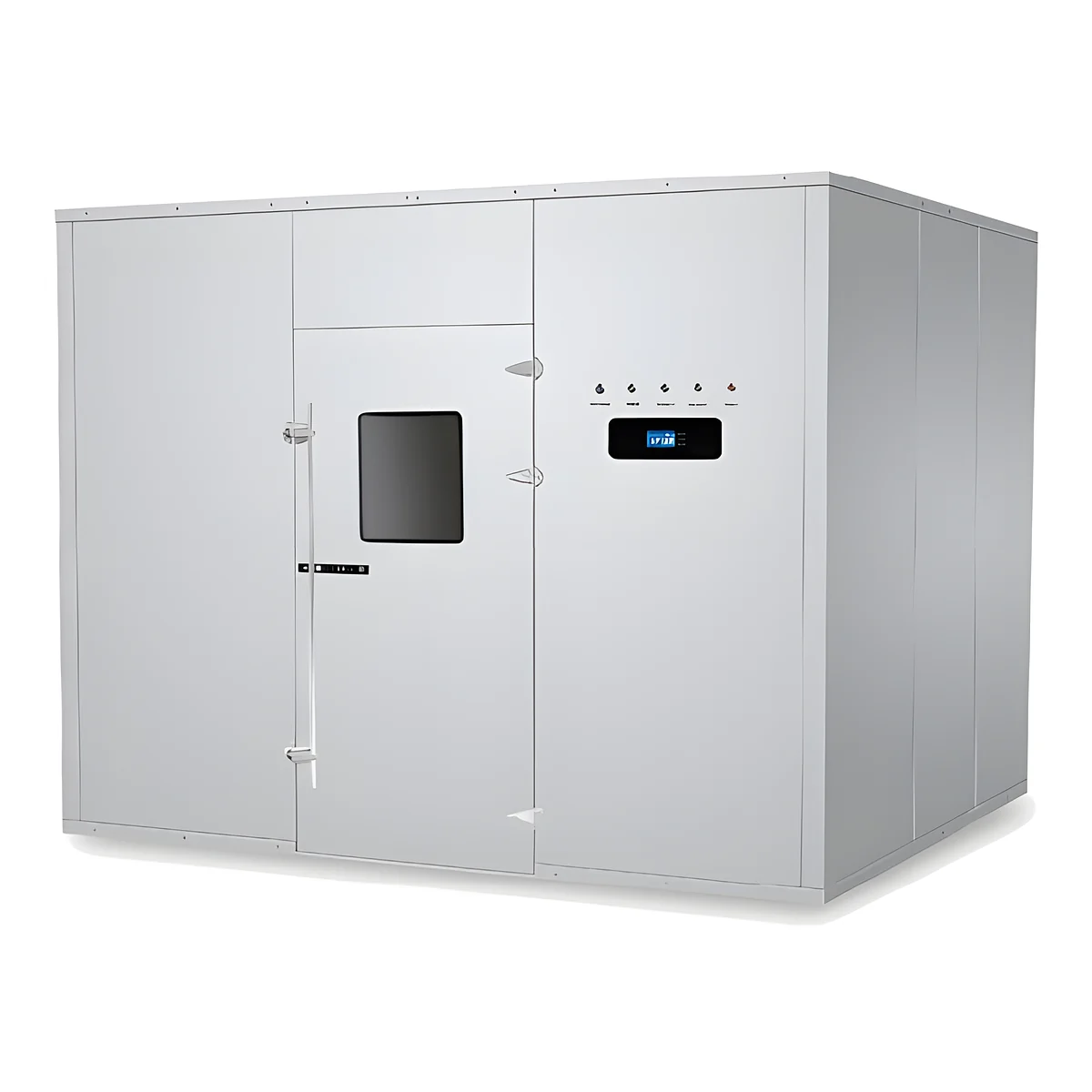
A rail that holds six hangers does not establish a six-uniform treatment capacity. Long sleeves, folded fabric, pockets and overlapping garments change the load presented to a cabinet. Define what is being treated and the permitted arrangement before accepting a garment count.
State the cabinet's role in the workwear process
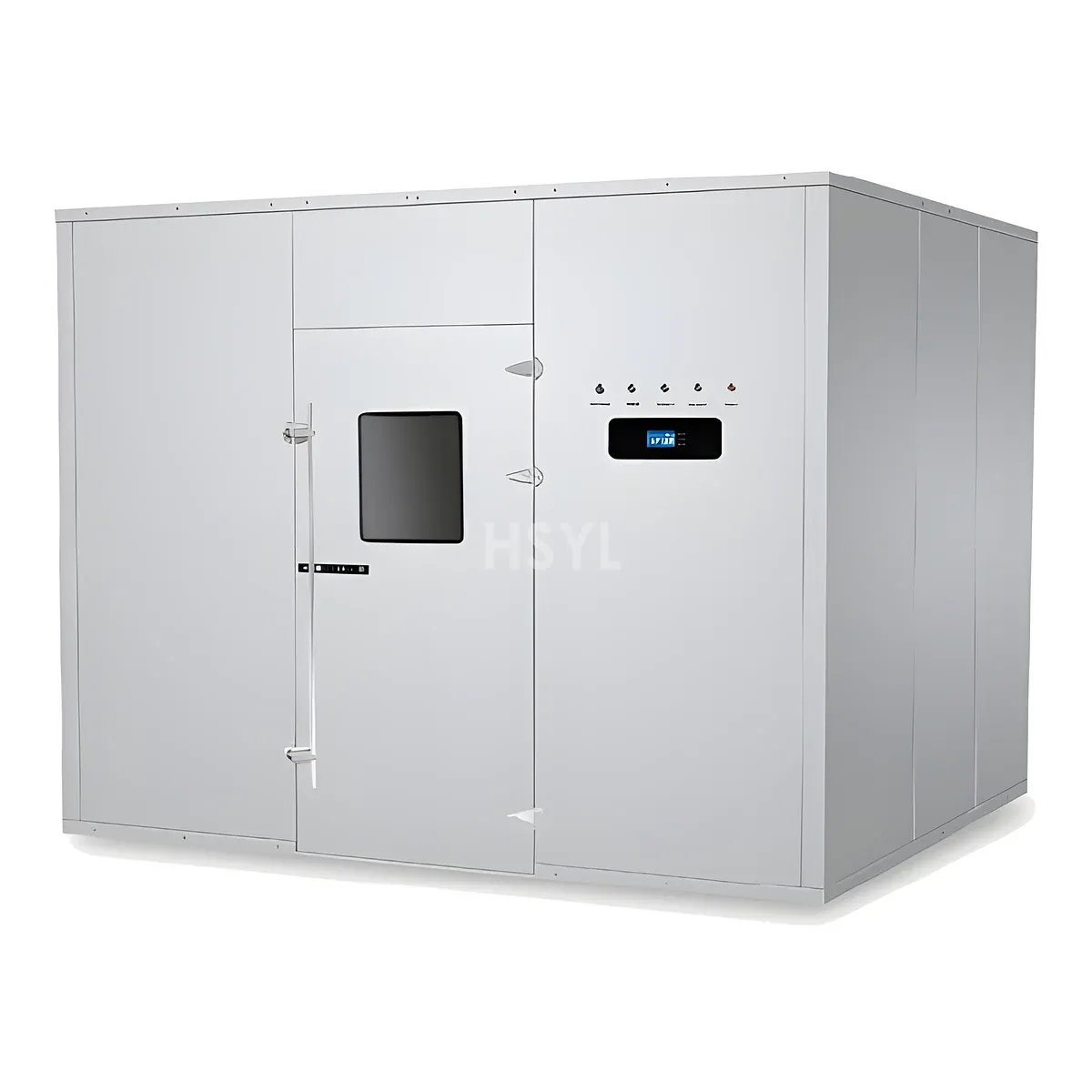
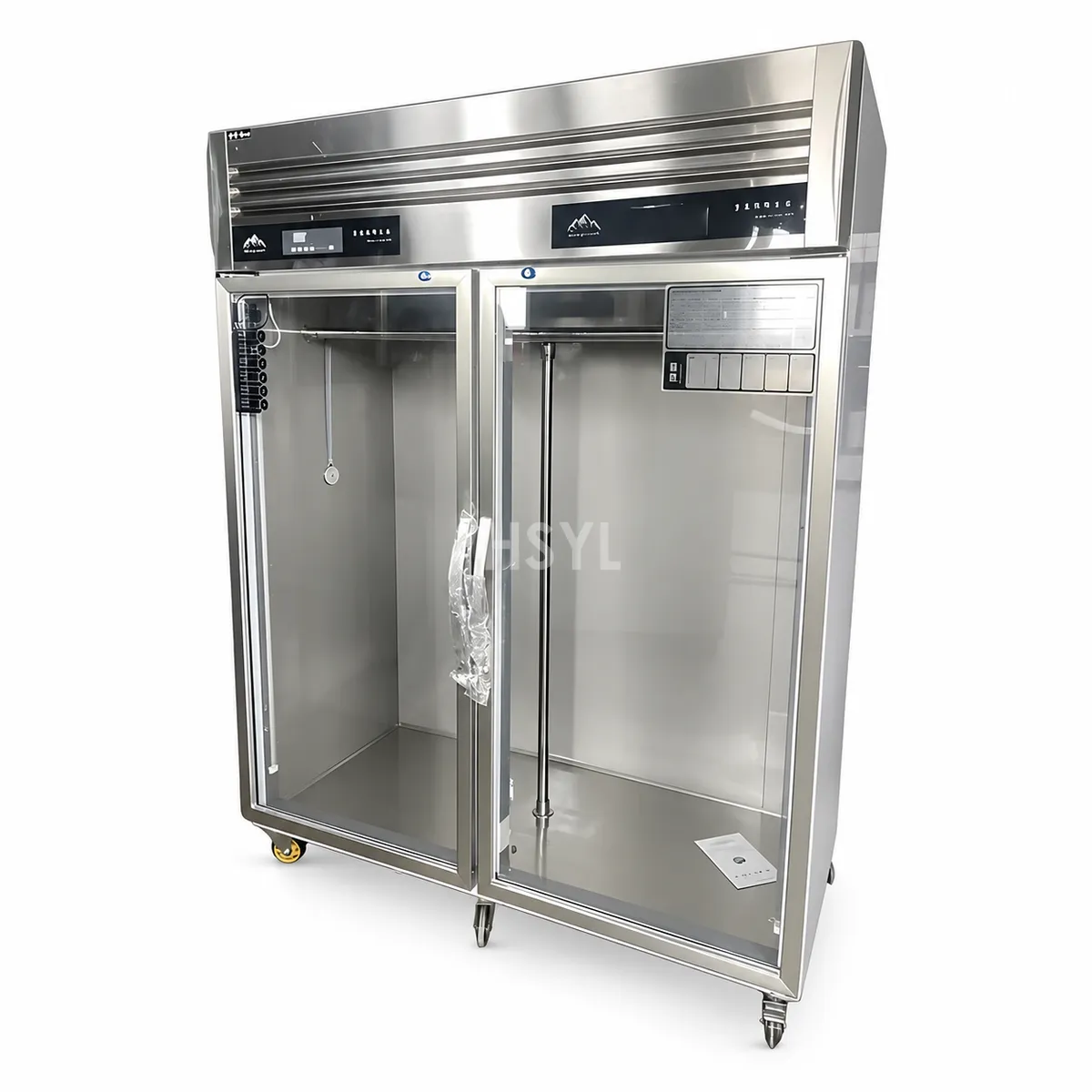
Identify the incoming condition: newly laundered garments, dry garments awaiting issue or another state expressly supported by the proposed process. State the required outcome with the site's hygiene lead. Cleaning, drying, deodorizing, disinfection and sterilization are different claims; a commercial equipment name does not establish all of them.
The workwear and uniform cabinet product entry can identify the type of equipment being considered. Obtain the current model's actual instructions and supporting evidence before treating its stated functions or load as approved for the site.
Describe one complete garment set
List the actual jacket, trousers, apron or other items proposed for the batch. Include fabric composition, coatings, closures, labels and the garment supplier's care limits. A lightweight coat and an insulated jacket should not become equivalent 'pieces' merely because each occupies a hanger.
Record the dimensions and gross load with the intended hanger or carrier. Ask which surfaces or regions the claimed treatment covers and how the arrangement addresses overlapping material. For a UV process, surfaces hidden from the light cannot be assumed to receive the same exposure as a visible outside panel.
Request a documented loading arrangement
The supplier's evidence should identify the model, treatment method, garment state, arrangement and acceptance basis. Ask for permitted quantity and spacing, orientation, restrictions on folded items and whether different garment types may share a load. These are requirements to resolve, not dimensions to invent.
Use the same representative articles in the proposed arrangement. Confirm that staff can load and remove them without contacting unclean surfaces or compressing neighboring garments. A physical fitting exercise checks handling and geometry; it does not prove a microbiological result.
Calculate availability only after the load is established
For the accepted arrangement, obtain the complete time before garments are available to issue, including any preparation, treatment, required clearance/cooling and unloading. Do not use a timer setting alone as the full turnaround. Compare the available batches with the site's issue schedule and keep a suitable reserve where that schedule requires it.
Attach the approved garment identities, arrangement, preparation and release conditions to the order and operating procedure. Review them after a uniform or hanger changes. If the supplier cannot support the intended load and outcome, a larger nominal cabinet or more hanging points does not close the evidence gap.